


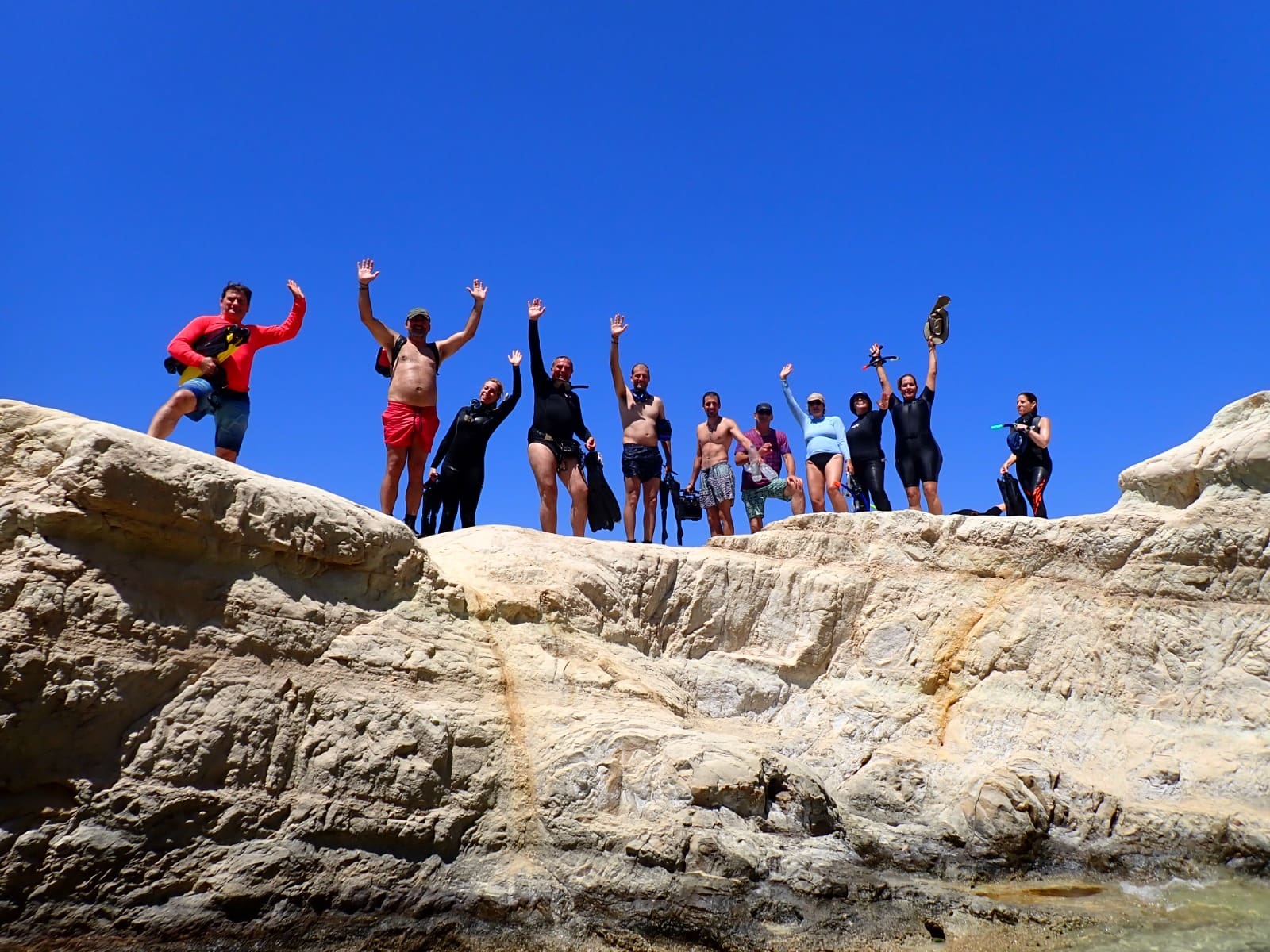
(haipo) About three years after the seal Julia visited the shores of Israel, experts from the Israeli Delphis Association and other regional organizations met at an international workshop in Cyprus to formulate a regional work plan for the conservation of the endangered Mediterranean monk seal. The plan includes the restoration of the breeding cave in Israel and expanding collaborations in the fields of research, education, and outreach.
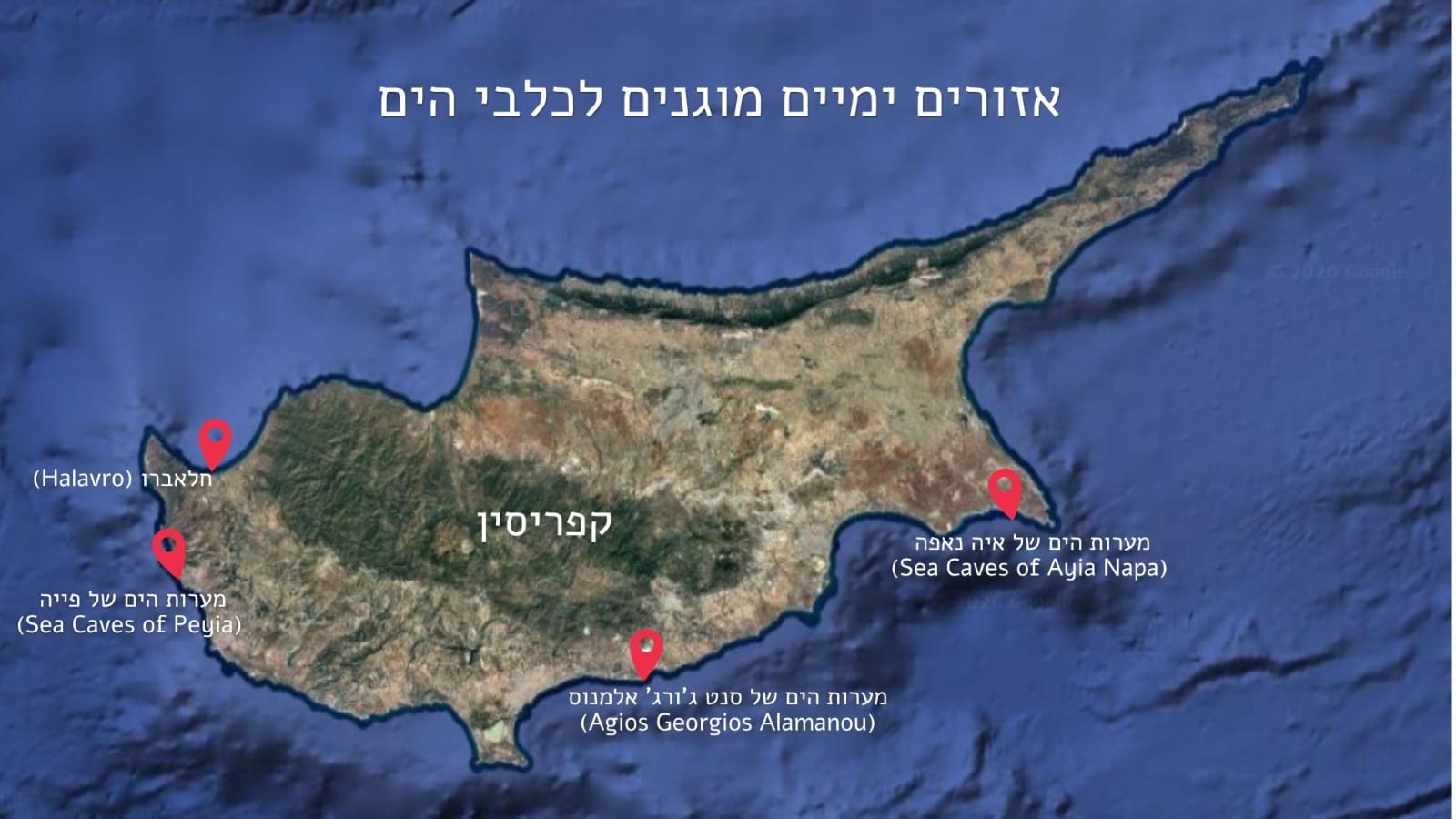
International Workshop in Cyprus – From Hope to an Action Plan
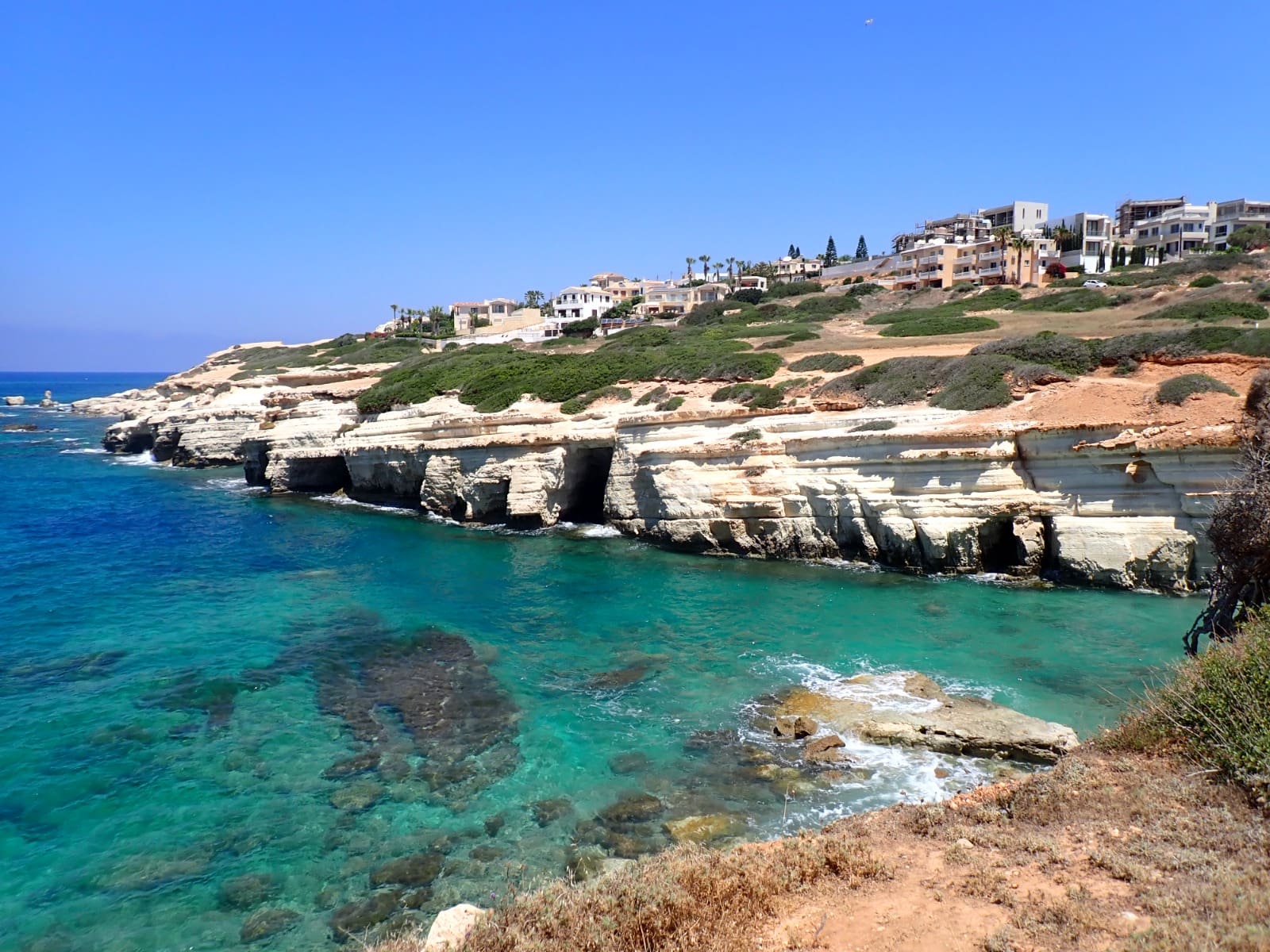
The workshop was held at the initiative of the Delphis Association, which works for marine mammals, and with the support of the Ministry for Regional Cooperation. Participants included representatives of the Cypriot Ministry of Agriculture, researchers, government and nature conservation officials, an Italian researcher, representatives from the Enalia Physis organization, researchers and educators from the Delphis Association, as well as the Israeli contractor responsible for implementing the seal cave restoration program in Israel. During the workshop, Delphis experts toured the caves used by monk seals in Cyprus, together with their colleagues, and were impressed by the way the Cypriots managed the restoration efforts, which were very successful.
Cyprus as a success story – and inspiration for the Rosh Hanikra project
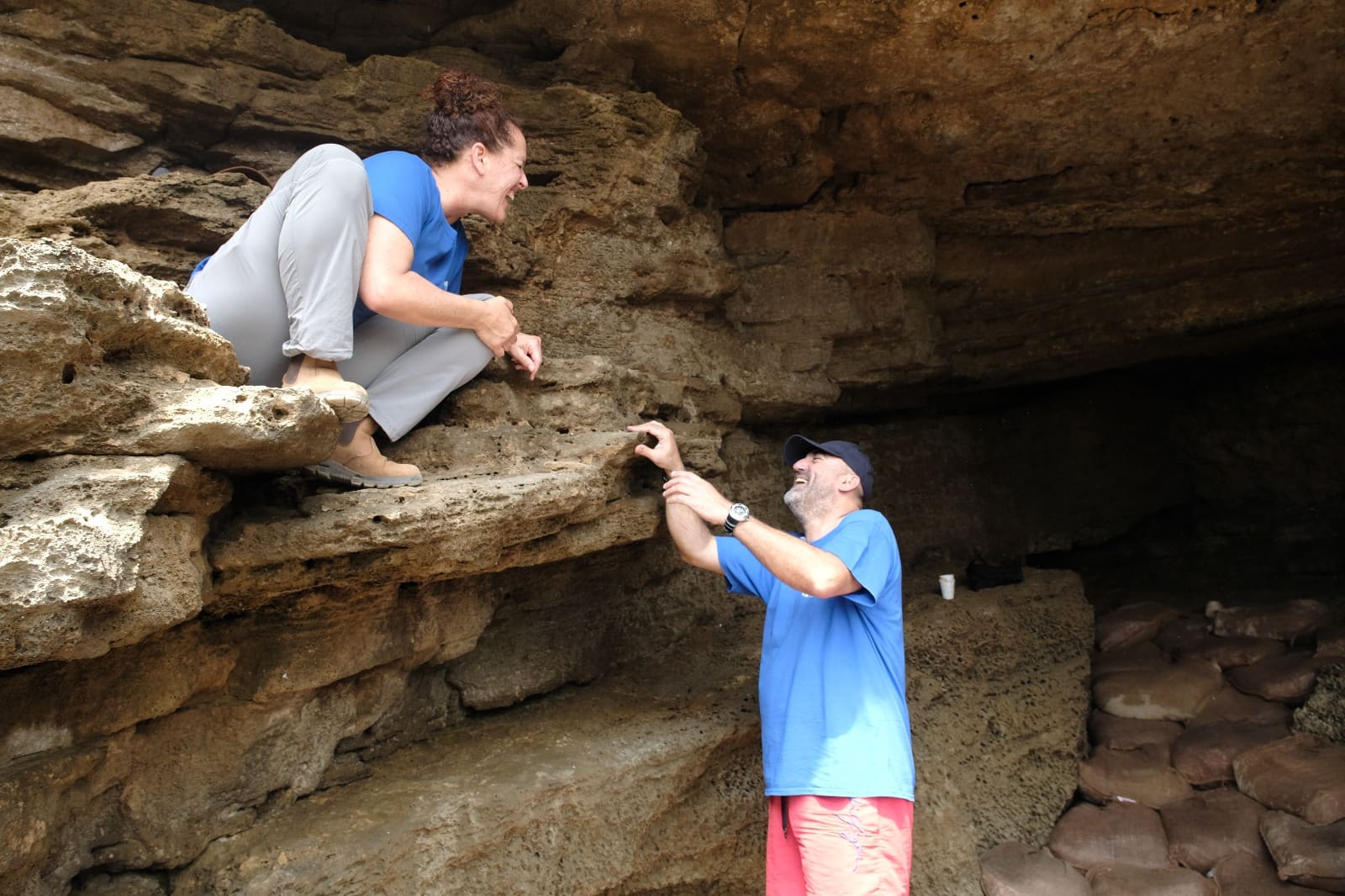
Dr. Mia Elser, coordinator of the Delphis seal project, said that Cyprus is a clear success story in this field: Until recently, seals were absent from there as well, but today researchers have identified about 20 different individuals. According to her, in preparation for the restoration of the large cave at Rosh Hanikra and at the end of the bureaucratic process of obtaining the necessary permit, the contractor, Bar Sevis Yam, was brought to Cyprus to see for himself the optimal characteristics of a litter cave, such as conditions for violations, the degree of shading, and slopes. Dr. Elser added that in one of the caves they visited, the entrance was so narrow that she immediately thought of the small caves she has been monitoring at Rosh Hanikra since 2015, and although no seal was seen in the tens of thousands of images she scanned, the visit revealed that two litters had already been documented in a very similar cave in Cyprus.
Especially in complex times – a bridge instead of walls
Rafaela Babish, Co-CEO at Delphis and leader in the field of education At the organization, she noted that the workshop was supposed to take place last year but was postponed due to the security situation. "Given the war with Iran, the uncertainty and the difficulty of maintaining regional cooperation at a time when Israel is also facing boycotts in the international arena, it was not clear whether we would be able to implement the workshop. But we succeeded. Precisely at a time when it seems easier to build walls, we managed to build a bridge," said Babish. According to her, the mission is to prepare the ground today, not only through habitat restoration, but also through education, partnerships and public involvement, in order to raise a generation that will see the protection of marine mammals as an integral part of the future of the Mediterranean.
Regional Vision: Israel as a Knowledge and Research Center for Seal Conservation
Dr. Aviad Sheinin, Co-CEO of Delphis and Head of the Superpredators Division at the Morris Kahn Marine Research Station at the University of Haifa, emphasized that the goal is not just to restore one cave, but to make Israel a regional center of knowledge, research, education and outreach on the subject of the Mediterranean monk seal. "Seals do not recognize borders, and therefore our responsibility must also be shared on an international scale," said Dr. Sheinin.
Gilad Shadmon, Director General of the Ministry of Regional Cooperation, He added that the project is a prime example of how shared environmental and scientific interests can create professional and human bridges, even in complex times. He said that the restoration of the birthing cave in Rosh HaNikra is a critical step in saving a rare species and evidence that the future of the region is built through long-term partnerships.
Cypriot-Israeli cooperation and a look at other countries
A statement issued by the Cyprus Monk Seal Monitoring Team at the Cypriot Ministry of Agriculture stated that monk seal conservation can only be strengthened through cooperation, knowledge exchange and mutual trust. They said that the workshop marks the beginning of an important partnership between Cyprus seal experts and the Delphis Association, and lays the foundations for coordinated conservation efforts across the Eastern Mediterranean.
The Cypriot representatives noted that they were happy to share their experience, including a presentation of the restoration work of seal breeding and resting caves, which is being carried out as part of the EU LIFE ADAPTS project. At the same time, the Delphis team met with representatives of the Enalia Physis organization to discuss educational cooperation between the countries, with the possibility of expanding it to Malta and Albania.
What do you do when you see a seal?
The Delphis Association reminds the public that in the event of an encounter with a seal, it is important to keep your distance, keep curious people and dogs away from the area, take photos and report immediately to the association on the dedicated website www.delphis.ngo/reporting or to the Nature and Parks Authority hotline at *3639.
These guidelines were also discussed during the workshop in Cyprus, which emphasized the importance of informing the general public about the correct rules of conduct when encountering seals, as an integral part of conservation efforts for the rare species.