


(haipo) – In recent weeks, several streets in the city of Haifa have been exposed as having been severely neglected in terms of cleanliness, and in some cases, safety deficiencies have even been found. The municipality, it seems, tends to clean up quickly when it comes to urban areas, but when it comes to private land, it tends to avoid intervention, even if it is a sanitary hazard. However, now a particularly disturbing question arises: What happens when the dirt is on the municipality’s own property? Does the municipality act with the same degree of responsibility towards its own properties?
The stairs adjacent to the Engineering Directorate building – a hotbed of urban pollution
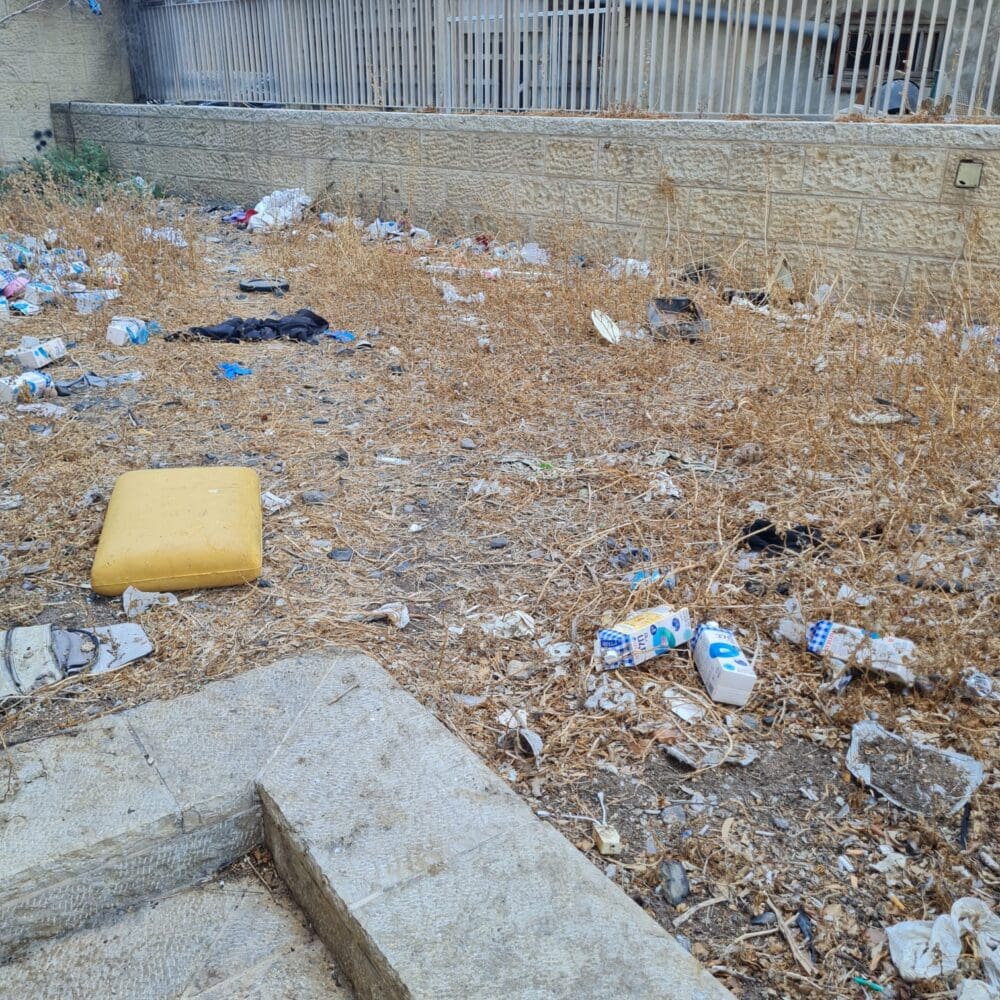
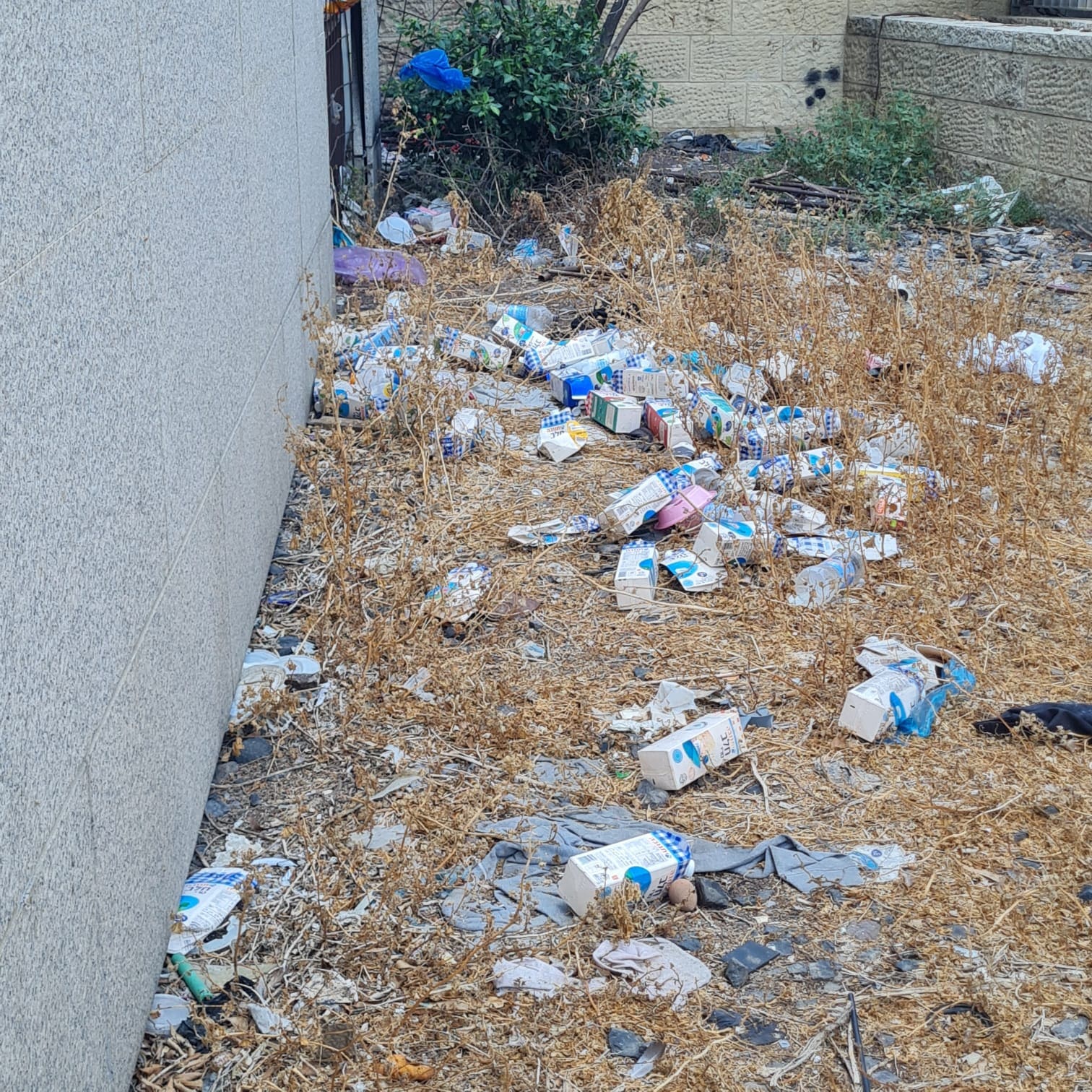
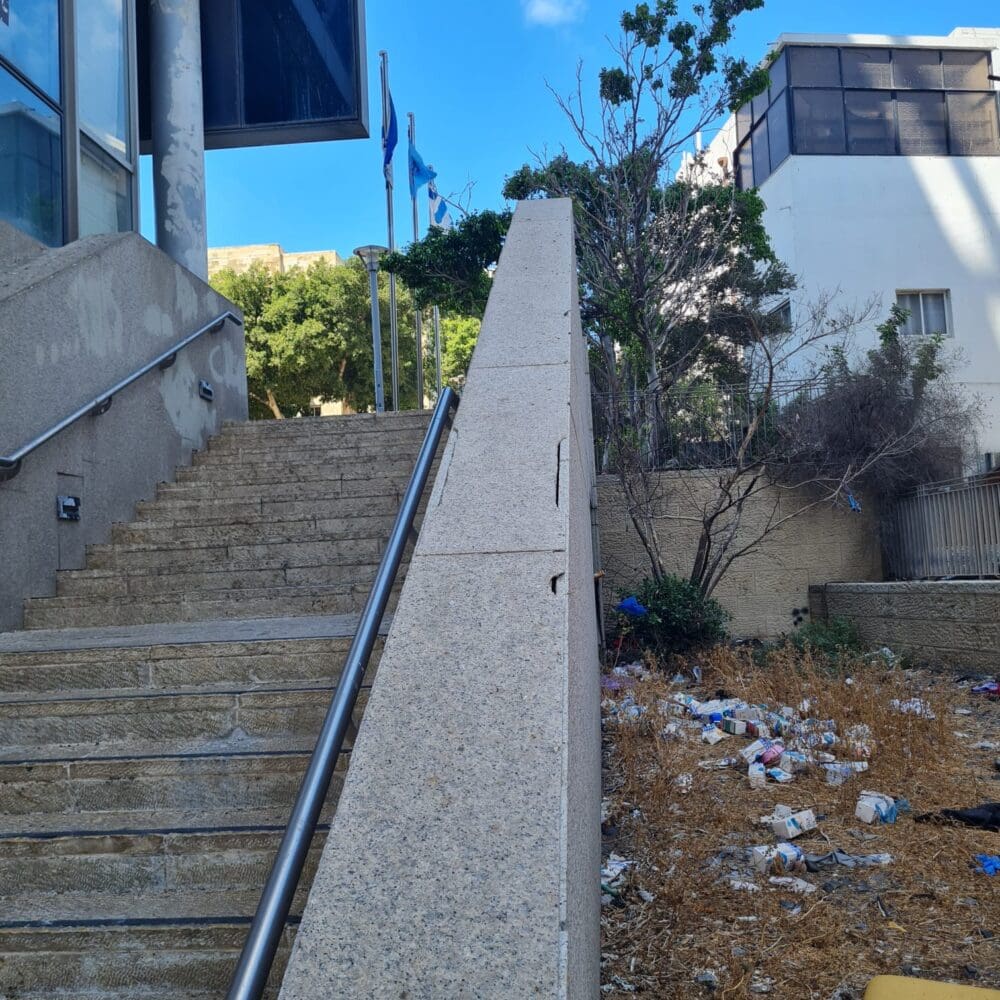
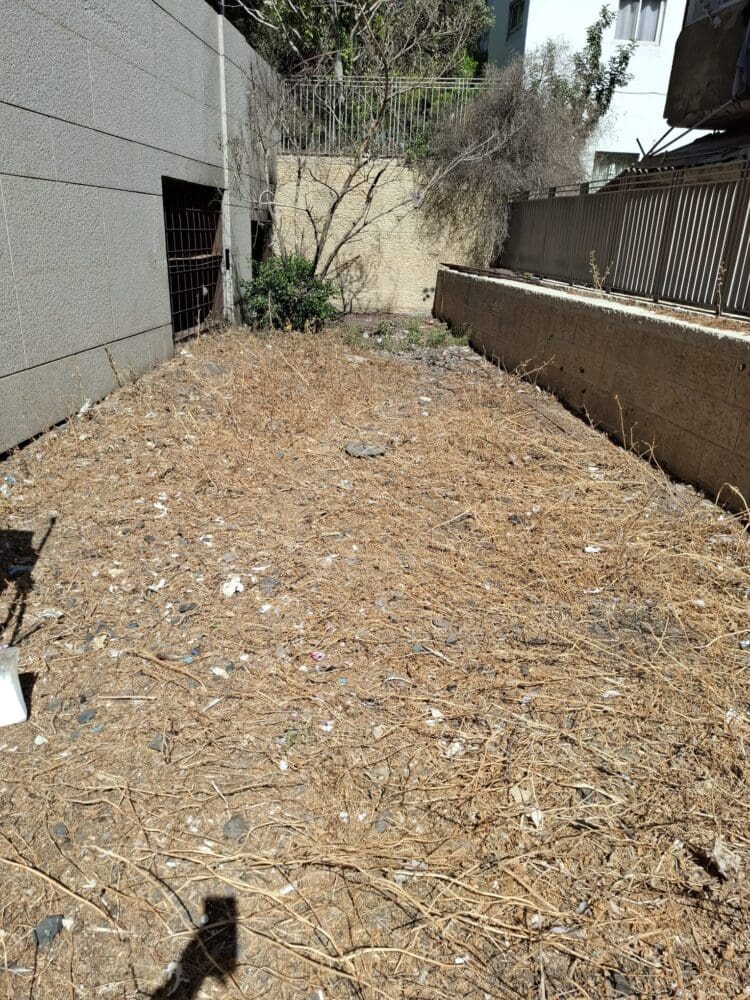
Residents contacted the "Hai Pa" system following the particularly poor maintenance condition of the public stairs adjacent to the municipality's engineering director's building, between Bialik Street and Shapira Street. Access to the stairs is from the north side of the square at the entrance to the building on Bialik Street, and the descent to Shapira Street is near the municipality's parking lot. This is a distinctly urban area, but the sight on the ground was shocking: dozens of empty milk cartons, plastic bags, food scraps and waste of all kinds. The municipality recently cleaned the stairs adjacent to the engineering director's building.
Angry residents: "Shame on the municipality – this is not a dump"
One of the residents who came to the scene described his feelings: "The front yard of the municipality itself looks like a dump. It's the stairs adjacent to the municipality's engineering building, and on the municipality's own lot, not private or enclosed. This is supposed to be a garden adjacent to the engineering building, not a waste site. Shame on the city that the municipality building itself looks like this. Why should we complain about the cleanliness of the streets, if the municipality itself is as dirty and polluted as a building in the third world." As mentioned, the municipality recently cleaned the stairs adjacent to the engineering director's building.
Personal and public responsibility for cleaning the city
Cleanliness in the city does not depend only on the municipality, but also on the personal responsibility of each resident. Residents who wish to live in a clean city must maintain cleanliness in their surroundings, but also expect that the urban area will be tidy. When a resident discovers dirt on a neighbor's or the municipality's property, he can call 106 or ask the neighbor to clean it up. The problem begins when the municipality claims that the dirt is on private property, and the owner of the property refuses to clean it up.
Private areas – should the municipality intervene?
There is another angle to the problem: Is it right for the municipality to waste resources on cleaning private areas? City residents pay property taxes, and this money is intended for municipal services, not for cleaning private yards. Each resident is responsible for his own area, and if he does not clean it and harms the environment, it may be more appropriate to impose a fine on him, which will force him to clean the area himself, rather than wasting municipal resources on cleaning that is not the direct responsibility of the municipality.
Sanitary hazards in private areas – residents facing a broken gutter
When the sanitary hazard is located on private property, but affects other residents, the situation becomes complex. Residents report flowing sewage, strong odors, and garbage accumulating near their homes, but the municipality does not intervene on the grounds that it is private property. In such cases, even if the hazard is right next to a resident's bedroom window, they find themselves helpless in the face of a dysfunctional municipal system.
The need for a clear policy – when does the municipality intervene?
The current situation indicates the need for a clear municipal policy: When does the municipality intervene in cleaning up private land? Are there clear criteria? Is there a scale of severity of hazards? Residents are demanding that the municipality publish a transparent policy that clarifies when it acts, under what conditions, and what options are available to residents affected by sanitary hazards.
Environmental quality – not just a matter of laws, but of culture
Environmental quality consists of several factors: cleanliness, order, maintenance, environmental education, enforcement, and so on. But beyond laws and regulations, it is also about urban culture. If each of us maintains a clean environment, we will live in a more orderly and pleasant city. Residents are calling on the municipality to lead the change, not only through regulations, but also through personal example, education, and outreach.
The public demands change – not just a response to threats
The public is no longer satisfied with responding to hazards; it is demanding systemic change. Residents want to see a comprehensive municipal plan for cleanliness, which would include ongoing supervision, rapid response to hazards, enforcement in private areas, environmental education, and a personal example from the municipality. They point out that the cleanliness of the city is not only an aesthetic matter, but also a matter of health, quality of life, and trust in the system.
Municipality: The area was immediately cleaned by us
The municipality responded by saying that the area was immediately cleaned by the municipality, which instructed the maintenance company responsible for the building to ensure that the place is kept clean on an ongoing basis. "Proper maintenance of public building courtyards is part of municipal standards, and we expect all parties to act accordingly."
Did the article interest you?
There are inspectors for the municipality, for some reason they are divided by subject, parking inspectors work very hard, and inspectors whose job is to ensure the cleanliness of the city are apparently lacking.
You ask a question and it will be answered — what do one-liter milk cartons in large quantities indicate and from which floor were they thrown?!
From the engineer's office or his deputy?
According to Israeli law, local authorities are prohibited from carrying out cleaning operations in private areas.
If we want the municipality to also take care of private areas, it will be necessary to double or triple the amount of the levy...
What a poor management! The municipality shouldn't have to clean up after being embarrassed. Regular maintenance is a concept that doesn't exist here.