



For the first time in Israel, Clalit is embarking on a large-scale initiative to identify women at increased risk of breast cancer. As part of the program, approximately 1.2 million women aged 25-74 will receive a personal digital request to fill out a risk assessment questionnaire, designed to identify personal risk factors at an early stage and tailor each woman to the medical examination and follow-up required for her.
The initiative seeks to identify women who may need tailored surveillance even before age 50, the age at which the national mammography screening program begins. The questionnaire will allow for an assessment of personal risk levels even among women who are not experiencing symptoms and are unaware that their family or medical history may warrant different surveillance than usual.
Personal risk assessment even without symptoms
The digital questionnaire developed by Clalit allows for a risk assessment based on personal, genetic, and family data. After completing the questionnaire, each respondent will receive personalized recommendations, which will also be transferred to their medical file.
The questionnaire includes questions regarding personal medical history, family history of cancer, known genetic carrier status, hormonal factors, and lifestyle characteristics. The data will be processed using the AI-PRO system, which was developed by Clalit based on medical knowledge and research.
"Look at each woman individually"
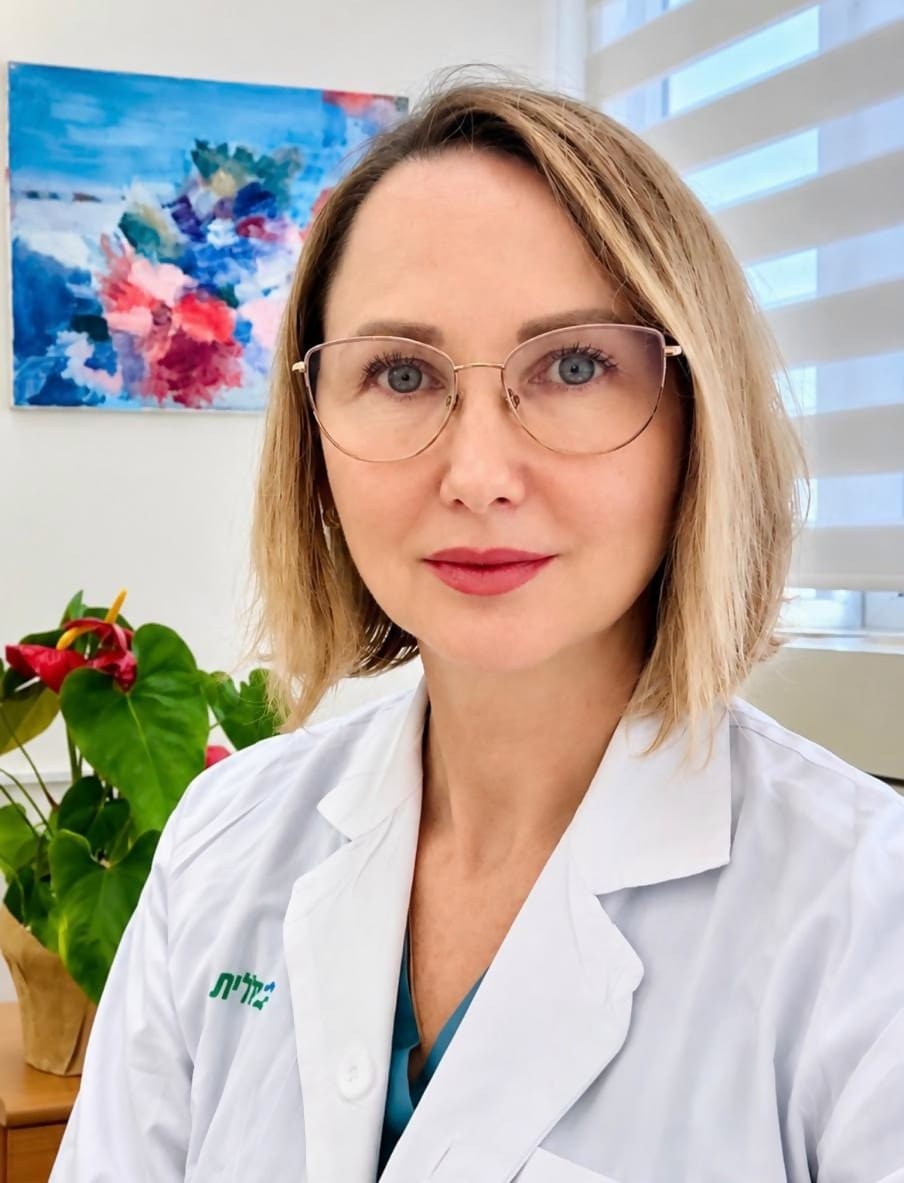
According to Dr. Tatiana Dorfman, breast surgeon and director of the Breast Health Institute at the Lin Specialist Center in Klalit, Haifa District and Western Galilee and Director of the Breast Surgery Department at Carmel HospitalThere are women who need individual attention beyond the standard screening recommendations based on age.
"A family history of breast or ovarian cancer, carriers of genetic mutations, and other risk factors may affect medical recommendations regarding surveillance and prevention. The importance of this move is that it allows us to look at each woman individually, and not just settle for general recommendations. Early identification of risk factors and referral for appropriate counseling can help make informed medical decisions and tailor surveillance to each woman's needs," she said.
From responsive medicine to proactive medicine

Dr. Lihi Eisen, Clinical Director of AI-PRO in the Artificial Intelligence-Based Medicine Department at Clalit, She explains that the move reflects a change in perspective in preventive medicine: "We do not wait for the patient to seek medical attention or reach the age of screening, but rather act proactively to identify risk factors. Combining personal risk assessment and making recommendations available to the treating physician allows for the promotion of personalized medicine on a broad scale and assists in the prevention of morbidity and early detection," she said.
She also emphasized that a recommendation to see a breast surgeon does not necessarily indicate suspicion of disease and does not require an urgent appointment, but is intended to examine risk factors and adjust the medical follow-up plan.
What recommendations might be made?
After completing the questionnaire, each woman will receive a personalized recommendation based on her risk profile. Recommendations may include:
- Continue to perform routine screening tests.
- Examining the need for mammograms at an earlier age or more frequently.
- Consultation with a breast surgeon.
- Referral for oncogenetic counseling.
- Examining the need for genetic testing for BRCA1 and BRCA2 mutations.
Collaboration with the "One of Nine" Association
The questionnaire was developed and clinically validated at the initiative of the "One of Nine" association and in collaboration with Clalit.
Tali Rozin, CEO of the association, She defined the move as "a significant milestone in promoting women's health." According to her, this is the first time that a health organization in Israel has initiated a large-scale outreach to women who are not included in the regular screening program for early detection of breast cancer.
The information will also reach family doctors.
One of the key components of the initiative is the integration of the questionnaire results into Clalit's medical systems. The results of the risk assessment and recommendations will be available to family physicians through the AI-PRO system, and in cases where further investigation is required, the treating physician will receive a summary document that will assist in decision-making and adjusting medical follow-up.
Israeli development within Clalit
The system, questionnaire, and intervention tools were developed within Clalit in collaboration with the Innovation, Digital, and Community divisions. Filling out the questionnaire will be possible through secure identification, while maintaining the privacy of medical information.
Important Information
The questionnaire is intended for assessing risk factors and for guidance on further investigation and follow-up only. It is not intended to diagnose breast cancer, does not replace medical examination or advice, and does not change the recommendations for routine screening tests. In the event of the appearance of a symptom or suspicious change in the breast, a medical examination should be sought regardless of the completion of the questionnaire or its results.