


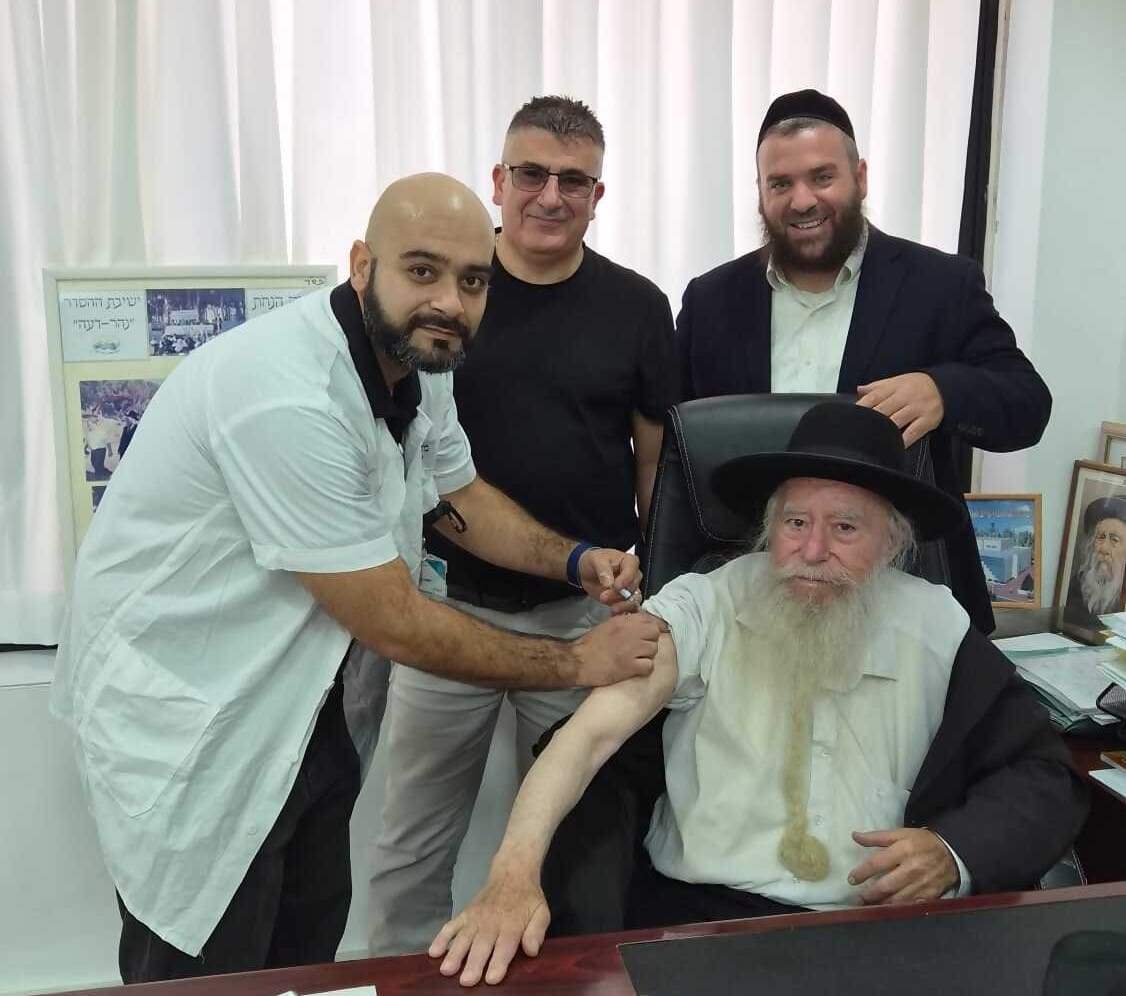
In preparation for the winter season and the expected increase in morbidity, Rabbi Yeshayahu Maitlis and Sheikh M'Wafek Tarif joined Clalit's information campaign in the Haifa and Western Galilee districts, and were vaccinated against the flu to encourage the public to maintain their health.
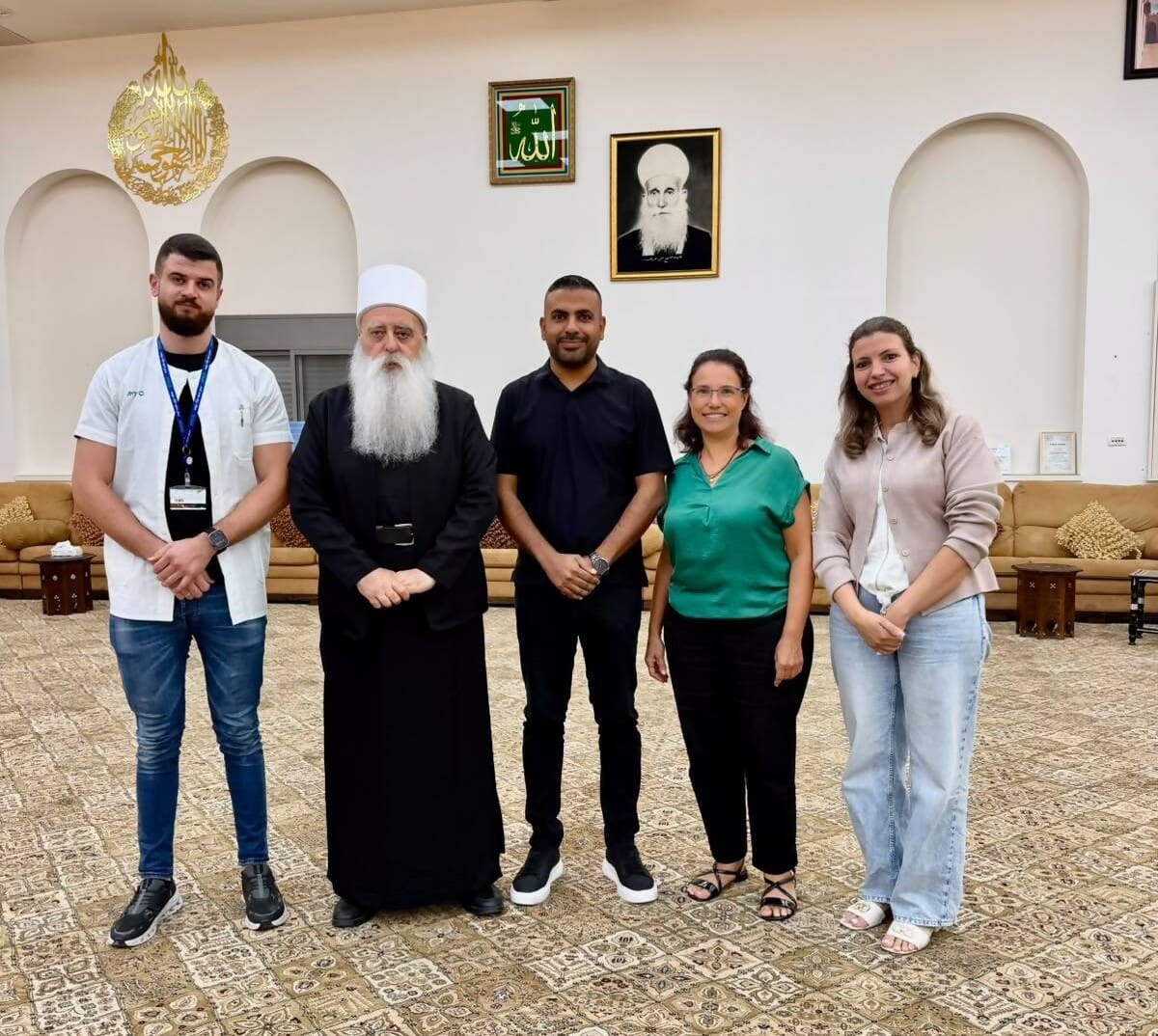
Ahead of the winter season, and in light of the expected increase in flu cases, Clalit Haifa and Western Galilee District is leading an educational campaign to encourage vaccination among the public. The initiative was joined by two prominent spiritual leaders in the north: Rabbi Yeshayahu Maitlis, rabbi of Nahariya, and Sheikh Mwafaq Tarif, spiritual leader of the Druze community in Israel, who chose to get vaccinated themselves and call on the public to act responsibly.
As part of the initiative, Clalit medical teams came to the two men's offices and vaccinated them against the flu. The religious leaders' mobilization was intended to convey a message of personal and community responsibility, and to emphasize the importance of preventive medicine ahead of the winter months.
A personal example for the health of the community
In general, collaboration with religious leaders is seen as a way to reach diverse communities and raise awareness of the importance of vaccination. Spiritual and community leaders have a significant influence on the public, and their choice to get vaccinated may encourage other people to make a similar decision and take action to protect their health and the health of those around them.
Who is recommended to get vaccinated?
In general, it is emphasized that the flu vaccine helps reduce the risk of serious illness and complications associated with the disease. The vaccine is recommended for the entire population from the age of six months and older, and is especially important for groups at increased risk of flu complications: people aged 65 and older, pregnant women, young children and people dealing with chronic diseases or with suppressed immune systems.
The message of the initiative is clear: As winter approaches, vaccination is a step of personal responsibility, but also a way to protect family members and the entire community.