


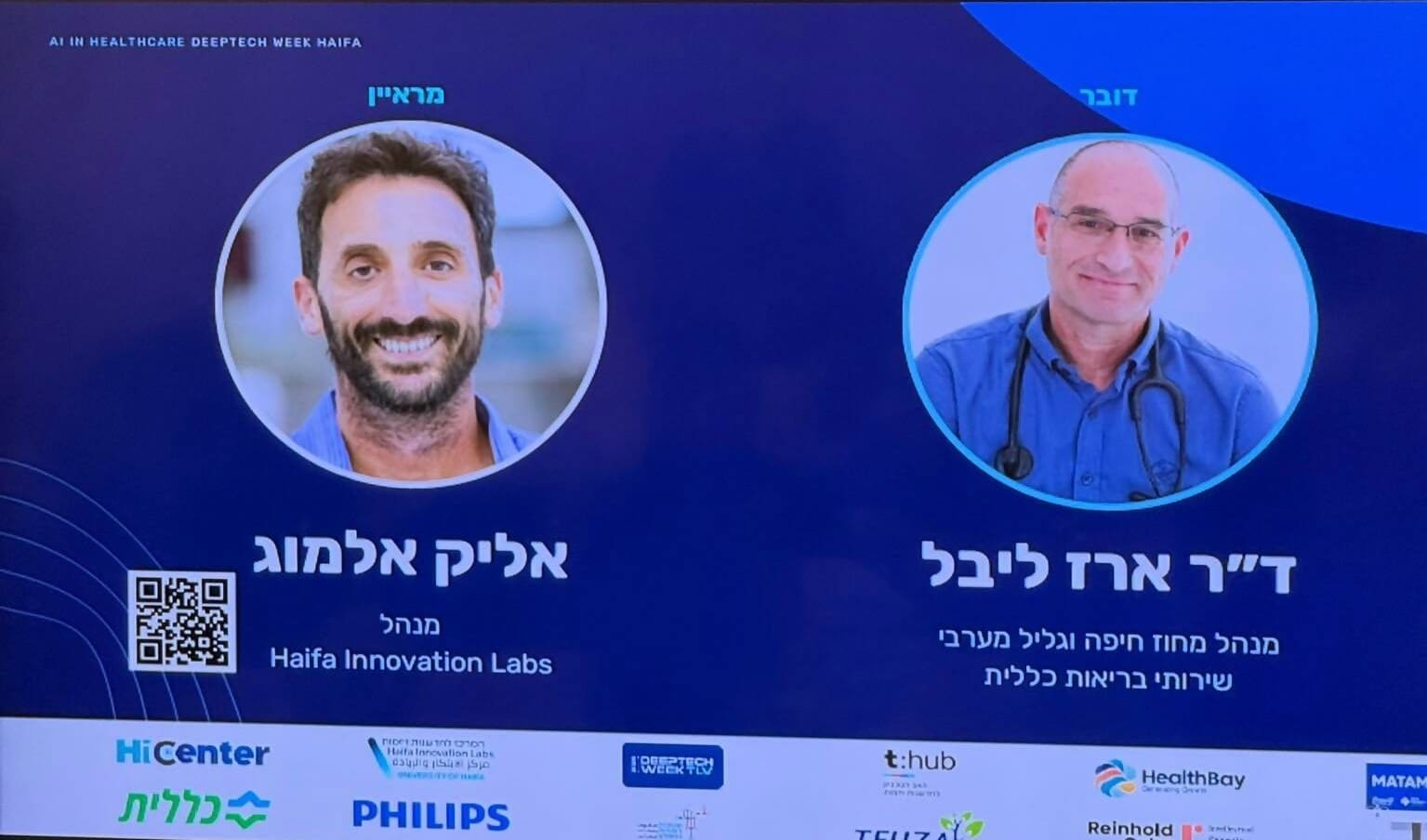
How can artificial intelligence help doctors identify medical problems before patients even visit the clinic? Dr. Erez Liebel, Director of the Haifa and Western Galilee District at Klalit, presented at an innovation conference held at Matam Park in Haifa the AI PRO system, which analyzes millions of medical files and assists in the early detection of risks and the adjustment of treatment.
The conference, titled AI in Healthcare: The Next Frontier, took place as part of the national innovation week DeepTech Week TLV 2026, between November 15 and 19, 2026. The event was held at the Tech&Talk complex in Matam Park, with the participation of senior figures from the worlds of medicine and technology, including representatives from IBM and Philips.
Innovation Week included more than 40 events across the country, with the participation of over 3,100 participants and more than 170 speakers, and focused on connecting technological developments with practical applications.
A system that detects risks before deterioration occurs
At the event center in Haifa, a conversation was held with Dr. Erez Liebel, director of the Haifa and Western Galilee district at Clalit and an expert in family medicine, who discussed the integration of artificial intelligence in community medicine and the presentation of Clalit's AI PRO system.
The system analyzes millions of medical records every night, identifies health risks and gaps in treatment, and presents recommendations to doctors for proactive intervention. It can be used to identify patients who may need tests, medical follow-up, or treatment adjustments, even if they did not go to the clinic themselves.
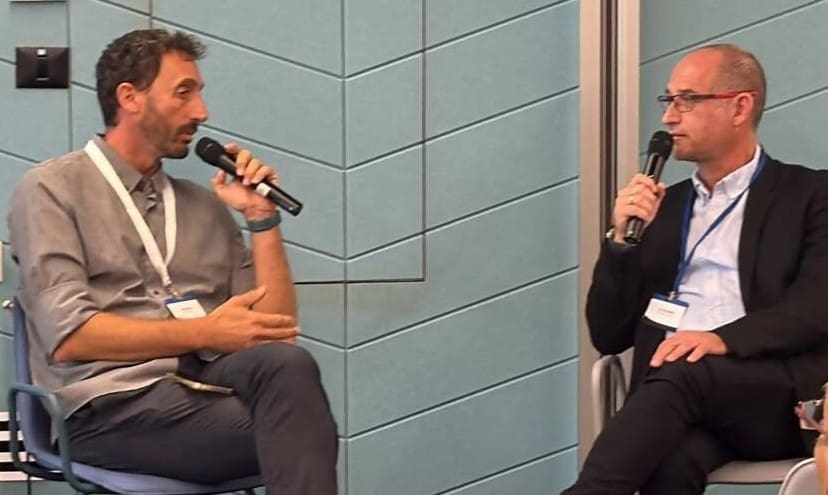
Technology helps, the decision remains with the doctor
During the conference, it was emphasized that artificial intelligence is not intended to replace the doctor, but to serve as an aid to making medical decisions. The system provides information and recommendations, but it is the doctor who examines them and decides on further treatment according to the patient's condition and needs.
Dr. Liebel said at the conference that the use of technology makes it possible to move from an approach that waits for the patient to contact him, to a proactive approach that identifies risks at an earlier stage and allows action to be taken to prevent deterioration.
He said that alongside technological capabilities, medical judgment and the personal relationship between doctor and patient remain central components of care. He said that true innovation is not just in developing advanced technology, but in the ability to use it to improve medical care.