


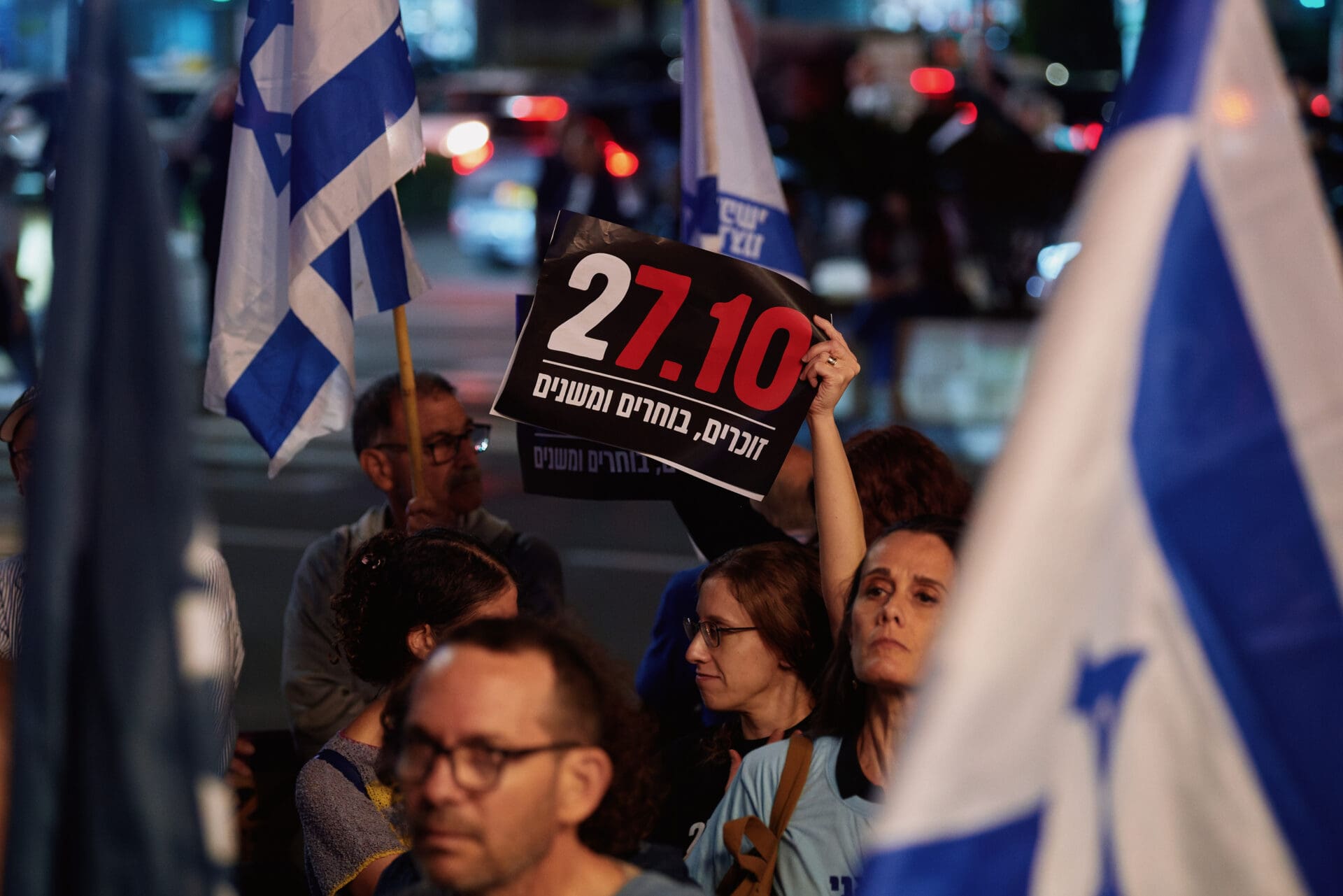
We got a day off at the state's expense. Again, we screwed up the system! Really?
In the last elections, 41.44% of eligible voters in Haifa, Krayot, and Tirat Carmel did not vote. After years of wars, missiles, air pollution, and unfulfilled promises, the time has come for soul-searching. Not just for Israeli governments, but for ours as well.
* Editor's note: Approximately 40 votes are one mandate.
On Tuesday, October 27, the Knesset elections will be held. A Sabbath day. You can go to the Sea of Galilee, go to the beach, or stay in bed. The politicians will continue to argue, the parties will continue to promise, and we have earned a day off. But if we don't go to vote, we will pay for this day off, with compound interest and with the best of our children.
In the 2022 elections, in Haifa, Kiryat Ata, Kiryat Bialik, Kiryat Motzkin, Kiryat Yam and Tirat Carmel, 182,000 eligible voters did not vote.
I say again, pay attention: One hundred and eighty-two thousand people! The voter turnout in the Haifa area was only 58.56%, compared to 70.63% in the entire country. So you say, Are we out of our minds?
An entire country compressed into one city
Haifa is Israel in miniature. Jews and Arabs, Armenians, Messianic Jews and Muslims, Christians and Baha'is, religious and secular, young and old, veterans and immigrants. Sea and ports, trains and an airport, heavy industry, hospitals and universities, mountains, forests and valleys. A city that demonstrates every day how it is possible to live together.
But a city that also illustrates what happens when serious problems remain unanswered:
Petrochemical facilities, fuel depots, neighborhoods bordering dense forest, old buildings without protection and an elderly population that has difficulty reaching protected areas during a war, when the main threat is to the north. The fire and rescue organization ranked Haifa and Kiryat Tivon as the most dangerous cities in the country, and the state comptroller found deficiencies in preparedness. Add to this a country with a government that manages 7 combat fronts, including a very large one in the north, and you get the result of government policy. In Arabic, it is called fauda. There is also a word for it in Russian.
Leave politics aside for a moment. The vote is about our lives in Haifa.
National security, IDF conscription, the burden of the reserves, the economy, and the future of democracy are weighty national issues. In Haifa alone, there are about 14 reserve service members. Behind this number are families, jobs, and children waiting for their parents.
But let's be egotistical for a moment. Simply egotistical: Haifa is not a periphery that asks for favors from the state. It is one of the cities on whose shoulders the state leans more than any other city! How many ports are there in Jerusalem? How many universities are there in Ashdod? Haifa produces, exports, researches, heals, develops and protects. And precisely because of this, the question of what it receives in return, in security, protection, infrastructure, health and quality of life, is not just a local question. It is a national question. Let's make it important! Who budgets for protection? Who determines the future of Haifa Bay? Who is responsible for disaster preparedness? These are human decisions, not fate. It's not that I don't have criticism of Yona Yahav. Oh my God, I do. But when we don't vote, we fail him and ourselves: There are things that are much bigger than the mayor, no matter how big a bulldozer he is (yes, even from Huldai). Go out and vote for the Knesset and choose a government.
But don't disturb the hypocrites from watching TV and complaining.
Let's admit it: we, the people of Haifa, are not exactly known for rushing to the barricades, even when there are very good reasons to do so.
At the demonstration in front of the BAZN this week, barely 20 people showed up. I was extremely pleased. It was photographed well, with the right lens that squeezes them in tightly for newspaper articles. But it didn't work out well in reality on the ground.
At the Saturday demonstrations in the center of Horev, sometimes several hundred people participate. A carnival in Haifa terms. 30 police officers, 5 members of the Yasm. Haifa is literally on fire. On the stormier days, even a few thousand people came.
The people of Haifa are not publicly involved. Period, exclamation point. Prove me otherwise.
And meanwhile, we are hijacking missiles and breathing benzene because of government policies that others chose for us.
And the complaints are endless: about air pollution, about infrastructure, about protection. In front of the television, in living room conversations and on social networks, we all have a strong opinion. But Leave the house? To participate in a public struggle? To demand answers? What an irresponsible demand on my part. We'll run into some jackal again.
Conduct of ""Well, that's it."
So what's the solution? Defeatism? Giving up? Shall we return to our father's house (Khushi) and, in the best of old Haifa tradition, turn off the lights and go to bed at seven in the evening? Is this the Haifa solution to every problem? Comfort?
In France, they are burning Paris over rising prices. We have no shortage of reasons to protest, but there is no need to imitate Paris, block roads, or burn tires to have a discussion about civic engagement. You just have to go out and vote!
We are trapped in a self-perpetuating cycle. The government does not provide a satisfactory response, the public is disappointed, trust is eroded, and engagement decreases. The distancing from the democratic process deepens the feeling of lack of influence, and next time it is easier to say that nothing will change. And this is precisely where the irony lies. It is a cycle that must be broken.
Since when did despair become a work plan?
The question is not whether it is permissible to be disappointed, angry, or abstain from voting. All of these are part of the freedom of the citizen. The question is how Vouchers The cycle of disappointment and lack of involvement, without absolving the government of responsibility and without placing all the blame on the public.
The country is us.
"The state abandoned." "The state didn't care." Sometimes the criticism is completely justified. But the state is not an abstract concept. The country is us.
Our children did not elect a government and did not set defense budgets. Still, they will live with the results. The polls close at 22:00 PM. The next government's decisions will accompany us for years, and we may all pay for wrong decisions with compound interest.
The responsibility for the failures of the past lies with the governments of Israel for generations. The responsibility for the future lies with us. Don't sit at home and don't go out for a walk before you go out to vote!
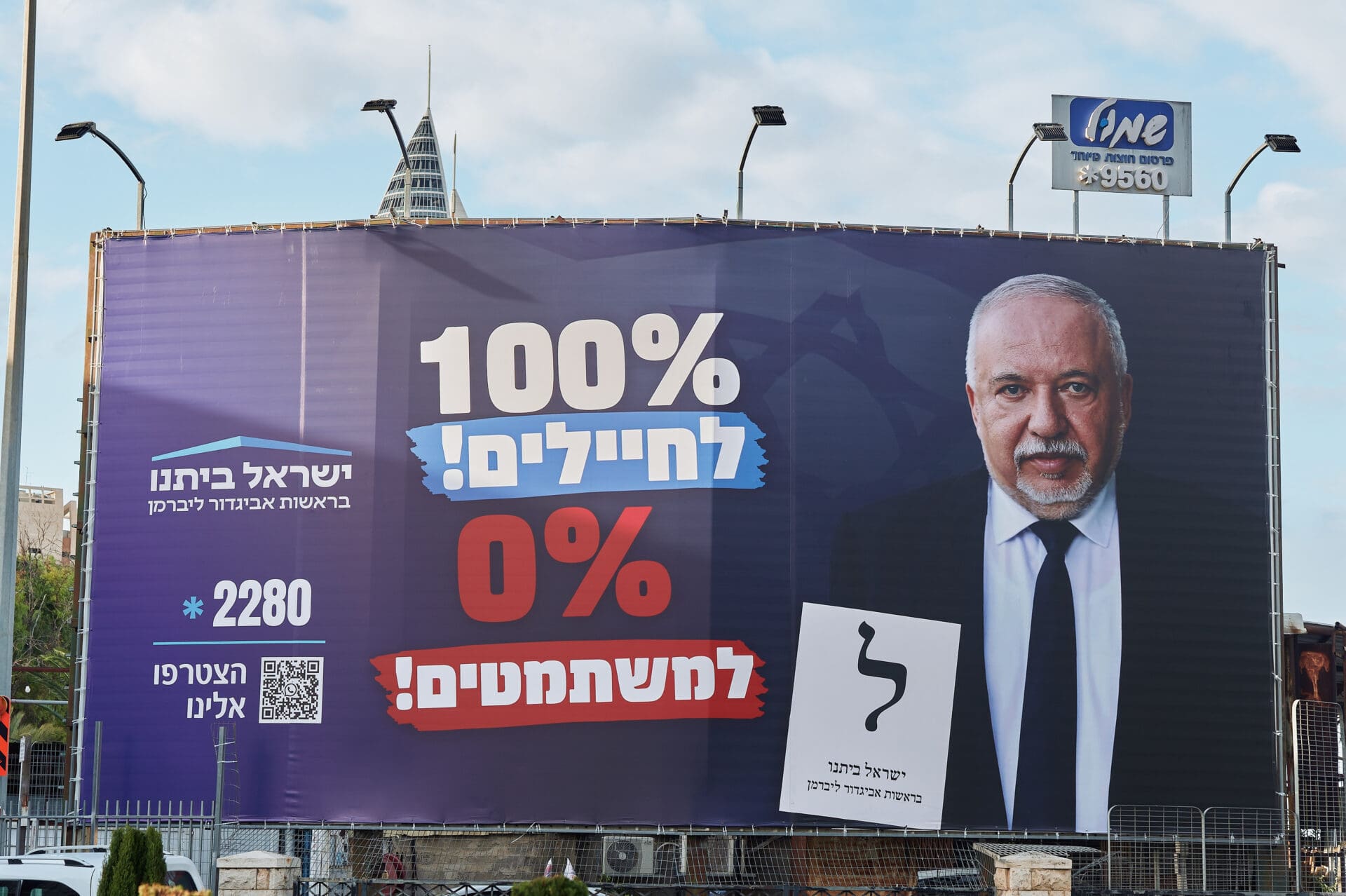
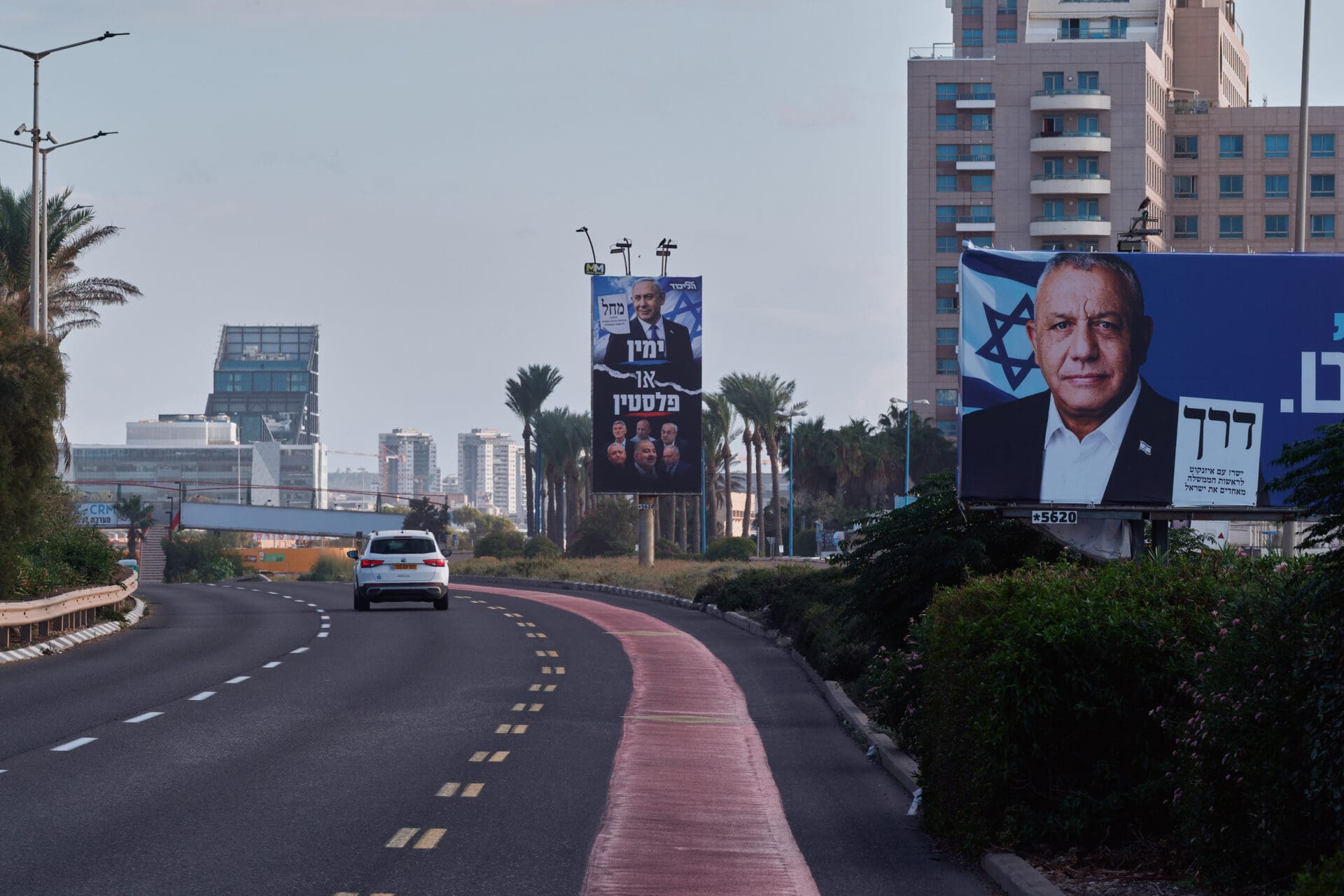
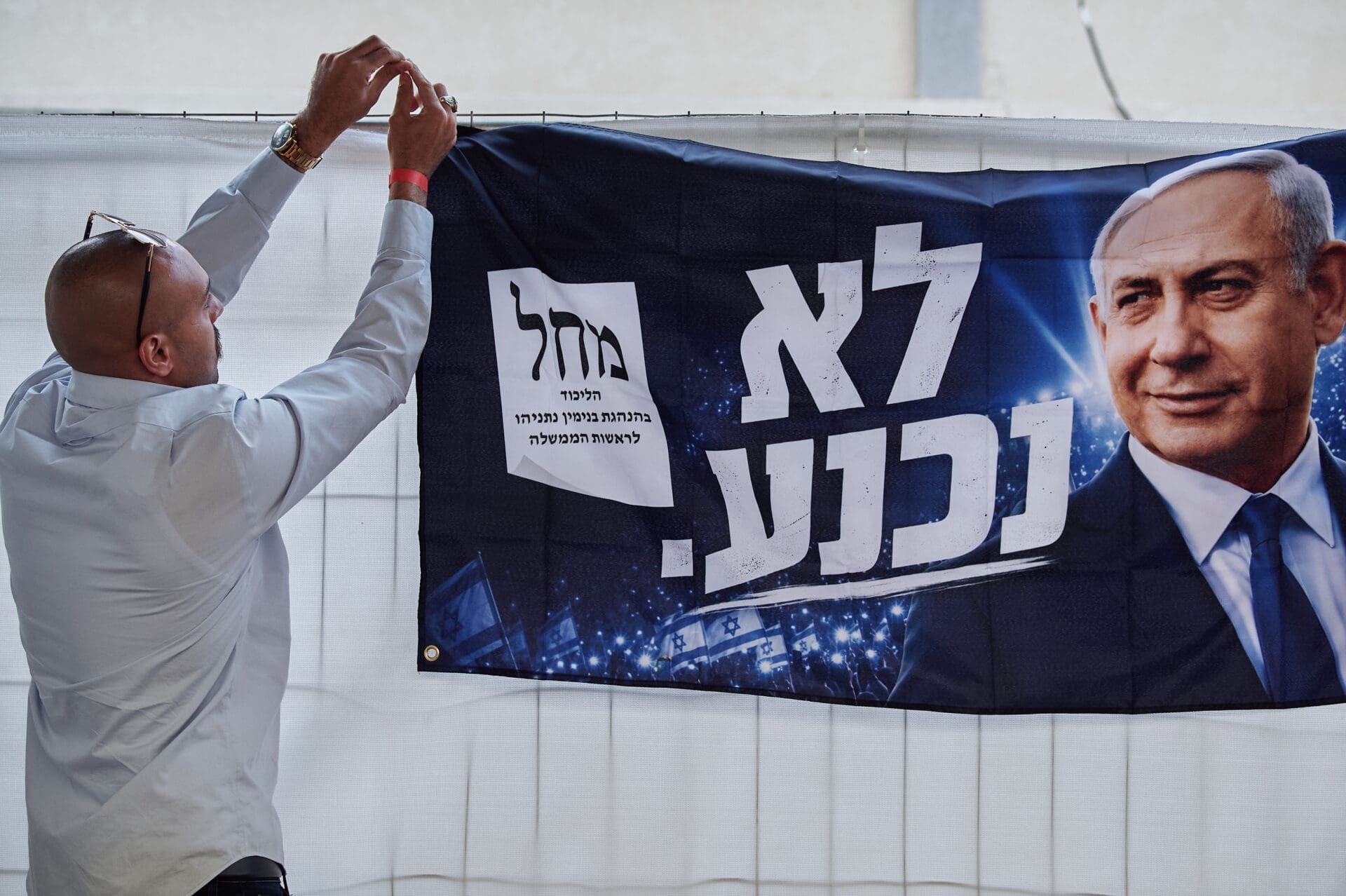
The keen-eyed will notice that it is precisely the man with a sectoral party who sat with Palestinian supporters Mansour Abbas, Walid Taha, and their other members in the previous government who receives the first and most prominent image on his election sign, and the rest just received a distant photo. The man who promised to change populations in the past in Wadi Ara, and who quite a few people believed in him, changed his views like a madman, and so, in my opinion, his promise in the picture here can be taken with limited liability.
Indeed, in Israel we do not have the privilege of not voting, and we also do not have the privilege of voting economically, even though it is rightly the black hole that hurts most of us - the cost of living.
In the Land of Israel, if it weren't enough that the countries around us would like Israel to be wiped out, we have serious regional and internal security problems, and the 7/10 and the Guardian of the Wall events illustrate the important need to elect a right-wing government in order to deter our enemies with all our might, otherwise the weak will increase their motivation to intensify the struggle and usurp our country.
Another thing to note is that the indifference to voting is not present in all groups, and almost all polls show a trend of "voter influx" to the parties of the Joint and Thunder, which in some cases reach 15 seats! (10 today) And how can the voters, most of whom are likely Zionists, show indifference to this event?
It's true that hundreds of thousands don't vote out of an understanding that the electoral system is a failure and a failure.
It doesn't matter which list you vote for, the main problem is the coalition system that creates an extortionate trade.
Mainly of the secular public facing extortionist sectors and also within the secular public, extortion by those with economic interests who control politicians like puppets and who immediately legislate according to their needs as soon as they are in the Knesset.
The elections are not fateful either – they keep saying that, but when parties don't pass the threshold, they take with them tens of thousands of votes that together could have been 5-6 seats. In other words, tens of thousands of people threw everyone into the failed electoral system because if there were clear blocs, a high threshold, or regional representatives, everyone would know exactly who they voted for and wouldn't vote for a party that doesn't pass the threshold or is swinging.
And what about the major parties? They hide within them a multitude of junior activists who change, who are inexperienced, who come and go, and who lack the seniority and continuity in legislative positions that are so needed. This means that two-thirds of the Knesset changes hands, an absurd and illusory situation that does not allow for functional continuity.
Voting is a farce. The electoral system and the right to vote need to be changed – immediately.
The fact that no party is talking about this because the corruption and lack of governance of the system are convenient for them = this is problem #1.
1. The floor is crooked, the protrusions are not straight, the ones to blame are the weather, the activists, the electricity, the chairman of the housing committee, and in short: Bezeq. Forget it, not every time a faucet breaks down, do they stop and wait for Binuy or TAMA to clear it, and not every time there is a bit of dirt in the yard, do they destroy the entire street. You can also start small.
Let's make sure that 98% of the public votes, then change the electoral system, the activists, and all the other sick people. In the meantime, people don't leave their homes to vote at all.
2. They once changed the electoral system to personal elections. What is this instinct? A prime minister who received an adversarial Knesset in which nothing can be moved. For every electoral system, there will be combinations.
3. "It doesn't matter who you vote for" is an incorrect statement, because some people do business to advance things and some people do business to cause damage. "Business" is politics. And politics is done to move things.
In my opinion, anyone who doesn't vote should have a day's work deducted from their pay.
This is not a day off, or a picnic.
If they pay for not voting, in freedom,
Or then they will want to vote.
A kind of traffic fine…!
Whoever does not vote will be flogged 120 times, once for every whip that enters the Knesset.
Come on, the problem with the electoral system is not the voter turnout.
Eyal, so let's wait...