


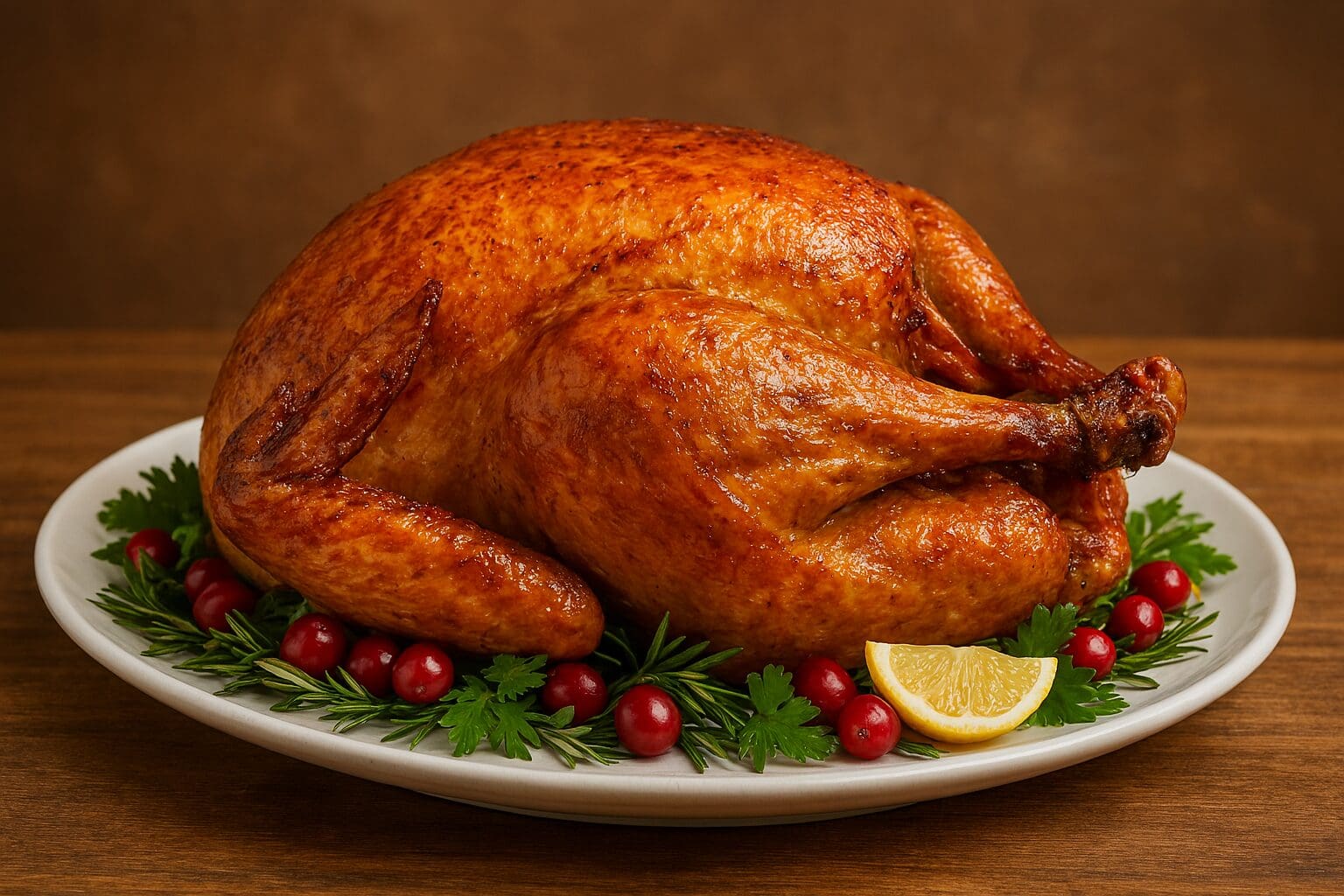
This story has no moral, and even less – but it is important..
In December 1986, Jean-Berle Bokassa found himself in the dock. The man was the former emperor of the Central African Republic, one of the poorest countries in Africa. This did not prevent him from marrying seventeen women who bore him fifty children.
Bokassa appeared at the trial in a fancy double-breasted suit. One of his cooks testified that he was asked to prepare a special meal for the emperor, from a human corpse stored in his cold storage room. Other witnesses said that after his ouster, residents broke into the house looking for their missing loved ones and found refrigerators filled with bodies and their parts.
Several survivors who said they were among children who threw stones at his Rolls-Royce in protest, Bokassa ordered his guards to beat them to death with clubs and he himself participated and crushed the skulls of five children with his carved wooden walking stick.
Emperor Bokassa has accumulated a disgusting number of offenses, and the story is not intended to summarize the life of this human animal. The intention, perhaps a mistake, was to show how food was born in two different ways, all according to education and habits. The less we know about the way the food that comes to our mouths arrives and is prepared, the better. My apologies to anyone who is still reading.
The elders cultivated the farm in Wadi Roshmiya in Haifa and looked for other ways to make a living. Several coops were built in which turkey chicks were raised. It was not possible to buy chicks in an organized manner because the market was limited only to registered breeders. For a few more cents, you could buy an unlimited amount of chicks, knowing that breaking the cartel was a crime. Our elderly partisans do not understand crimes, their expertise is in their actions. After a few breedings and sales that brought in nice profits, Hannah, my wife, wanted to try her hand at breeding, we'll manage, it'll be fine.
We bought four hundred cute little chicks in February 1967. Winter was coming to an end, and the coops were well covered and the stoves were kept on day and night until the little ones grew up and stood on their own feet. Each stage of the treatment required drops and injections against diseases, with the aim of bringing the birds to the desired weight, healthy and, above all, alive. The work was hard and arduous. Hannah, my wife, handled all the rearing herself. Some of the chicks did not survive the winter, but most of them developed beautifully and grew to be magnificent and began to look like turkeys.
One night I came to visit and smoke was rising from the farm. A terrible smell filled the air. It soon became clear that a serious disease had attacked the chicken coop and most of the birds died in agony. To save the remaining survivors, the sick and dying were thrown into a fire burning inside a barrel. The sight was heartbreaking and a drain on the pocketbook. Even those who raise poultry for slaughter did not enjoy seeing such a sight, and beyond the suffering of the animals, a lot of money was invested in raising them, most of which went down the drain and went up in flames.
After a while, the strongest ones that survived gained weight and were ready for sale. To my bad luck, and perhaps actually to my good, I was in Haifa on the night of the sale. Early in the morning, right at dawn, everyone was already on their feet. A special truck and a red-haired driver wearing a kippah arrived at the farm, and its cargo box was divided into several floors with wooden pallets, which served as shelves.
The red-headed man wearing the kippah lowered a large weight and placed a box on it, the weight of which was taken into account. The birds were forced by their feet next to the box and thrown into the box. The weight of every five birds was recorded by subtracting the weight of the box. The red-headed man grabbed each bird by its feet and threw it towards the truck that was about five meters away from him. When the first gap was filled, they moved on to the second. The red-headed man wearing the kippah threw the birds with great force, and more than once the head hit the side of the truck and the large body of the Indian rooster continued to fly without him.
Some of the birds thus ended their wonderful season on the farm, which included pampering, spa, medical care, and plenty of non-spray vegetarian food. The roosters were not at ease. They must have understood exactly the path of life they were being led to.
That morning I informed Hannah that we would stop making money from such businesses immediately. It was our first and last attempt. The redhead wearing a kippah continued to chop off heads and then drove to Tel Aviv to a kosher slaughterhouse, with some of the birds already dead for hours. So what happens on a hot summer day, in an open truck without refrigeration. I am not an expert in kashrut laws, but I assume that those who do the work know very well. Now it is clear to my many friends why I am a vegetarian? So enjoy your meal!

The garden made the enormous profits from the coop. The poultry droppings were piled up in a large pile outside the coop. The plants around the coop would grow to monstrous proportions, up to three times their original size, and next to them the coop was empty and desolate, a remnant of our experience in business.
Did the article interest you?