


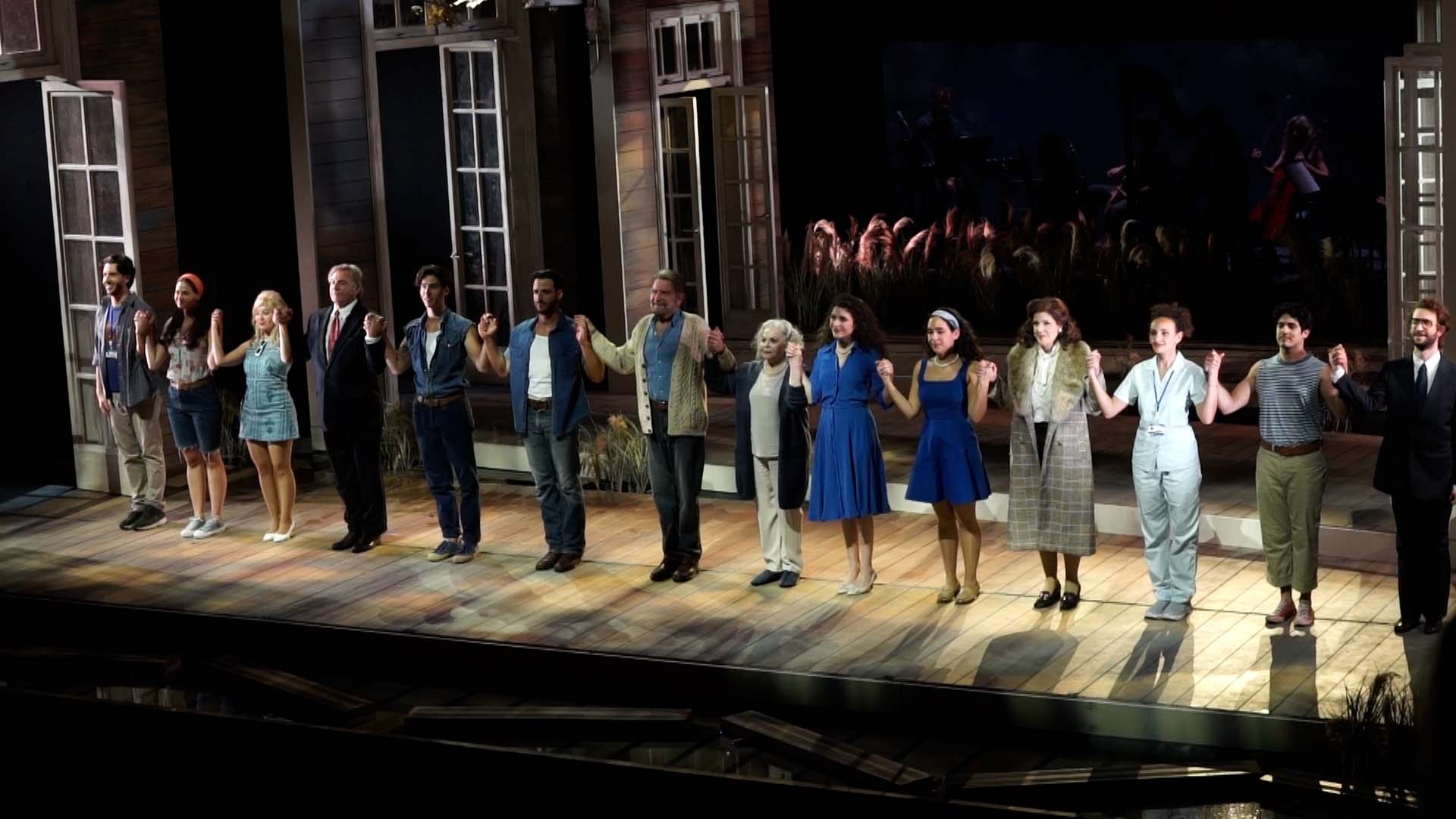
She forgot his name. He continued to read her their love story 💖 There are plays that a person watches, and there are plays that stay with him long after the curtain falls.
"The Diary", the new musical play being presented in its national premiere at the Haifa Theater, is precisely of the latter type. It is a rare work in its emotional intensity, one that manages to transform an entire theater hall into an intimate space of memory, longing, and love that does not yield to time.
Anyone looking for a deep, immersive, and truly moving theatrical evening, one that touches not only the heart but also the most hidden human fears, will find it difficult to remain indifferent to "The Diary."
On certain evenings, when the world momentarily slows down, the same quiet, heartbreaking image returns: an elderly man sits next to a woman he no longer recognizes, opening a worn notebook. He reads her an old love story, as if the words themselves can bring a person back from the fog. Outside the window, time continues to move with its usual indifference, but inside the small room, a stubborn struggle against it seems to be taking place.
This is the true essence of "The Diary," the musical based on the book by Nicholas Sparks. Not just a romantic love story, not another melodrama wrapped in nostalgia, but a work that touches on one of the most ancient human fears: the possibility that the person we love will forget us while we are still alive.
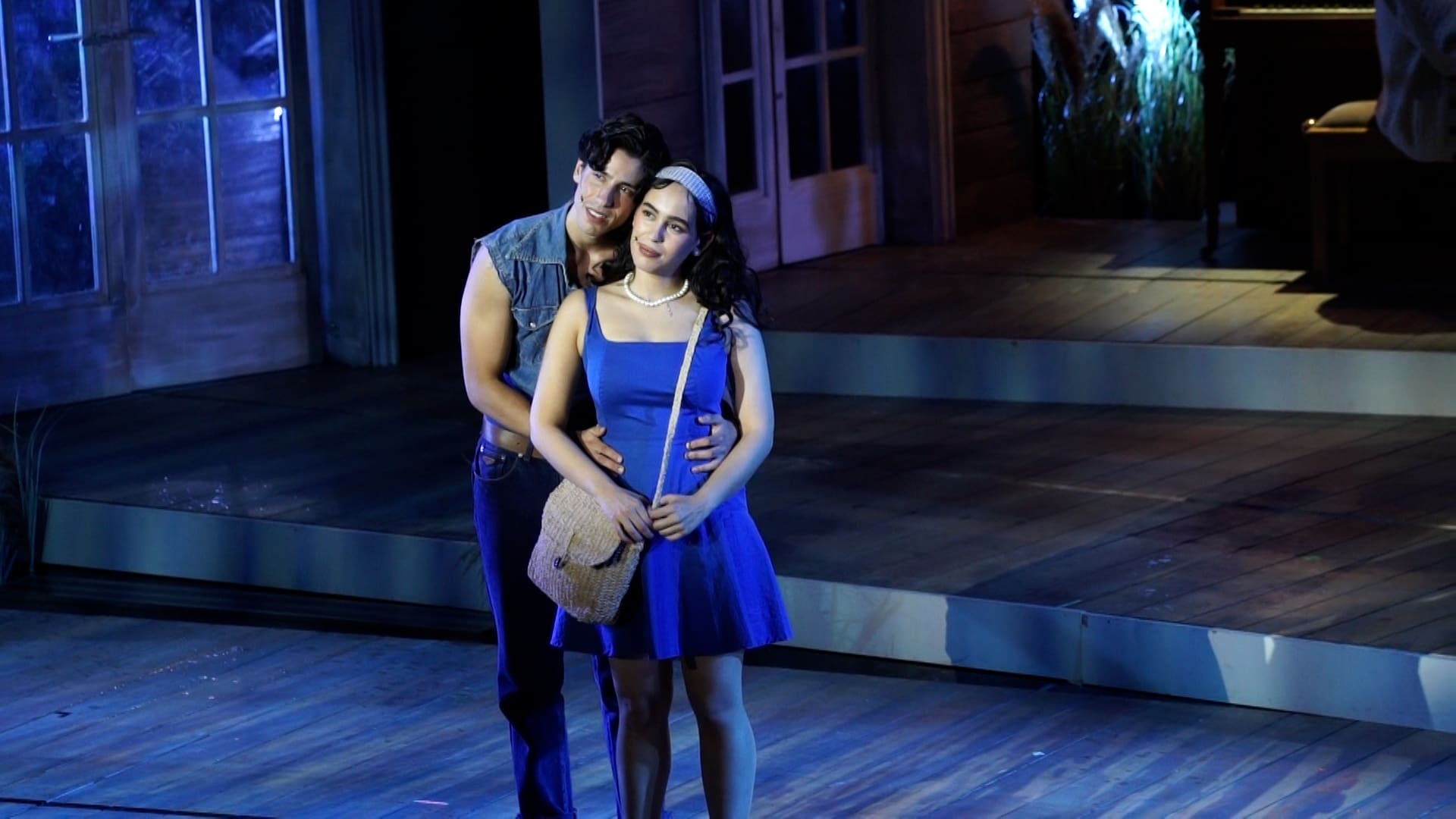
One summer that turned into a lifetime
At the heart of the plot are Eli and Noah (in the Hebrew production: נוח), two young men who come from completely opposite worlds. He, a young and simple woodworker from the southern United States. She, a girl from a wealthy and established family, who grew up in a world of rules, expectations and social etiquette. One summer in the 1940s, in a southern town saturated with heat, rivers and poplar trees swaying in the wind, the two fall in love with an intensity that at first seems like a short and fleeting romance.
But what seems like a fleeting youthful love turns into a lifelong story. Eli's parents oppose the relationship. The war tears the two apart. Letters written with longing never reach their destination. The years pass, life insists on moving forward, but the memory of that summer remains hidden within them like an ember that never goes out.
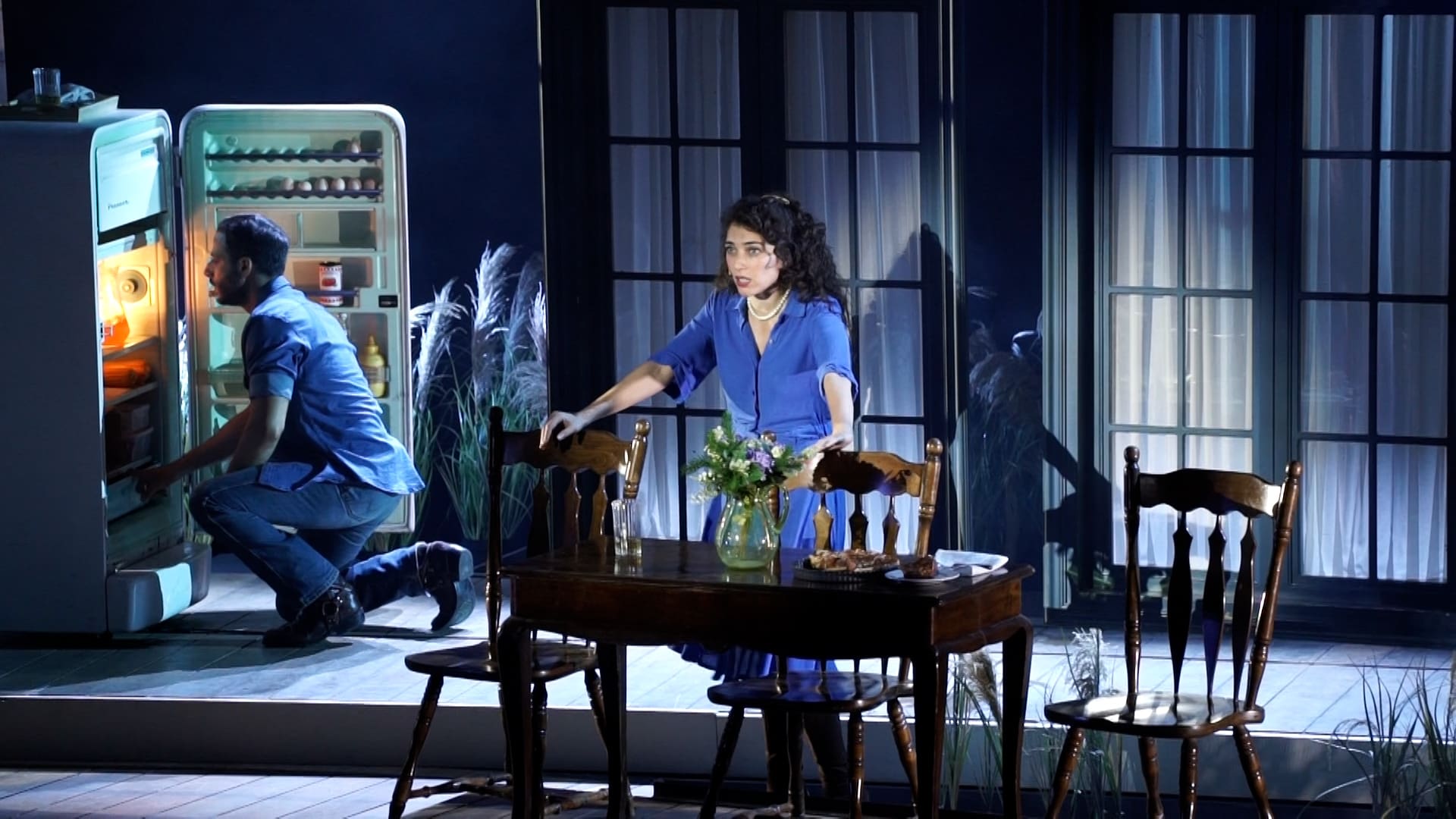
The old house and the dream that never died
Years later, when Ellie is already engaged to a man and her life seems settled and secure, she happens to come across an article about Noah. He fulfilled their old dream and renovated with his own hands the old house they had dreamed of together.
This house is not just a romantic gesture. It is almost a shrine to a shared memory. A stubborn attempt to freeze lost time. Between the renovated walls, the expansive balcony, and the windows facing the river, Ellie realizes that her feelings have never truly faded. The choice before her is not just between two men, but between two perceptions of life: a life of control, security, and social order, versus a life of wild, unbridled emotional truth.
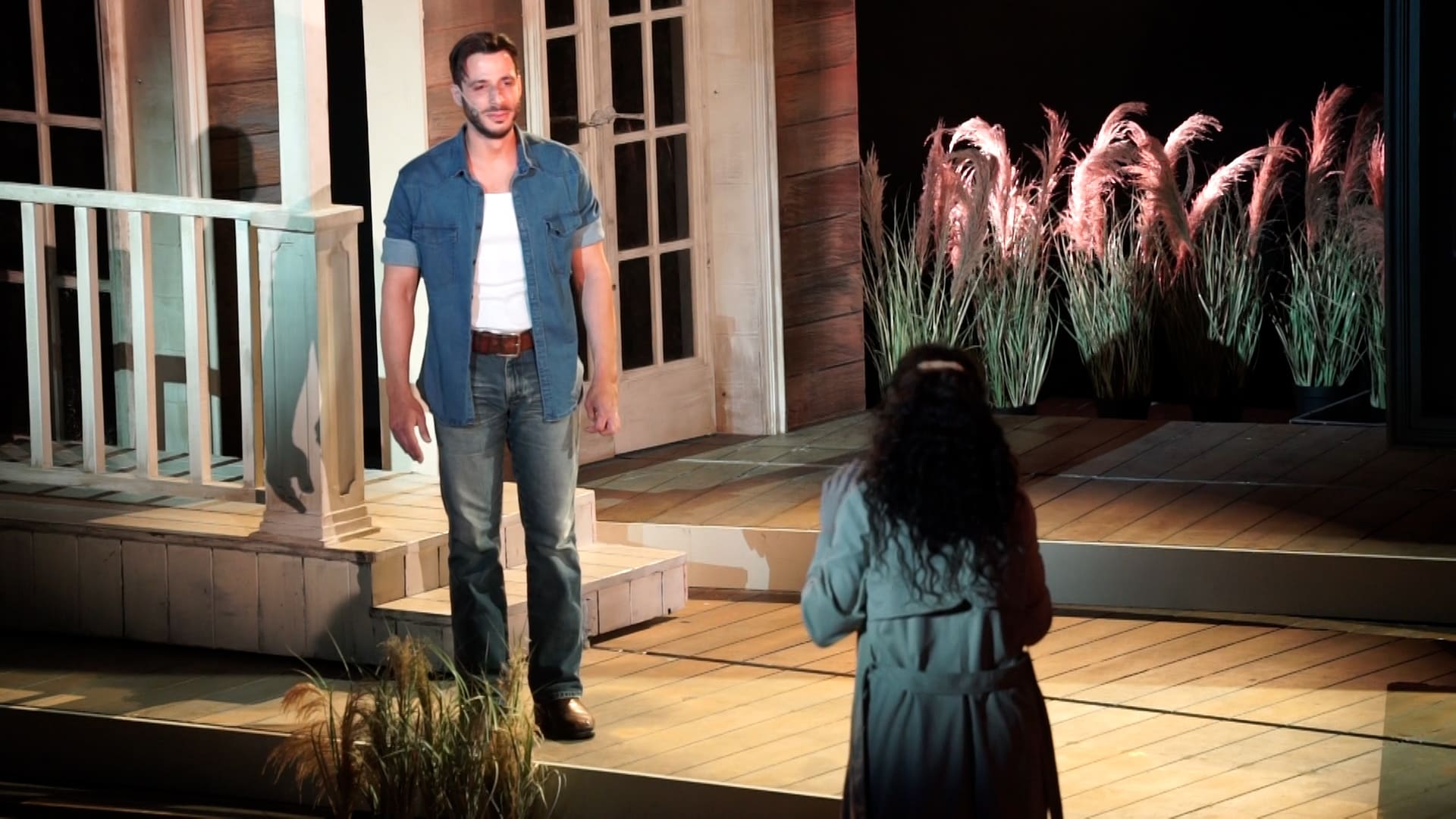
They don't sing about Alzheimer's, they sing about memory.
The moving stage adaptation offers a surprising way for the musical to address Alzheimer's disease. It has all the ingredients of a classic musical: great love, longing, parting and return. But Alzheimer's is not exactly the stuff of love songs.
"How do you sing about Alzheimer's?" the question was asked in the foyer of the theater, and in the play itself, of course, they don't sing about Alzheimer's. They sing about something else specific: about a memory that comes and goes. About the moments that were. About the butterflies in the stomach. About the excitement.
Thus, instead of making the disease itself the center of the story, the musical focuses on the small moments of light that remain within the darkness. In those rare seconds when memory flashes back. A moment when a thin ray of light shines within an increasingly foggy brain.
The woman who listens more than she speaks
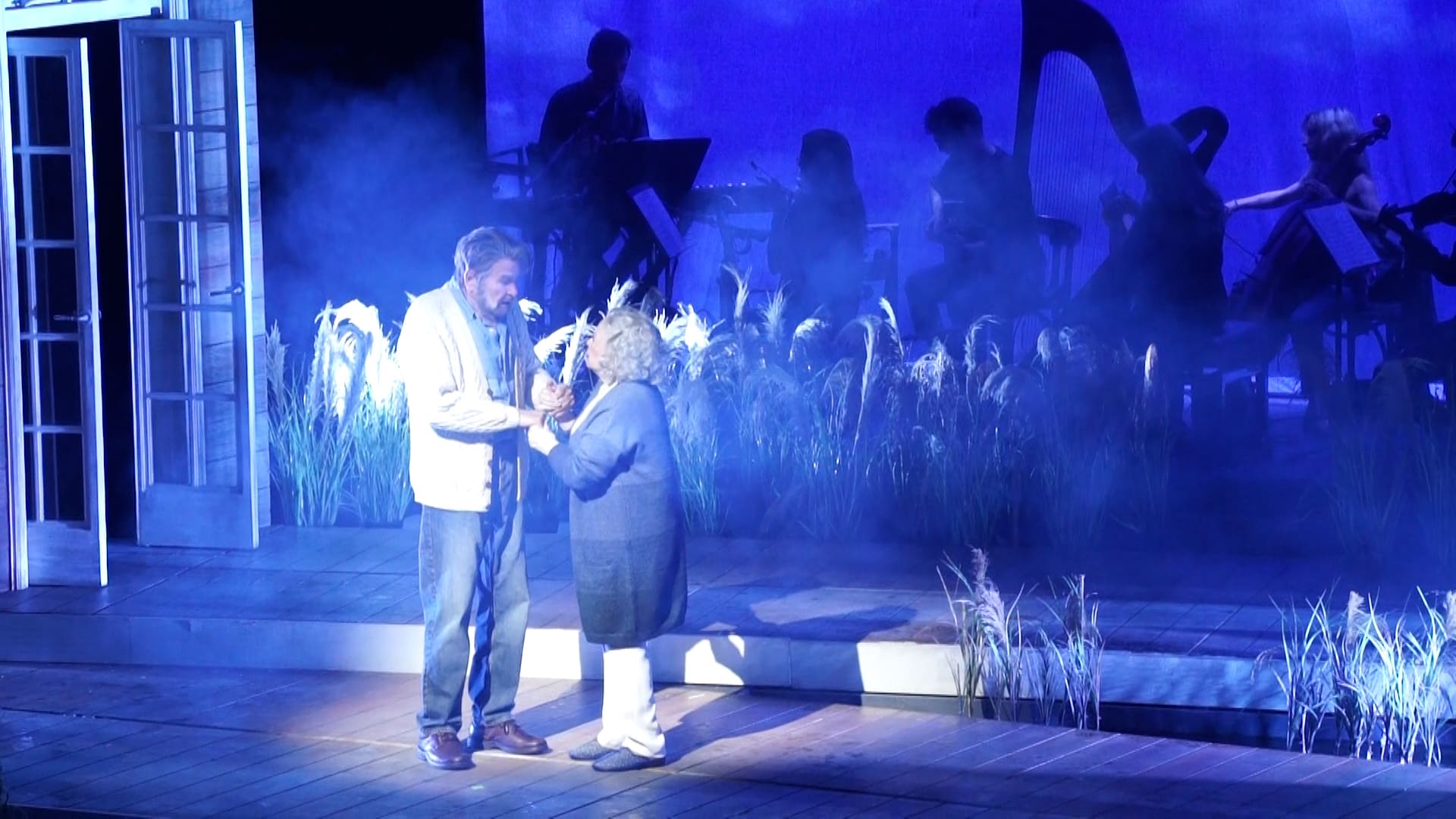
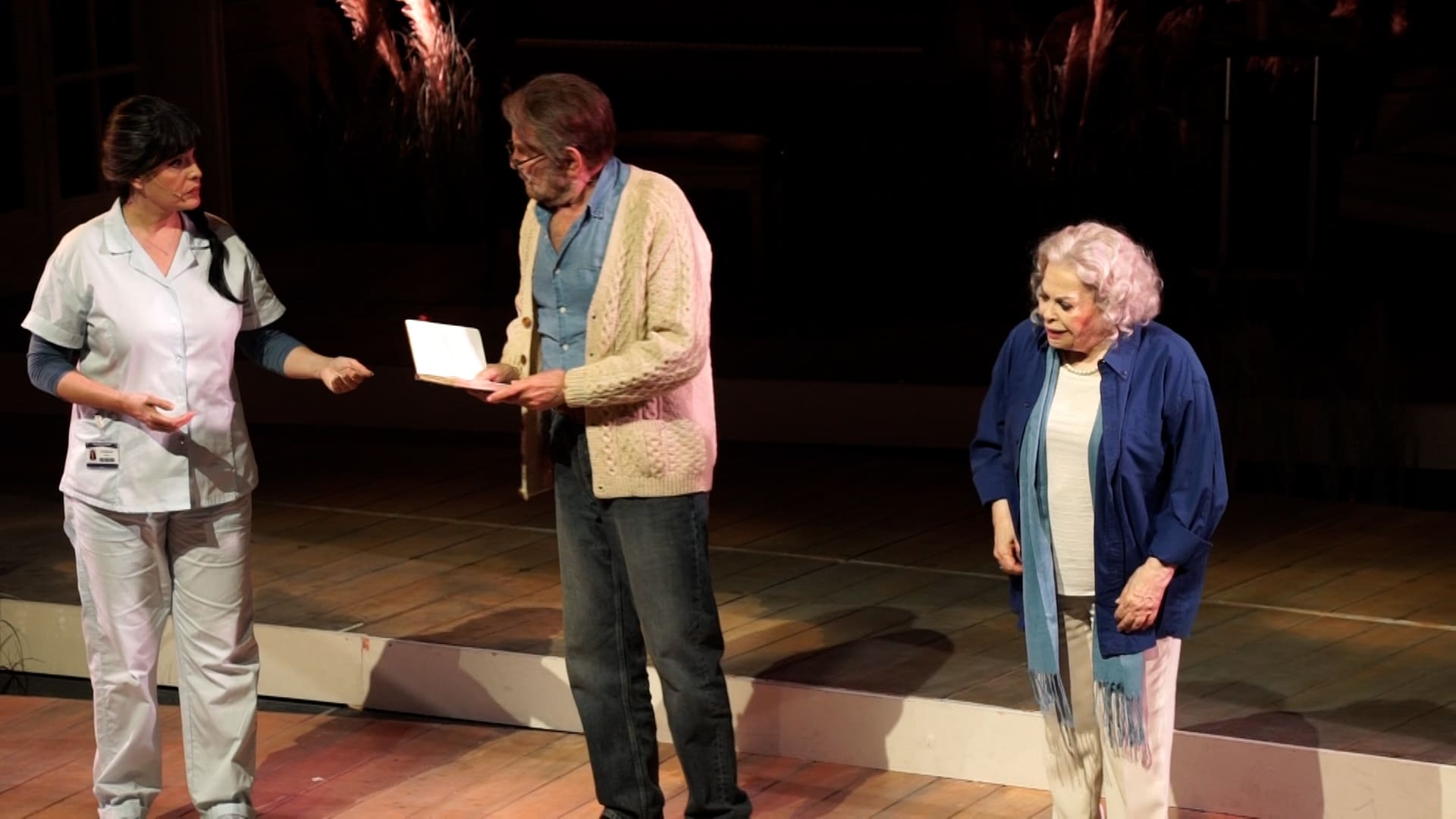
Alison, the older character of Eli, is already deep in the throes of Alzheimer's. "I have a salad of memories in my head," describes actress Gila Almagor, who plays her. But in the play, every now and then her character has some light, some moment in which there is an attempt to fish out the memory.
This is perhaps the most delicate theatrical challenge in the entire work. To play a woman who hardly speaks, but listens all the time. A character whose language is gradually slipping away, but whose inner world continues to exist in full force. A moving feeling is created on stage: as if the person is still completely present, even when the words no longer manage to come out.
A love that doesn't end with a kiss
Since the novel's publication in 1996 and its successful film adaptation in 2004, "The Diary" has become one of the most recognizable works of love in modern popular culture. But its real power never stemmed solely from its romance.
Most love stories stop at the climax: the kiss, the preparations for the wedding, the beginning of a life together. "The Diary" refuses to stop there. It continues into old age, illness, and the slow erosion of the body and memory.
In this, "The Diary" deviates from the classic Hollywood tradition. Noah's love is not just for Ellie's young beauty. He loves her even when she is confused, fragile, and sometimes completely foreign to him. Love is not presented here as a fleeting emotion, but as a continuous act of loyalty. Almost a religious faith.
Time as the story's greatest enemy
Ostensibly, the story's antagonisms are the class differences, Ellie's parents, or the years that have passed. But in fact, the real adversary of "The Diary" is time itself.
Time is what separates the lovers, changes them, wears away their bodies and finally erases their memories. Alzheimer's is not just a disease in the background of the plot, but an extreme expression of man's greatest fear: the erasure of identity.
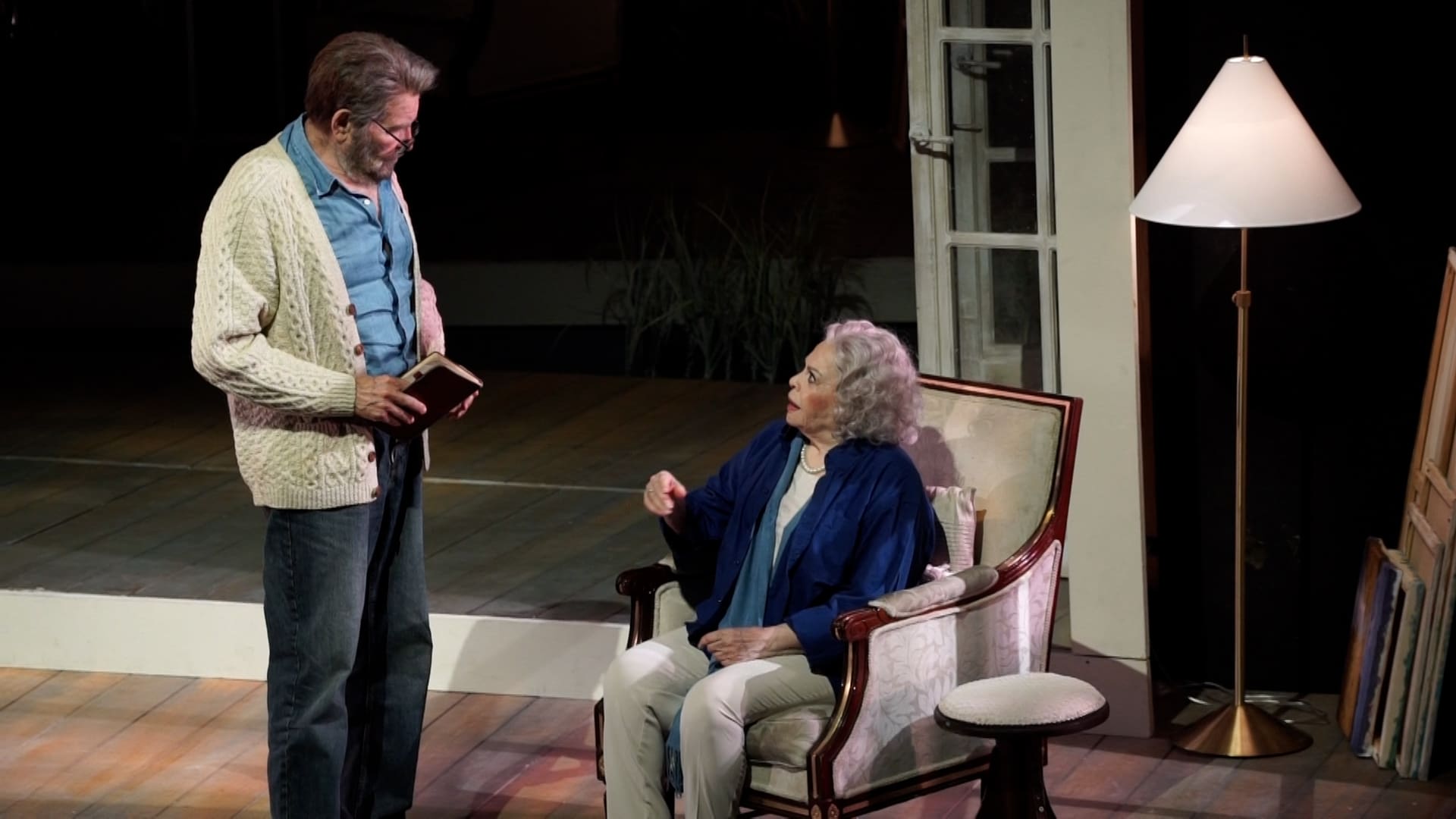
In front of time stands the diary. It is a seemingly simple notebook, which becomes, over the course of the story, a deeply human symbol of resistance to forgetting. If internal memory is lost, perhaps it can be preserved outside the body, in written words. Every time Noah reads the story of their lives to Ellie, he is not just reading her a love story. He is reading her herself.
From the book to the screen, from the screen to the stage
The film adaptation, starring Ryan Gosling and Rachel McAdams, gave the story an unforgettable visual dimension. Misty rivers, heavy summer rain, old Southern houses, and golden sunsets created an aesthetic of almost dreamlike memory.
Even the famous rain scene, which has become one of the most recognizable scenes in 21st-century romantic cinema, is not just a moment of passion. It is a desperate expression of two people trying to resist with immense emotional force all the years they have lost.
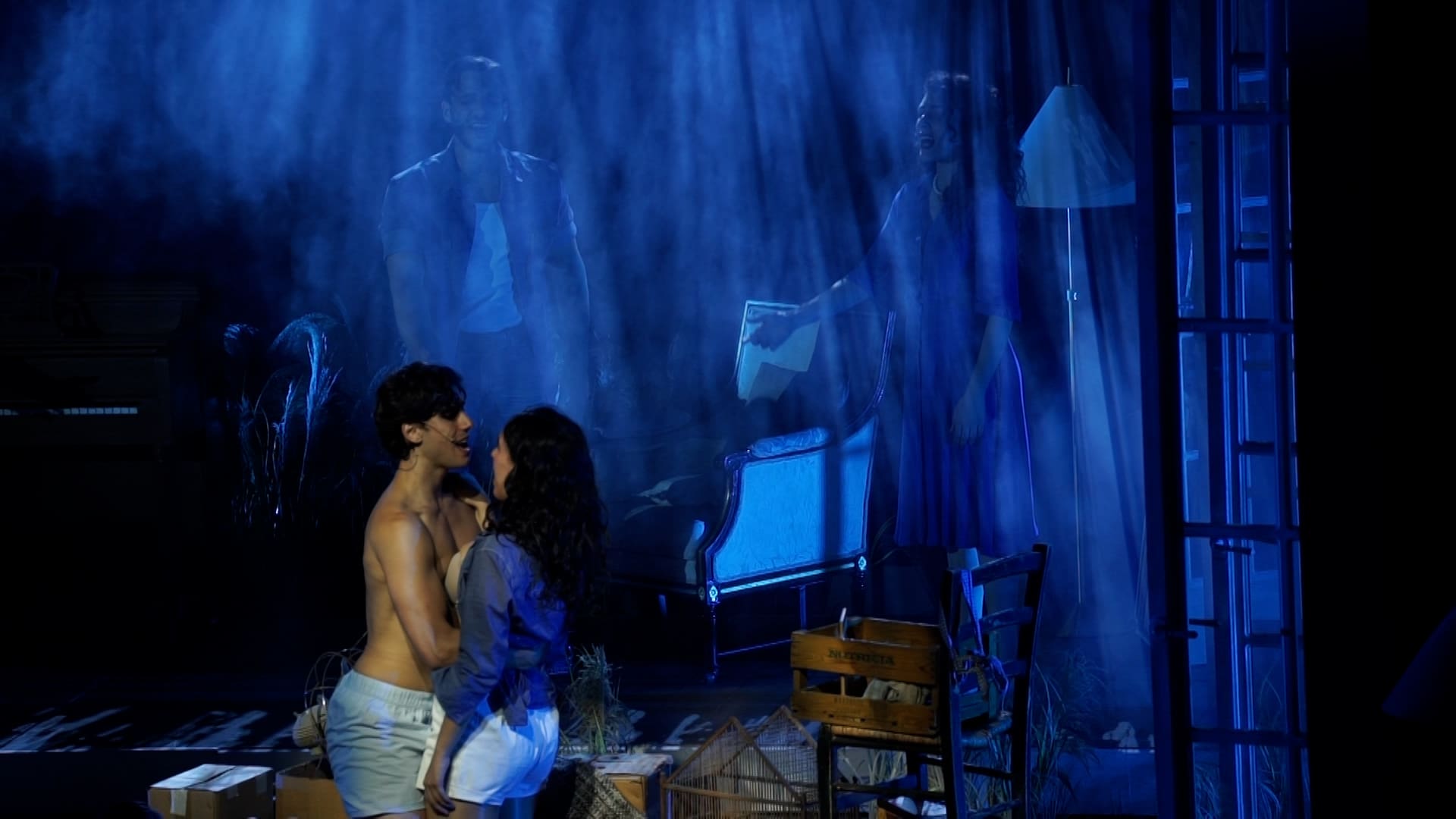
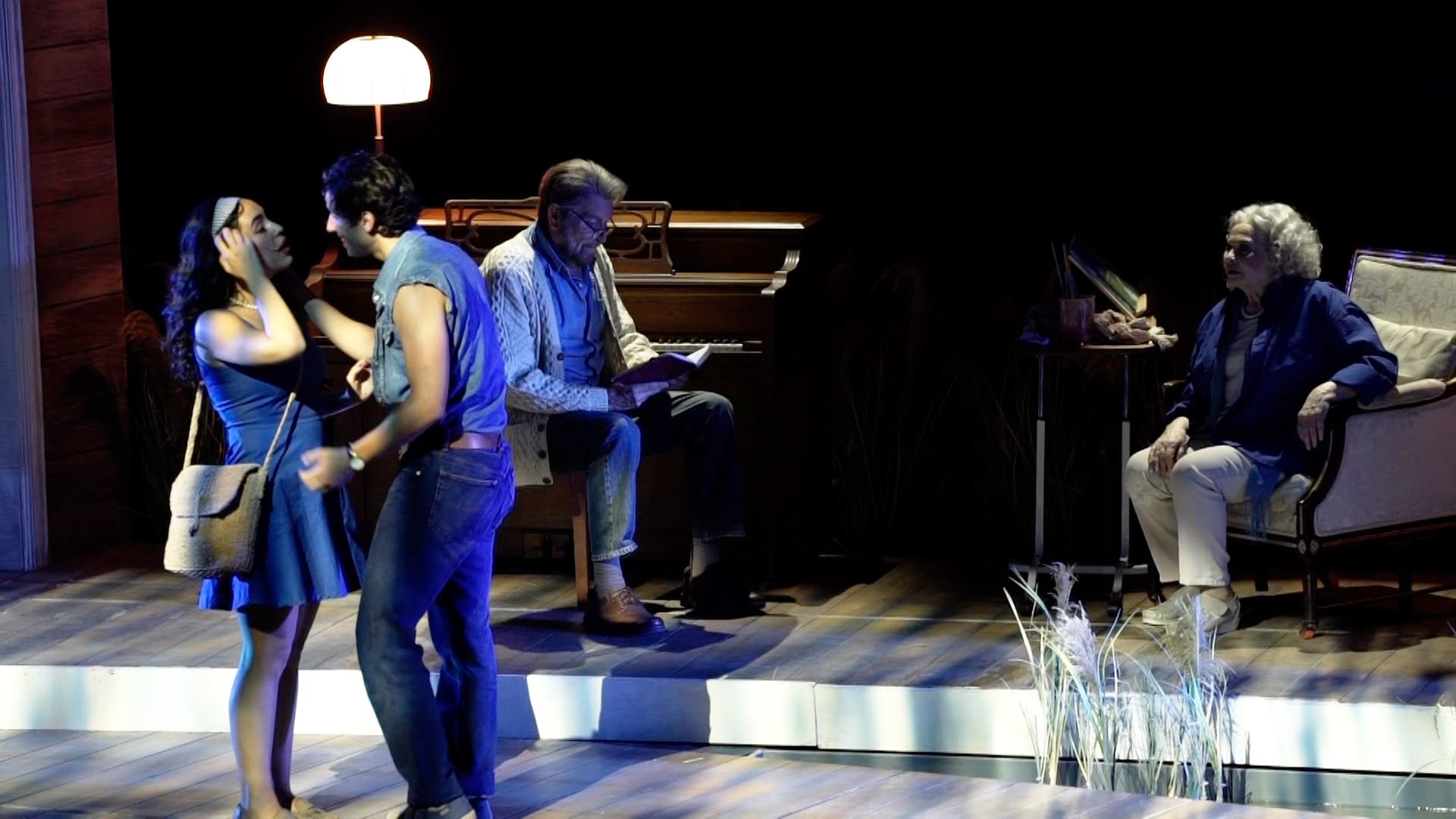
The stage adaptation continues the same spirit, but adds another layer to it. On stage, young and old appear together, as if all versions of man continue to exist simultaneously. Childhood, youth, old age, loves and fears, all live simultaneously within the same human body.
Why do we return to the "journal" again and again?
The real question is not why people cry over "The Diary." The question is why they return to it again and again, each time in a different form: as a book, as a film, as a play, and as a love story that refuses to disappear from the heart.
Perhaps the answer lies in modern loneliness. In a fast-paced, digital world where relationships are often temporary, fluid, and easily replaceable, "The Diary" offers an almost ancient fantasy: the possibility that someone will choose us over and over again, throughout our entire lives.
But the work is not content with romantic fantasy. It infuses it with the anxiety of time. Every beautiful moment between Noah and Eli is charged with the knowledge that it is temporary: beauty is temporary. The body is temporary. Memory is temporary. Even love itself is under constant threat.
The small possibility of remaining human
And yet, amidst all this sadness, "The Diary" offers a small, tenacious consolation. A consolation that does not promise victory over death. It does not claim that love can cure Alzheimer's or stop aging.
It only whispers a very human possibility: that perhaps, for a brief moment, love can provide meaning even when everything begins to disappear.
Perhaps that is why, when the lights in the hall go out and the audience silently leaves the theater, the feeling that remains is not just sadness. But the deep, almost unbearable recognition of the beauty that every person, at the end of the day, asks for only one thing: for someone to remember them even when they themselves can no longer remember.
Love versus Time: On the Haifa Stage of "The Diary"
The Israeli production of the musical "The Diary" is constructed with almost cinematic precision, yet maintains a rare emotional intimacy. The music and lyrics were created by Ingrid Michelson and Rebecca Bernstetter. With the help of Eli Bijawi's translation, the Hebrew does not sound like an imported text but like a language born on the stage itself: soft and spoken.
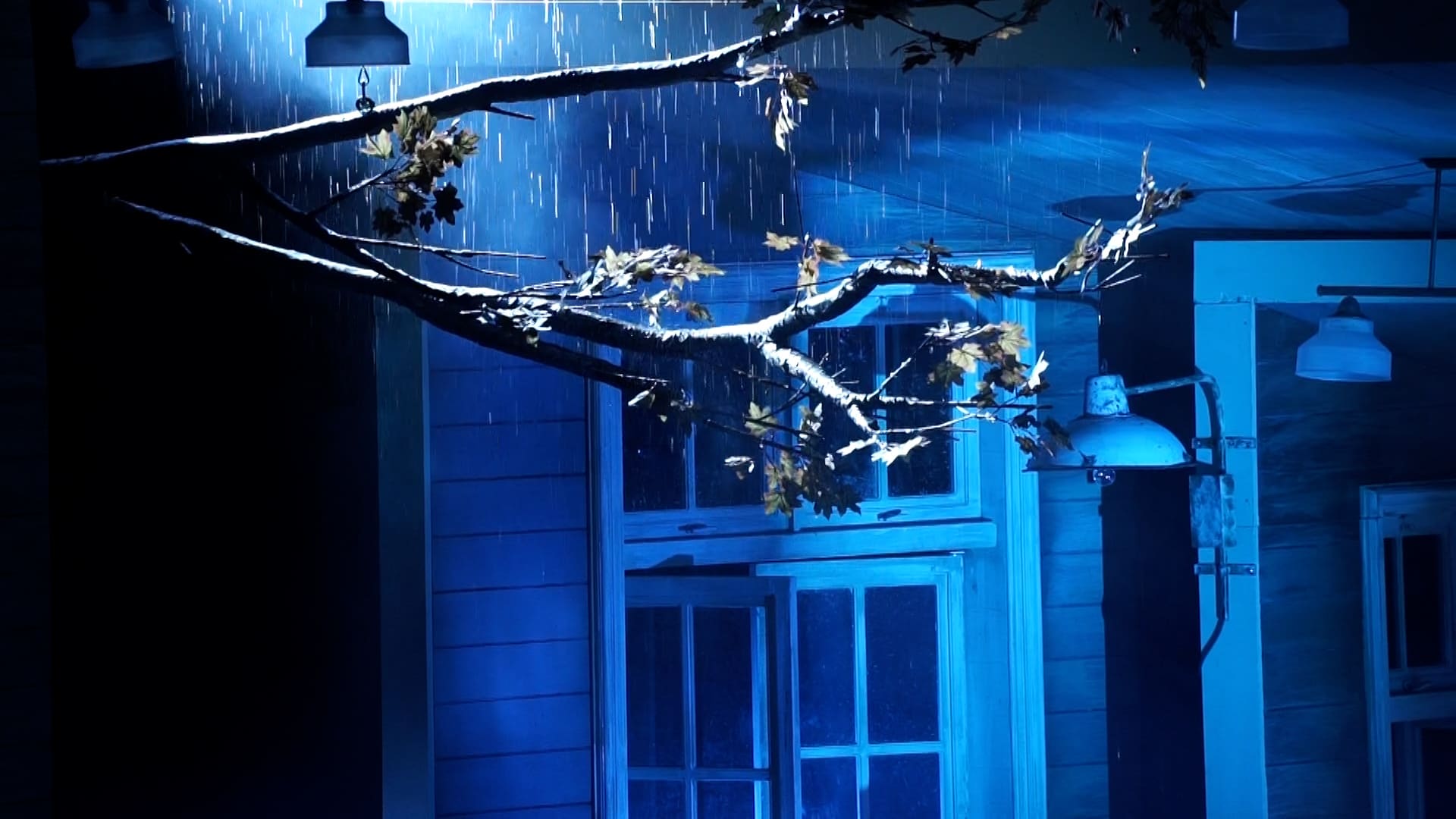
Moshe Kaptan's direction avoids the temptation to drift into total melodrama. Instead, he constructs a delicate movement between memory, desire, and decay, so that even the big moments rely on small gestures: a silence that lasts one second longer than expected, a gaze that is not fixed, a body that ages in the face of a love that refuses to age with it. Eran Atzmon's set design moves between realism and dream, while Yaron Abulafia's lighting envelops the stage in shades that change like memory itself: sometimes warm and soft, and sometimes cold almost to the point of transparency.
It is clear that the cast understands well that the material requires vulnerability more than virtuosity. Gila Almagor brings to the stage a presence that is almost impossible to teach: one look from her is enough to remind us of the weight of a lifetime. Alongside her stand out Roni Delumi, Noam Kleinstein, Dudo Fischer and Dafna Dekel, who manage to maintain a delicate balance between large-scale musical theater and intimate emotional truth, with other good actors in the cast.
What is left for the viewer of the play – when everything is forgotten
Ultimately, The Diary is not just a love story, nor is it a nostalgic musical that seeks to pluck at familiar emotional strings. It is a work that deals with man's greatest fear: not death itself, but the possibility that memory will fade before it.
In a cultural world perpetually thirsting for noise, cynicism, and self-conscious sophistication, there is something almost subversive about the emotional honesty this production dares to offer.
She doesn't apologize for her romance, nor does she hide behind irony. Instead, she looks directly at human vulnerability, gently reminding us that lasting love is not measured solely by the intensity of passion, but by the ability to continue to identify with one person even when time, the body, and memory itself begin to crumble.
I was really looking forward to and hoping to see you playing on the Jerusalem Theater stage on Monday, August 31, 2026, but unfortunately we learned that the show was canceled…
I don't know the reason for this, but I'm very sorry that you won't come to Jerusalem so that theater lovers from the capital can watch you and enjoy your show.
Musical, amazing show! Exciting with beautiful scenery. Roni Delumi and Noam Kleinstein are huge. Their one drawback is that when they sing they scream too much and it's jarring and unnecessary. Dudu Fisher and Gila Almagor are wonderful
Highly recommend
I saw it. Highly recommend it, although it's a bit long, but recommended.
I watched it and loved it and have already ordered again.
As expected, it is unusually exciting. Noam, Roni, Gila and the rest are great. Highly recommended for lovers and lovers in spirit.