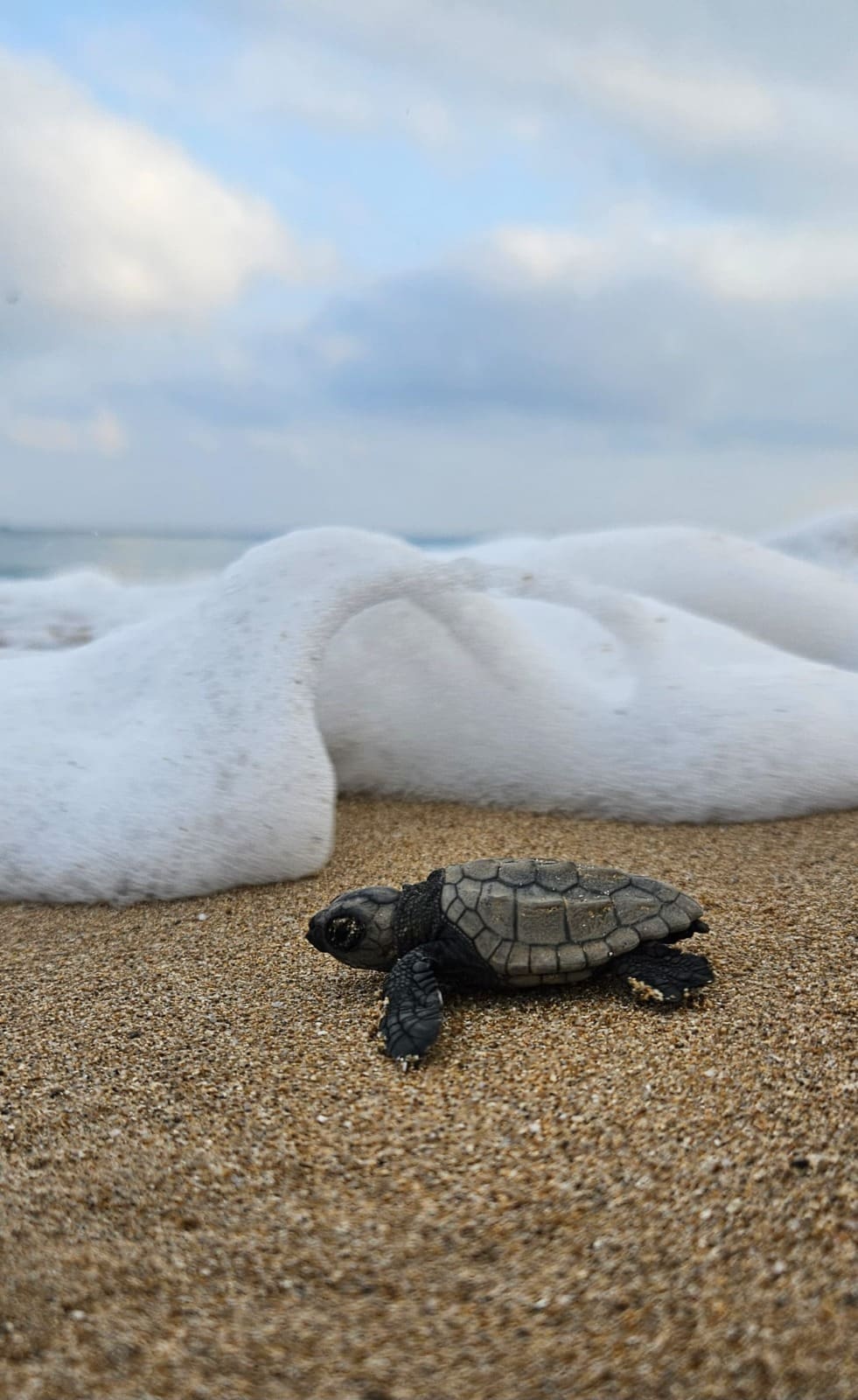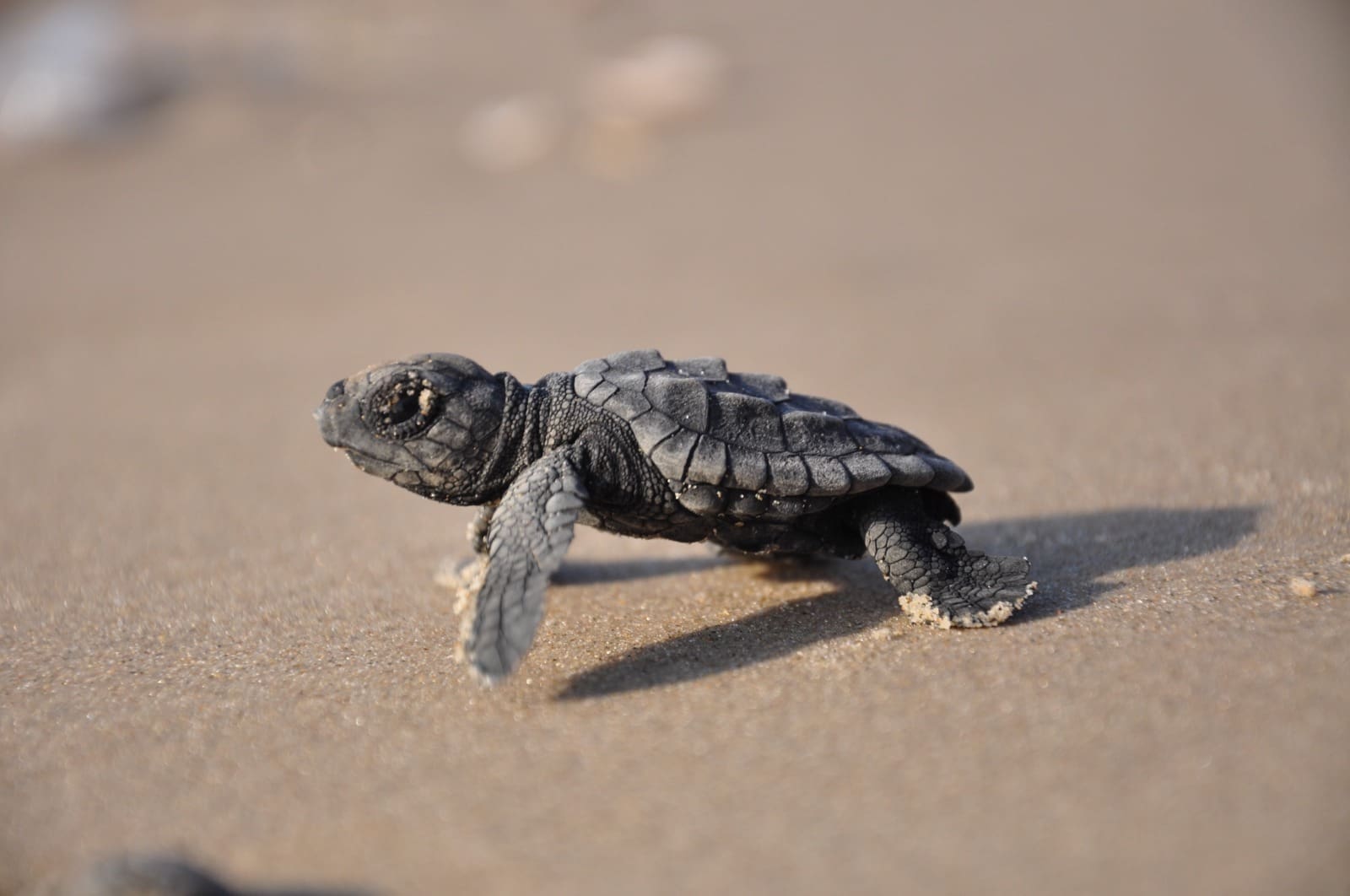
(haipo) The nesting season for female sea turtles has begun, and in recent days the first three nests of female brown sea turtles have been located on the southern and northern coasts of Israel. Nature and Parks Authority inspectors and about 300 volunteers from across the country began scanning the coastline at the beginning of the month to identify nests that were laid at night.
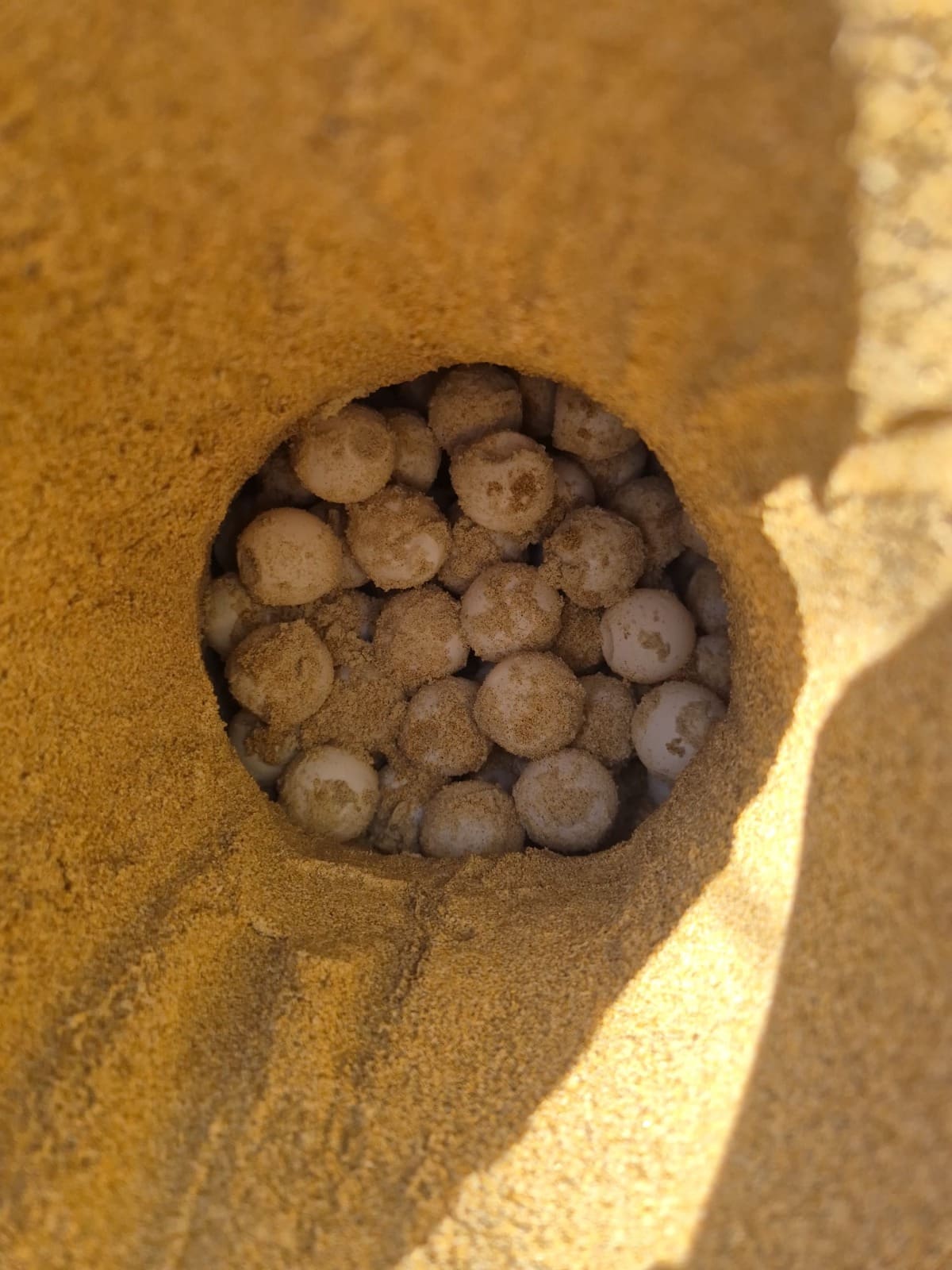
Three nests were located in Ashkelon, Nitzanim and Atlit.
The laying season for female brown and green sea turtles began in May and will continue until August, along all of Israel's Mediterranean coasts. The females come ashore, dig nests and lay dozens of eggs in each hole, and after laying, which may take several hours, the female sea turtle covers the hole and returns to the sea.
Line in Ashkelon:
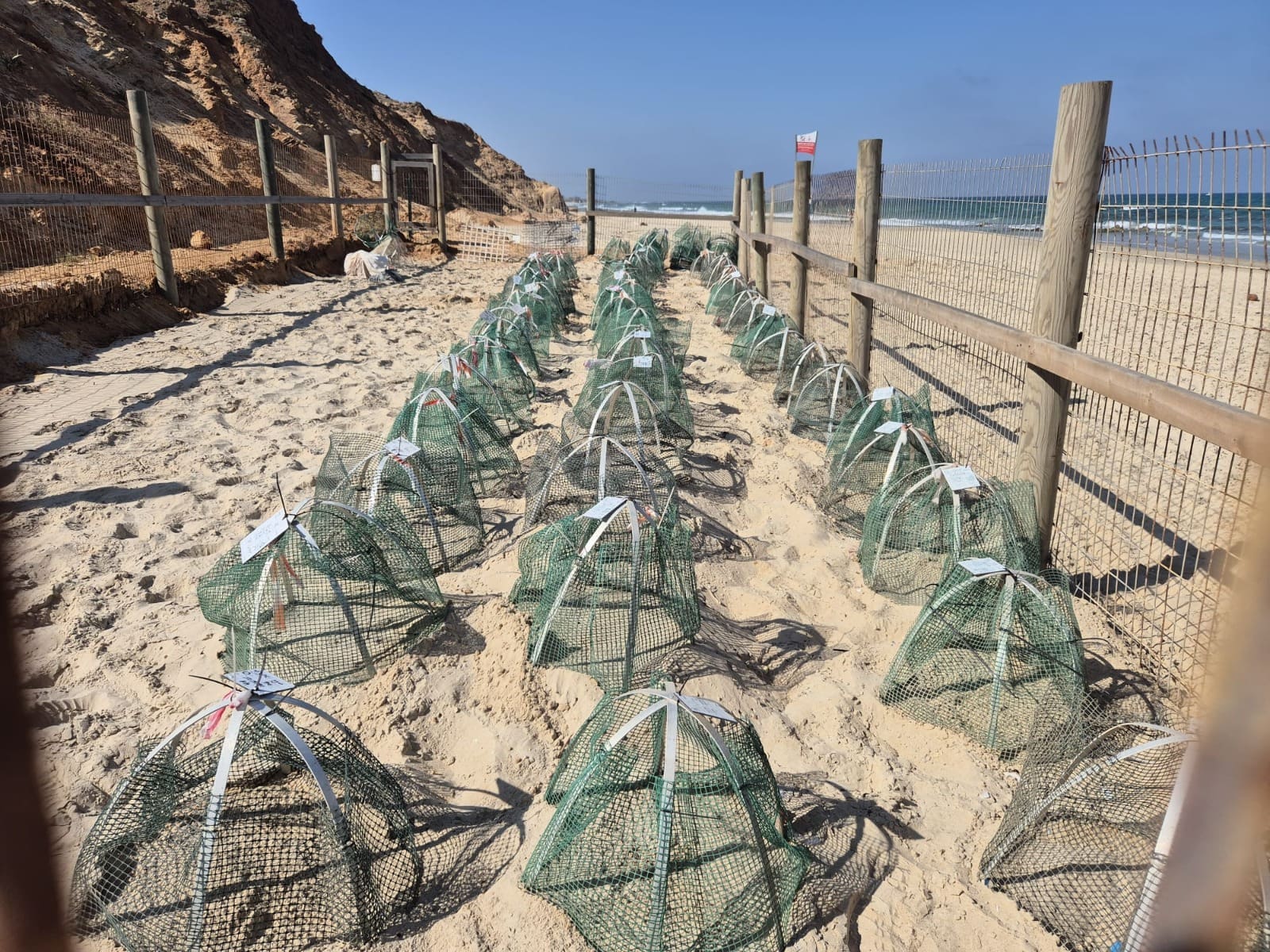
Israel Nature and Parks Authority volunteers, Kobi Sofer and Sagi Marom, arrived on Thursday morning at the Ashkelon beach following a report from Oded Saada, volunteer from the Ashkelon Scanners group, for finding signs of sea turtles coming ashore. The nest, containing 74 eggs, was moved by Kobi and Sagya to the new hatchery farm in Tel Ashkelon National Park.
Nest in Buds:
On Saturday, a second nest of a female brown sea turtle was found in the Nitzanim Nature Reserve, after Sagi Shonk, volunteer scanner in the Ashkelon Zikim Scanners Group, locate the signs of ascension and protect the nest.
Ken in Atlit:
In the morning, Monday 11.5.26, I found Moshe Rafael, volunteer scanner from Magadim, Signs of an increase in female brown sea turtles in Atlit, andInspector Alon Penn, from the Israel Nature and Parks Authority Copy 81 eggs to the Waves Beach farm.
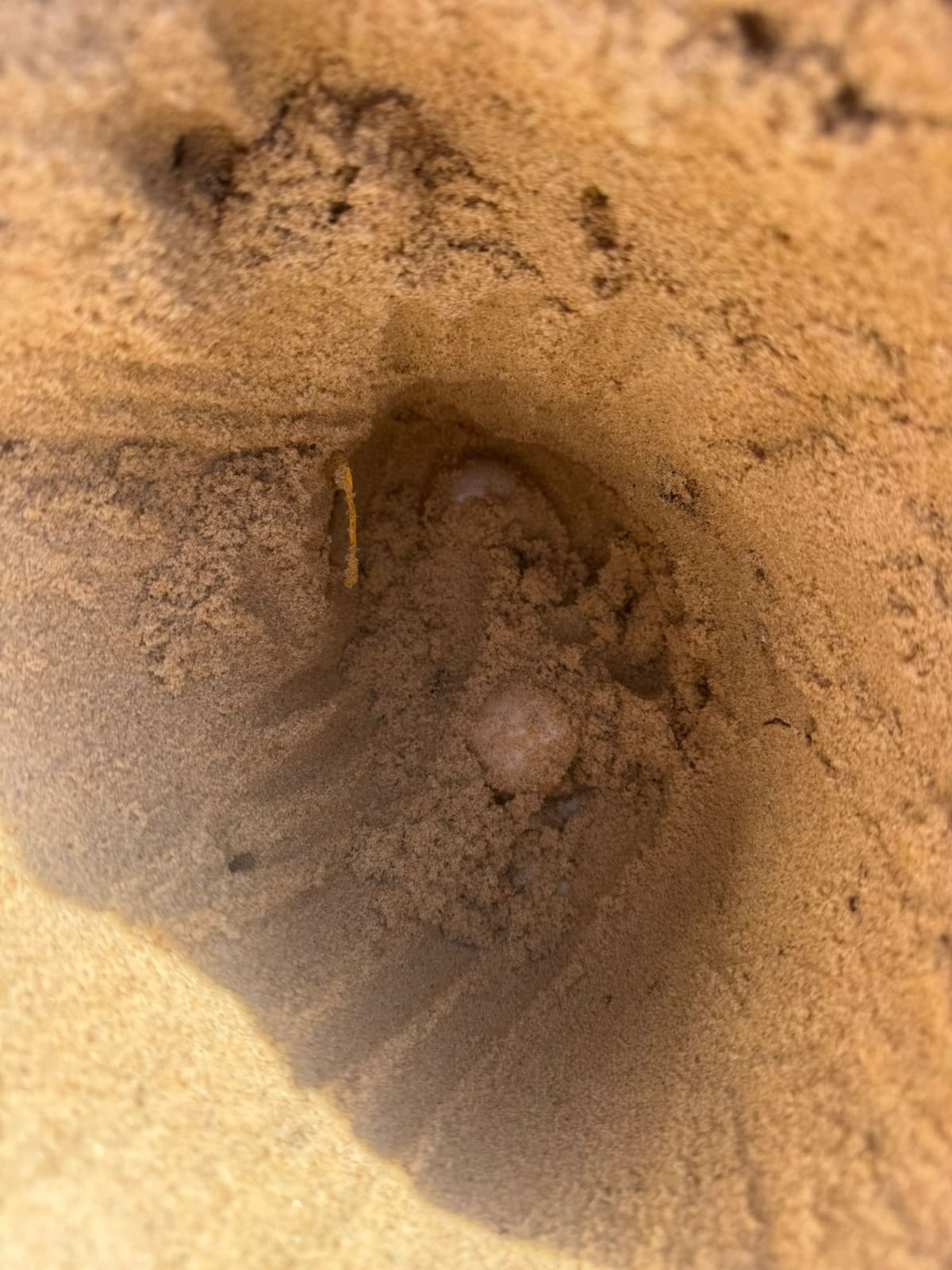
558 nests were located last year – most of them were moved to hatchery farms
Last year, 558 nests were located on the country's beaches, of which 449 were of brown sea turtles and 109 were of green ones. Most of them were relocated by inspectors, ecologists and certified volunteers to protected hatchery farms, where the future generation of sea turtles is allowed to develop without fear of predators, until the moment when the hatchlings emerge from the nest and begin their lives in the open sea.
In addition, there are nests that were located in nature reserves and national parks but were not moved to farms, but were protected from predators, and an information sign was placed next to them for the general public. "The concern is that the signs of the arrival of female sea turtles will be erased and blurred, so that the nest may be damaged by human activity or predators: foxes, jackals, dogs and wild birds, and the hatchlings during the hatching may be exposed to life-threatening threats, starting from being trampled by passersby, vehicles, dogs and misorientation on the beach due to light pollution," noted Rinat Kashi, coordinator of the national interface for sea turtle reproduction and research at the National Center for Sea Turtle Rescue at the Nature and Parks Authority.
Dangers to laying females and a call for public assistance
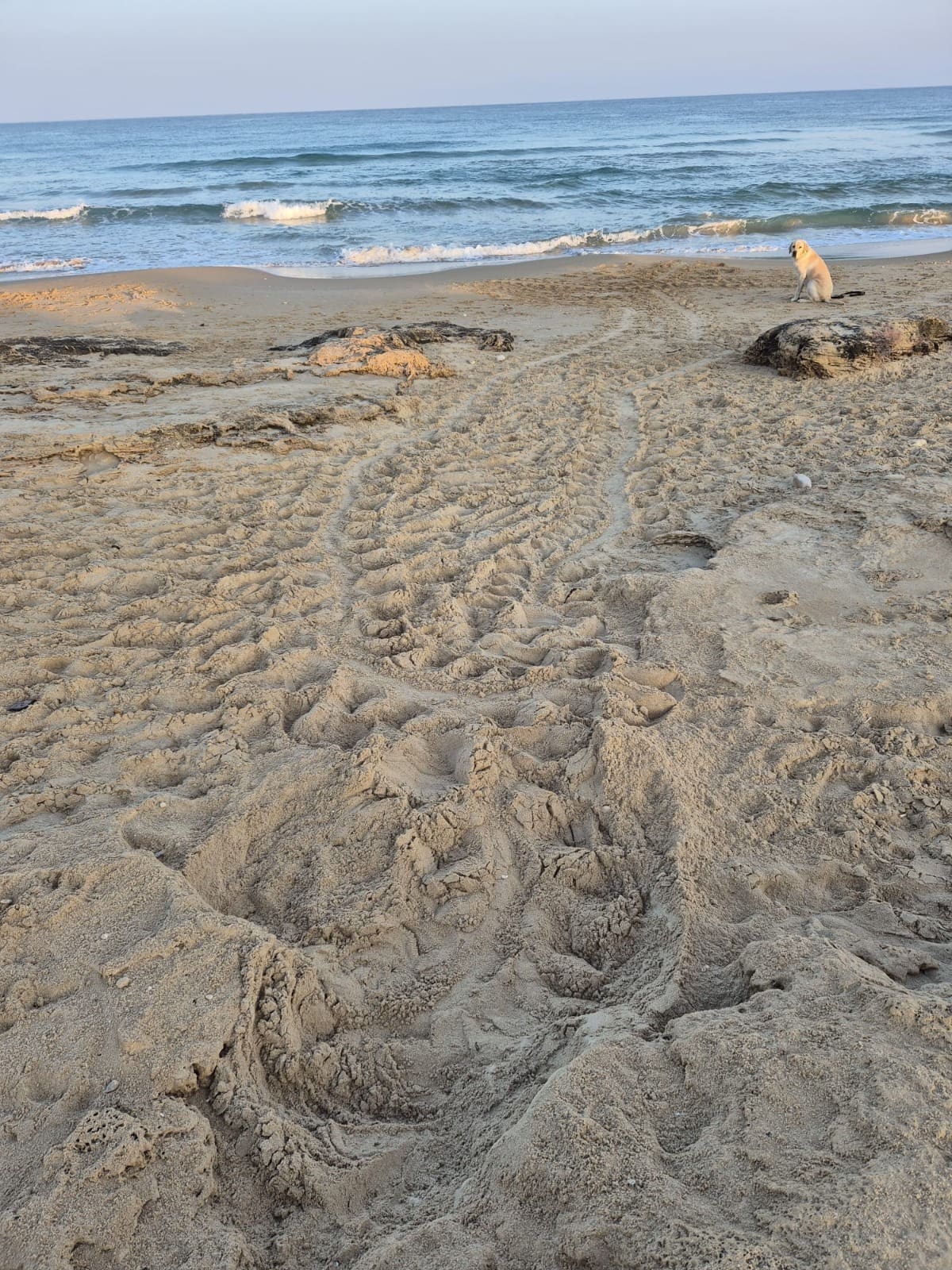
The Nature and Parks Authority is urging the public to report any sightings of female sea turtles on the beach as soon as possible, in order to allow inspectors to arrive and relocate the nest to a hatchery, especially in urban beach areas where there is active bathing activity during the summer season. The female sea turtle is very sensitive to any disturbance, and if she is not given the opportunity to lay her eggs in peace or does not find a suitable place to lay them, she will return to the sea without laying her eggs. She may try again the next day, but if she is also unsuccessful, she may lay her eggs in the sea, where their chances of survival are zero, or worse – the eggs will not be laid and will instead rot in her body, causing her death.
Guidelines for the public: How to protect sea turtles
The Authority asks the public, if they identify footprints, not to blur or step on them, to allow for quick identification by inspectors and volunteers. Also, blurring by beach users in the area, including people, vehicles, pets, and tractors sweeping the sand, should be prevented.
It is important not to try to locate the nest yourself, but to quickly report it to the Nature and Parks Authority hotline at *3639 and, if possible, wait near the tracks until volunteers or inspectors arrive.
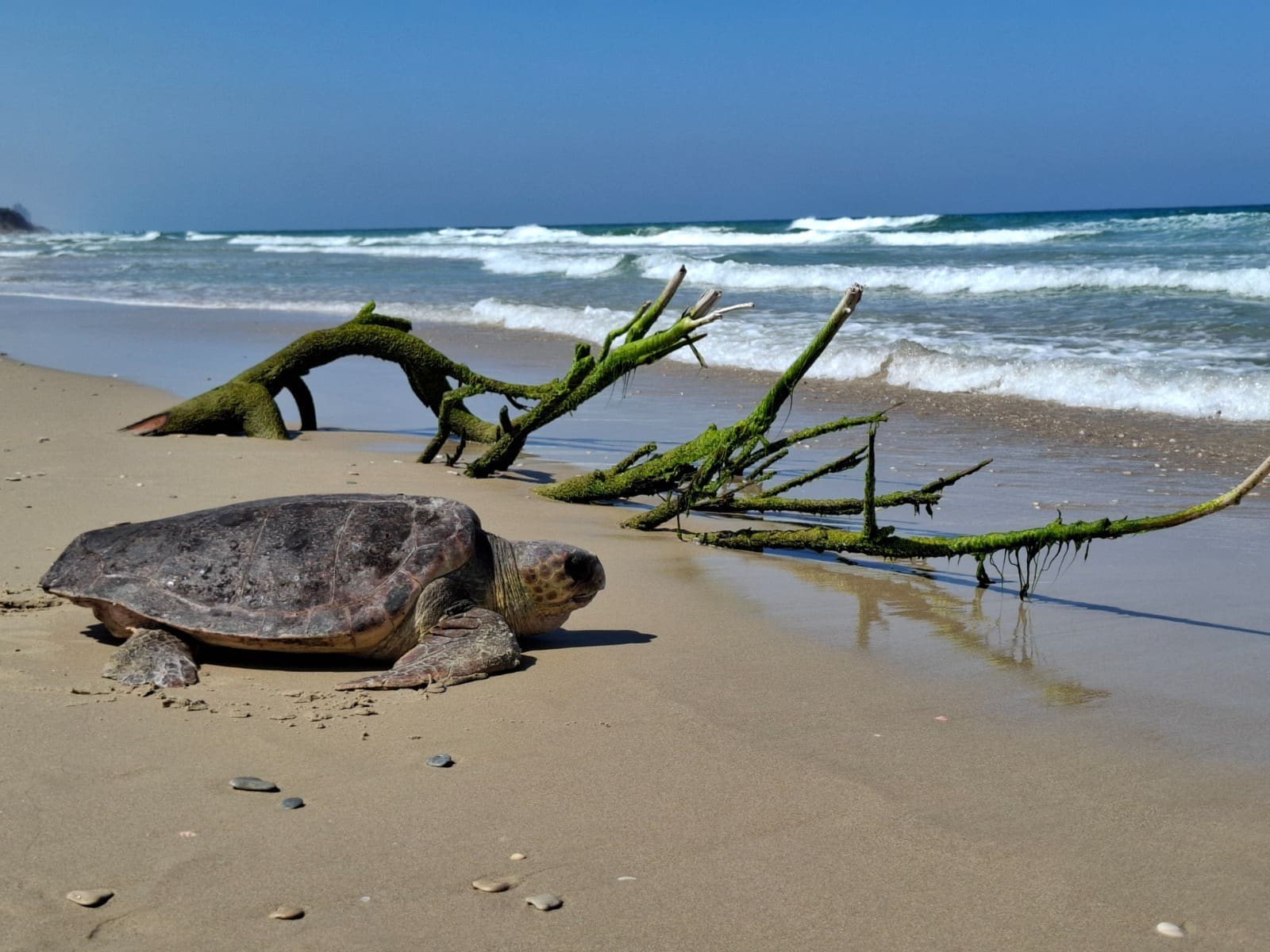
It is strictly forbidden to dig up and move sea turtle nests, as this is an operation that requires professional knowledge, and attempting to move eggs may result in the death of the embryos. Anyone who encounters a female sea turtle coming ashore or in the midst of laying eggs is asked to maintain a distance of at least 20 meters, stand behind her out of her field of vision, not shine flashlights on her or take pictures with a flash, remain quiet, and not attempt to assist her in any way.
Increasing human use of beaches is destroying nesting beaches and making reproduction difficult, as residential and tourist buildings, restaurants, roads, factories, marinas, breakwaters, and harbors reduce the beach area available to the laying female, and noise, strong lighting, and human presence at night disturb and scare the turtles.