


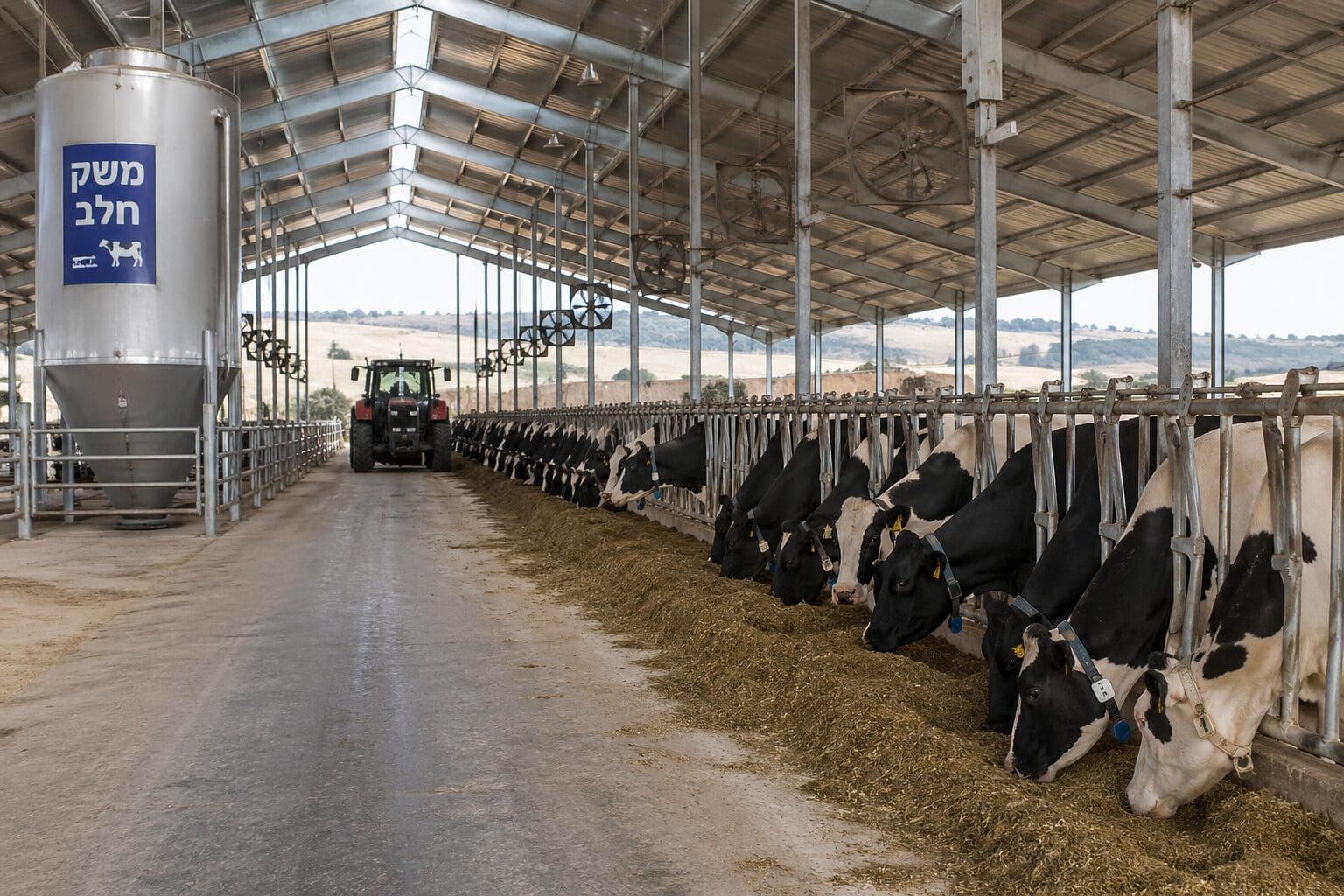
(haipo) An outbreak of foot-and-mouth disease of the SAT1 strain in Israel is causing concern in the agricultural sector, especially given the fact that there is currently no routine vaccination against this strain in local cattle. The Ministry of Agriculture is tightening mandatory biosecurity guidelines, in order to curb the spread of the disease and protect animal health and the economic stability of farms. At the same time, it is important to emphasize: this is not a disease that is dangerous to humans, but public responsibility is still critical.
What is foot-and-mouth disease and who is it dangerous for?
Foot-and-mouth disease is a contagious viral disease that affects cloven-hoofed animals, including cattle, sheep, and wild ruminants. In contrast, dogs, cats, and horses are not susceptible to the virus. It is important to clarify that the disease is not contagious to humans, and is not related to the well-known “hand, foot, and mouth” disease among children, which is caused by a completely different virus.
Not dangerous to humans, but may pass through them
However, humans may serve as "mechanical carriers" of the virus through clothing, shoes, or equipment and transmit it between farms without it multiplying or developing within the carrier's body." Therefore, although there is no health risk to humans, it is of great importance to avoid unnecessary entry into dairy farms and barns during the outbreak.
This is how the virus spreads
The Ministry of Agriculture emphasizes that the main transmission occurs through direct contact with sick animals or their secretions - saliva, nasal secretions and milk. Using unpasteurized milk from one farm to another may also lead to infection. In addition, the virus is extremely resistant, and a tiny amount of it is enough to cause infection and can even be spread over long distances by wind.
The signs that should turn on a red light
The disease has relatively clear clinical signs: increased salivation, sudden lameness, the appearance of blisters and sores in the mouth, udder and hooves, as well as a sharp decrease in milk production. However, even in vaccinated farms, only mild symptoms may occur, which requires high vigilance on the part of breeders.
In any case of suspicion, even the slightest, should be reported immediately to the government veterinarian. The samples are tested at the veterinary institute for an accurate diagnosis. Since this is a viral disease, antibiotic treatment is ineffective, and treatment focuses on alleviating the animals' suffering.
Strict guidelines for farms
At the same time, the Ministry of Agriculture is publishing strict guidelines for biosafety on farms: vehicles and people must be restricted from entering farm areas, clear signage must be posted, and only essential vehicles must be allowed to enter, after thorough disinfection. Equipment must be avoided from being transferred between farms, feeding facilities must be kept clean, and visits must be reduced to the minimum necessary. Essential workers and visitors are required to wear designated clothing and disinfect their hands and feet upon each entry and exit, while maintaining an orderly record of those entering.
Regarding animals, the introduction of new animals into the farm should be avoided as much as possible, and ensure that they originate from areas free of the disease and in accordance with transport permits. In areas infected or adjacent to an outbreak, there is a complete ban on the movement of animals. In addition, contact with wild animals should be avoided and care should be taken to properly treat carcasses, in order to prevent the spread of the virus.
Is it permissible to consume meat and milk?
Despite the outbreak, there is no danger in consuming meat, milk, and dairy products, and they are safe to use. However, public responsibility, and especially that of those involved in the industry, is critical at this stage.
Lifa learned from sources familiar with the matter that so far only a few deaths have been recorded, despite the outbreak of the disease in 80 locations across the country. It was also reported that no shortage of meat or dairy products is expected, and the relevant authorities continue to monitor developments and work to maintain stable supplies to the public.
The Ministry of Agriculture informed Lahi Pa:
The Ministry of Agriculture and Food Security prepares every year for outbreaks of various diseases based on professional assessments by the Director of Veterinary Services.
The outbreak of foot-and-mouth disease from the SAT1 strain, which originated in South Africa, was not known in Israel. With the appearance of the strain in the region, the Ministry worked to procure appropriate vaccines to eradicate and protect livestock, and despite the global shortage, over 2 million doses have been obtained so far. We are at the peak of an intensive vaccination campaign with two doses, while creating a protective belt.
The professional assessment is that the source of the infection is from Syria and Lebanon and not from source countries for cattle imports, which are free of foot-and-mouth disease. The Ministry of Agriculture and Food Security is closely monitoring and providing a status report to breeders and importers regarding control of the disease, as part of the effort to ensure continued business continuity and national food security.
Alongside the operations on the ground, the Director General of the Ministry of Agriculture and Food Security, Oren Lavie, is working to establish a professional team to strengthen preparedness and improve the ministry's response mechanisms.
Inshallah!!! This too shall pass…
So, it's okay to drink: Cafe' au LAIT is delicious 😂 this morning????? Oui au No-oui