


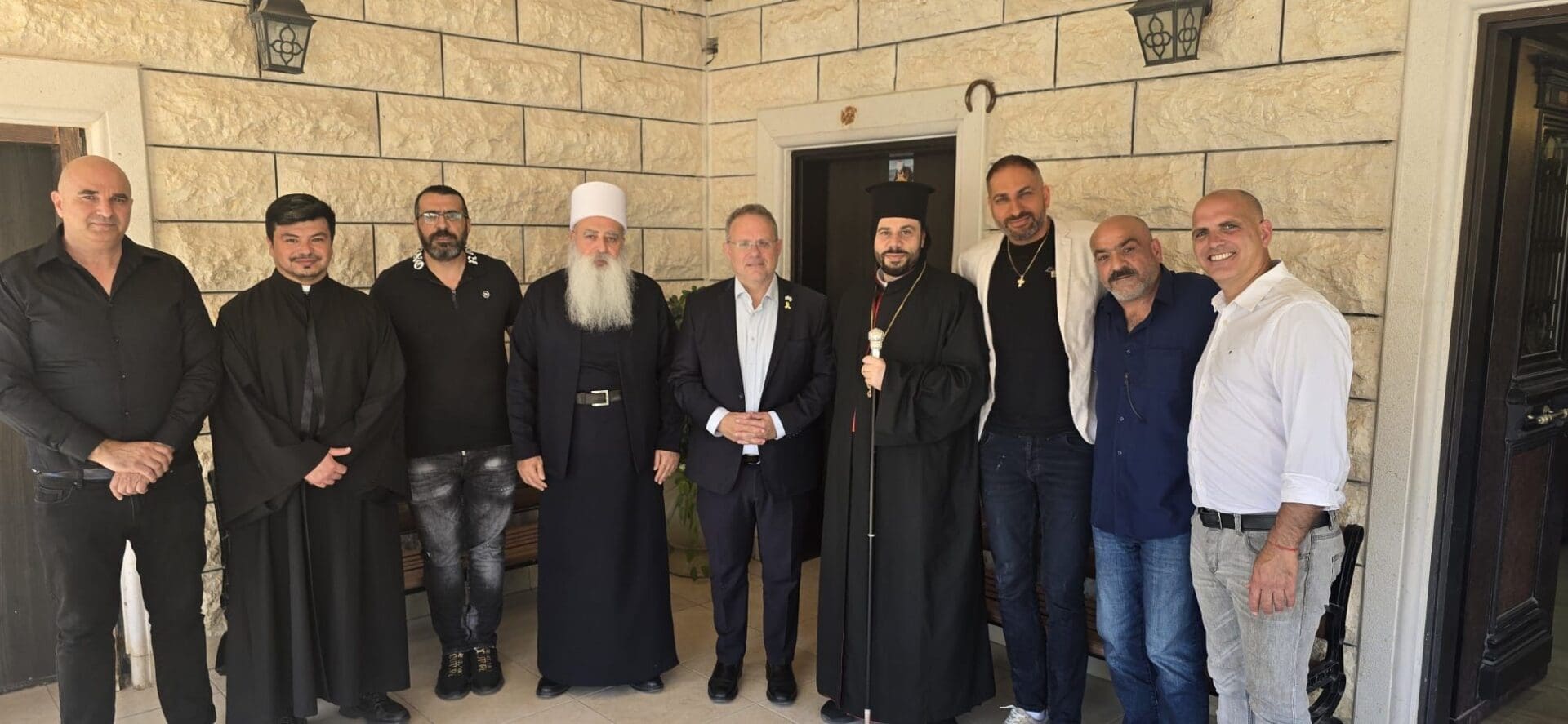
(haipo) Ihab Shalian, a former senior cyber officer in the IDF and the first Christian to reach the rank of lieutenant colonel, has been leading a public and social struggle in recent years to integrate young Christians into military service. Shalian, who currently heads the Christian Voice association, describes a complex reality in which young Christians who wish to enlist encounter bureaucratic obstacles, a lack of dedicated recruitment infrastructure, and indifference on the part of state officials. In an in-depth conversation, he reveals a broad picture of discrimination, frustration, and lack of response, alongside a deep commitment to the state and to the integration of members of the Christian community into Israeli society.
A leading figure in the struggle to integrate Christians into the IDF
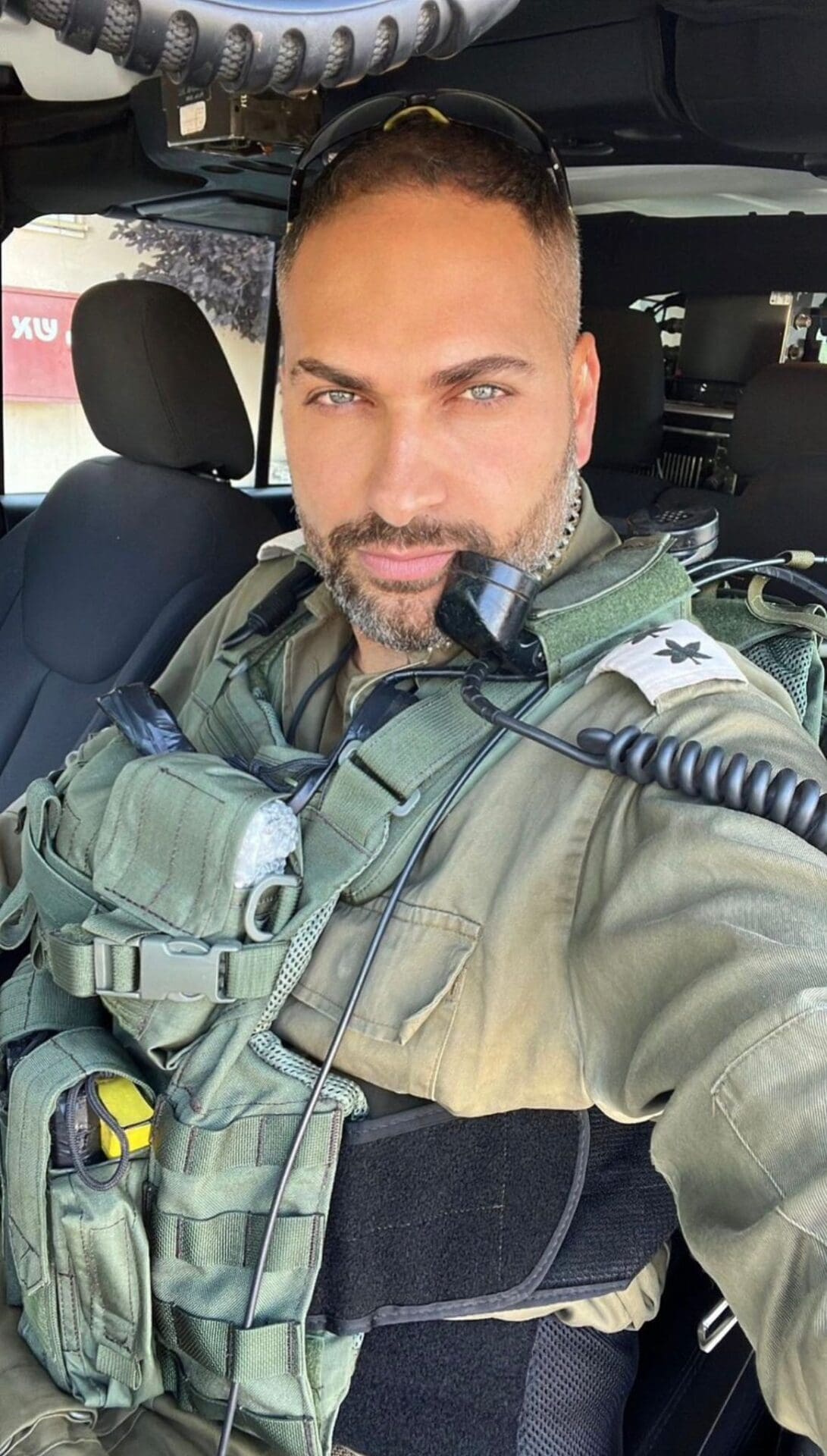
Ihab Shalian, 45, from Nof al-Galil, is considered one of the most prominent figures in promoting Christian recruitment into the IDF. He served 25 years in the army, held senior positions in the IT system, and became a symbol for young Christians seeking to join a meaningful service. Upon his retirement, he founded the "Christian Voice" association, which aims to encourage recruitment, assist families, and create a social and community infrastructure that supports recruits.
Shalian grew up in a mixed environment, attending a Christian school in Nazareth, and was educated alongside Jewish friends. He says this experience shaped his worldview and commitment to partnership. He emphasizes that he never saw himself as representing a sector, but rather as an Israeli seeking to contribute to the country.
Christian Mobilization and Public Struggle Forum
In 2012, Shalian was among the founders of the Christian Community Recruitment Forum, an initiative designed to encourage young Christians to enlist. The forum sparked a political storm, particularly among some of the Arab leadership, who opposed the integration of Christians into the army.
Despite the opposition, the forum succeeded in creating a new social movement, which expressed a growing desire among young Christians to take part in civil service. Shelian says that the forum was established out of a real need: "Christian mothers did not find a listening ear. There was no Christian recruitment section, there was no one to talk to them, there was no one to explain."
He notes that, on the other hand, there are dedicated recruitment mechanisms for other sectors: the Bedouin Recruitment Section, the Haredi Administration, affiliated associations, but Christians do not have any similar infrastructure.
Design of the Israeli Christian Flag and Public Recognition
One of Shalian's most notable moves was the design of the ethnic flag of the Christian community in Israel. The flag was first raised at an event honoring Christian soldiers at Camp Samson in 2022, and became a symbol of pride and identity.
But even here, Schlein encountered resistance. According to him, some argued that it was forbidden to fly a flag with a cross, but those same elements did not hesitate to use it when it was necessary to raise funds. "This shows how complex and inconsistent the attitude towards Christians is," he says.
Meeting with the US Ambassador and an attempt to mobilize international support
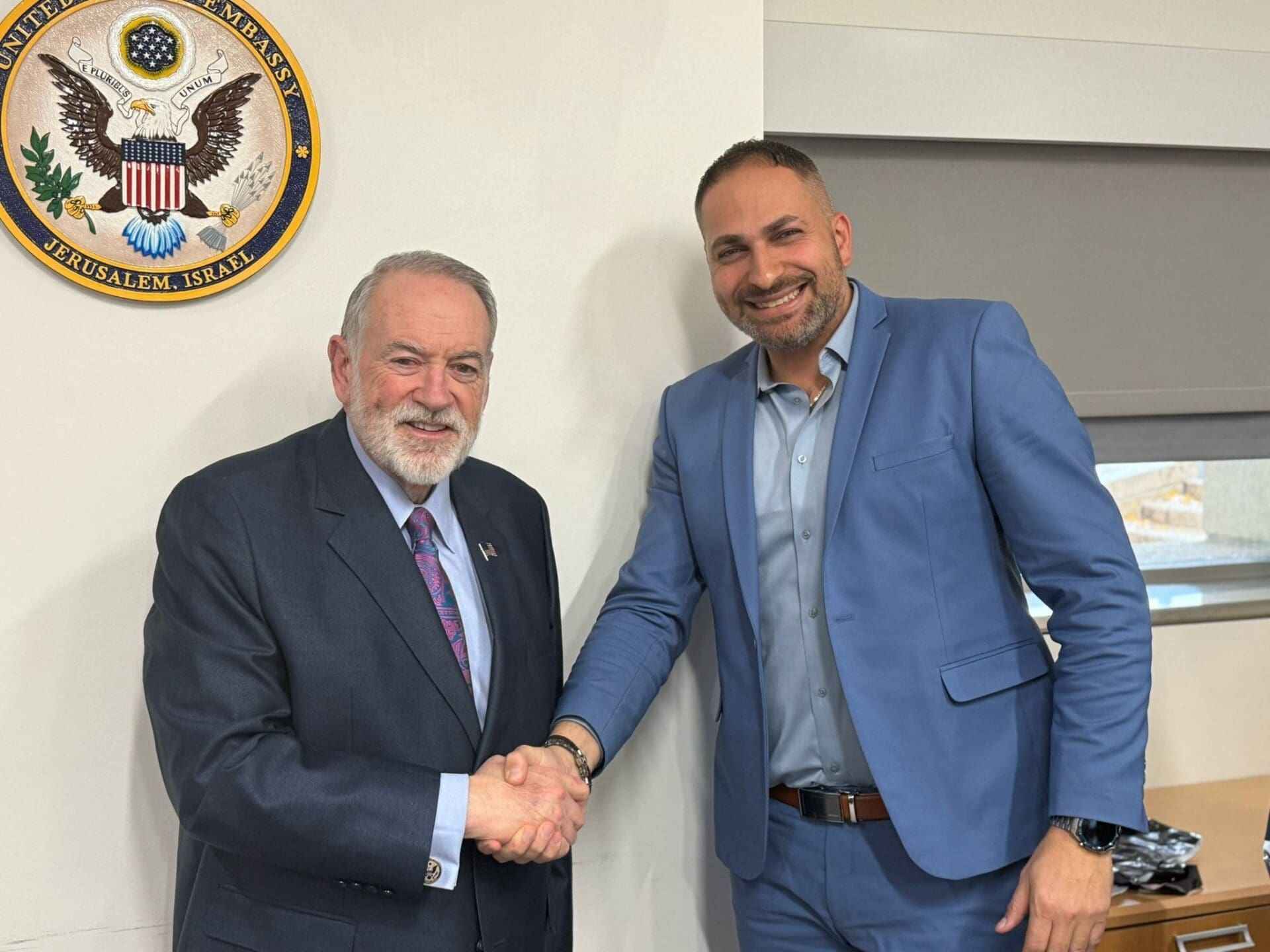
About two weeks ago, Shalian met with the US ambassador to Israel, Mike Huckabee, in an attempt to enlist him in the fight. According to him, the international Christian community is showing great interest in the situation of Christians in Israel, and many of them support their integration into the IDF.
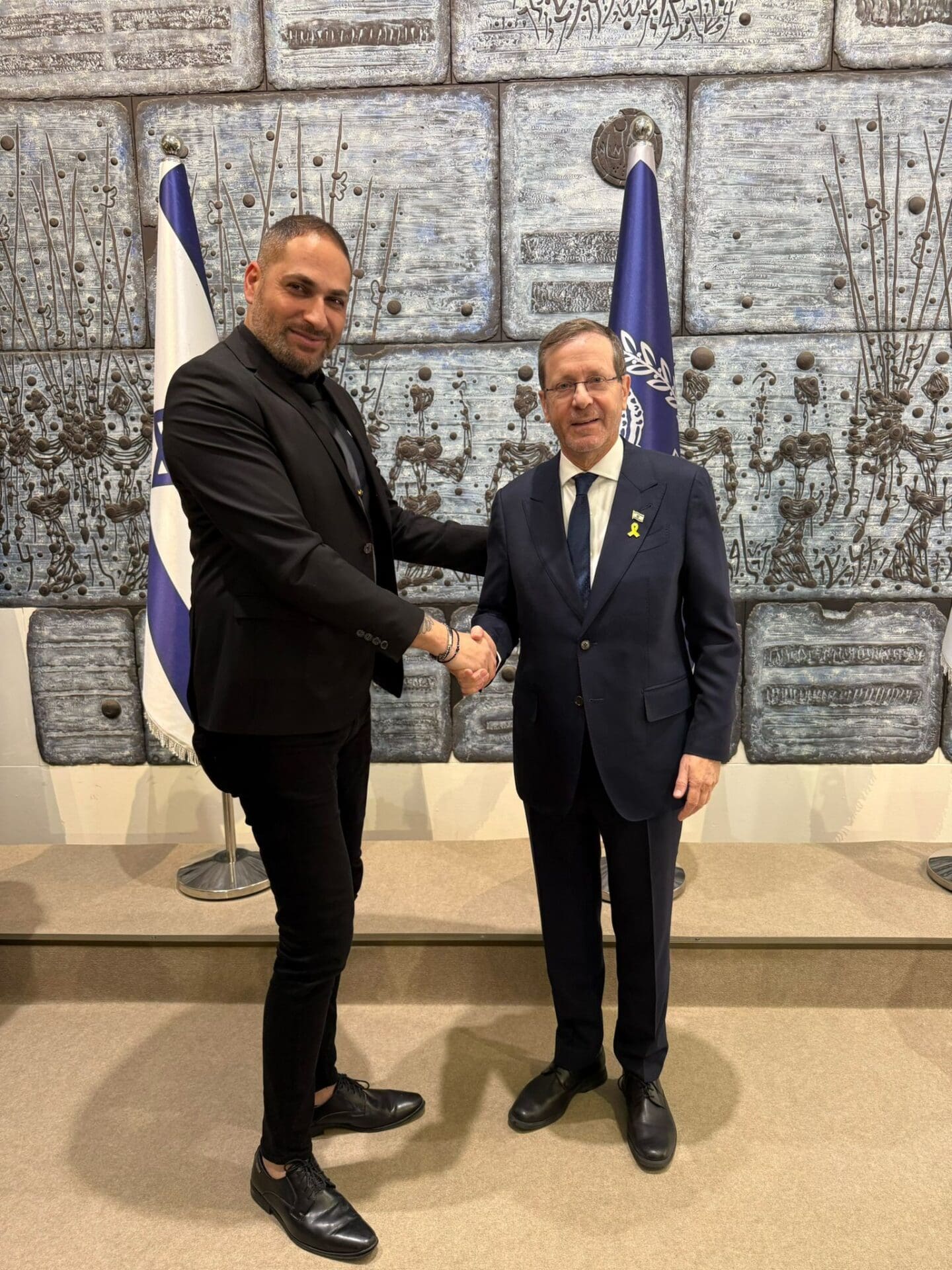
Shalian says he contacted Christian organizations around the world, and they sent official letters to the Israeli government demanding that the issue of conscription be regulated. Following international pressure, he even went so far as to have the issue discussed at the President's residence.
Bureaucratic barriers and unwillingness on the part of military officials
One of the most painful issues for Shelian is the lack of a structured recruitment process for Christians. According to him, "no one is interested in recruiting Christians into the IDF." He says that he has received letters from the IDF asking him to stop his activities on the subject, and that various parties have tried to "cover up" the IDF so that it will not engage in recruiting Christians.
The situation on the ground is difficult: young people are graduating from high school and are interested in volunteering for the army, some for combat service, but they sometimes wait over a year for a security investigation that would allow them to begin volunteering. In 2022, only 327 Christians served in the IDF out of about 142 Christian citizens in Israel. There is no designated recruitment manager, no outreach system, and no organized process. Shelian compares this to the Bedouin sector: "The IDF has 600 Bedouin soldiers, and they have six officials who accompany them. We don't even have one." Only after public pressure was one soldier appointed to handle the issue, and he, he says, is also having trouble dealing with the system.
Personal stories of frustration and humiliation
One of the stories that particularly moves Shelian is the story of his son, a young man of military age, who is interested in volunteering for the Border Guard. Despite his strong desire, he waits for months for a security investigation, while his Jewish friends have already enlisted.
"My son feels humiliated," says Shelian. "He asks how he can want to contribute to the country and they don't even let him start the process." He says he receives dozens of calls from young Christians who are in a similar situation, want to enlist, but encounter a bureaucratic wall.
Discrimination even outside the military
Shalian points out that the discrimination does not end in the IDF. Even on security job applications, there is no option to mark "Christian." "I believe in enlisting in the IDF, I am a Zionist, we have no other country," he says. "But my disappointment is that no one is interested in our enlistment. It doesn't make sense." In addition, he is troubled by the fact that Christian soldiers who are discharged from the IDF are not given guidance for civilian life and, in some cases, continue to fulfill the same professional role they held before their service and do not advance.
A struggle to commemorate the Christian soldiers
Another issue that Shalian is leading is the establishment of a memorial site for Christian soldiers who fell while serving.
Today, the commemoration is done together with the Bedouin soldiers, but Shalian believes that a dedicated site is needed to honor the contribution of Christians to the country. He says that three tours of the area designated for the site have already been conducted, but each time the location was not approved.
"We know of 29 Christian martyrs who speak Arabic," he says. "Their families are waiting for recognition. This is the minimum that the State of Israel should do." As far as he is concerned, there is no obstacle to a joint commemoration with all Christian soldiers, both Hebrew and Arabic speakers, but this is the army's directive and he respects it. The memorial site will be established and the stone with the names of the fallen has already been designed to honor their memory and honor the pain of the families of the fallen.
Appeal to government ministries and political figures
Shalian works tirelessly with government ministries, members of Knesset, and civic organizations. He particularly notes the collaboration with MK Akram Hasson, who continuously assists in the struggle. He says that he has met in the past with Prime Minister Benjamin Netanyahu and former Defense Minister Benny Gantz, and both expressed support in principle, but in practice nothing has changed. "Everyone says that everything should be done, but nothing is being done," he says. "I understand that they are busy, but that is no excuse."
A vision for the future and a desire for full equality
Despite the difficulties, Shelian continues to fight. For him, success will begin with the establishment of the memorial site, and from there the path to change will be easier. He emphasizes that his struggle is not personal: "I ask for things for the good of the country, not for my own good." Shelian believes that integrating Christians into the IDF is a national interest, and the state must stop ignoring the Christian community, which wants to contribute.
Did the article interest you?
Very nice, every young Israeli should be drafted without distinction, those who do not enlist are obligated to national service tailored to their community. At the same time, it is difficult to understand how most Christians in Israel define themselves as "Christian Arabs," after all, it is known that their ancestors came here from Greece and Cyprus. Maybe it is better to say - I am a Christian Israeli?
In my opinion, a distinction should be made between Arab-Christians and Christians without a nation/national aspiration, such as new immigrants or those who immigrated from non-Arab countries with whom there is no problem, quite the opposite.
It is also not clear from the article what the reasons are that supposedly prevent their enlistment. Do they want economic benefits like the Druze/Bedouin Arabs in the north and south, many of whom receive land for construction worth billions of shekels? (By the way, Jews and new urban immigrants enlist despite the state's discrimination against them in this regard, which I believe is true loyalty on their part and not enlistment as a result of economic benefits.)
And besides, in my opinion, before examining what is good for this or that population, we should first examine what is good for the state and the army?
Our country is our land to which we returned by virtue of our religion, and it is forbidden for one group or another to undermine, not to say endanger, us or the army of the State of Israel, which is first and foremost the nation-state of the Jewish people, and some would say Jewish and democratic. And is the contribution of one large or negligible group or another worth creating other complexities for the army/soldiers/soldiers/status quo in the army?
So it's also true that one should not generalize, but nevertheless, 60% of Israeli Arabs, according to a 2012 survey, define themselves as Palestinians, a large portion of whom vote for parties that oppose Zionism or opponents of Jewish Israel, so the impression in the article, to put it mildly, may in part not reflect the reality as the article may be trying to portray.
There are no Christians who want to enlist, there are Christian activists who want armor in the Likud…
It is right to allow their recruitment, they are part of us. At the same time, apart from affirmative action that places the citizens of the country with a "self-goal", it is time to abolish this, since all government ministries are staffed by Arab Muslims, including in academia. And the citizens of the country are forced to leave abroad to study and work, which leads to self-destruction and irreversible damage.