


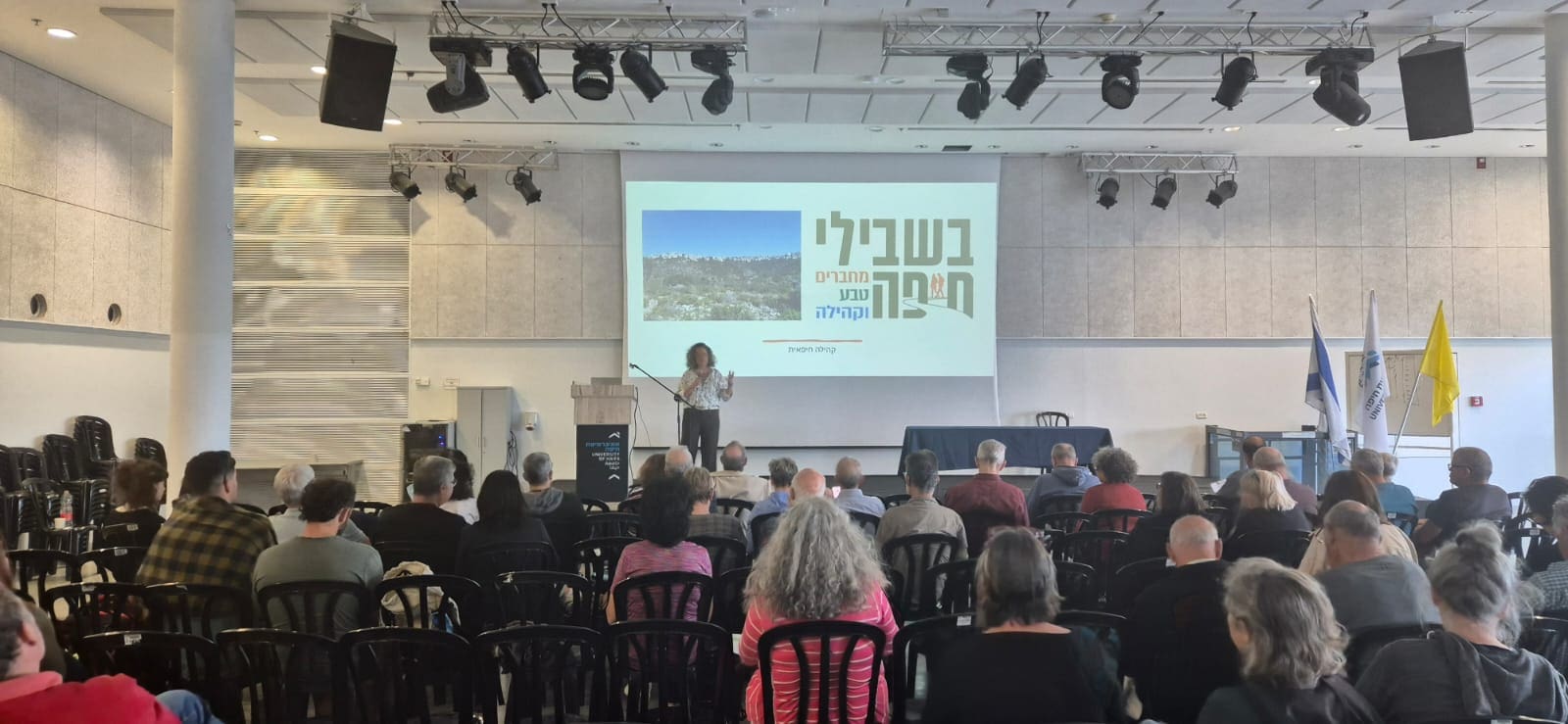
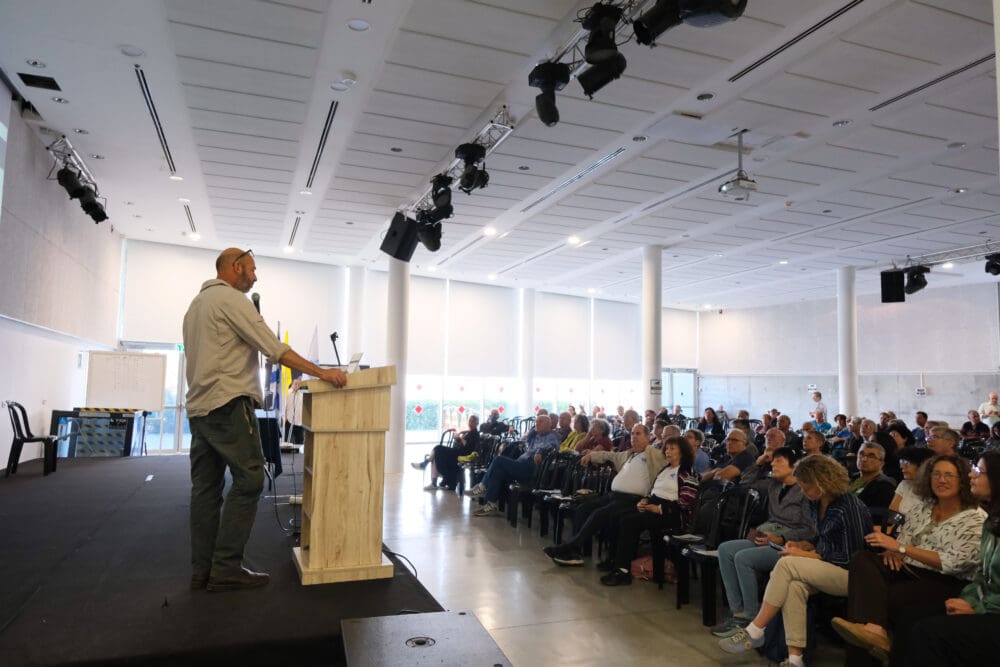
On Thursday, November 20, 2025, a first-of-its-kind conference was held in Haifa under the title "Haifa Valleys - Academia and Community Connecting." The conference marked a significant milestone in the civic struggle to recognize the Haifa Valleys as a vital urban natural space, and placed on the map the many initiatives led by the "Beshibli Haifa" group and the city's residents in recent years.
The conference, a collaboration of the Mediterranean Trails Research Center, which is run by Prof. Noga Collins Krainer and the 'For My Haifa' group, which she founded and manages Inbal Chen Bergev.
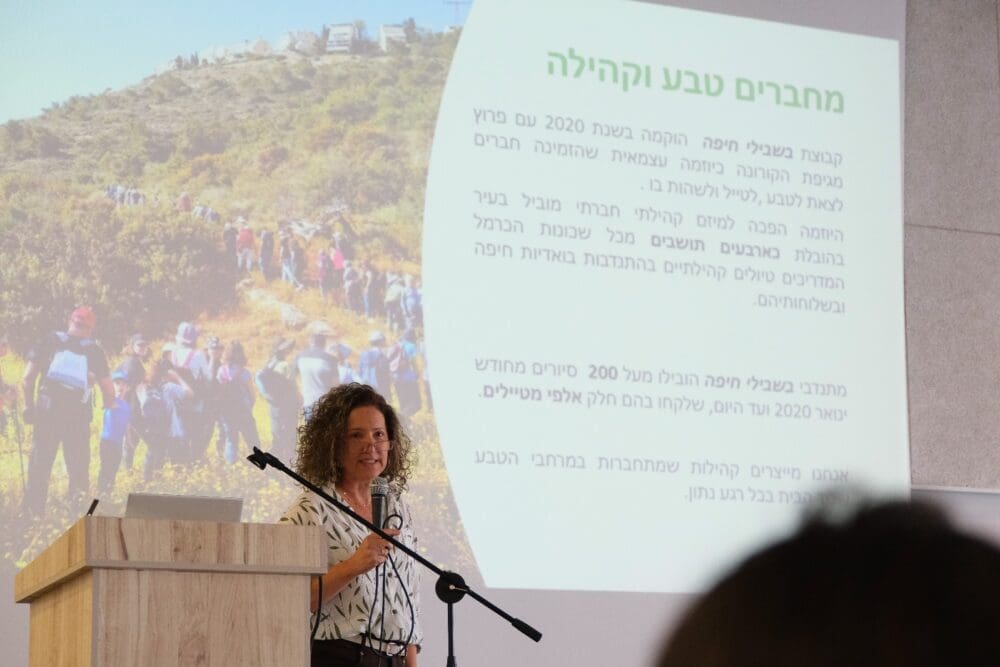
"For Haifa" Group – Active Civil Force
For five years leading Inbal Chen Bergev, the founder of the group, a broad urban initiative to create connections and collaborations with many parties: the Haifa Municipality, the Nature and Parks Authority, the Society for the Protection of Nature, environmental associations, academic institutions and community initiatives, in order to raise awareness of the importance of the Haifa wadis as open spaces and to establish a system of regulated walking trails in the Haifa wadis and the Carmel spurs.
The group is diverse and consists of Carmel residents from all neighborhoods, who hike in the wadis throughout the year, who constitute a mixed and active civic force, reporting to the local authority, the Carmel Water Corporation and other bodies on environmental hazards such as: the current state of the wadis and trails regarding waste and garbage, invasive vegetation, flowing sewage, etc. The main activity of the group is leading community hikes that are open to a wide audience of all ages on dozens of hiking trails offered by the wadis and which bring residents together with nature near their homes.
"Leaving the 'Ivory Tower' - into the field"
Prof. Noga Collins Krainer, Director of the Center for the Study of Mediterranean Routes at the University of Haifa: "There is nothing more important to me than to go out of the "Iron Tower" into the "field", to influence the field itself, to make an "impact" as we say at the university, and to be here, today."
Prof. Noga Collins Krainer also presented the Sea Path project, directed by Dr. Alik Adler.
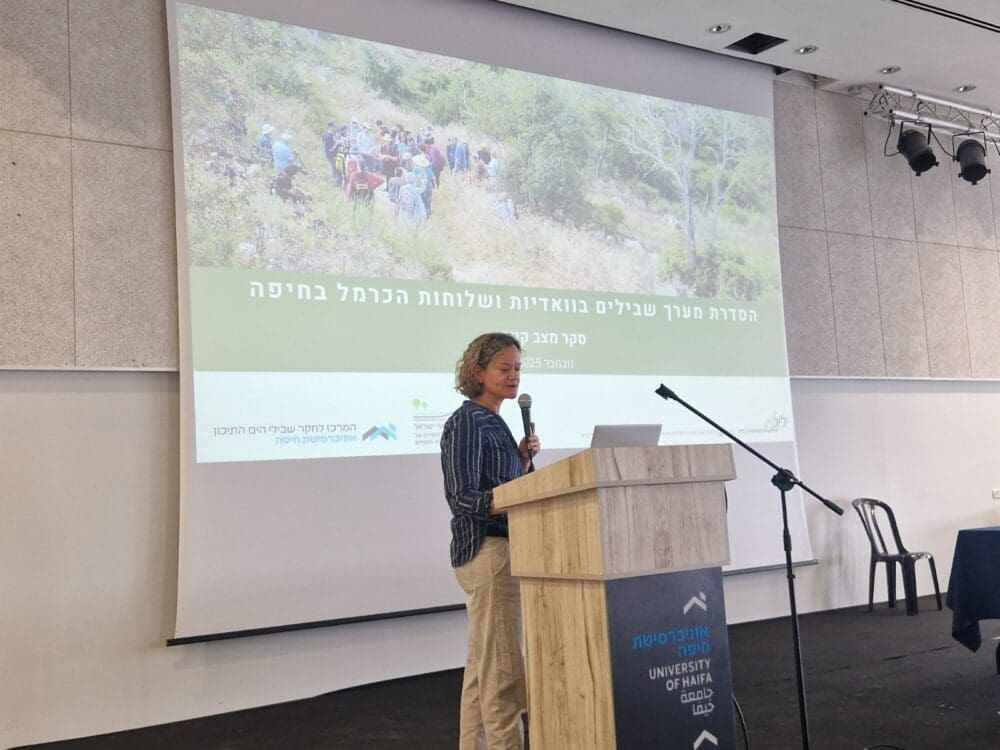
Feasibility survey for regulated walking trails
Dr. Naama Tesler, An ecologist presented at a conference a comprehensive survey she has been conducting in the Haifa valleys for the past year. The survey, initiated by the University of Haifa and the "Haifa Paths" group, was designed to examine the possibility of establishing a system of regulated walking trails in the city.
Among the initial conclusions from the survey:
- Regulation and standardization – Establishing a uniform marking, signage and information system for trails, in cooperation with the relevant parties.
- Permanent central management, monitoring and maintenance system For ongoing management of the trails, including maintenance procedures, GIS data, and sharing information with the public.
- Upgrading existing infrastructure – addressing hazards, restoring access roads, and making trails of high importance accessible to the public.
- Integration into planning processes – integrating the trail network into urban and regional planning documents, including maintaining ecological sequences.
- Community collaborations – expanding the involvement of resident groups, field organizations, and volunteers in monitoring and maintenance.
She said: "Today, many trails exist, but in the absence of proper maintenance, they do not fulfill their potential."
The Bay Promenade – A Metropolitan Vision
Yuval Admon, head of the Haifa Bay Authority, presented a vision for a continuous promenade, from the Matam Center to Kiryat Yam. The vision includes a future connection to the national "Sea Path" project, but encountered physical and planning barriers that make it difficult to realize in the area.
Carmel Park and the University – a Natural Connection
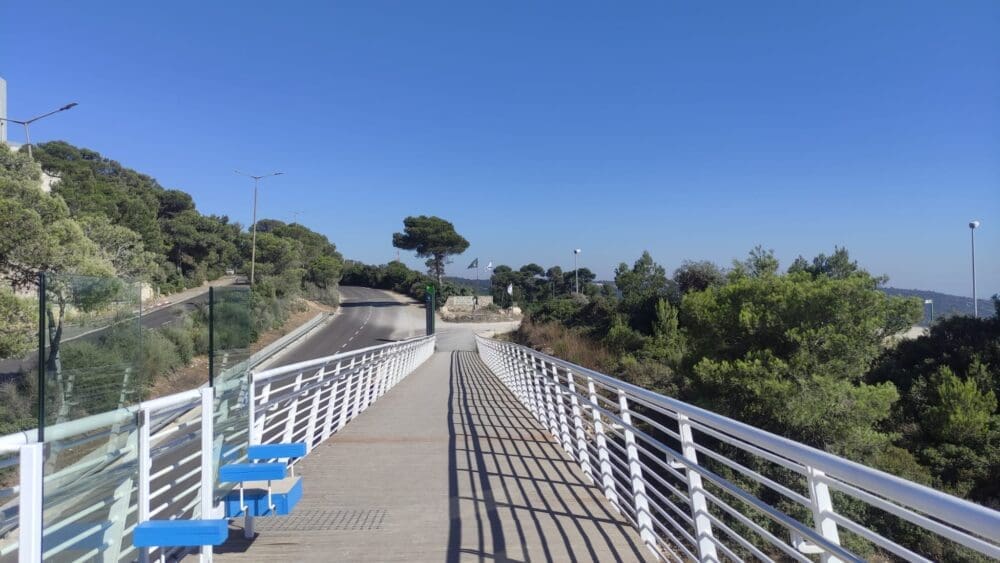
Eyal Cohen, Director of Carmel Park, introduced the recently opened White Bridge that connects the University of Haifa to the park's trails. In addition, new trails were inaugurated, such as the Hachamor Trail and the Rakit Trail, allowing students and university employees to enjoy breaks in nature.
Local communities – partnership on the ground
Inbal Chen Regev presented the activities of the Haifa Paths Community and its members over the past five years since its establishment and shared with the large audience the many activities of the city's residents in nature. The Wadi Latem Community is an example of a community that is constantly looking for collaborations with public bodies and they led, among other things, an experimental workshop in ecological forestry to learn how to benefit the wadi and work hard to restore the urban park area that connects the city and the bar. The Ramat Alon Community is another example of an active community that keeps the Ramat Alon forest trails clean, with subtle signage that integrates into the forest and guides travelers, and information is made available on the Facebook page.
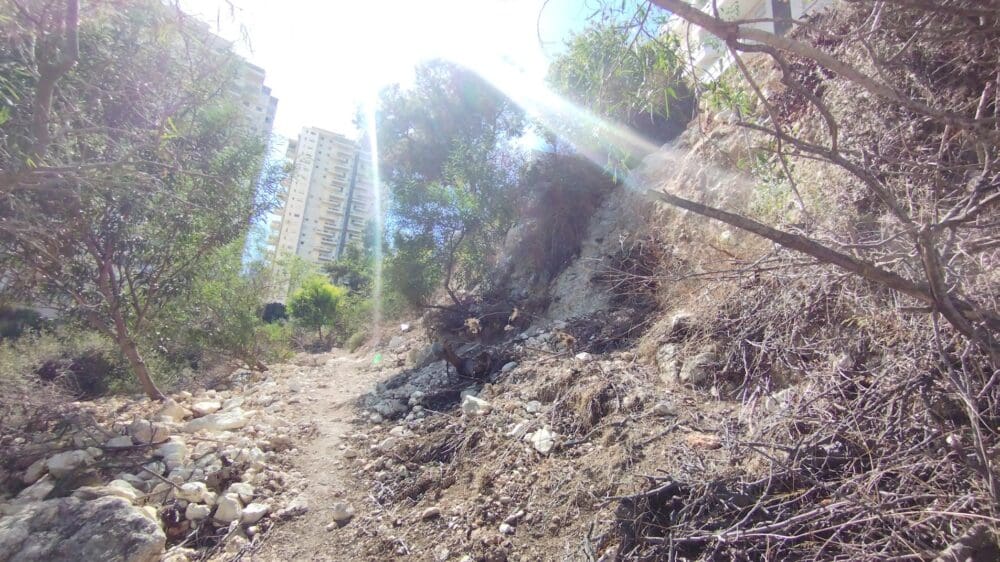
Inbal Chen Regev emphasized: "The Haifa Valleys is a project that I have been leading in the city for the past five years and its goal is to motivate the municipality to establish a system of regulated walking trails in the Haifa Valleys and the Carmel Extensions. For decades, municipal responsibility has not been taken for the maintenance of the valleys, and therefore their condition is neglected and they are not inviting to walk in. We are changing passive thinking and want the municipality to recognize the valleys as an active space, a space of mental and physical resilience that invites the public to stay in it.
Academic Paths – University and Technion
Tzafrir Yishai, Master of Science in the School of Environmental Sciences and a researcher at the Center for the Study of Mediterranean Trails, shared with the conference audience a university campus trail that will soon be inaugurated for the benefit of faculty, students, and visitors to the campus. This is an external trail that surrounds the academy institution and combines various stops for landscape observations, environmental sculpture, art, and more. The survey is currently in the preparation stages and will move into the implementation phase in the near future.
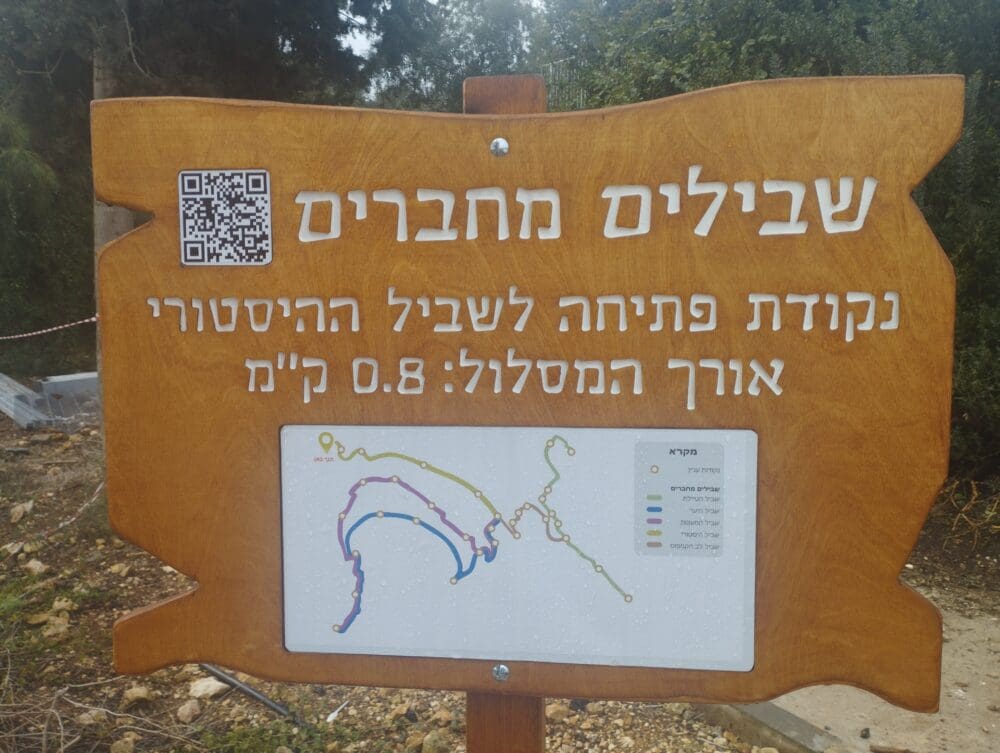
Orly Molla, Head of the Center for Sustainability at the Technion, presented the 'Connecting on Trails' project throughout the Technion. Independent walkers can choose from five different walking routes and, accompanied by a dedicated app developed for this purpose, listen to stories about characters and stories related to the history of the Technion, architecture and, of course, the nature on the grounds of the academic institution.
Citizen Butterfly Monitoring Project
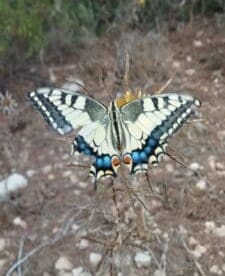
At the end of the conference, he announced Israel Parr The municipality has approved in principle a project, the first of its kind in Israel, to monitor civilian butterflies in the Haifa valleys. Barcodes will soon be placed along the trails, and hikers will be able to report butterflies they have seen via an app, a significant contribution to the national monitoring of Israeli butterflies.
The conference in Haifa revealed the extensive work of residents, academia, and authorities around the issue of wadis. The connection between community, nature, and public institutions positions Haifa as an innovative urban model for preserving open spaces and cultivating urban halakhic values.
Did the article interest you?
Hello, how do you join trips to the wadis?
Well done to the researchers, the operators, and all those working to preserve nature.
Now the Haifa Municipality just needs to listen to Michal Chen Regev and take responsibility for cleaning and maintaining all hiking trails on an ongoing basis throughout the months of the year, even without us chasing them.
The sovereign, according to the laws of the State of Israel, is responsible; all that remains is to implement it.
Amit
Green in the Heart Association
What is nature worth when everything around here is shit and crazy pollution in this city?
The Carmel Campus Trail at the University of Haifa exists and is well-maintained, not just planned. What was presented at the conference was a plan to improve it and make it accessible to the university community and visitors.
It's a shame that in such a comprehensive article you only skipped the names of two lecturers who presented the paths of academia in the city.
Technion Trail – Orly Mola and Haifa University Trail – Tzafrir Yishai
I would be happy to publish dates for organized trips along the Haifa Trail.
Waiting…Ofra
Breathe
Walking the Haifa Trails did not begin five years ago. About 15 years ago, Guy Shahar began marking the Haifa Trail, a city trail that stretches about 70 km within the city. The Yarok Balev Association started the Wadiyot Trail about 11 years ago. The Haifa Municipality conducted a comprehensive survey, including public participation, regarding the designation of the Wadiyot. The problem is not information, it exists in abundance – what is missing is the municipality’s acceptance of responsibility for maintaining the trails in its territory, and it is a pity that none of those responsible for the issue, as well as the two deputy mayors who entered the municipality with a “green” badge, saw fit to participate in the conference.