


Initial findings from a citizen science project in Haifa: Only 2% of salamander babies survive to adulthood.
After six years of nightly monitoring in the Haifa valleys, alarming data on the condition of salamanders is being published for the first time, emphasizing the importance of preserving urban habitats.
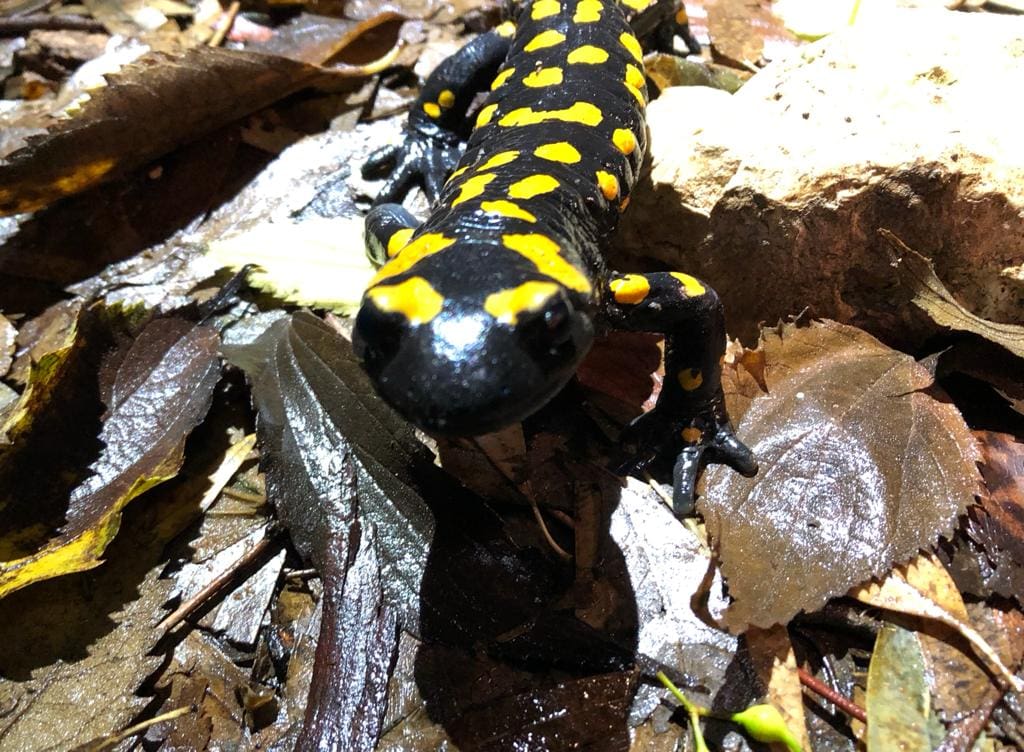
The common salamander (Salamandra infraimmaculata), a rare amphibian in danger of extinction in Israel, is the focus of a unique citizen science project that has lasted six years in Haifa. Dozens of volunteers monitored urban populations of the salamanders on cold, rainy nights, with the aim of understanding the species' patterns of survival and survival. Now, the research findings are being published for the first time in the Journal of Zoology, presenting a complex but also hopeful picture.
Main findings: Loyalty to place, high mortality for young people
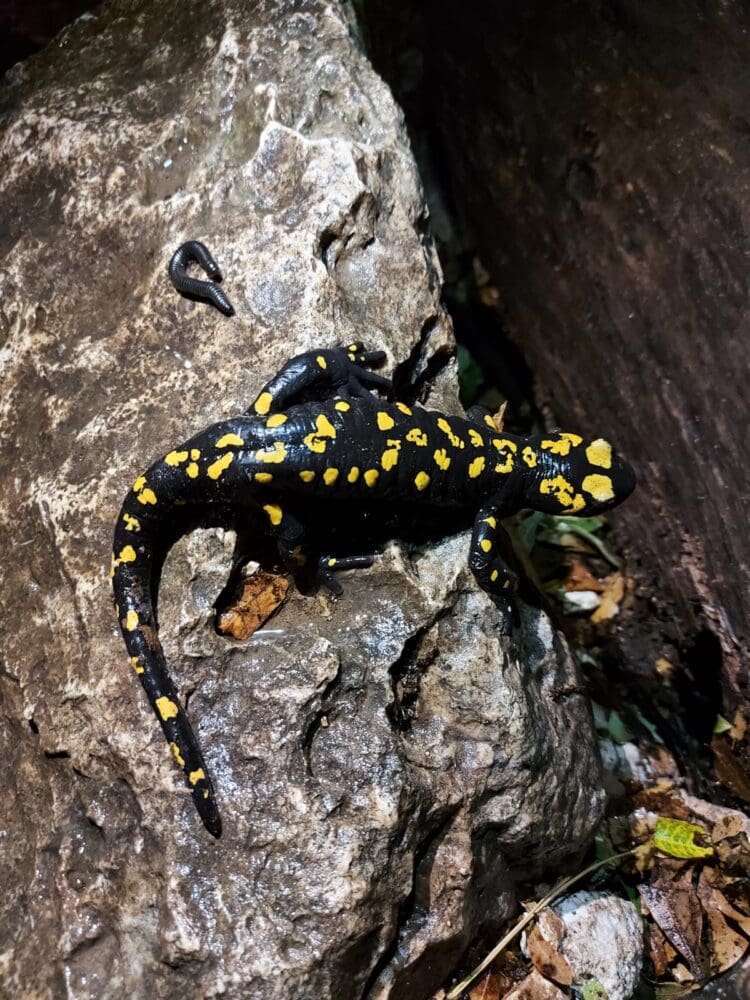
- 85% of salamanders observed more than once were observed at the same location, indicating high habitat fidelity.
- Only about a third of young salamanders reach sexual maturity.
- The chance of a tadpole surviving to reproductive age is only 2%.
- After reaching adulthood, the annual survival rate increases to 85%.
The importance of preserving urban habitats
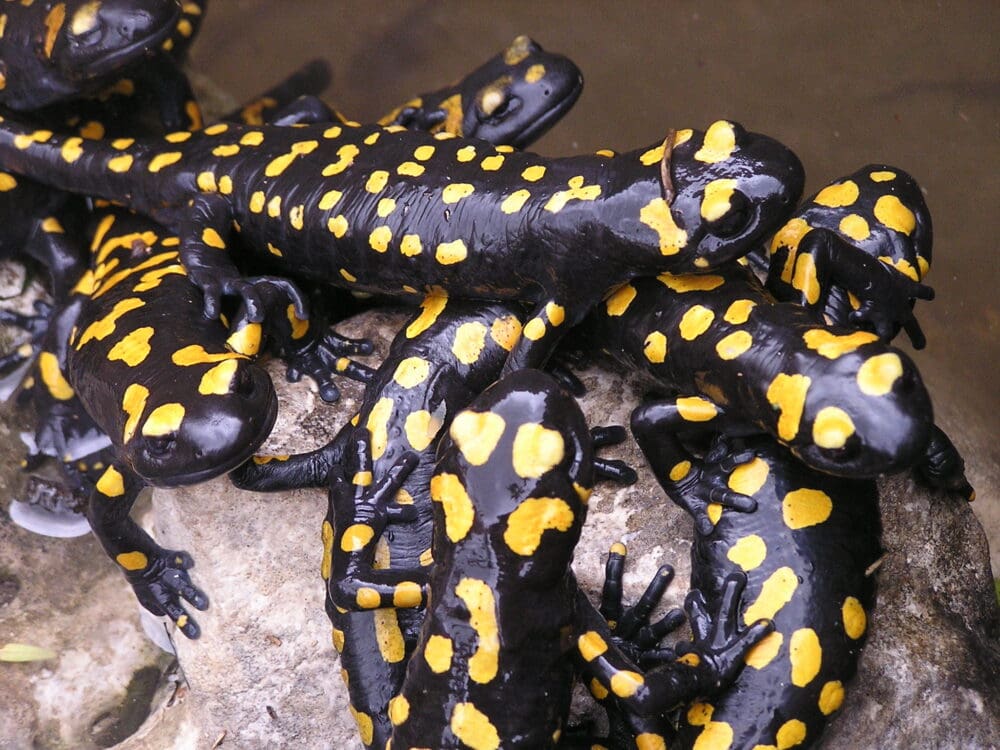
- The habitats include not only the water bodies for breeding, but also the paths and slopes in the wadis.
- In one of the two wadis studied, almost no young salamanders were recorded, indicating low reproductive success and a local risk of extinction.
Citizen Science: Public Contribution to Research and Conservation
Dr. Nirit Lavie Alon, Coordinator of Citizen Science at the Society for the Protection of Nature, emphasizes: "The study demonstrates how public engagement can yield significant scientific insights, strengthen the community's connection with urban nature, and lead to effective conservation."
Olga Rybak, Project Coordinator, adds: "This is the ninth year of activity, and the community is only growing. We thank all the volunteers and partners. Without them, this would not have happened."
Environmental dangers: Gambusia fish threaten amphibians
- In other sites, mainly in the Jerusalem area, a negative impact was found from Gambusia fish, an invasive species that preys on amphibian tadpoles.
- The public continues to release the fish into bodies of water for mosquito control, but the researchers remind us: the salamander tadpoles themselves feed on mosquito larvae and constitute a natural and effective solution.