


(Hai Pa) – The State Comptroller's report for 2023, published on Thursday, 13/2/25, reveals a worrying picture regarding the financial situation of some of the parties, which have a serious deficit and a real fear of not being able to repay the loans they have taken. Alongside this, the report also notes a number of factions whose financial conduct is sound and they are not in a deficit or at economic risk.
The three factions with the most severe deficit
Of the 16 factions examined, the three factions in the most difficult financial situation are:
1. Likud – The faction has an accumulated deficit of approximately NIS 44.3 million, with the balance of the loans it took from the Knesset standing at NIS 56.2 million. Its total liabilities stand at NIS 21.7 million, which raises serious concerns about its ability to meet debt repayments.
2. Arab League List (ALL) – It has a deficit of approximately NIS 13.9 million, with liabilities totaling NIS 15 million. Its loan principal balance is NIS 10 million, which raises doubts about its ability to meet repayments.
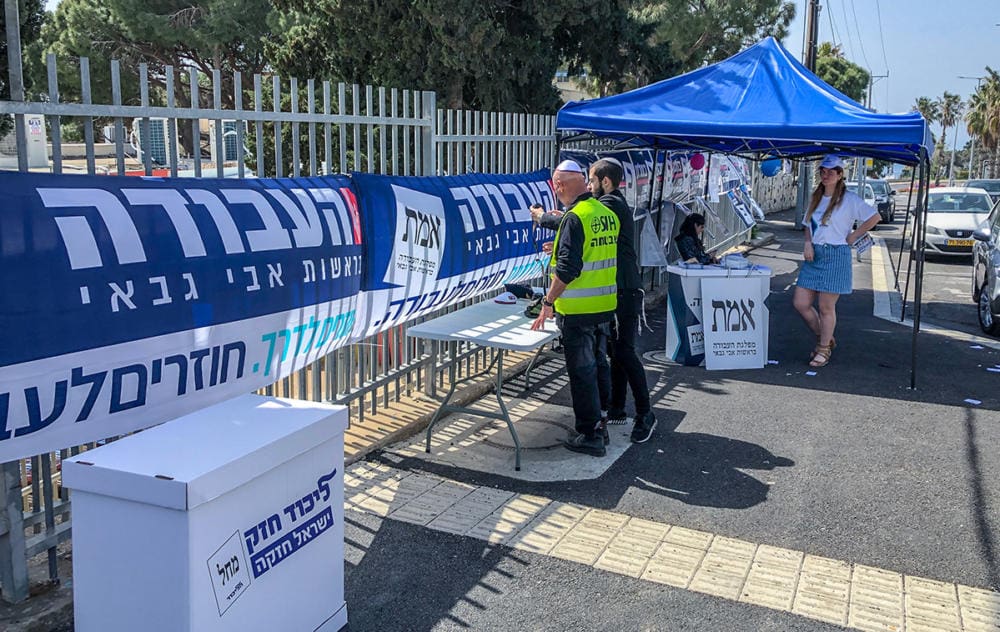
3. The Labor Party – Has a deficit of approximately NIS 10 million, with liabilities of approximately NIS 5 million and loans totaling NIS 8.7 million.
According to the report, the deficits stem mainly from repeated election campaigns, for which many parties were forced to borrow significant sums from the Knesset.
The factions whose financial conduct is sound
On the other hand, the report notes three factions that did not take out loans or are not in deficit:
1. One future – a good future for Israel – Has a budget surplus of approximately 841,000 NIS and has no significant liabilities.
2. Our Land of Israel – Without debts or deficit, with positive balances of approximately 801,000 NIS.
3. The National Union – Resurgence – NYou have a budget surplus of approximately 6.2 million NIS, with a healthy budget balance and the ability to meet your expenses without the need for loans.
The main concern from the report is that some factions will not be able to repay the loans they took from the Knesset, which could lead to public funds disappearing without being returned. The parties rely mainly on ongoing government funding, but when it is used to repay debts and not for ongoing activities, their ability to maintain continuous contact with the public is compromised.

Concern for public funds
If factions fail to repay loans, the state may be forced to forfeit the funds, meaning that this is a direct loss to the taxpayer. Impairment of faction functioning – When a party is mired in debt, it may cut back on its public activities, which may harm public involvement in elections and political life. Impairment of party stability – Parties with heavy debts may deteriorate into financial collapse, which may affect the political map.
The State Comptroller's report paints a worrying picture regarding the financial conduct of some parties, while highlighting concerns about the inability to repay loans. On the other hand, it notes a number of parties that manage a balanced budget. Now, it remains to be seen how the indebted factions will deal with the financial challenges, and whether the state will take steps to ensure that the debts are repaid and do not fall on the shoulders of the public.
Important article, Samar.