

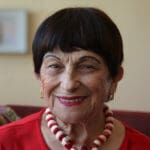
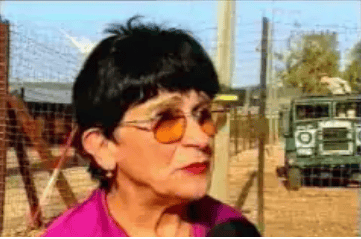
On the night of October 9-10, 1945, Palmach fighters set out to break into the detention camp in Atlit and free more than 200 Jewish illegal immigrants who were being held behind the British barbed wire fences. I was there. Together with my friends in the "Hagana", I joined the escorts who led the illegal immigrants through hidden paths to Beit Oren. The changing of clothes, the walking through the forest paths, the excitement and the British siege of the kibbutz, all of these were engraved in my mind, and have remained with me ever since.
The Land of Israel is still without a state
We didn't have a country yet.
In 1945, the British Mandate ruled Israel, and the struggle against British policy regarding Jewish immigration was in full swing. After World War II, when many Jews tried to reach Israel, the British continued to arrest illegal immigrants.
Some of the illegal immigrants were deported to Cyprus, and others were brought to the Atlit detention camp.
In our eyes, the Atlit camp became a painful symbol of British immigration policy, a place where Jews who wanted to reach the Land of Israel found themselves behind barbed wire fences.
Then came the moment when it was decided to take action.
The incident in Kfar Giladi and the decision to break out
In October 1945, a serious incident occurred in Kfar Giladi. A group of illegal immigrants attempting to reach Israel through Syria and Lebanon encountered British forces, and during the incident, the illegal immigrants were shot.
The event sparked great anger and shock in the Jewish community.
The community leadership decided not to settle for a protest.
It was decided to break into the Atlit camp and release the illegal immigrants.
One hundred Palmach fighters set off
On the night of October 9-10, shortly after the holiday of Sukkot, about a hundred Palmach fighters left Kibbutz Beit Oren and the Palmach platoon commanders' course in Juara.
Among the commanders were Nachum Sarig and Yitzhak Rabin.
My future husband was also at the department commanders' course in Juara at the time.
The fighters set out towards the Atlit camp. Some of them blocked the roads to prevent the arrival of British reinforcements, while others approached the camp.
Shortly after midnight the signal was given.
Palmach fighters broke through the barbed wire fences, overpowered the police, and began removing the illegal immigrants from the camp.
"Don't get caught again"
But breaking into the camp was only the beginning of the operation. It was clear that the British must not be allowed to recapture the illegal immigrants. Therefore, they were led on foot, along hidden roads and trails, towards Kibbutz Beit Oren.
At that time, the "Hagana" called members of the organization and the youth in the area to come, mingle among the illegal immigrants, and help escort them.
My friends in the defense and I also joined.
We were among the many companions who set out on the road with the illegal immigrants.
We exchanged clothes with the illegal immigrants.
It was a night I will never forget.
We swapped clothes with the illegal immigrants, so that if the British caught anyone, they wouldn't be able to easily distinguish between the illegal immigrants and the people of the Yishuv who came to help them.
We walked along the paths leading to Beit Oren. We passed between rocks and through thickets of forest.
Everything was dark, and the tension was great. We knew that the British were looking for us and that at any moment we could run into them.
But we kept walking.
The illegal immigrants were with us, and we were determined to bring them to safety.
Beit Oren welcomes us with cheers
When we arrived at Beit Oren, the farm members welcomed us with cheers and joy.
After the long walk and the tension that accompanied us along the way, there was a feeling of relief.
But the silence did not last long.
Within a short time, the British arrived and surrounded Kibbutz Beit Oren.
The members of the farm and the "Hagana" men entrenched themselves resolutely and did not allow the British to break through and enter the kibbutz.
Meanwhile, through covert means, they smuggled the illegal immigrants through the horse trail towards Kibbutz Yagur.
From there they were dispersed to other localities.
The British leave Beit Oren
The British continued to surround Beit Oren for hours. The tension was great. We knew they wanted to enter the kibbutz and find the illegal immigrants.
But they were unable to break in.
Finally the British left the place.
The illegal immigrants were no longer there.
They managed to escape and continue their journey to their lives in the Land of Israel.
The memory that stayed with me
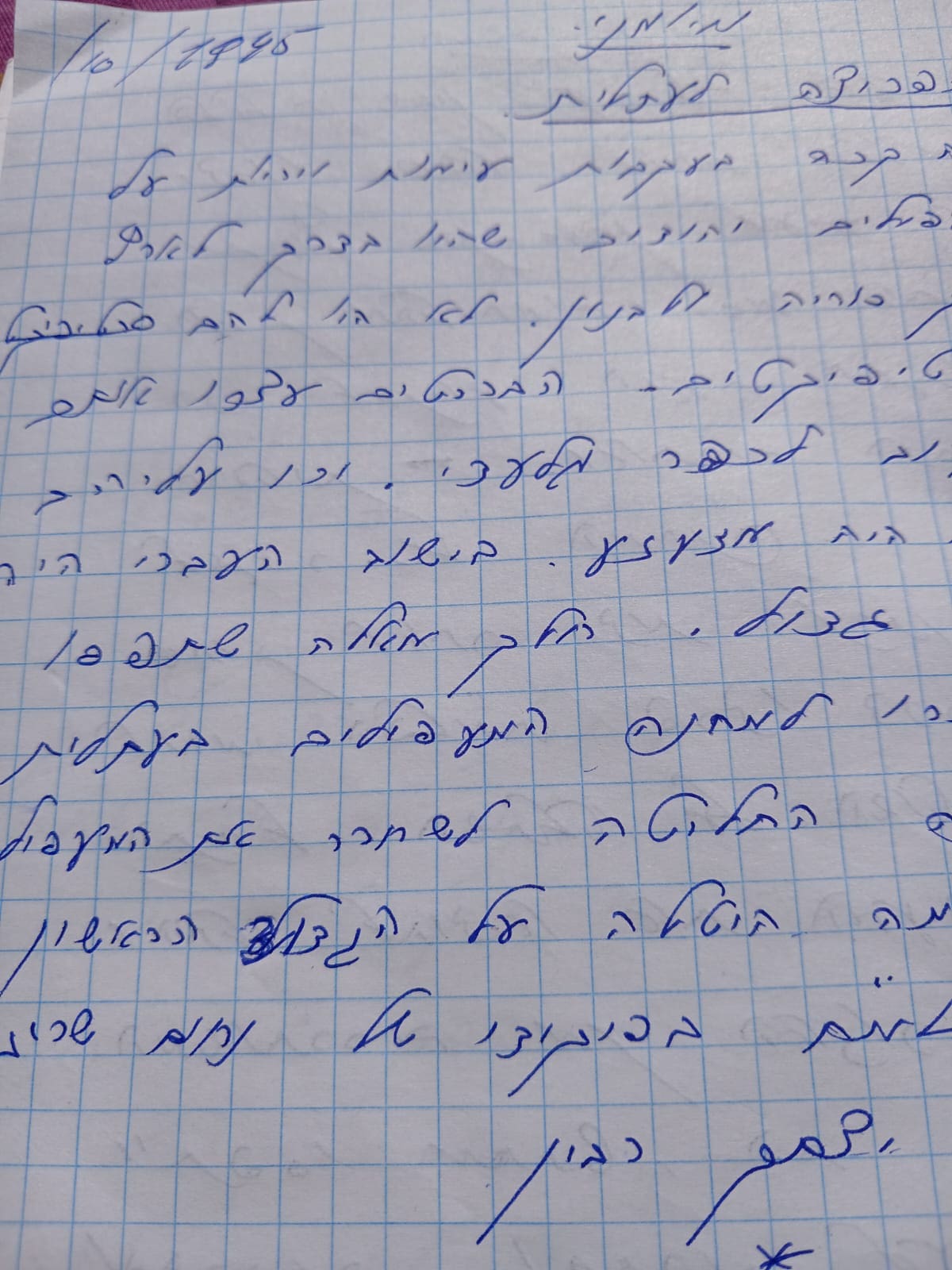
In those days, I wrote in my diary, with great excitement and trepidation, what we had gone through.
Today, when I think back to that night, I realize how deeply it was etched in me.
I remember walking in the dark, the paths between the rocks and the trees, the illegal immigrants who walked with us, the changing of clothes, and the feeling that we were part of something bigger than ourselves.
At that time, the State of Israel did not yet exist.
It was all a struggle for the right to come here, to live here, and to establish a national home for the Jewish people.
Atlit – the place where history still speaks
Today, when I visit the illegal immigrant camp in Atlit, the feelings return.
The place where barbed wire fences once stood and illegal immigrants were held behind them has become a heritage site that tells the story of illegal immigration, the struggle against the British, and the Palmach's actions.
But for me it's not just a historical site.
This is a place that takes me back to that night.
For the night when we walked along the forest paths with the illegal immigrants.
For the night we changed clothes to protect them.
The night we arrived at Beit Oren, while the British were surrounding the kibbutz.
And for the night when more than 200 Jewish illegal immigrants emerged from behind the barbed wire fences and continued their journey to freedom.
This is a memory that doesn't just stay in the history books. It stays with me.
My mother, Esther Geller, who in those days was called Esther Knabel, also participated in this operation, which she told me about when I was a child.
Fascinating. Dear Yehudit, it's lucky that you wrote diaries and that you share them with us. I wish they would teach all these important events in schools.
The story of an amazing operation. Memories like this are the proof, they are the magic of the Jewish people. Exciting. Thank you, Yehudit 🇮🇱
Yehudit is a tiny woman but huge in her heroic deeds for the State of Israel.