


"Find the killer!"
In one of Haifa's neighborhoods, an ad was posted 17 years ago titled: "An emotional appeal to the residents of the neighborhood." It told of a man who was called a murderer and a madman, who, according to the ad, had spread an extremely toxic organophosphorus poison on the streets and in private yards in the neighborhood, apparently to poison large animals. Pigs, for example. But the ones who died in great agony were actually dogs. "Help us find the murderer, if not for the sake of your pets, do it for the sake of your children" - the ad emphasized with three exclamation marks. The ad's distributors provided an email address that contained the phrase in a foreign language: "Dead dogs." What originality...
Birds: "Let them want - let them eat!"
The time: the late 50s. The story of the late socialite and well-known journalist Dan Ben-Amotz, on the legendary radio program on "Kol Yisrael": "Three in One Boat." The topic: Do birds eat coffee?
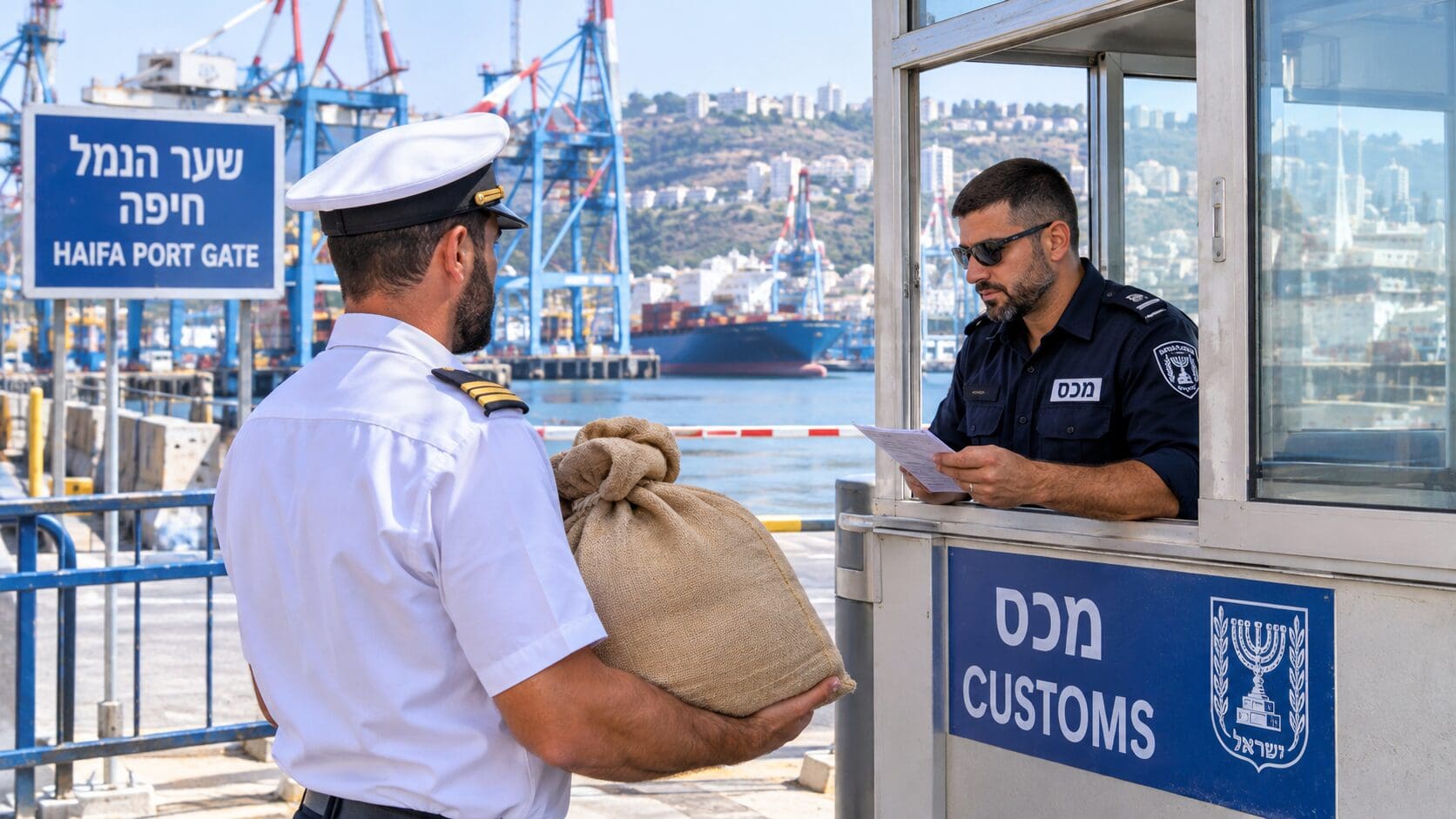
In short: An Israeli sailor arrived on his ship at the port of Haifa and, upon inspecting two sacks full of coffee beans that he had brought with him, told the customs officer that the coffee was intended for feeding… birds. The customs officer asked, “Since when do birds eat coffee?” The sailor replied, “If they want to, they will eat. If they don’t want to, they won’t eat!” The sailor’s answer became a proverb.
Singer Shlomo Artzi once wrote in his column in the "7 Days" supplement in "Yediot Aharonot" that the "story of coffee for bird food" was told by entertainer Uri Zohar.
For many years it seemed like a made-up joke, but it turned out that the story of the birds actually happened! A close friend of mine, a naval officer, witnessed the scenario that took place in Haifa Port, and it was even conducted in Yiddish, which added a humorous touch.
The coffee carrier served on the ship "Herzl" or "Yerushalim". The ship arrived at the port of Haifa with tourists from Brazil on board. Because of the high frequency of sailings in those years, the customs officers and sailors often knew each other by name. At that time, the wives of the sailors who came from their homes used to enter the customs hall and wait for them. This was a routine thing.
The conversation on the subject of coffee in birds' mouths was conducted in luscious Yiddish. The sailor was from Poland, a very tall and heavy man!
The conversation in the illustration was recreated many years later on one of the late radio personality Moshe Timor's programs: "Personal Friday" on the Israel Broadcasting Corporation. The roles of the sailor and the customs officer were played by Moshe Timor and the writer of these lines. A sentence in Hebrew and its translation into Yiddish. The sailor was nicknamed "Fishel".
The heavy-set sailor approaches the customs officer, carrying a heavy sack on his back. The sailor's wife stands not far away.
Customs officer: "Peace be upon you, Fishel. I see you brought a bag."
Fishel'ha: "Peace be upon you. Yes, I brought a bag. But you know what: As long as I'm on the ship, I'm in charge of the bag. Here at the port, my wife is in charge of the bag. Talk to her!".
Customs officer: "Leave the woman now. What do you have in the sack?"
FishelE: "I have food in my bag."
Customs officer: "Food for whom?"
Fishel'ha: "Bird food."
Customs officer: "Open the sack."
Fishel opens the bag and the customs officer sees that there are coffee beans inside.
Customs officer: "Tell me, Fishel: Since when do birds eat coffee?"
Fishel'ha: "Please, Aref? They will eat; they will not eat!"
I understand that Fishel answered the customs officer that the bag contained bird food, in order to avoid paying tax, which he would have had to pay if he had declared that the bag contained coffee beans for his cafe, or for sale in his business.