


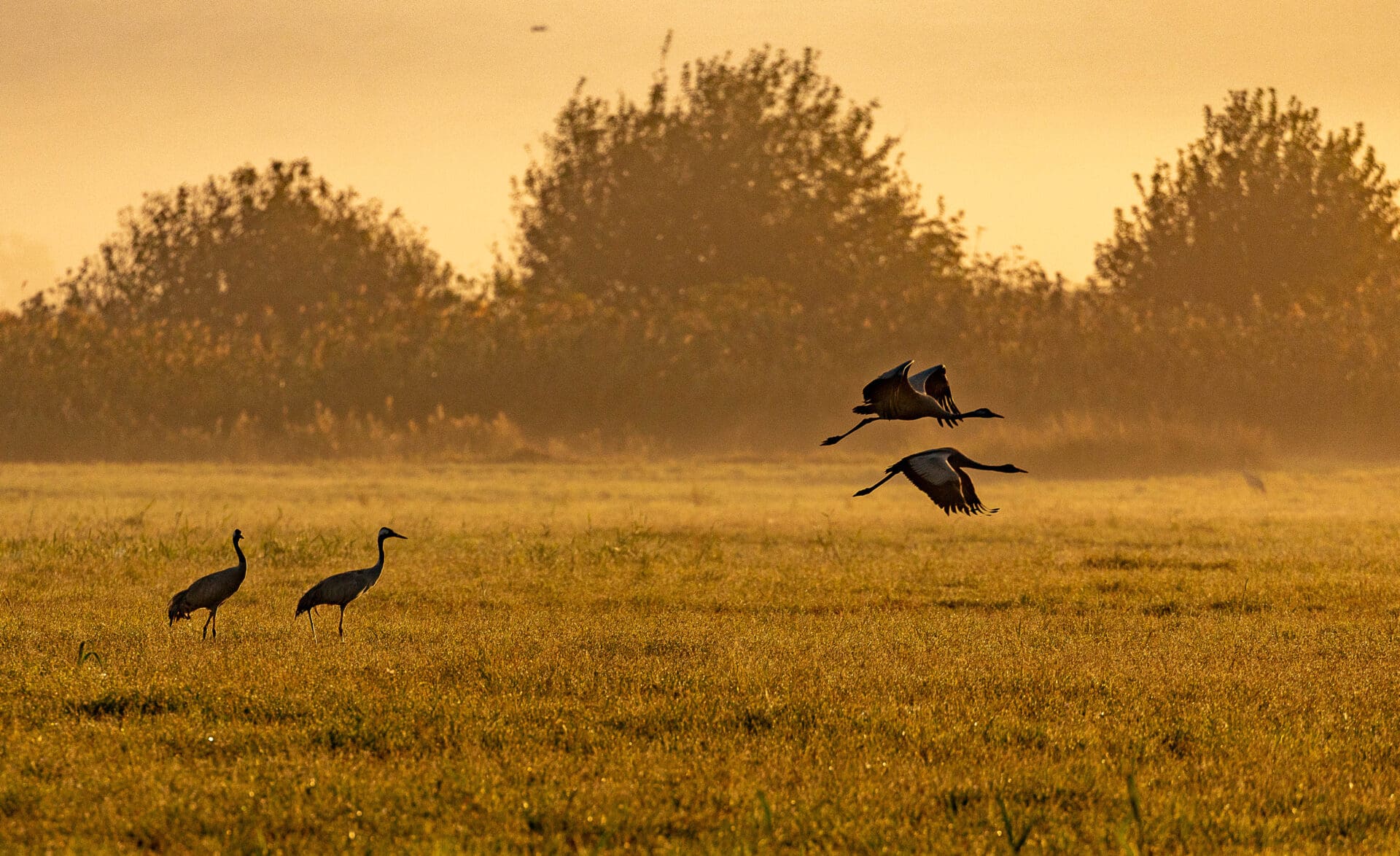
There is something almost outrageous about the tranquility of Agmon Hula.
You stand in front of the water, looking out at the expanse, and within a few minutes it becomes clear to you that the world continues to go on. Not according to press releases, not according to polls, not according to statements by party leaders, not according to the number of mandates someone promises to receive in the next election. A bird lands, another takes off, one searches for food, another settles on a branch, and a third surveys the terrain before deciding where to continue.
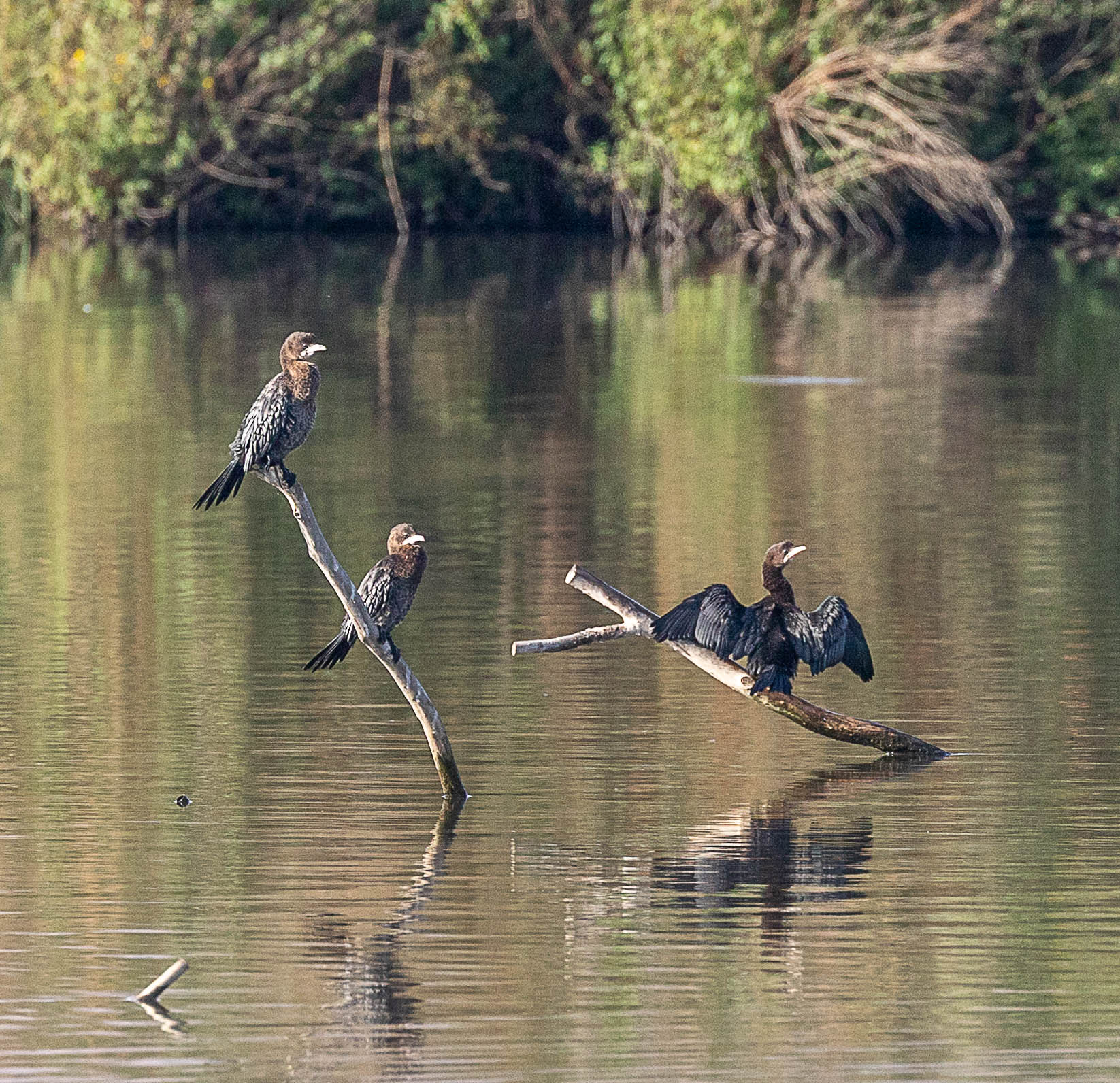
Three birds, three little moments of life. And I stand there with the camera and think that maybe we humans should stop talking for a moment and start looking. Not because the birds are smarter than us. They just aren't constantly busy explaining why reality is exactly the opposite of what we see.
In Agmon Hula, there is no commission of inquiry trying to find out who is to blame for the water being where it is. There is no minister explaining that the birds should have consulted with professional authorities before deciding to land. There is no spokesman declaring a historic success following the arrival of Lehak. There is a natural, complex, and delicate system, in which each component depends on the others, and any violation of the balance is ultimately felt by everyone.
And this is perhaps why visiting this place, especially these days, so accentuates the gap between what we see in nature and what we do to ourselves.
Survival, that's the name of the game.
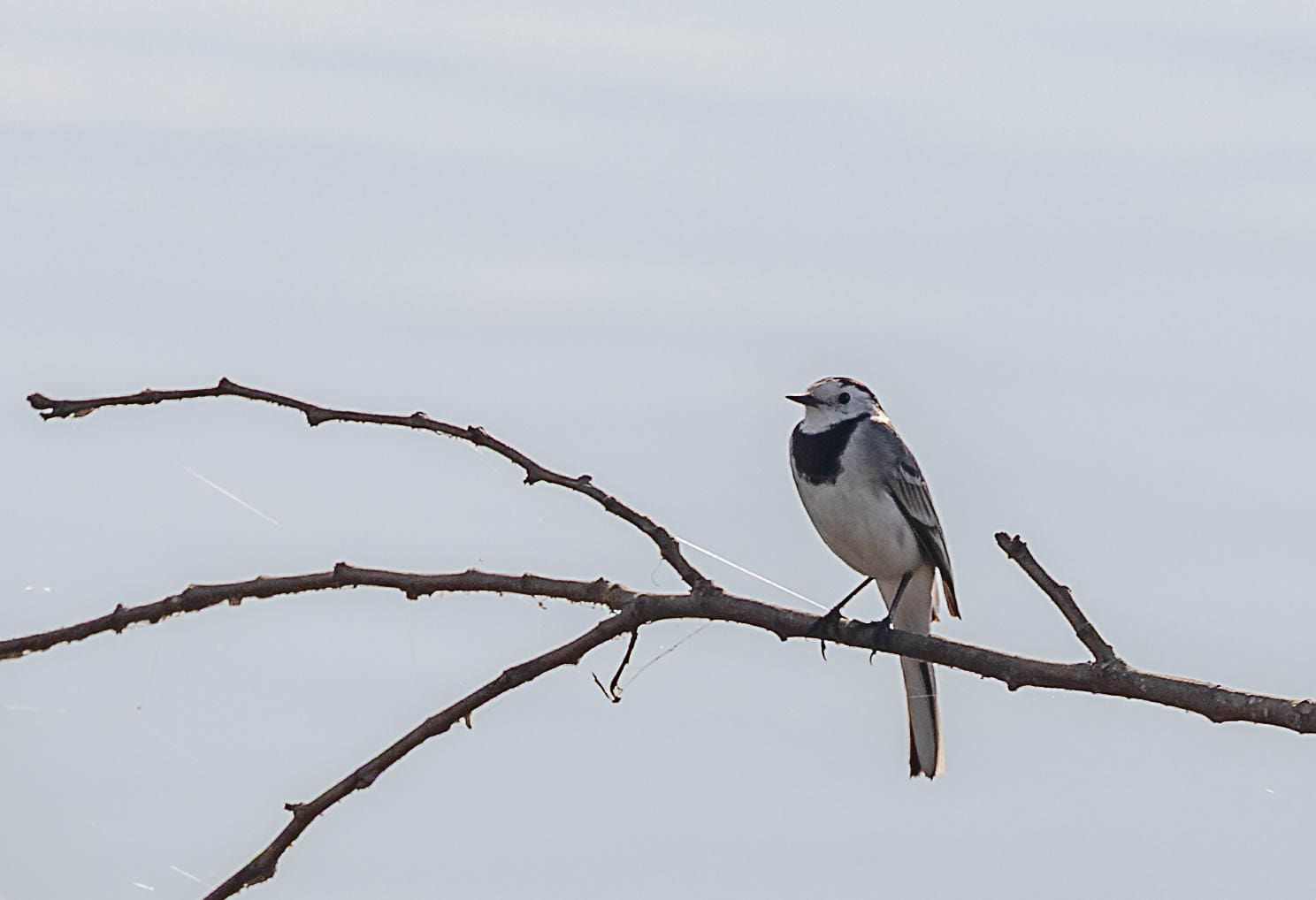
The black-throated dipper has no flashy colors and no PR, it's just there. The second, the white-breasted kingfisher, displays a combination of colors that it's hard to believe nature didn't hire a designer for. Brown, turquoise, and red, all in the same bird, without a planning committee and without arguing about budget allocation. The third, the black-shouldered wagtail, sits on a bare branch, almost entirely white, looking down and waiting for the right moment. Three different birds, three survival strategies, three proofs that there is no one right way to exist in the world.
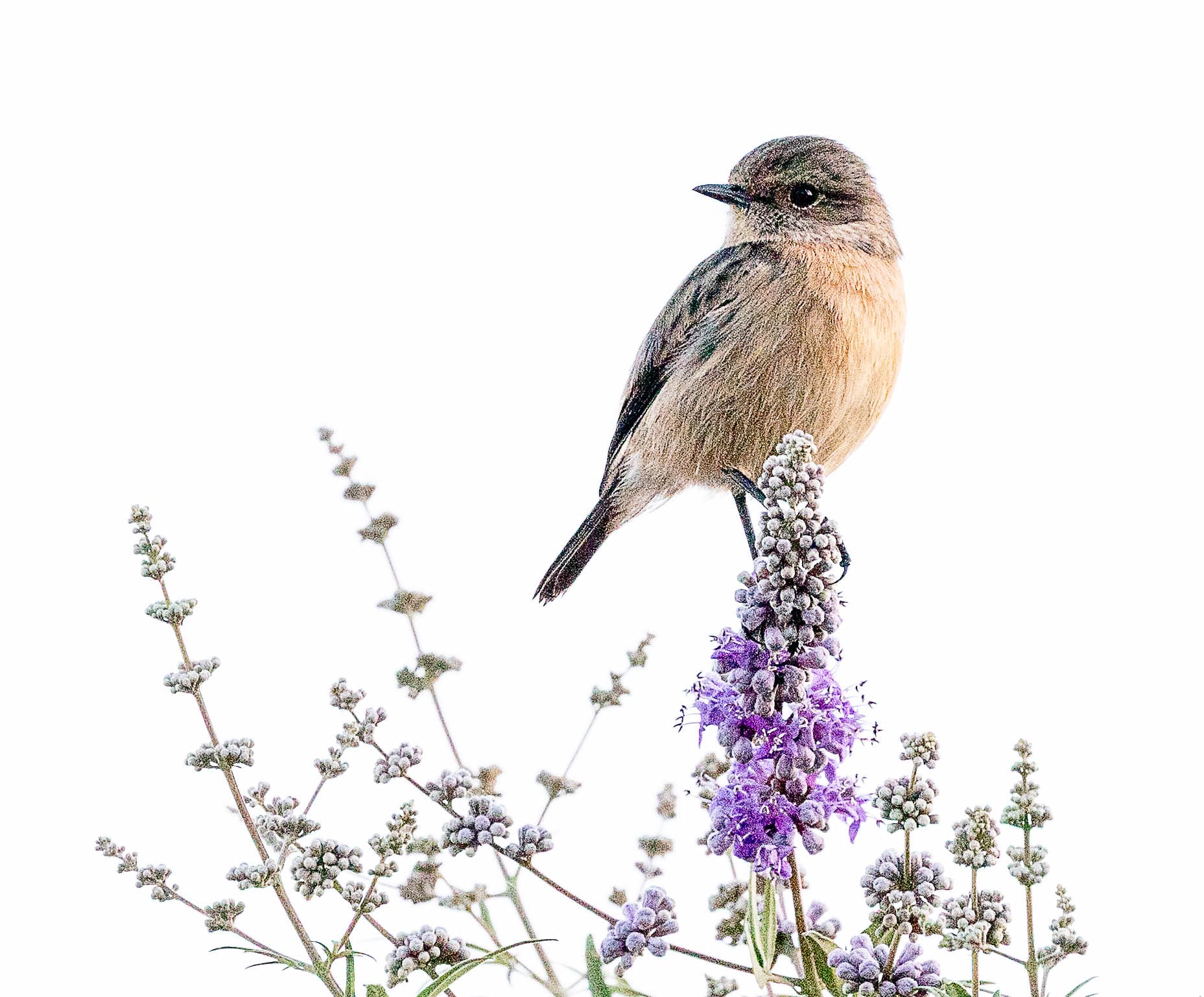
They did not come here to participate in our debate. They do not know who is in the coalition, who is in the opposition, who is trying to escape responsibility and who is busy explaining why the responsibility is not theirs at all. They are also not interested in dividing the country into camps, in the question of who is a traitor and who is a patriot, who is loyal and who is an enemy. They are looking for basic conditions for continuing life: food, water, shelter, a safe place to rest. When conditions change, they change course. Not out of ideology, but because survival is a matter of practice.
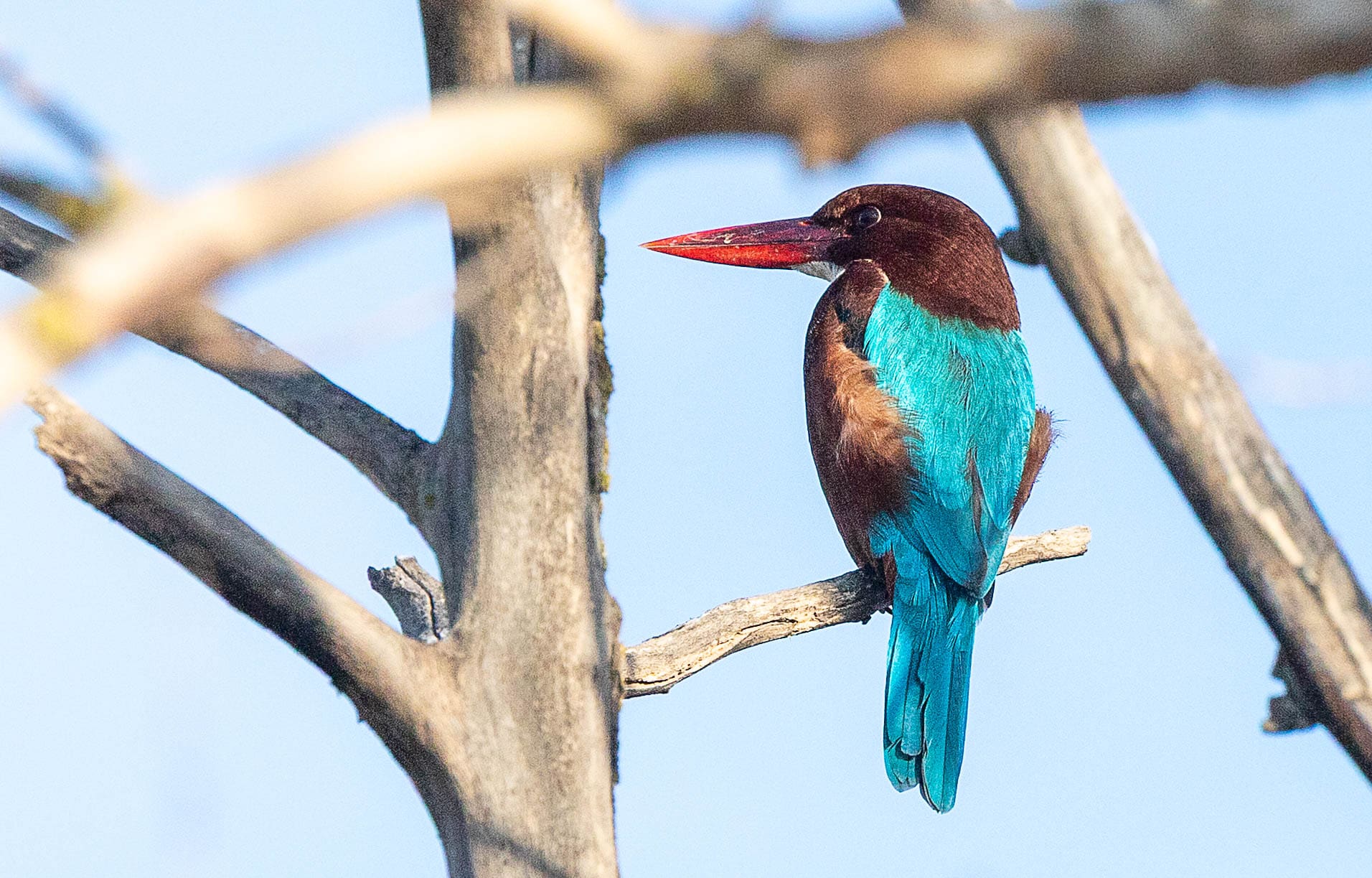
And that brings us back to the word in the title. Birds do not wonder, get lost, and are not mistaken. They know where they need to go, even if the road is long, even if the weather changes, and even if they have to stop along the way. They do not confuse direction with an excuse. They do not keep flying into a storm, just to prove that the original decision was right.
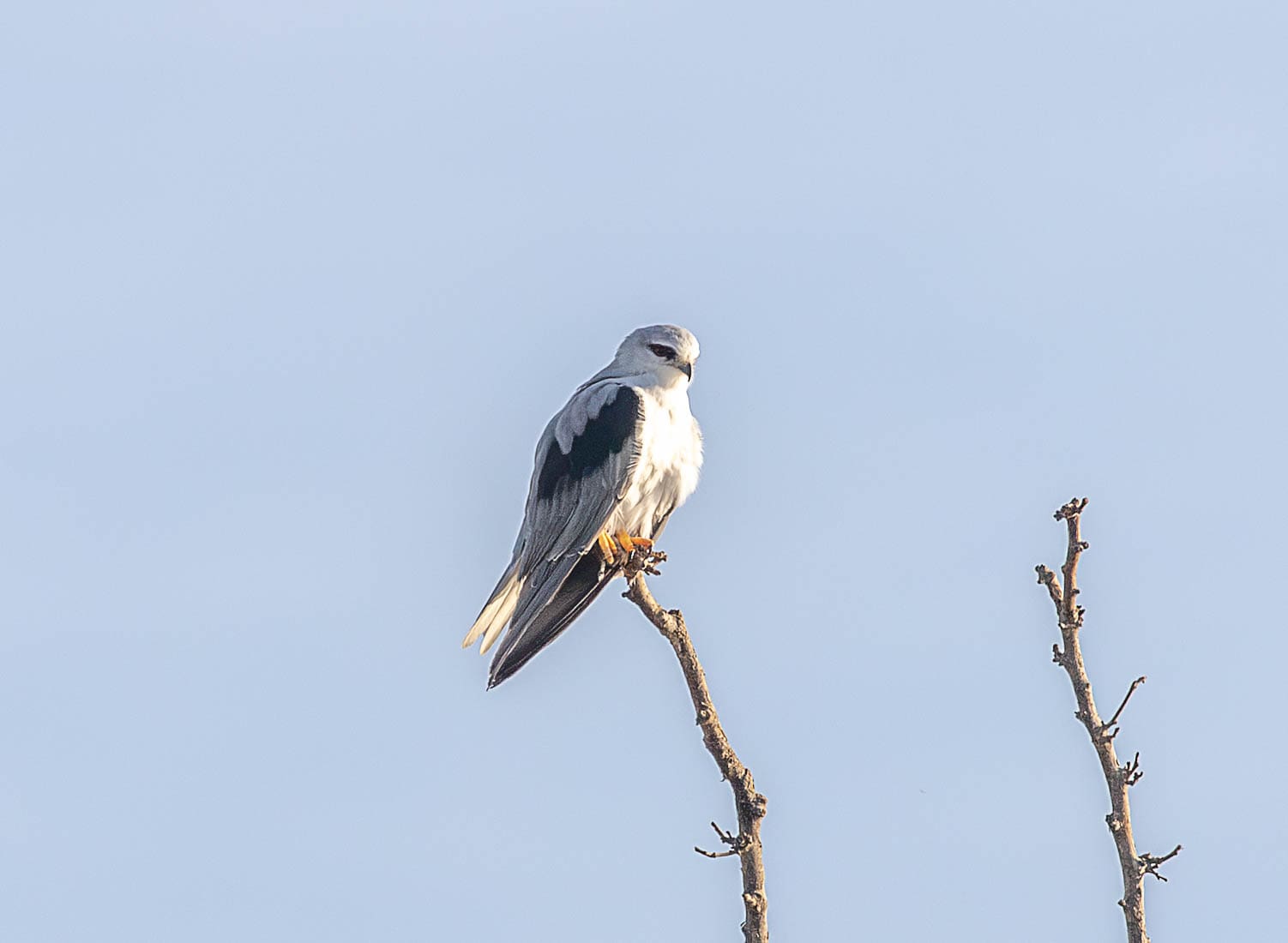
We, on the other hand, manage to run an entire country without even agreeing on the direction.
Israel is one of the world's most important transit points for bird migration. Its location between Europe, Asia, and Africa makes it a geographic bottleneck on the migration route. Estimates speak of hundreds of millions of birds passing through the country's skies every year, and at Agmon Hula alone, millions of birds stop to rest, eat, and gather strength for the rest of their journey. This is not just a spectacular sight. It is a lesson in geography, ecology, and responsibility.
Birds do not see national borders as we draw them on maps. They cross continents, seas, and countries. They depend on an ecosystem that transcends all political boundaries. Damage to a habitat in one place can affect an entire population in another. They have no foreign ministry to handle the crisis and no way to file a petition with the High Court of Justice against anyone who drains their swamp. They depend on someone, somewhere, understanding that nature is not a collection of private property that can be exploited until it runs out.
Who will dry up my lake?
The important story of Agmon the Sick.
This is not a corner of nature that happened to remain as it was. This is a place that has undergone a dramatic change. The Hula Valley was drained in the 1950s, among other things to expand agricultural areas and eliminate the threat of malaria. It later became clear that the drying also had heavy environmental costs. In the 1990s, a process began to restore the Agmon area and restore humid habitats. Not a perfect reconstruction of the past, but an attempt to repair some of the damage and create a system in which nature, agriculture, and tourism can coexist.
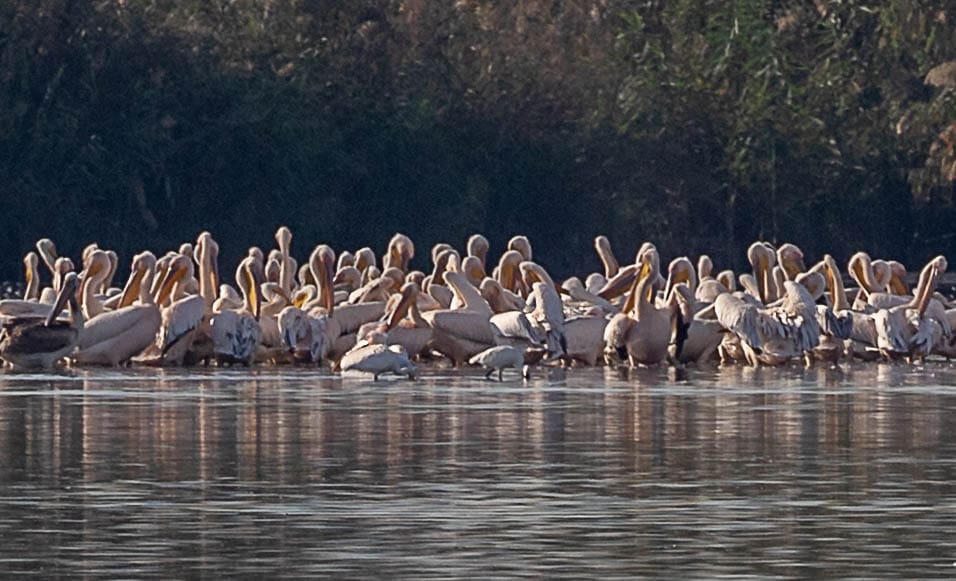
This is not a story about people who didn't make mistakes. This is a story about people who were able to recognize that a mistake was made, learn from it, and try to fix it. There is an important distinction here: not every historical decision was necessarily wrong at the time it was made, but when the results become clear, it requires the ability to change direction. Not to hide the damage, not to blame those who pointed it out, not to declare that everything was a resounding success. Simply fix it.
Perhaps this is precisely the point at which Agmon Hula turns from a beautiful place into a place that embarrasses us.
Because in Israel in recent years, it seems that this ability to recognize reality and change direction has become a rare commodity. You can fail, as long as you don't admit failure. You can sound the alarm, but you should first check whether you belong to the right camp. You can present data, but if it doesn't fit the narrative, you can always attack the person who presented it. You can promise security, governance, unity, reconstruction and growth, and in the meantime argue about who is to blame for the promises not being fulfilled.
The problem is not that Israel does not have talented people, professional institutions, scientists, educators, doctors, farmers, security personnel, or citizens who care. There are. A lot. The problem is that our political and public system often rewards those who know how to create noise, not those who know how to solve problems. Those who mark an enemy, not those who connect people. Those who explain why it is impossible, not those who try to find out how it is possible.
Learn from nature – it was there first.
Nature is not impressed by statements. An ecosystem does not exist thanks to a speech about the importance of biodiversity. It exists thanks to interactions, balances, resources and conditions that allow each component to fulfill its role. When one of the components is damaged, the effect rolls on. When water is polluted, when a habitat disappears, when a food source is damaged, it does not take a communications committee to understand that there is a problem. The results appear on the ground.
Human society is also a complex system. It needs trust, functioning institutions, a division of responsibility, mechanisms for criticism, and the ability to make decisions that are not comfortable in the short term. It needs leadership that understands that the state is not the property of those who serve as its head, and that the public is not an audience that comes to applaud. It needs an opposition whose role is to criticize, a media whose role is to question, and a public system that does not treat any criticism as a threat to its very existence.
It's not a matter of right and left. It's a matter of direction. You can argue about the path, the priorities, the budget, and the means. This is how a democracy should be run. But in order to argue about the path, you must first agree that there is a goal, that there is a reality, and that not everyone who points out a problem is trying to overthrow the country.
The birds in the aviary also remind us of something else: none of them can survive alone for long. Some feed on fish, some look for insects, some rely on vegetation, and some wait for an opportunity to hunt. This diversity is not a weakness, it is the source of the system's resilience. They are not all alike, they do not all eat the same thing, they do not all follow the same path. And yet, they share a common space.
We, on the other hand, have turned the common space into a battlefield. Every dispute is a war of survival, every compromise is a surrender, every criticism is a betrayal, and anyone who thinks otherwise is at best naive and at worst an enemy. You don't have to be an expert in ornithology to understand that this is not how you build a stable system. In fact, you don't have to be an expert in anything. It's enough to look around.
And there is something else to learn from migration. Birds do not stay in a place that does not provide them with the necessary conditions. They do not point with their feet, they simply fly. We, humans, are more complicated. We have a home, a family, a language, memories, a history, friends, and a landscape that is ingrained in us. It is not so simple to change places. And yet, people also begin to look for a different horizon when they lose faith in the future of the place where they were born and raised. They do not always pack a suitcase, sometimes they simply stop believing that change is possible.
The future is in our hands.
I don't want to learn from the birds to leave. I want to learn from them to recognize the direction. And most of all, to learn from the story of Agmon the Sick, that it is possible to do otherwise, that it is possible to take a place that has been damaged, to acknowledge the damage, to harness knowledge, to collaborate, and to restore it. Not in one day, not without controversy and not without a price, but with a clear goal and a willingness to persevere.
We have a wonderful country. Not as a slogan or as a cliché of a promotional video. A country of streams, mountains, desert, forest, sea, valleys and international migration routes. A country where birds that take off from Africa can find a place to rest on their way to Europe. A country where there are people who dedicate their lives to preserving nature, even when they don't have cameras in front of their faces and when no one is giving them compliments.
But nature is no substitute for a functioning state. The beauty of Agmon Hula cannot hide what is happening outside it, just as a beautiful photograph of a kingfisher does not make reality more beautiful. It is possible to admire nature and at the same time be concerned about the state. In fact, perhaps this admiration intensifies the concern. It reminds us of what we have to lose.
The birds in the ark don't know that we are looking for answers. They don't understand the political crisis, the social divide, or the anxiety about the future. They are just doing what nature has taught them to do for generations: find their place, adapt to reality, and move on.
Birds do not wander, wander, or make mistakes. They know when it is time to rest, when to take off, and when to change course. Perhaps it is time for us to understand that not every change of direction is weakness, that not every admission of error is defeat, and that not everyone who seeks to repair the house seeks to destroy it. Because in the end, we are also migratory birds in a sense, only we do not have another continent to seek a home on. We only have this earth. We should start acting as if we intend to stay on it.
Did the article interest you?
An article that is entirely a celebration of love for nature.
Presented with humor and between the lines asks for serious consideration. Go out and enjoy.