


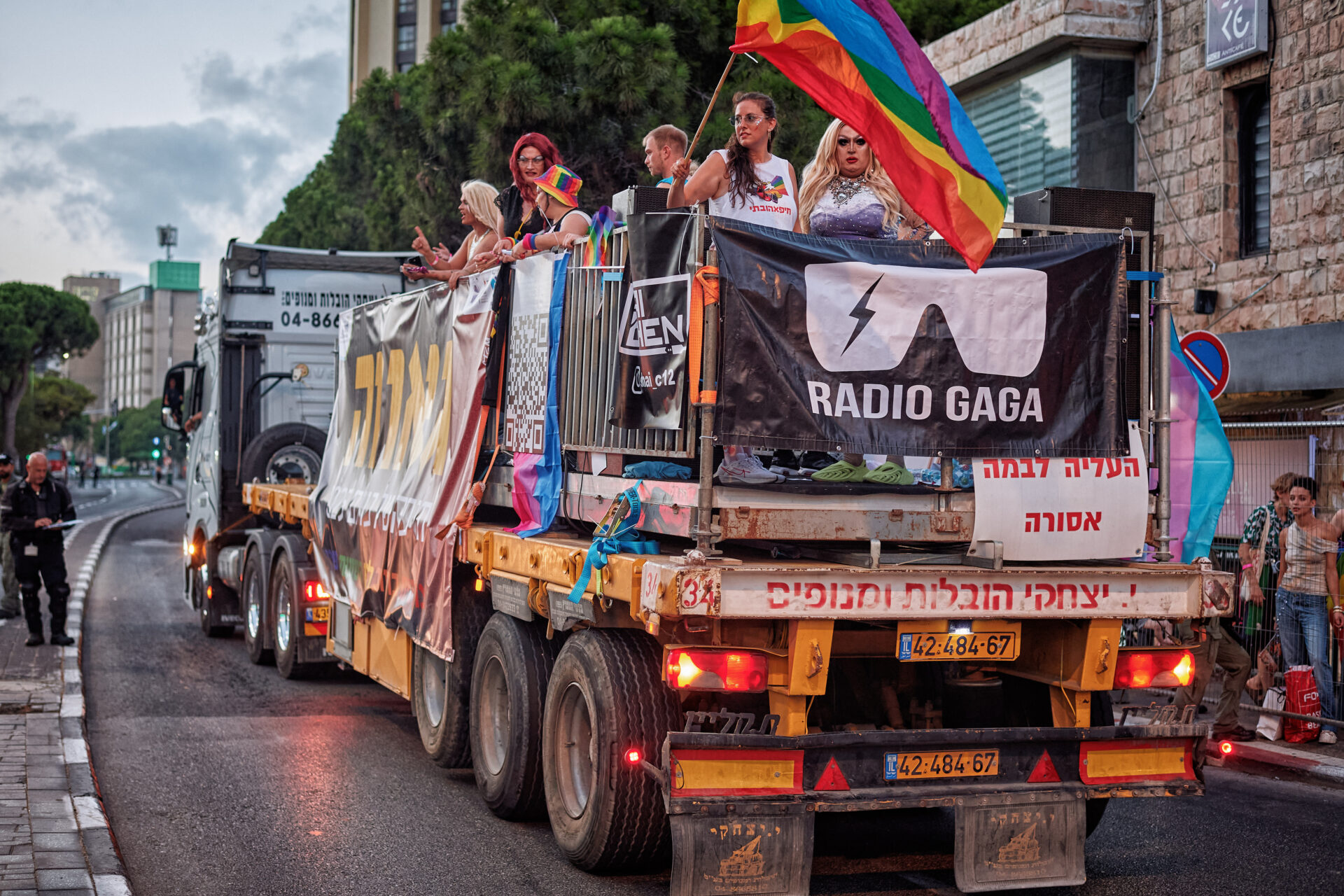
(haipo) The current Pride Month in Haifa marks a watershed in the relationship between the local authority and the city's gay community. This year, a precedent was set, when the municipal establishment presented activists with a budgetary choice: to choose between holding the traditional street parade and holding dozens of community cultural and informational events. After deliberation, community representatives chose to channel municipal resources into over 50 content activities, workshops, and performances at various locations in the city, alongside a central rally in Gan Ham.
However, community members refused to leave the public space empty of civil protest; in an unprecedented act of independent organization, the Haifa Rainbow activists raised independent and alternative funding to produce the march on their own. The march, which will take place This Thursday, 06/25/2026, will be the first in the city's history that does not rely on the municipality's budget, and will constitute a pure demonstration of civic power that illustrates that the right to march and be seen cannot be conditioned by economic and institutional considerations. At the same time, at 17:00 PM, the municipality will hold a rally with performances by Netta Barzilai and Shahar Tabuch, alongside information stands and speeches by community representatives.
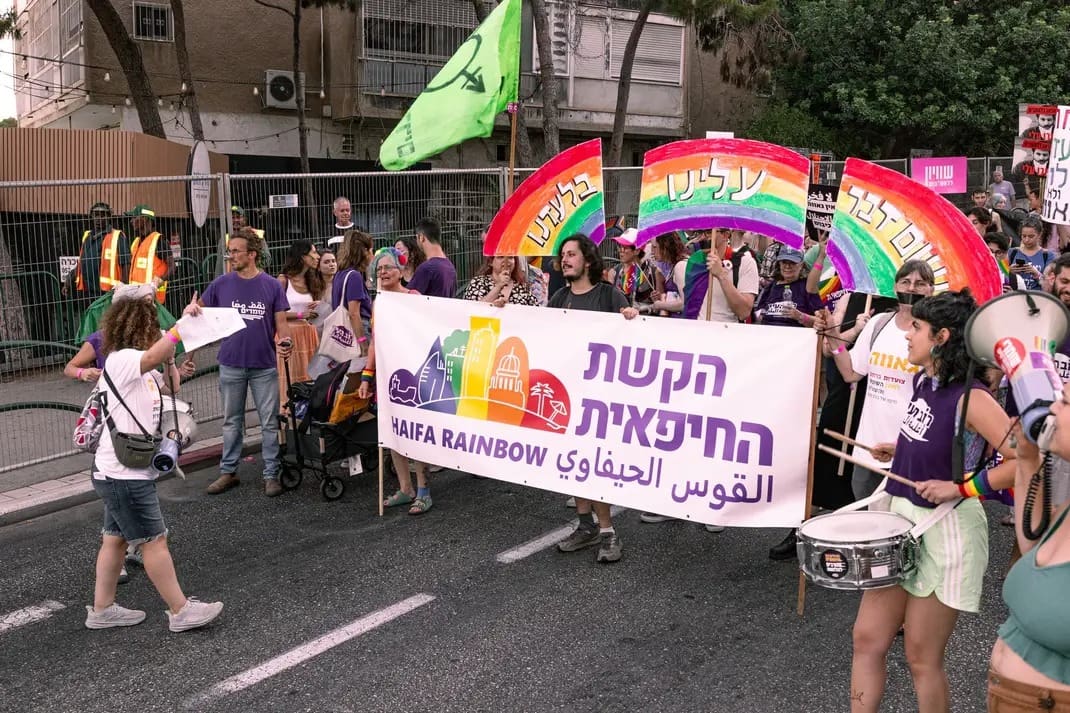
Hila Asia: "This year, the parade is critical – and the choice forced upon us is unfair"
Hila Asia, a leading member of the Rob Ha'ir movement and a member ofHaifa Arch, explains that although there was modest public participation, and the community did receive from the municipality the option to choose between a pride parade and pride events, the very requirement to choose was problematic. According to her, "This year is one of the most challenging years for the gay community. There is a reduction in community coordinators, we suffer from a real lack of security and LGBTphobia that rears its ugly face. That is precisely why it is important for the community to march and be present in full glory in the public space." Asia emphasizes that the community did not really want to give up on the parade, and that it is a shame that the municipality did not find a budgetary solution that would allow for both a parade and events. "This is the municipality's mission, to make sure that the important things happen. We would have expected a real fight over the budget, and not to be presented with a dilemma that they knew from the start was unfair to us."
According to her, the fact that this year's parade is being produced and financed solely by the community is far from normal. Especially in a city the size of Haifa. "If there is a lack of money for the parade, the municipality should find it. With a budget of billions, it is impossible not to have room for an event that provides security, visibility and belonging to thousands of residents," she says.
Asia adds that, alongside the budgetary challenges, there is also a continuing concern about the conduct of the police during previous marches. "Our greatest fear is not from the crowd that comes to support, but from the conduct of the police who have harmed us in the past and violated our freedom of expression. I hope that this year everyone's freedom of expression will be preserved and that we will not see the boycotts of signs." In conclusion, she calls on the public to come and march: "It will be Haifa, colorful and full of love. The presence of each and every one is important in order to create a safe and inclusive public space for everyone."
A beacon of tolerance in the heart of Carmel: Haifa's history
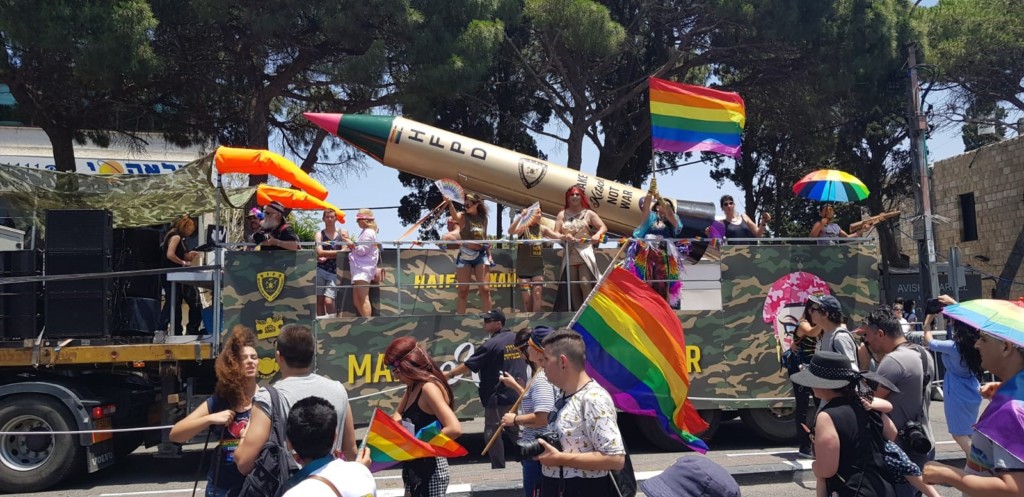
The Haifa Pride Parade, founded in 2007, is one of the flagship events of the gay community outside of Tel Aviv, reflecting the city's unique local fabric as a beacon of coexistence, pluralism, and tolerance. In recent years, the parade, which marches along the Carmel Center and Moriah Boulevard to Gan Ham, has oscillated between impressive community demonstrations of strength and complex political and budgetary upheavals.
In 2024, in light of the security situation and the spirit of the times, the event was reduced to a rights march format only, without entertainment stages, and in the summer of 2025, the parade caused a local uproar due to the placement of numerous separation fences and the deployment of hundreds of police officers, which sparked criticism for harming the free communal character.
National situation: Between the periphery and the center
From a national perspective, the Pride parades in Israel in recent years have served as a burning arena of struggle that delineates the deep fault lines in society. On the one hand, the parades continued to expand to many cities and towns in the periphery, and the main Pride parade in Tel Aviv once again broke records with tens and hundreds of thousands of marchers, turning it into a festive carnival alongside a poignant political protest against homophobic statements by elected officials. On the other hand, the gay community reports an increase in expressions of hatred, physical violence, and vandalism of Pride flags across the country. The parades have transformed from civic celebration events into existential protest demonstrations, in which the contrast between the sense of freedom and colorfulness in the streets and the uncompromising need to fight for basic rights and personal security is felt at every turn.
Heavy shadow and rising costs: the security challenge
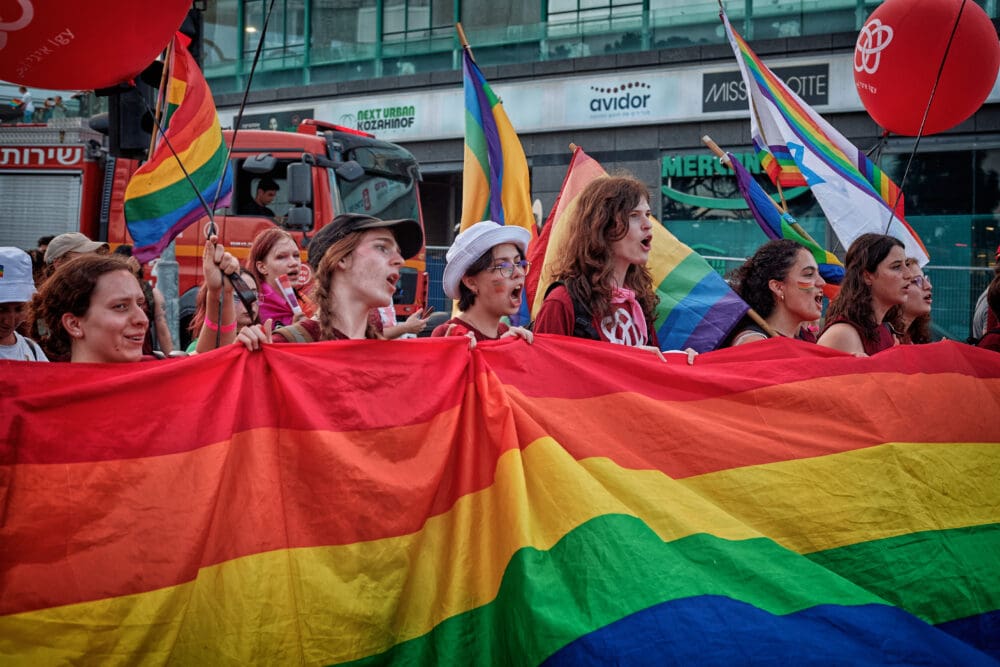
The most painful and bloody reminder of the dangers that lurk for marchers is the murder of the late Shira Banki, who was stabbed to death at the age of 16 by a dark-skinned fanatic during the Pride Parade in Jerusalem in 2015. This domestic terrorist incident forever changed the perception of security for Pride events in the country, demonstrating that the threats to parade participants are not theoretical but constitute a real and immediate danger to life. As a result, the Israel Police imposes tough and uncompromising conditions on local authorities and organizers every year, including deploying thousands of police officers, closing streets completely, erecting fences to block roads, using advanced technological means, and carrying out preventive arrests. These stringent security requirements increase production costs to millions of shekels, making Pride Parade security one of the most expensive and complex security operations on the public calendar, a burden A heavy financial burden that sometimes, as happened this year in Haifa, threatens the very ability of the authorities to hold the event in its old format.
Is the new Haifa model, City-funded indoor activities and a civic-funded protest march, will it become a permanent formula, or is it a temporary solution for a particularly challenging year? The answers will begin to become clearer this Thursday, when the streets will be closed, and the masses of marchers will march for the first time based on the strength of the community itself.
Haifa Municipality: Community representatives chose events throughout the city and waived the parade
The municipality responded by saying that community representatives were the ones who chose the Pride events: "Ahead of Pride Month, the Haifa Municipality held a public engagement process with representatives of the city's gay community, and presented them with the full range of options within the existing budget. The community representatives chose their preferred outline, which includes giving up a parade in favor of a large-scale event at the Mother's Garden and significantly expanding the scope of gay initiatives and community events throughout the city."
Did the article interest you?
I participate and develop in parades and this time you are not right. Right now, the abusers would rather spend their time on more important things than the parade and there are lots and lots of urgent things.