


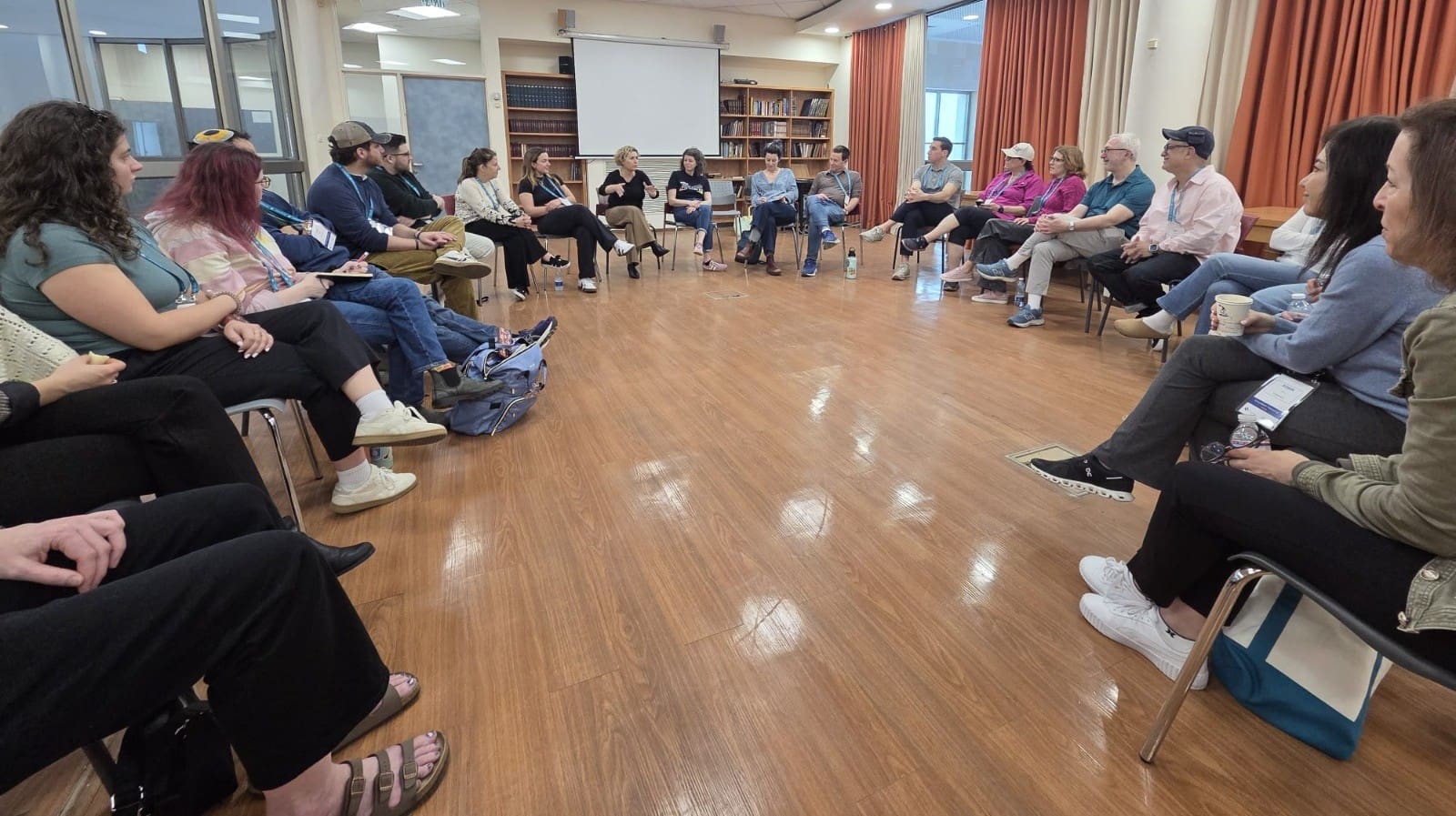
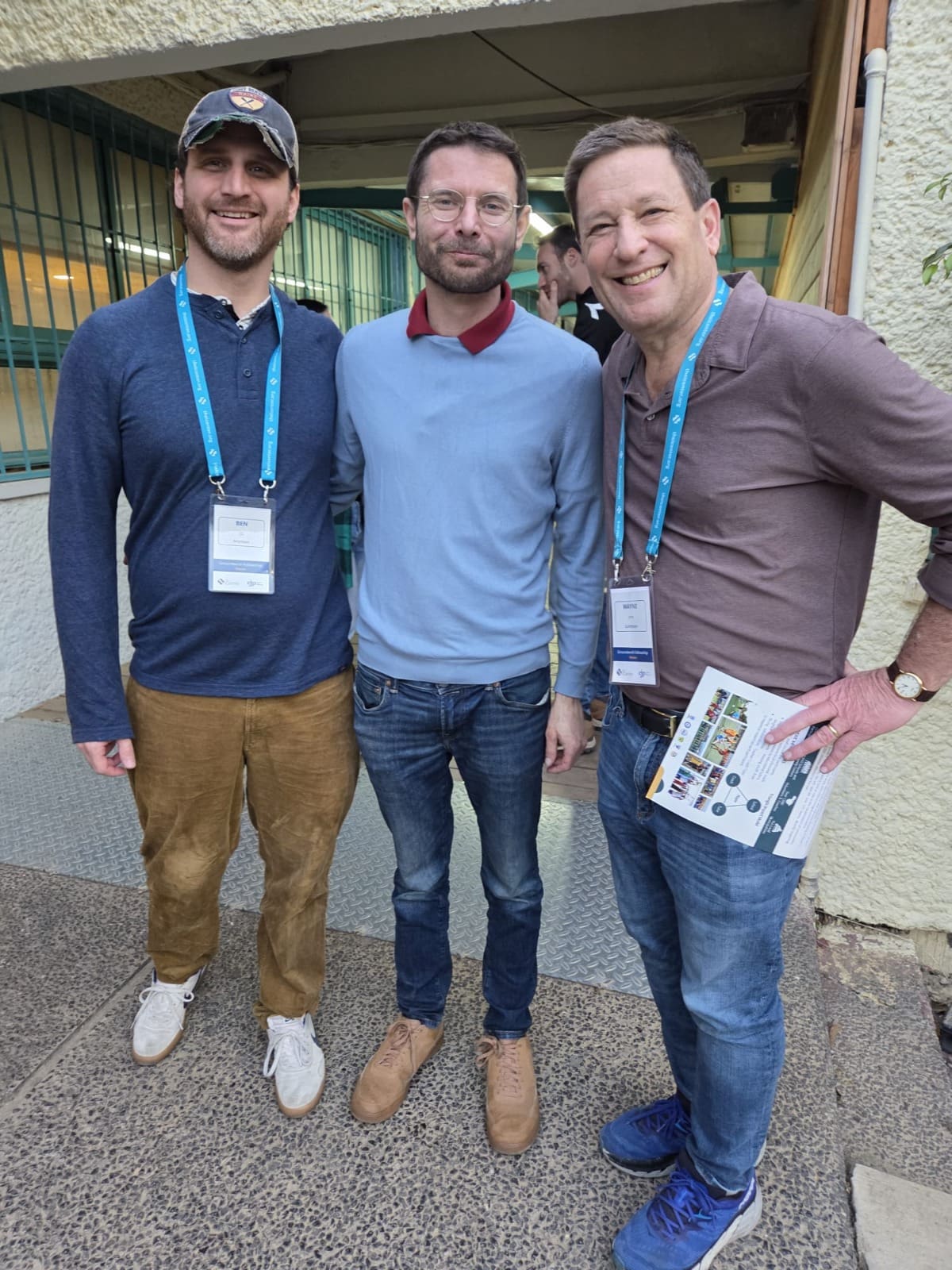
This week, a delegation of educators and officials from educational institutions and organizations visited Israel and Haifa, as part of the work strategy of the Haifa-Boston Partnership and the Boston Federation, with the aim of expanding the connection between the Jewish community in Boston and Israel.
The Jewish community in Boston:
A comprehensive study of the Greater Boston Jewish community for 2025 was recently published in Boston Community, an up-to-date portrait of who they are, how they live, what matters to them, and where they might go from here. The study, conducted by the CJP, the umbrella organization of the Jewish communities in Boston, reflects the state of the Boston community, one of the largest Jewish communities in the United States, today and underscores the sense of urgency of the historical moment in which they find themselves.
68% of Jews think that maintaining a connection with Israel is an important component of maintaining their Jewish identity, and these days, more than ever, the Federation is investing heavily in strengthening ties by building connection programs between Boston, Israel, and Haifa.
Face-to-face English meetings
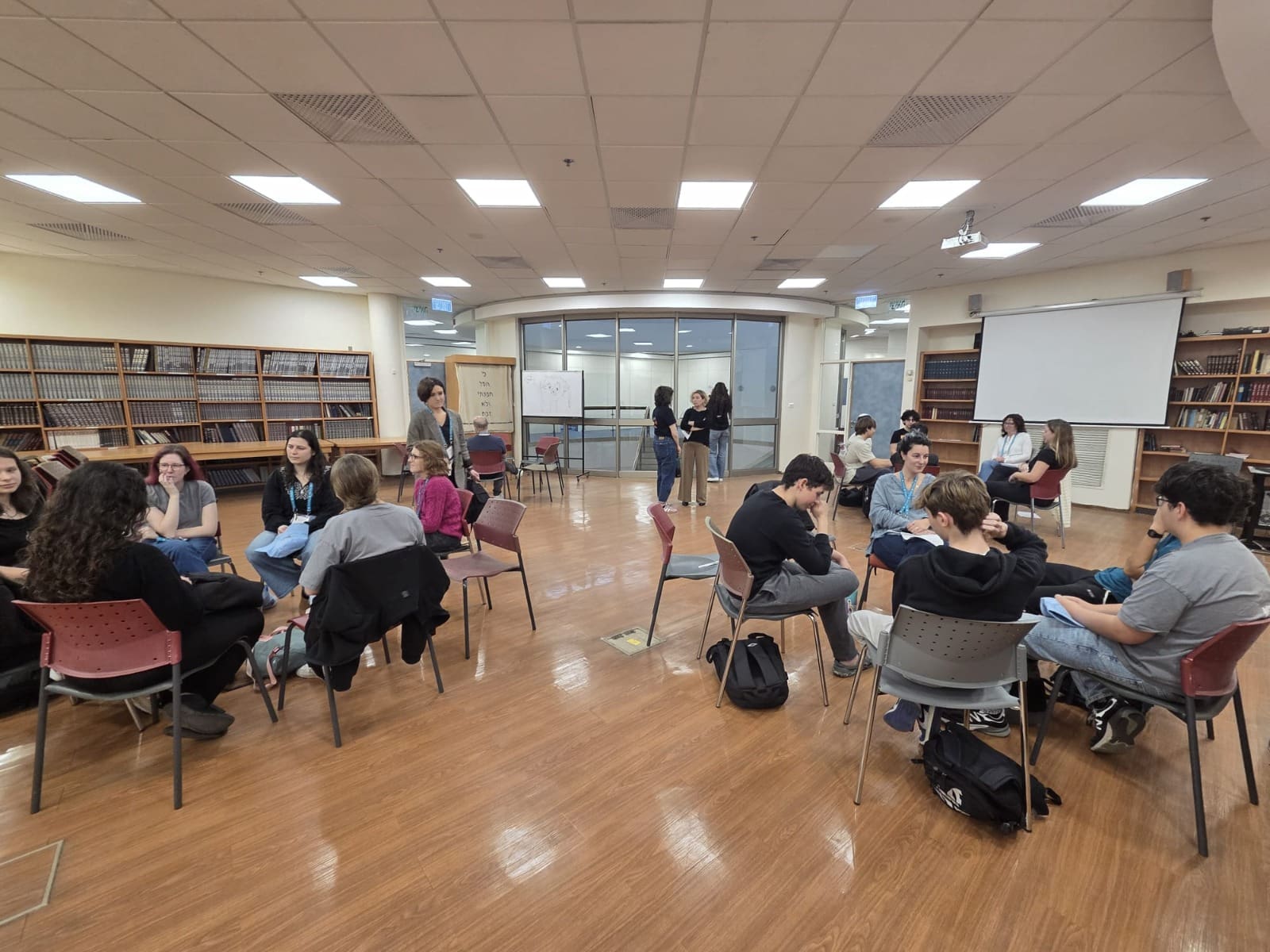
Their visit to Haifa began with the delegation members gathering for a successful and special activity that is the result of cooperation between the partnership and the Yahel Association, which organizes volunteer meetings in Israeli society for groups coming from all over the world. The delegation members met with 10th grade students from the Leobak School.
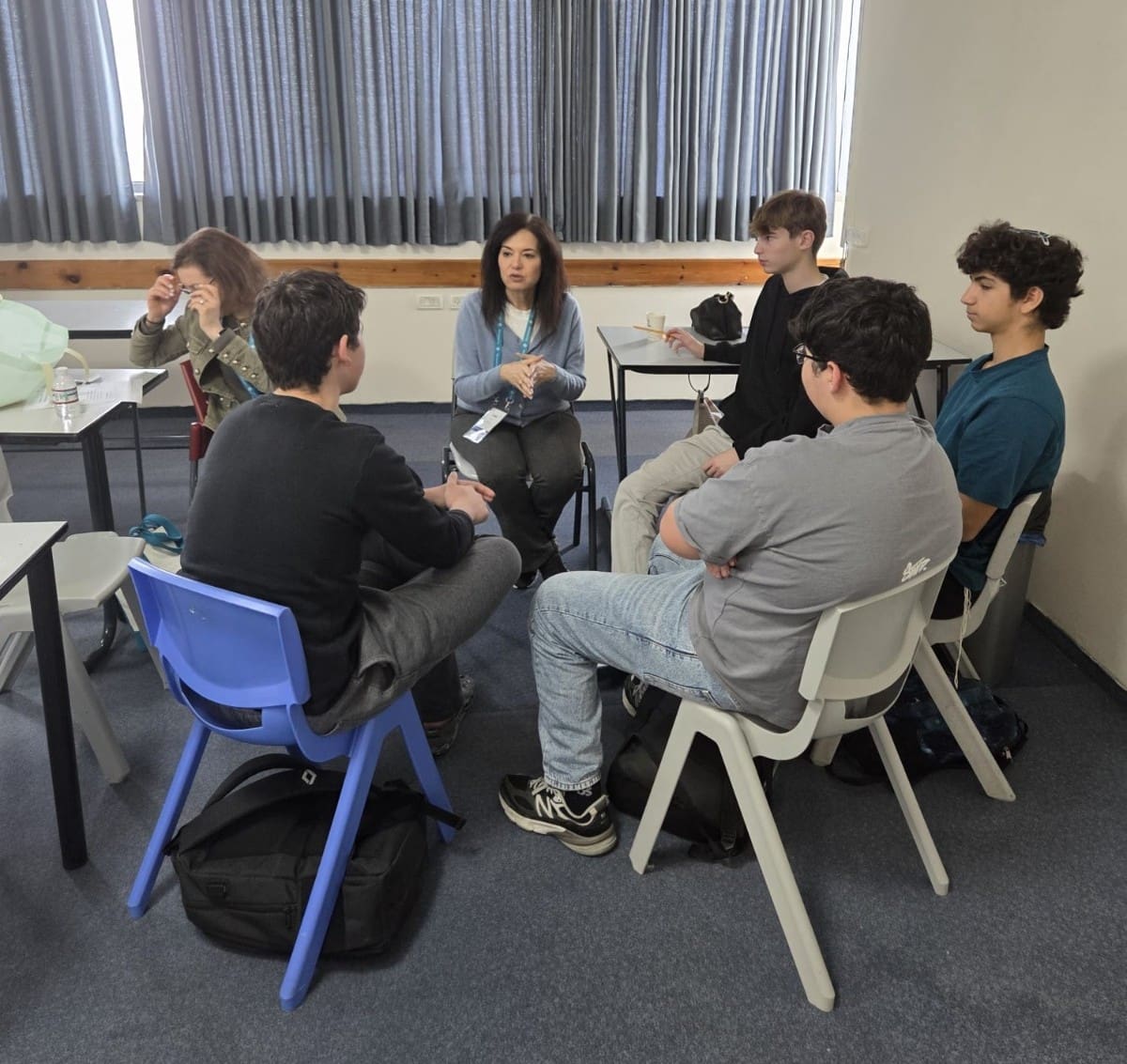
In the discussion circles held in English, the delegation members spoke with the school students about life in Boston and the reality of the Jewish community in the United States, while at the same time listening to the opinions of the Israeli youth on social and political issues that concern them. The informal meeting created open communication and revealed, according to the guests, the impressive social skills and personal maturity of the Israeli students compared to their peers in the United States.
In the follow-up meeting with the English teaching staff that followed, many questions were raised by the Boston visitors, from how to register for the city's schools, to choosing majors, to the changes that have occurred in teaching in recent years, especially since the Corona period and the war. The issue of using mobile phones in the classroom aroused particular interest, and the discussion highlighted how similar the educational challenges are on both sides of the ocean. It seems that shared thinking between educators from both communities can lead to creative solutions that are beneficial to everyone.
Yehudit Sidney, Boston, co-founder of Tribe Talk, which works to make Jewish activities accessible to college students, emphasizes the importance of the program: "The ongoing partnership between Boston and Haifa, which connects Jewish youth for meetings and mutual visits to their communities, takes on special significance against the backdrop of the rise in anti-Semitism. These meetings create a space for sharing experiences, for deepening acquaintance with the daily lives of others, and for understanding that no one is alone. Through shared experiences, an appreciation for cultural diversity develops, while at the same time a sense of Jewish unity and shared values is strengthened, something that is essential and needed for the global Jewish community more than ever."
The Equalizer: Sport as an Engine for Social Change
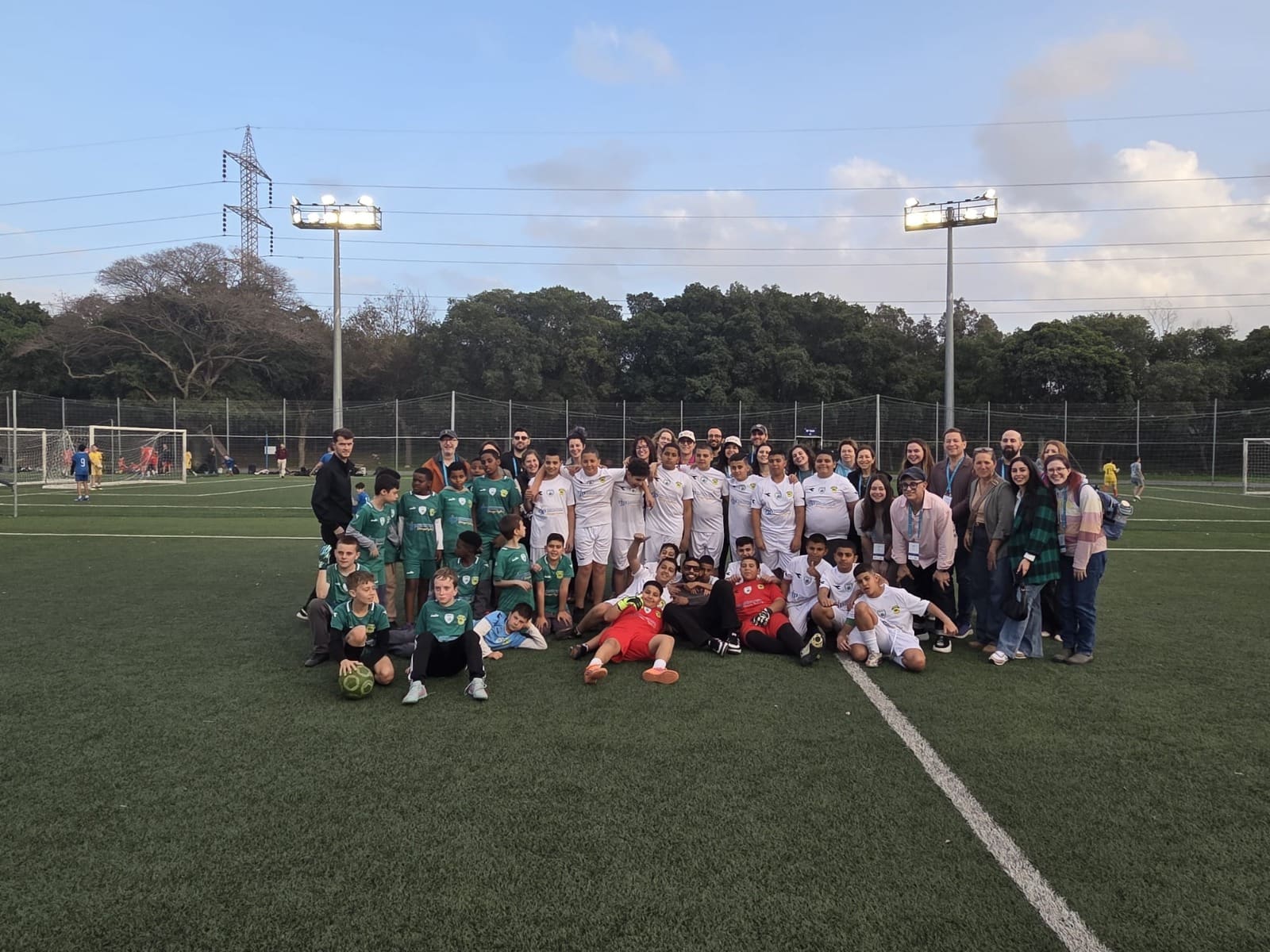
Later in the day, members of the delegation visited a soccer tournament for children and youth from the northern region, as part of a peak activity by The Equalizer association, supported by the Haifa-Boston Partnership. The Equalizer is an association that promotes social, gender and geographic equality by operating programs that combine team sports and educational activities in cooperation with authorities, schools and community centers. The Haifa-Boston Partnership brought the association to operate in Haifa with the ambition to promote, among children and youth, equal opportunities, personal development and the assimilation of values such as tolerance, mutual respect and the prevention of violence while creating a bridge and connection between the diverse populations in Israeli society. Indeed, at the moment of the whistle, it seems that there is only one round ball on the field and all attention is focused on its direction and the creation of the equalizing gate.
Gabriel Halevi, VP of Operations and Pedagogy of The Equalizer Association"This week, we hosted a delegation of educators from Boston at the Carmel District Tournament in collaboration with iCenter and CJP – Boston Federation. During the tournament, the guests learned about the activity, received an overview from the organization's pedagogical department, and met the teams from the schools in the area."
Together with the partnership, we are operating 6 sports-educational groups this year, 3 Jewish groups and 3 Arab groups, all as part of our shared commitment to shared life in the unique fabric of the city of Haifa. We are proud of the privilege of collaborating with entities that see eye to eye with the future challenges of Israeli society and are willing to create a cohesive and healthy society."
Looking Ahead: Education as the Foundation for Jewish and Israeli Resilience
The visit of Boston educators to Haifa highlights how vital community connections, education, and human encounters are in a time of global challenges. Whether it is strengthening Jewish identity in Boston, deepening ties to Israel, or promoting shared life in Haifa, these collaborations create hope, mutual understanding, and a sense of shared responsibility for the future.
Oshrat Gafni Moyal, Director of the Haifa Boston Partnership"Strengthening the connection between Haifa and Boston is a living expression of the unity of the Jewish people and the Boston Federation's deep commitment to advancing this trend. Through encounter, learning, and shared experience, the understanding that we are one people, the guarantor of each other and our common destiny, is sharpened. For us, this is building a sense of belonging and mutual responsibility that strengthens the strength of the Jewish people, wherever they live."