



(haipo) The flu season started earlier than usual this year and is spreading rapidly. In less than two weeks, two healthy children, a 10-year-old girl and a 6-year-old boy, died from complications of the disease. These are shocking cases that highlight the severity of the disease this year and the importance of early vaccination.
A steep rise in morbidity—and a vaccine that could save lives
The Ministry of Health notes that Israel and the world are witnessing a sharp increase in morbidity, with clear predictions for an especially difficult season. According to the ministry, this is one of the earliest and most violent flu seasons seen in recent years.
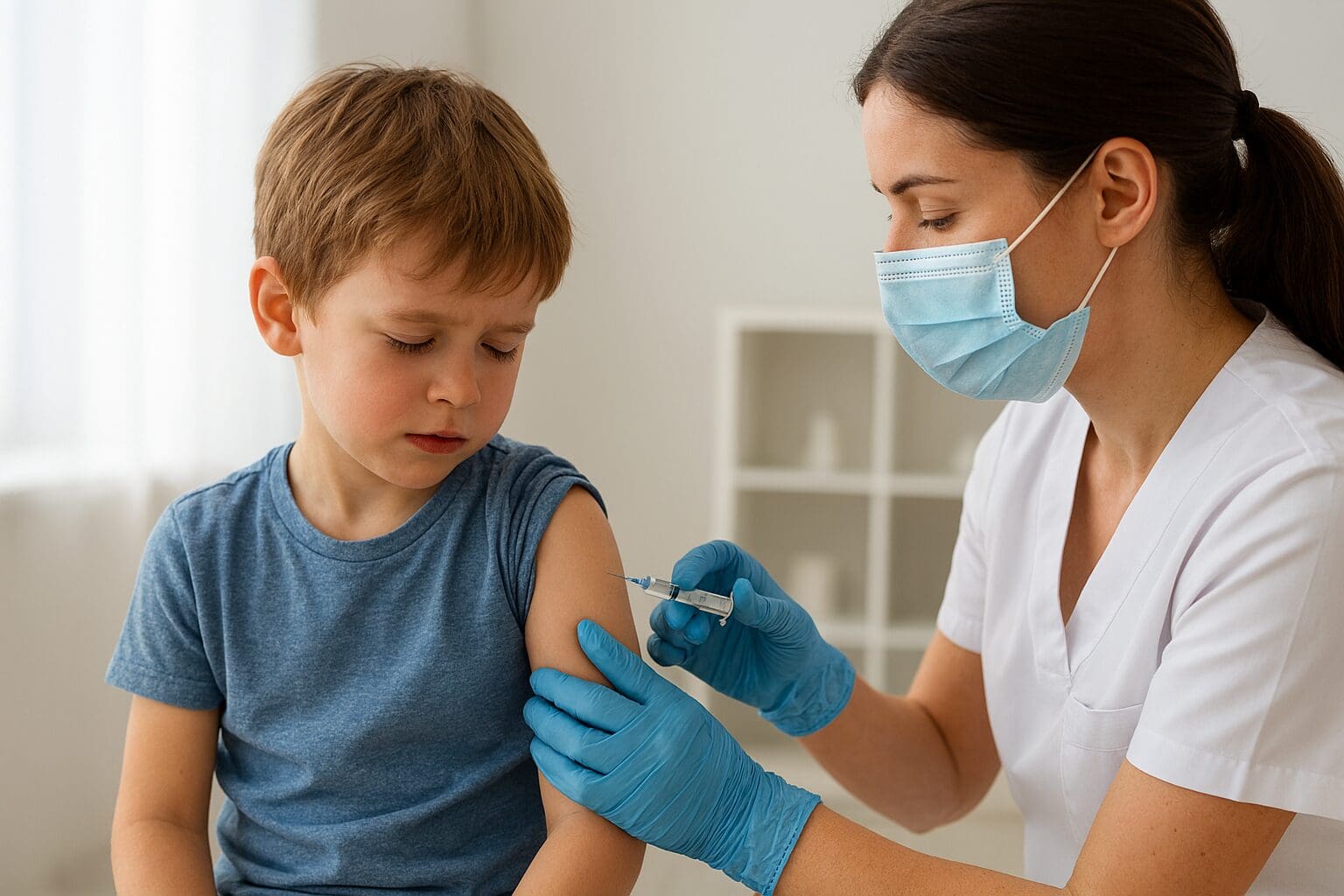
At the same time, it was reported that although the seasonal vaccine does not completely prevent infection, it significantly reduces the risk of serious illness, hospitalization, and even death. The vaccine is recommended for the entire population from the age of six months and older, is available free of charge from health insurance companies, and is considered safe and effective. The emphasis on vaccination takes on special significance this year in light of the deaths of healthy children, a painful reminder of the question asked every winter: How dangerous can the flu be?
In recent days, two unfortunate deaths of children due to the flu have been reported. Yesterday, 12/3/25, a 6-year-old boy, generally healthy and vaccinated against the flu, suffered from a fever and cough and his condition deteriorated, and despite resuscitation efforts made at the hospital, he was pronounced dead. Earlier, on 11/25/25, a 10-year-old girl was rushed to the hospital under resuscitation efforts and was pronounced dead there. She was healthy and vaccinated with routine vaccines, but had not been vaccinated against the flu. These cases highlight the risk of flu disease even among healthy children and the importance of vaccination to prevent it.
Flu: Not just an "unpleasant" disease but a real danger
Influenza is a viral illness that manifests itself in high fever, muscle aches, cough, runny nose, weakness, and sometimes eye infections and enlarged lymph nodes. Although it is usually seen as a seasonal nuisance that goes away on its own, it is a disease that can develop into significant complications: pneumonia, ear and sinus infections, exacerbation of chronic diseases, inflammation of the heart muscle, inflammation of the brain, and in rare cases even systemic collapse and death.
Groups at risk for flu complications include infants, the elderly, people with weakened immune systems, the chronically ill, pregnant women, and the overweight. For them, vaccination is not just a medical recommendation but a vital and positive layer of protection that can save lives.
Strain A, the virus responsible for major pandemics
The viruses that cause influenza are divided into four strains: A, B, C, D. The most significant in humans are A and B, but strain A is of the greatest medical and public importance.
What is special about strain A?
The A strain of the influenza virus is considered the most virulent and mutable: it infects both humans and animals, which allows it to undergo significant genetic changes and become more aggressive. It is the strain responsible for all the major influenza pandemics in history, including the Spanish flu, the Hong Kong flu and the swine flu. The A strain has many subtypes that change each season, so the vaccine must be updated every year. Its ability to “escape” the previous vaccine and change form leads to new outbreaks every winter.
In the 2025–2026 season, vaccines in Israel target only three strains: two strains A and one strain B, after one of the B strains has almost disappeared from the world. The virus spreads rapidly through droplets from coughing, sneezing, and contact, and a person is contagious a day or two before symptoms appear, and up to five days after, so even someone who appears healthy may infect others. Annual vaccination remains the most effective way to reduce serious morbidity and protect the population.
How can we protect ourselves?
The most effective way to reduce the risk of serious illness is annual vaccination, which provides significant protection against complications of the disease. In addition, it is important to ensure ventilation of enclosed spaces and hand hygiene, and avoid close contact with sick people. It is recommended to wear a mask in crowded places or in situations where there is a risk of infection.
In any case of shortness of breath, chest pain, excessive vomiting, or worsening of the general condition, you should consult a doctor without delay.
This year there is no room for complacency.
The sharp increase in morbidity, the increasing use of hospitals, and especially the deaths of healthy children present a stark reminder to the public: influenza is not a "mild" or "annoying" disease. It can be dangerous and sometimes fatal. The Ministry of Health emphasizes that vaccination is the main layer of protection for each of us and for all of us as a society. The vaccine is available, safe, and can save lives.

What is the flu situation in Haifa hospitals?
Rambam Hospital reported, As of the publication of the article, ten patients diagnosed with the flu are hospitalized, two of whom are children. However, the hospital emphasizes that not all cases of hospitalization are due to the flu itself, some patients suffer from other underlying diseases, and the flu is just one of the symptoms they are dealing with at the same time.
Carmel Hospital reported, Carmel Hospital stated that currently there are no unusual data or significant cases related to the flu in the pediatric wards, and therefore there is no special update on the subject at this stage.
Bnei Zion Hospital has not yet provided an update.
Vaccination propaganda began earlier than expected