


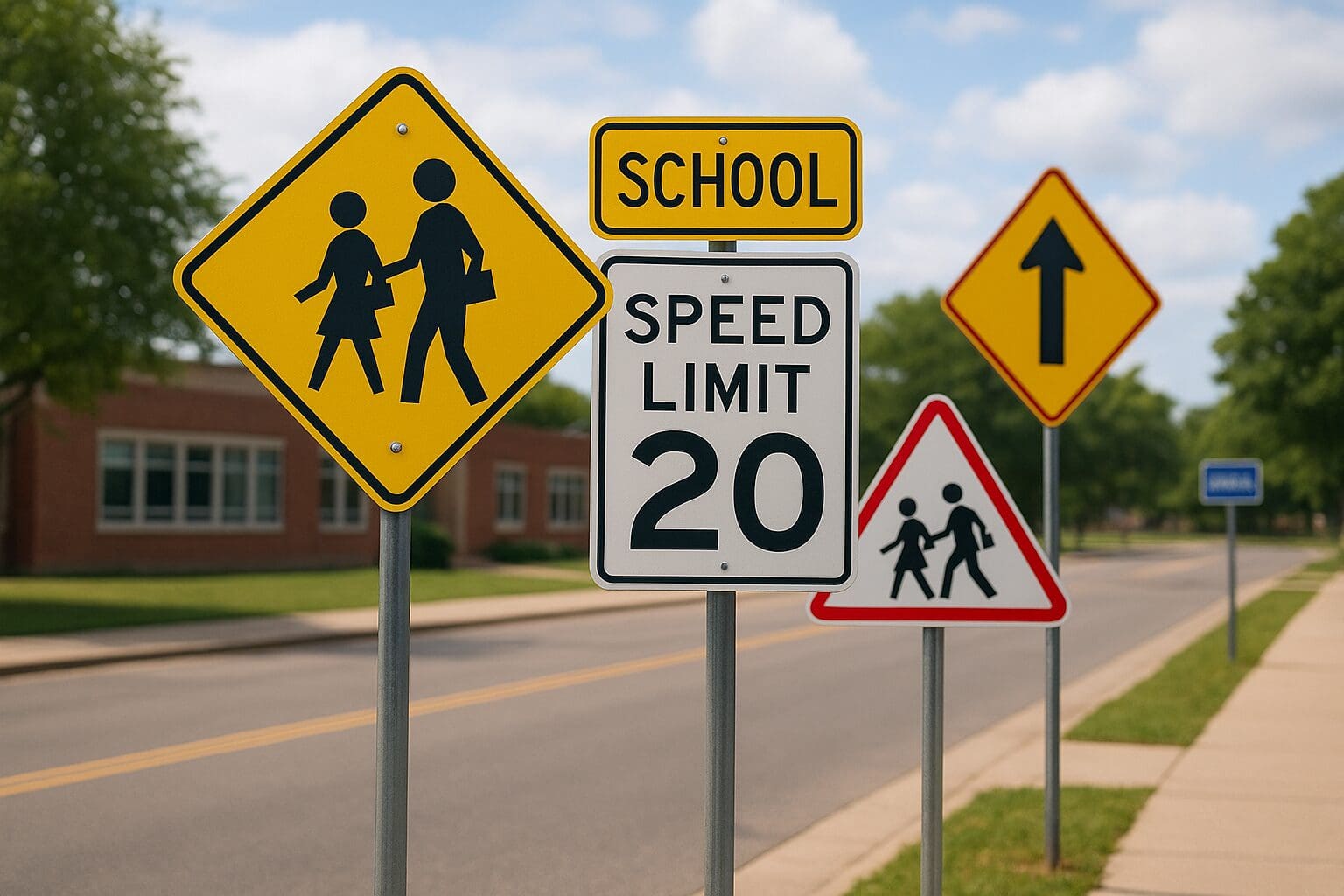
(haipo) – At a meeting of the Haifa Municipality Road Safety Committee, the Hadash faction presented a comprehensive plan to improve road safety in Arab neighborhoods and throughout the city, with an emphasis on educational institutions, main streets and main traffic arteries, with the aim of reducing the number of road accidents and protecting the lives of residents.
In a discussion held last Sunday, City Council member and committee member Faher Bayadsi emphasized that the issue of road safety is complex and requires real and immediate steps. "In the past, tours were held and solutions were proposed, but now the time has come for implementation. The data indicates an especially high rate of involvement of children and youth from Arab society in road accidents, well above the average in the city.
"We must put up clear signs, increase supervision, organize traffic during rush hours, and integrate educational campaigns for both children and the elderly. Only a combination of all these measures can ensure a safer environment," he said.
Data presented at the meeting
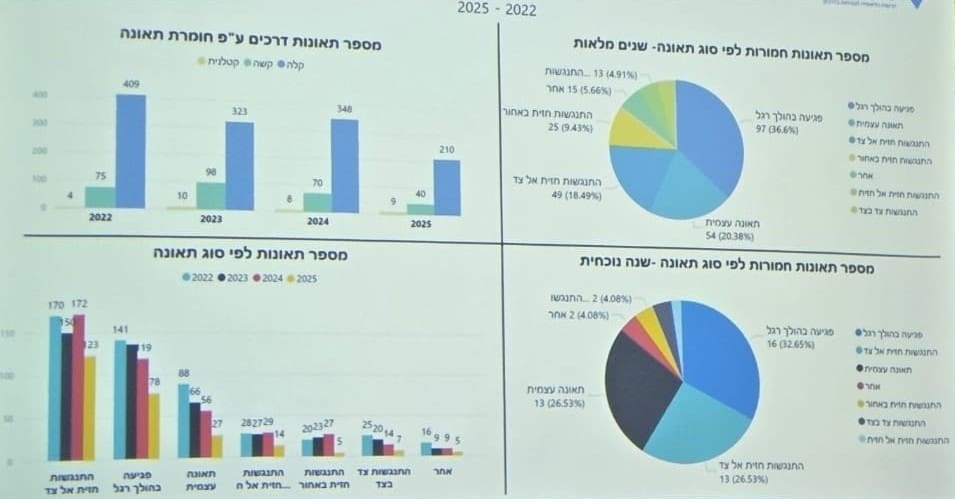
The highlights of the program include:
- Establishing speed bumps on central streets and in various areas of neighborhoods, in accordance with professional recommendations.
- Clear and colorful signage: Placing large signs and prominent ground markings near schools, similar to advanced countries, to alert drivers.
- Strengthening the presence of municipal inspectors around schools, in cooperation with parents and volunteers.
- Preventing trucks and garbage vehicles from entering crowded neighborhoods and near schools during the morning hours (07:00–08:00).
- Regulating traffic and reducing congestion during peak hours through supervision and coordination.
- Education and outreach – activities in schools, community centers and among the elderly population, to foster a culture of responsibility on the roads.
- Improving smart lighting at crosswalks and developing safe infrastructure for pedestrians.
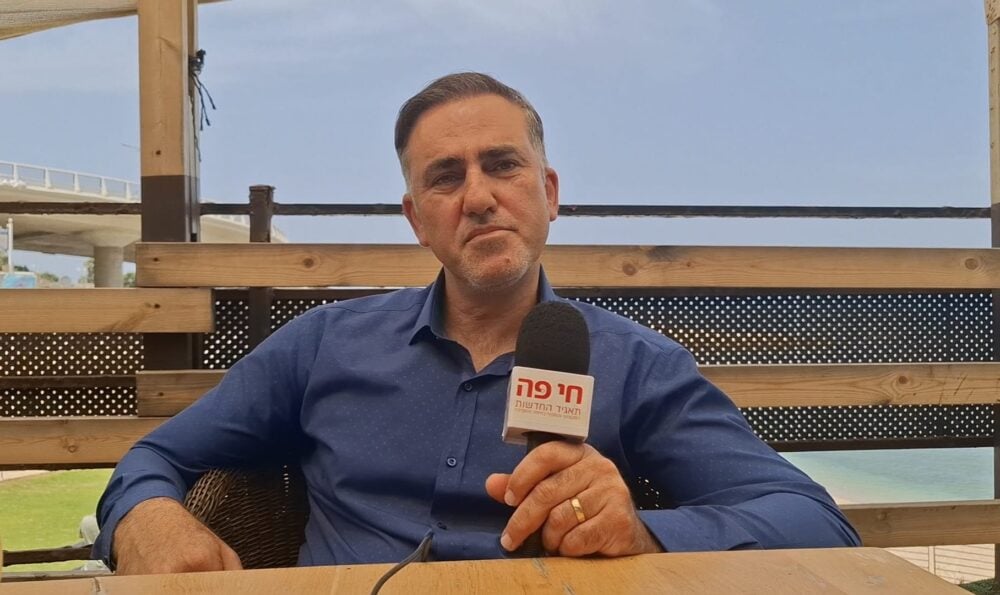
In a conversation with Chifa, Bayadsi noted, Because during the discussion, he also raised the alarming situation of Ibn Gvirol Street, where many accidents have occurred, some of them fatal, and in which children and teenagers have lost their lives, a topic on which I also submitted a question at the last city council meeting. According to him: "It is impossible for a highway to pass through the heart of a dense residential neighborhood. I met with police representatives, and it was agreed that additional speed bumps will be installed to prevent future disasters. Ibn Gvirol Street is an example of a daily danger that requires immediate attention."
Bayadsi emphasized that the plan presented does not only concern the engineering aspect but also the social aspect: "We presented clear data that proves to what extent our children and residents are exposed to danger on a daily basis. This is not just a professional requirement, it is an educational, moral and social responsibility. We will continue to fight for designated budgets to implement the plan and ensure a safer environment for all of us."
In the article's image, it would have been appropriate to show the signage that had already been placed in the elementary school cafeteria and not "run" to AI to hide images that did not belong to us.
At the same time, congratulations on the blessed activity and a small request.
It's time to install standard speed bumps and not rely on a wheelbarrow with tar and two workers with a rake. That's not how you make a speed bump.
The safety failure in Arab neighborhoods, and especially in the Wadi Nassans neighborhood, has been serious and ongoing for decades. Crosswalk markings have been completely erased and there is no appropriate signage warning of student crossings. The situation endangers the lives of children and residents of the neighborhood. Haddad Street in the Wadi Nassans neighborhood is an example of ongoing failure. Crosswalk markings have been erased, traffic lights and speed bumps have been installed.