


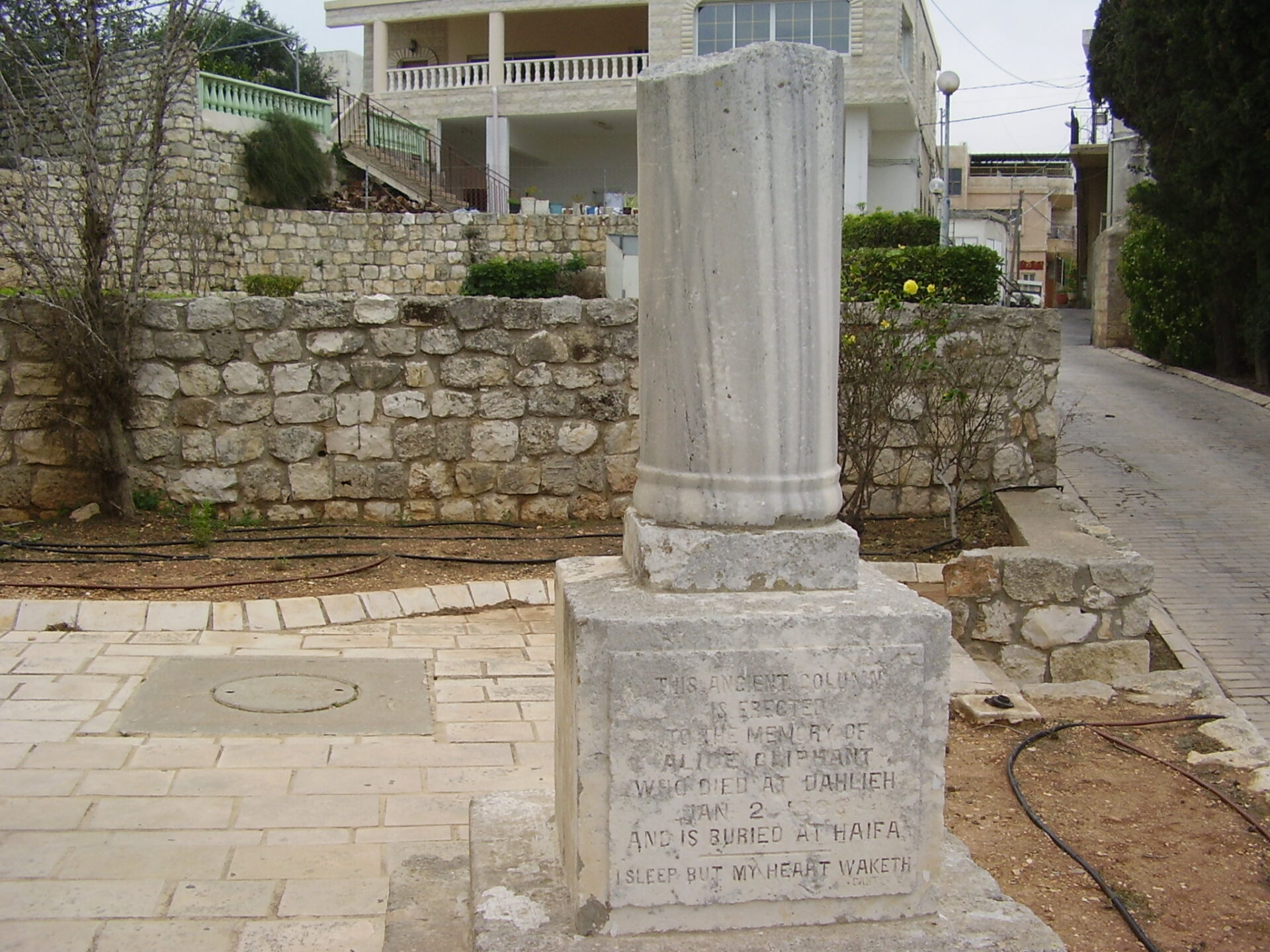
This time our story attempts to decipher a romantic inscription, carved into the base of a monument, located at the back of the Yad Labanim house in Dalit El Carmel. Story story.
Lawrence Oliphant, 1829 – 1888, was born with a golden spoon in his mouth and thorns in his butt. He didn’t really like studying and preferred… to travel the world and write about it. He worked a little here, traveled a little there and, in short, it’s good to be born into a privileged and wealthy Scottish family.

It seems that thanks to his lineage and family connections, he was even elected to the British Parliament in 1865. Much to the scandal, within two years Oliphant left Parliament and Britain, and moved to the United States. In the land of unlimited possibilities, he found himself in the arms of a Christian preacher who had founded a mystical sect called the "Brotherhood of the New Life." He moved to live with the brotherhood, in which the preacher Harris developed a "tantric" method of breathing together with mixed couples, in order to reach mystical-sexual ecstasy, but without physical contact. Oliphant was occasionally allowed to return to the outside world to earn money for the community. Such was his foray to Paris to work there as a journalist. There he met Alice Le Strange, who was 18 years his junior and the daughter of a wealthy English aristocratic family. After they married in 1872, Oliphant attracted Alice and his mother to the Commune, and even transferred his wife's dowry to the sect.
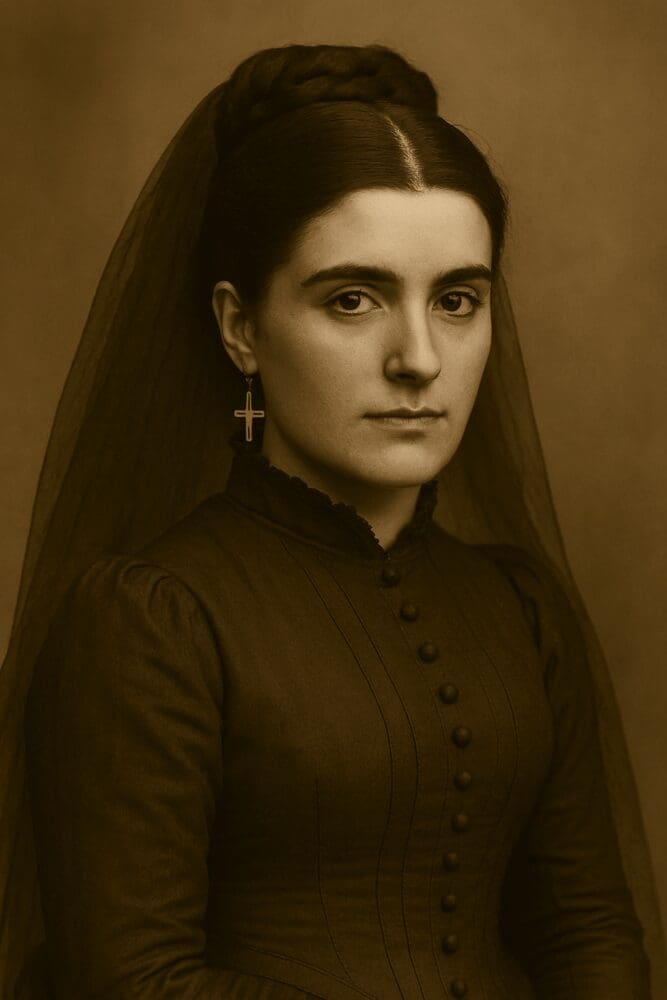
Another 11 years would pass before Oliphant would sober up and leave the cult along with his mother, while his wife Alice chose to stay. Strange? Well, Harris, the cult leader, claimed that Alice was his "heavenly soulmate" and not Oliphant's. Another six years would pass before she too left, and Lawrence and Alice were reunited. Reunited? During their 14 years of marriage, the two actually testified, they did not have sex even once. On the other hand, it seems that Lawrence was not exactly abstinent, since when he wanted a child with Alice, she refused because he had syphilis... So that's it? Wait, wait.
In the following years, Oliphant joined a movement that encompassed tens of millions of Protestants who believed it was necessary for a Jewish state to be established in the Holy Land, for Jews to immigrate to it, and… to convert to Christianity. Oliphant traveled to Istanbul (Cushta) to interest the Ottoman Sultan. Unsurprisingly, the Muslim Sultan rejected the idea, which was intended to promote the return of Jesus Christ…
This is where the Jewish poet Naftali Herz Imber comes into the picture. Does the name sound familiar? He wrote "Hope," our national anthem. Naftali, who was then selling shoelaces in an Istanbul market, met the Oliphants and managed to impress them with the question "Is God male or female?" Oliphant was charmed and decided to appoint Imber as his personal secretary for Jewish affairs.

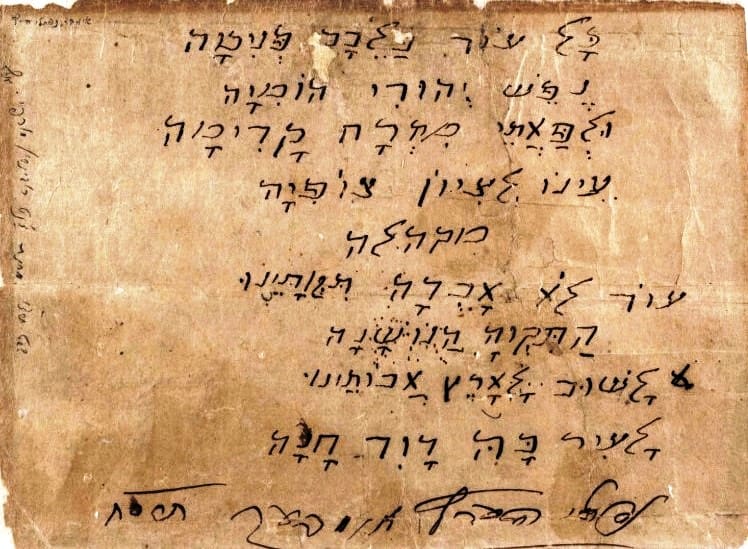
The first verse and chorus, "Out of Hope," signed by Naftali Herz Imber, 1908, preserved in the National Library.
Is it that easy to get such a job? Well, the poet described his encounter with the Oliphants in the words: "When I entered, my eyes saw Mrs. Oliphant for the first time. When I saw her, I felt that I had followed that wonderful charm." In short, he fell in love. Later, Naftali's brother testified that the reason he joined the couple was because "she and her husband did nothing without his advice and consent, both in public and private matters," and they became a kind of threesome.
After the Sultan refused to allow Jews to settle in the country, Oliphant, a Gentile, decided to take the first step and move to the country. In December 1882, the couple and their close secretary arrived in Haifa and decided to establish their residence there. They established their residence in the German colony, now Ben Gurion Boulevard, where Oliphant purchased a Templar house.
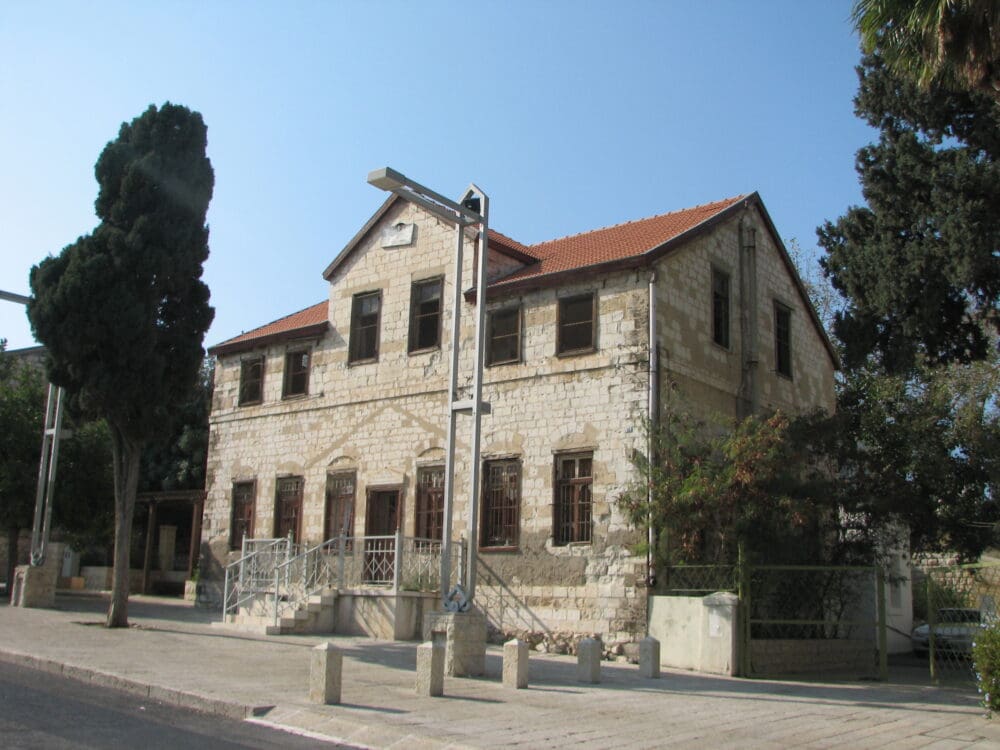
Oliphant also built a summer residence in Dalit al-Karmel. Today the house serves as the Yad Labanim House for the martyrs of the Druze community. Surprise: in both houses a room was reserved for the poet Naftali…
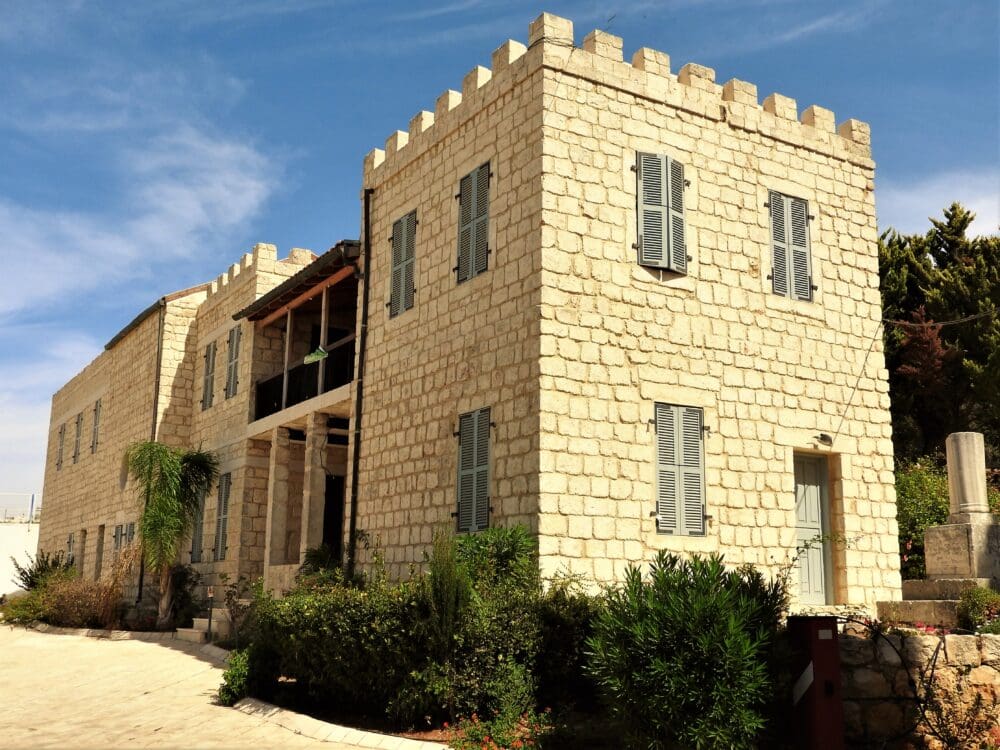
When the excavation of the foundations for the summer residence in Dalia began, it turned out that the lot was located on an archaeological site. Already at a depth of 60 cm, large ashlars, pottery shards, and more were discovered. Oliphant later wrote that he considered stopping construction in order to carry out a systematic excavation on the site. So he did. In practice, he incorporated the findings into the building, including a marble column. We will return to this later. Naftali and Alice, who were staying there alone, would often come to the house.
In December 1885, Lawrence and Alice went to visit the Sea of Galilee and fell ill with a fever. Shortly afterwards, Alice died and was buried in the Templar cemetery in Haifa. Oliphant did not attend the funeral. Perhaps because he had not yet recovered.
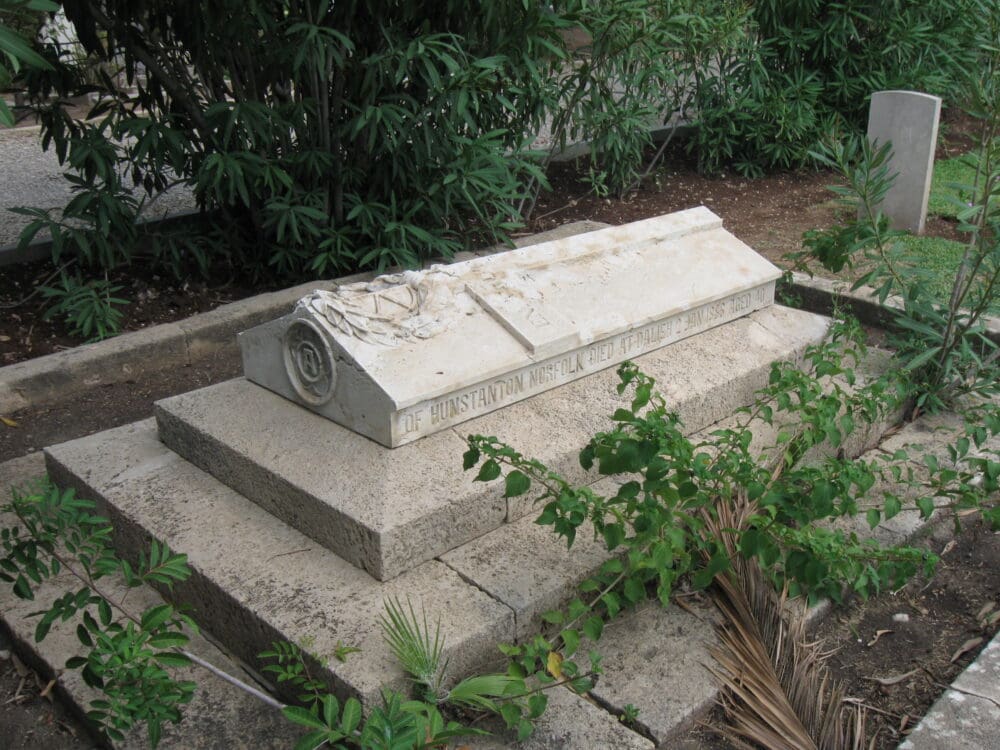
In memory of his wife, he erected a tombstone, a base on which stands a marble column that was discovered at the site. On the base were engraved the words:
| THE ANCIENT COLUMN IS ERECTED IN MEMORY OF ALICE OLIPHANT WHO DIED AT DAHLIEH JAN 2 1886 AND IS BURIED IN HAIFA I SLEEP BUT MY HEART WAKES | The ancient column is erected in memory of Alice Oliphant, who died in Dalia on January 2, 1886, and was buried in Haifa. I am sleeping and my heart is awake. |
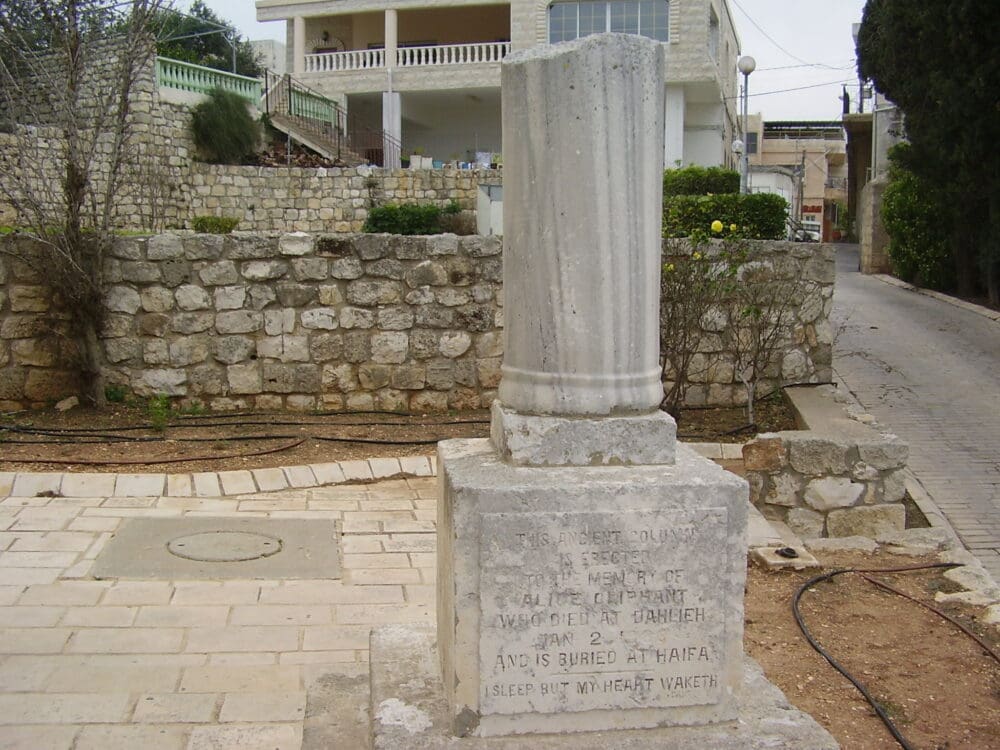
"I am sleeping and my heart is awake." How romantic.
This is where I began to suspect. I went to Song of Songs, Chapter 5, and asked for the rest of the paragraph from which the verse was taken:
ב I am asleep, and my heart is awake; my uncle's voice is knocking, open the door for me, my sister, my shepherd, my dove, my dead body—my head is full of dew, my bundles of night spray.
ג I have stripped myself, I have put on my robe; I have washed my feet, I have put on my robe.
ד My uncle, he sent his hand from the fire, and my heart, they were upon him.
ה I arose to open the door for my uncle, and my hands were stained with myrrh, and my fingers with myrrh ran over the latchet.
ו I opened the door for my uncle, and my uncle slipped past;
This is the Song of Songs, right?
Am I an interpreter? Have I gone crazy?
Moody Bar On's film followed Naftali Herz Imber's journey through Israel from 1886 to 1882 and examined his relationship with Lord Oliphant and his wife Alice ◄ Watch
The visit to Dalit al-Karmel is part of an in-depth tour of the Druze villages.
TAZ04 Oh my dear! I'm so sorry!!!!!!
Fascinating article. We traveled with Avi Korenboim in Haifa and it was interesting, different, rich in knowledge, a truly highly recommended experience!
The article is very interesting, a thorough and in-depth investigation by the instructor, Avi Korenbaum.
It's written like a thriller...a story I didn't know in such depth.
Thank you, Avi. I look forward to the next articles.
It turns out there is more to Naftali than we knew!
Great article! I enjoyed reading it. Looking forward to the next trip with my father.
I went with the guide Avi Konvoim to Dalit El Carmel to listen to the anthem.
A trip. Fascinating and exciting.!
I highly recommend traveling with my father.
Traveling with him opens up worlds to us.
and historical and cultural heritage sites
Interesting and exciting.
Thank you very much, Avi. I'm already looking forward to the next trip.