


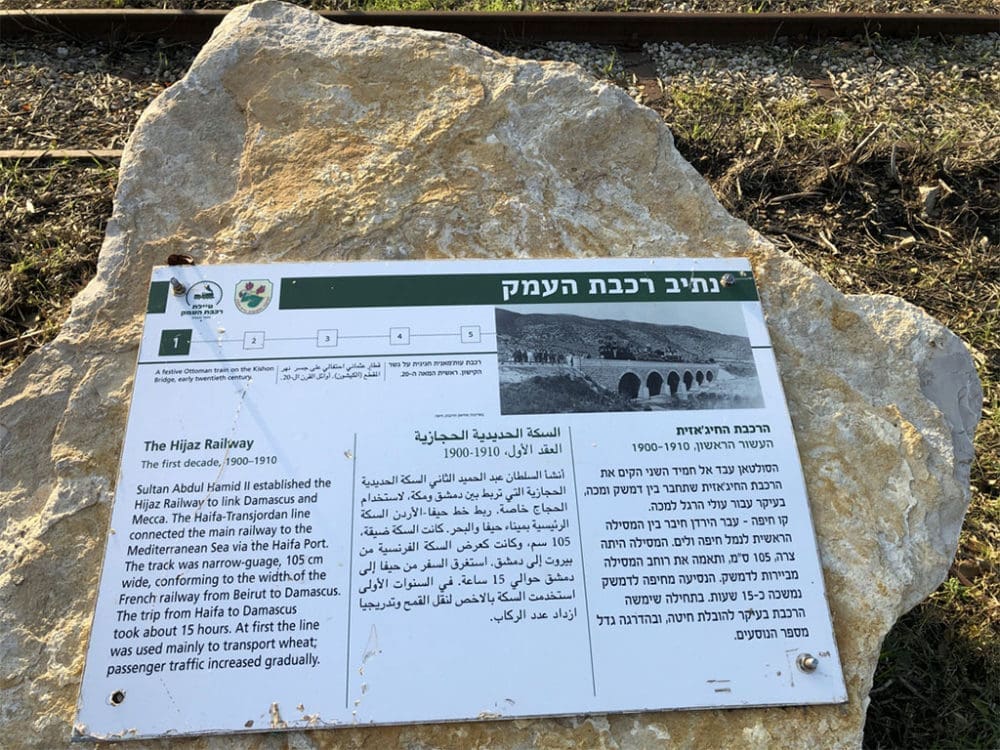
The Valley Railway was one of the most important transportation enterprises in the Land of Israel in the first half of the 20th century. It connected Haifa with the Jezreel Valley, the Jordan Valley and Damascus, serving the agricultural settlement, the merchants and the British army, and leaving behind a rich historical legacy. During the British Mandate, the railway played a central role in the daily lives of the region's residents, but also became a central target in the activities of the Hebrew underground in the struggle against British rule.
From the beginning of the road: part of the Hejaz Railway
The Valley Railway was established during the Turkish period, when they built the Hejaz Railway, which was intended to connect Damascus with the holy cities of Islam – Mecca and Medina.
This train passed through the Jezreel Valley and the Jordan Valley. The train passed from Haifa through Yagur, Kfar Yehoshua, Afula, Beit Shean, Tzemach and continued to Damascus.
An essential means of transportation during the British Mandate period
The Valley Railway was also important during the British Mandate. It served the British military forces as well as the settlements of the Jezreel Valley and the Jordan Valley.
It transported agricultural produce, building materials, and various goods to the developing communities. In this way, the railway contributed to strengthening agricultural settlement and the development of the valley.
The train that left Haifa had several important stations. The station in Kfar Yehoshua, the station in Afula, the stations in Beit Shean and Tzemach. It was used mainly to transport agricultural produce and served the army by transporting soldiers.
Slow travel, packed cars and unforgettable experiences
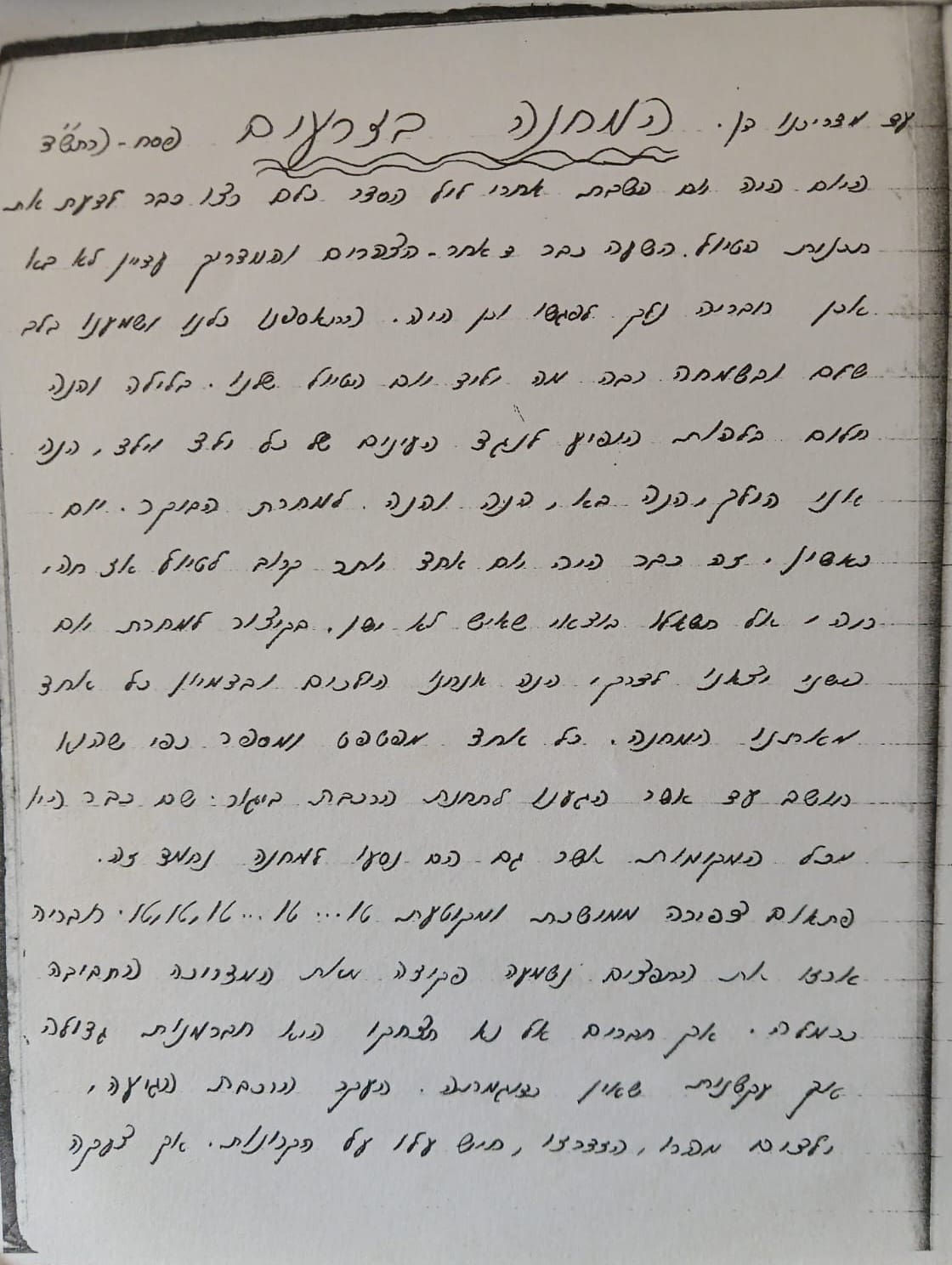
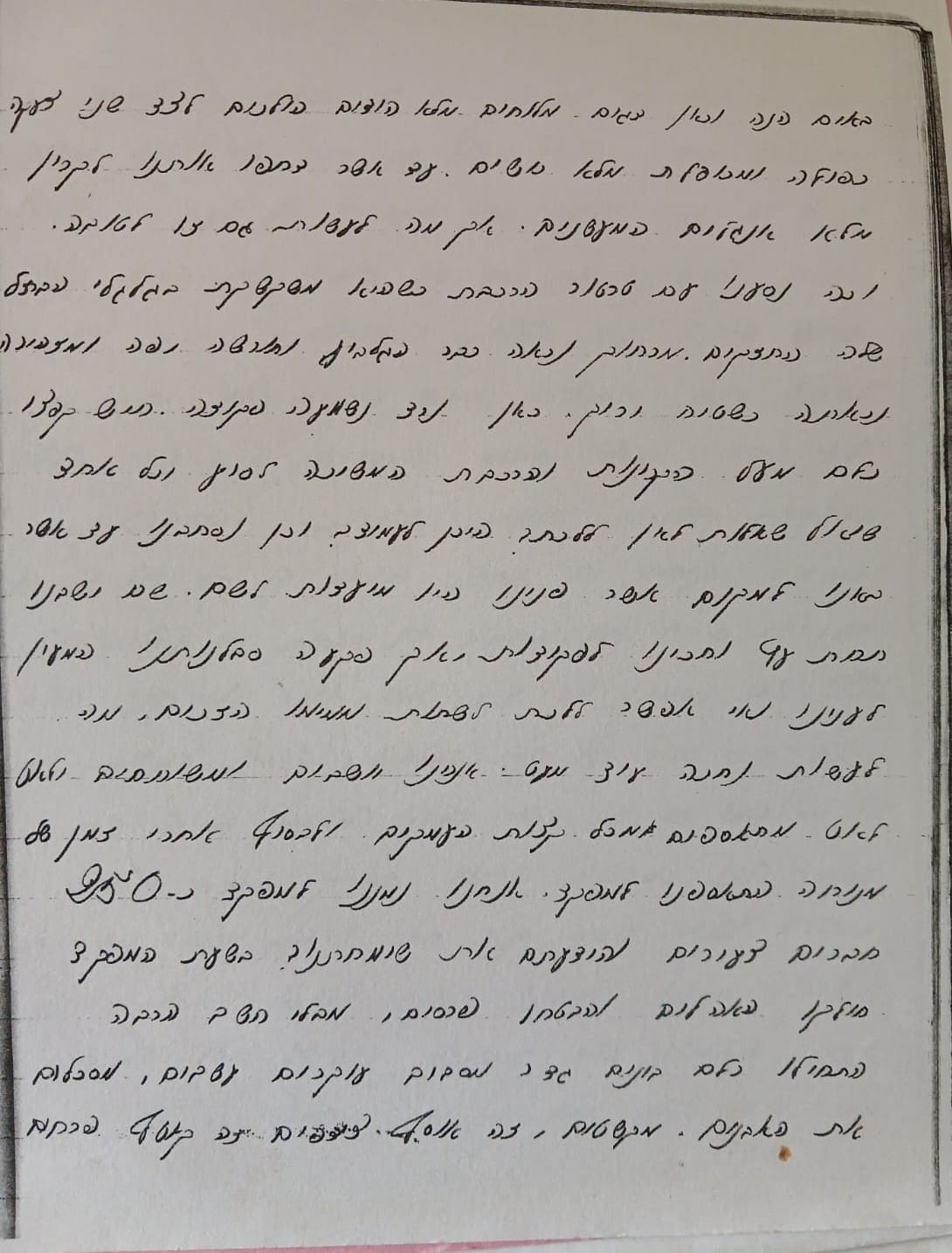
Anyone who has traveled on the Valley Railway remembers an experience completely different from that of today's modern trains.
The train was very slow. It was powered by steam. While it was traveling, we got off to pick flowers and managed to get back on the carriages. The carriages were always packed with Indian soldiers who served in the British army, Bedouins from the area, chicken coops and crates full of agricultural produce of fruits and vegetables…
A strategic target in the fight against the British
During the Mandate period, the railways and bridges were also a strategic asset. As the struggle between the Jewish community and British rule intensified, the Jewish underground organizations recognized the importance of the railway to the British. And in 1946, after the Black Sabbath at Kibbutz Yagur, the Night of the Bridges took place. This was an operation by the Palmach in which bridges were blown up throughout the country. In order to harm British transportation. This was one of the expressions of the Jewish community's struggle against British Mandate rule.
The War of Independence and the cessation of railway operations
In 1947, security tensions in the country increased. And in 1948, with the beginning of the War of Independence [immediately after November 29], all train stations became an important arena. The battles damaged train station buildings and their operations.
After the establishment of the state, the activity of the Valley Railway was reduced and in the 50s, it virtually ceased operation. In 2016, train traffic between Haifa and Beit She'an was resumed, but on a new route close to the historic route.
In conclusion
The Valley Railway was much more than a railroad. It was a lifeline that connected Haifa, the valleys, agriculture, merchants, and settlements. During the British Mandate, it served as a major means of transportation.
The Valley Railway is a history of people, places, and a period.
An excerpt from my diaries from those years.
Did the article interest you?