


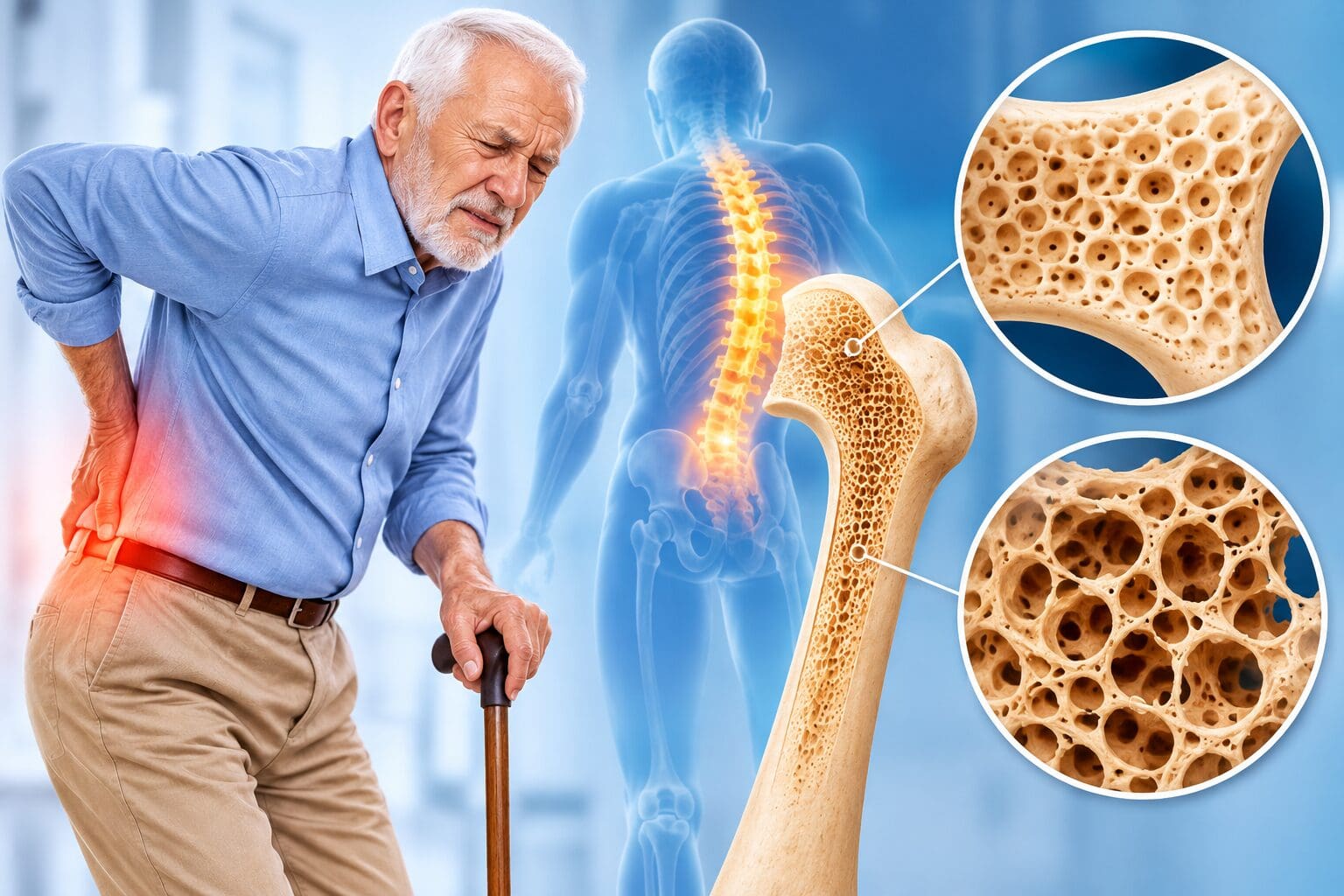
(Live here is the news corporation of Haifa and the surrounding area) A silent disease, which can cause severe fractures, disability and even death, continues to suffer from underdiagnosis and undertreatment in Israel. Although bone density testing is included in the health basket from the age of 60, many do not perform it on time. Ahead of the annual conference of the Israeli Association for Osteoporosis and Bone Diseases (IAOBD), experts are warning of the need to increase awareness, improve diagnosis and include the test in the quality indicators of the healthcare system.
One in three women and one in five men
According to a publication by the Medical Association, osteoporosis (bone thinning) is one of the most common, but also the least diagnosed, diseases among the elderly population in Israel. According to estimates by Maccabi Health Services, about half a million people in Israel live with the disease. It is a disease characterized by a decrease in bone density and a weakening of its structure, which significantly increases the risk of fractures, sometimes even following a minor fall or a simple daily activity.
The disease affects one in three women and one in five men over the age of 50. One of the main difficulties in dealing with it is the lack of early signs: in most cases, there is no pain or symptoms indicating its development, so quite a few people discover that they are ill only after a fracture occurs.
One fracture can change a life.
A fall at home, bending over to lift an object, or a seemingly minor injury can result in a fracture of the wrist, spine, or hip. These fractures can have significant consequences for function, independence, and quality of life, especially in older people. A hip fracture is considered one of the most dangerous fractures in older age. It ranks as the seventh leading cause of death among the elderly and the second leading cause of disability among those aged 65 and older, after stroke.
A study conducted for IOA (the Israeli Association for Osteoporosis and Bone Diseases) in 2017 found that nearly 9,000 hospitalizations occur in Israel each year due to hip fractures. The direct and indirect cost of these fractures was estimated at approximately two billion shekels per year.
The association notes that even over the years, there has been no significant change in the extent of the disease, and that many people who have already experienced a fracture are at increased risk of another fracture. Therefore, the experts emphasize, it is not enough to treat a fracture after it has occurred; one must invest in early detection and prevention.
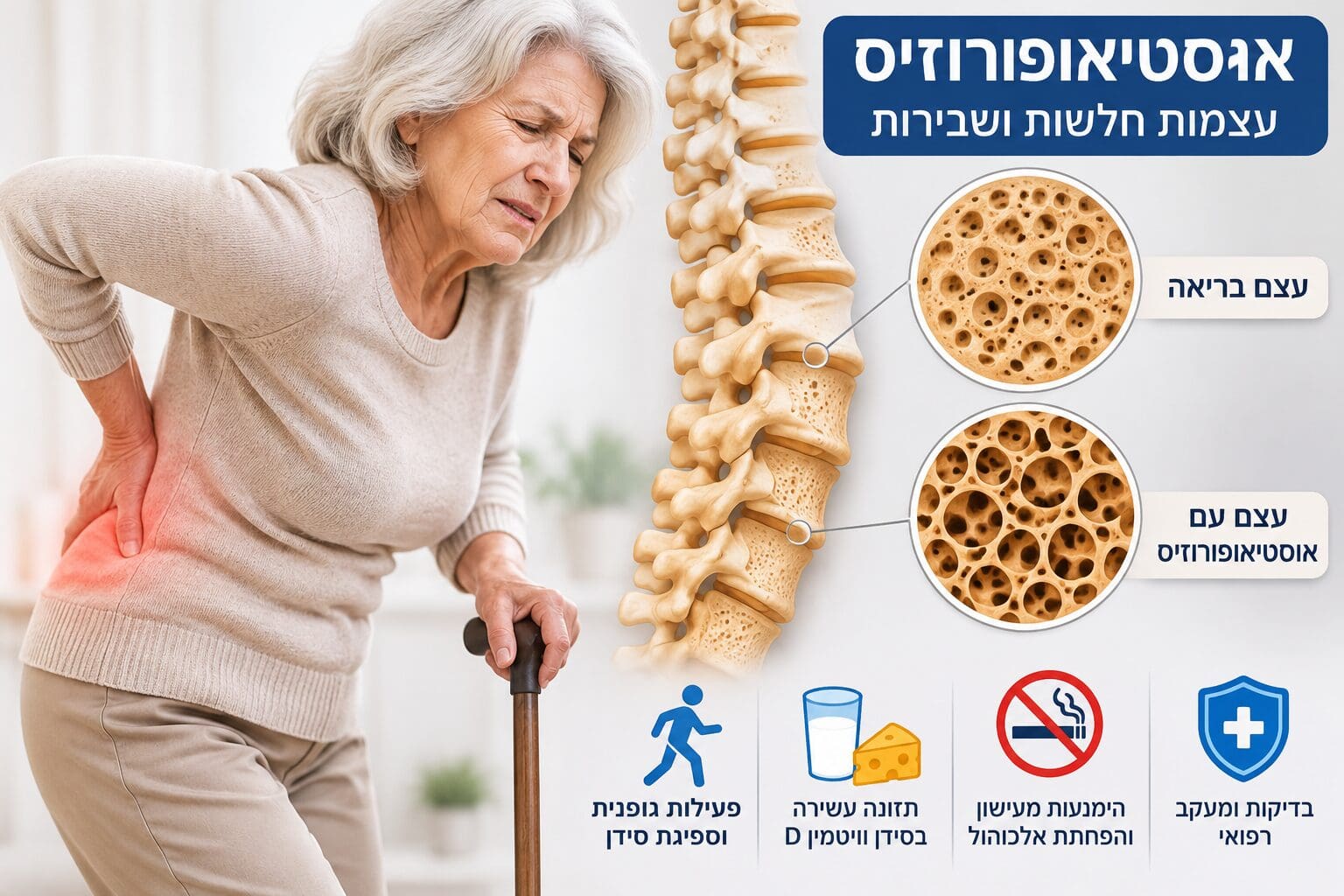
The test is available in the health basket, but is not always performed on time.
Prof. Pnina Rothman-Pikelny, from Meir Medical Center and Tel Aviv University, chairwoman of the Israeli Association for Osteoporosis and Bone Diseases, warns that the disease suffers from underdiagnosis and undertreatment.
According to her, in many cases it is the first fracture that leads to the discovery of the disease, even though the risk could have been identified earlier through a bone density test.
The test is included in the health basket from the age of 60, but in practice many patients do not have it done on time. Among the reasons for this are low awareness of the importance of the test and the fact that it is not included in the Ministry of Health's quality indicators.
Prof. Rothman-Pikelny, Indicates a significant gap in healthcare policy. While surgery following a femoral neck fracture is supposed to be performed within 48 hours, and its inclusion in quality indicators has led to improvements in surgery times, there is no complementary indicator that addresses preventing the fracture in the first place.
Chronic diseases and medications can harm bone health
Another problem concerns people dealing with chronic diseases. Patients with diabetes, inflammatory and rheumatic diseases, lung and intestinal diseases, kidney failure and cancer are usually under regular medical supervision. However, bone health does not always receive the attention it deserves.
Both the diseases themselves and some of the medications used to treat them can weaken bones and increase the risk of fractures.
Prof. Merav Frankel, from Soroka Medical Center and Ben-Gurion University, president of the Israeli Endocrinology Society, emphasizes that even after a fracture, the cause that led to it is not always investigated. Sometimes treatment focuses solely on repairing the fracture, without providing a sufficient solution to prevent the next fracture. According to her, fear of side effects of osteoporosis medications, incorrect information on social media, and lack of knowledge also cause some patients to avoid essential treatment.
She emphasizes that bone health should be considered as an integral part of the overall treatment of chronic patients, especially when it comes to medications for diabetes, thyroid disease, lung disease, and cancer.
A new model for preventing recurrent fractures
One of the solutions promoted by the Israeli Institute of Orthopaedic Surgeons is an international model called FLS – Fracture Liaison Service, which is designed to locate patients who have experienced a fracture suspected of being an osteoporotic fracture, perform a medical examination, adjust treatment, and ensure continuous monitoring.
In the hospitals where the model operates, including the Rambam Medical Center in Haifa, a dedicated coordinator coordinates the treatment of patients after the fracture, in collaboration with a multidisciplinary team that includes orthopedists, geriatricians, endocrinologists, and family physicians.
The process includes identifying patients at risk, compiling medical information, referring them for bone health tests, adjusting drug treatment, and monitoring even after discharge from the hospital.
The goal is to prevent a situation in which a patient suffers a fracture, receives orthopedic treatment, and is discharged home without sufficient investigation into the cause of the fracture and the way to prevent its recurrence.
Prevention begins long before the fracture occurs.
Dr. Rakefat Bacharach, a family physician and former chairwoman of the ILA, emphasizes that osteoporosis is not just a disease that affects the bones, but a disease that can be life-threatening and cause severe pain, limited movement, disability, loss of independence, and even death.
According to her, maintaining bone health should be considered a national task, and should be started from a young age through a balanced diet, adequate intake of calcium and vitamin D, physical activity, and avoidance of smoking, excessive alcohol consumption, and being underweight.
At the same time, she calls on people dealing with chronic illnesses to proactively raise the issue of bone health with their family doctors and treating physicians, and to ensure that the risk of osteoporosis is examined and addressed.
The message to the healthcare system: Don't wait for the next crisis.
Experts emphasize that the extent of fractures and their consequences can be reduced through early diagnosis, appropriate treatment, and organized medical follow-up. This requires increasing public awareness, incorporating bone density testing into the health system's quality indicators, and expanding the response to chronic patients.
Rehabilitation after a fracture is also very important. Proper rehabilitation treatment can help patients return to independent functioning, prevent deterioration into a nursing home situation, and reduce dependence on family members and the healthcare system.
Ultimately, the message from the experts is clear: osteoporosis is not a death sentence. Timely testing, correct diagnosis, and appropriate treatment can prevent fractures, spare patients and their families much suffering, and even save lives.
If I'm not mistaken, calcium is related to bone strength... because of eating or drinking dairy products, calcium escapes! I read about it once that milk escapes calcium, follow the healer Aryeh Avni