


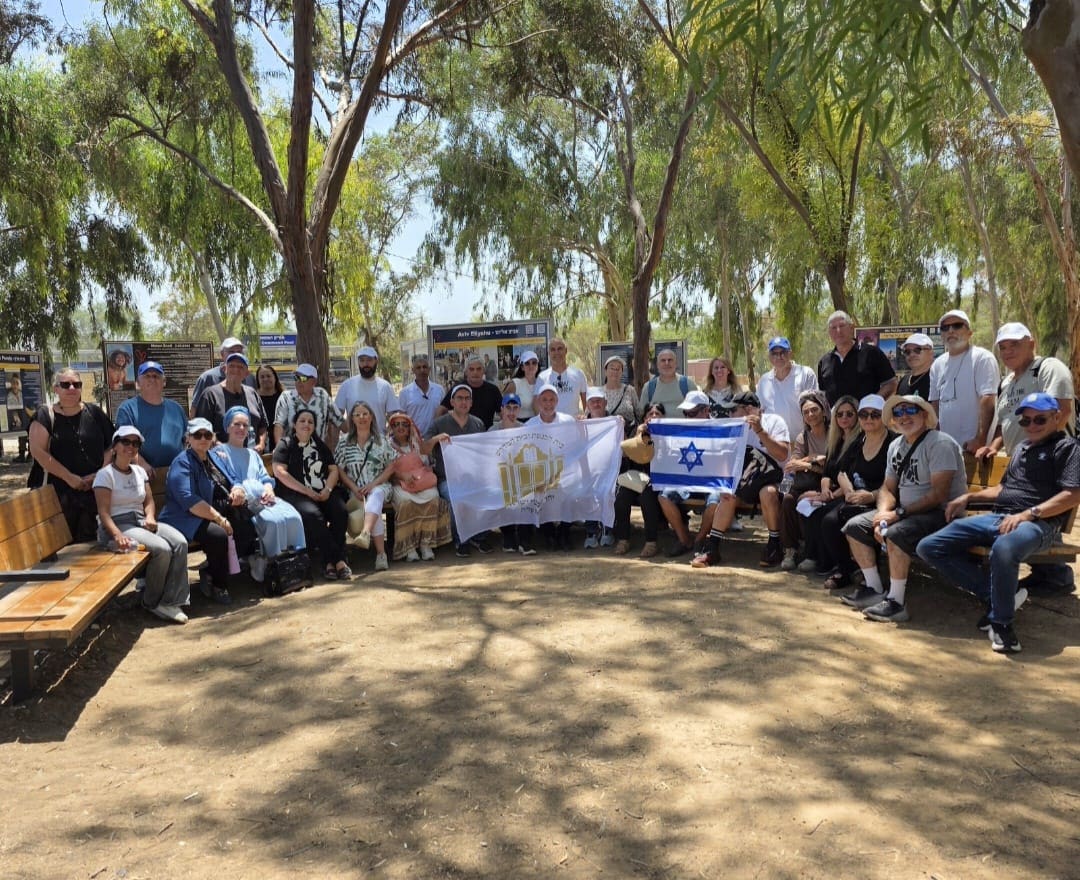
A visit to the settlements surrounding Gaza and to the Nuwa site presents a stark picture of destruction alongside rebirth after the October 7th uprising and provides a glimpse into the complex reality of life in the region, in the shadow of political turmoil and complex security tensions.
Against this backdrop, this week, members of the congregation of the 'Yachad Shivtei Yisrael' synagogue in Yokneam set out on an exciting and extraordinary journey, unlike any other trip we've known in recent years. These were not the familiar landscapes of the Galilee or the historic trails of Jerusalem. These were the open, wounded landscapes of the communities surrounding Gaza.
A region of land that in one day turned from a green paradise, into a living, breathing Gilead of heroism, loss, and a memory that refuses to let go.
We moved between the stations in an attempt to do what has been required of every Jew since time immemorial: to see, to remember, and not to forget.
We started at the burned-out car park in Moshav Tekoma near the city of Netivot. The sight that opened before our eyes was unimaginable. Rows of twisted, burnt and sooty metal skeletons testified without words to the intensity of the fire, the hatred and the cruelty that existed in the Nuba compound. Each such vehicle is a story, a family, a whole world that tried to escape and was trapped. Standing in front of these piles of metal illustrated to us, more than anything else, the extent of the disaster. It was silent and chilling evidence of the destruction and the great question, how do you grow from such ashes?
From there we continued directly to the Nova Festival complex itself in the Reim parking lot. The place where the lives of hundreds of young people celebrating were cut short has now become the beating heart of a living memorial. Amidst the trees planted bearing the pictures of the murdered and kidnapped, a profound silence reigned. We stood there looking at the signs of the boys and girls, and we couldn't hold back the tears.
After explanations from Nitzan, the tour guide who accompanied us throughout the day, we held a moving and powerful community ceremony in memory of the murdered, including 12 men and women from our city of Yokneam, innocent citizens and heroic soldiers who fell during the war.
It was one of the most moving moments of the trip. In this place in the Re'im parking lot, the Valley of the Killings where our children were slaughtered, murdered, raped, and butchered, we stood heartbroken but united, and sang together the Song of Hope. A song that was a clear declaration to all that despite the immense pain, the spirit of Yokne'am and the entire Jewish people will never be broken. Not a single eye remained dry.
We continued our visit to the police station building in Sderot, a place that has become a symbol of struggle, sacrifice and determination. We stood in excitement at the place where police officers and fighters waged a heroic battle, fiercely, to the last drop of blood, literally. In the film we saw at the Founders' House in Sderot, we heard about the dilemmas and the decision that was ultimately made by the IDF and the police to bomb the station building following the terrorists who had barricaded themselves in it. An IDF tank fires at a police station building in Israel, not captured.
The stories about the difficult decisions made there, and the courage of the police officers, only further reinforced the well-known saying of the Sages that the Land of Israel was purchased through suffering.
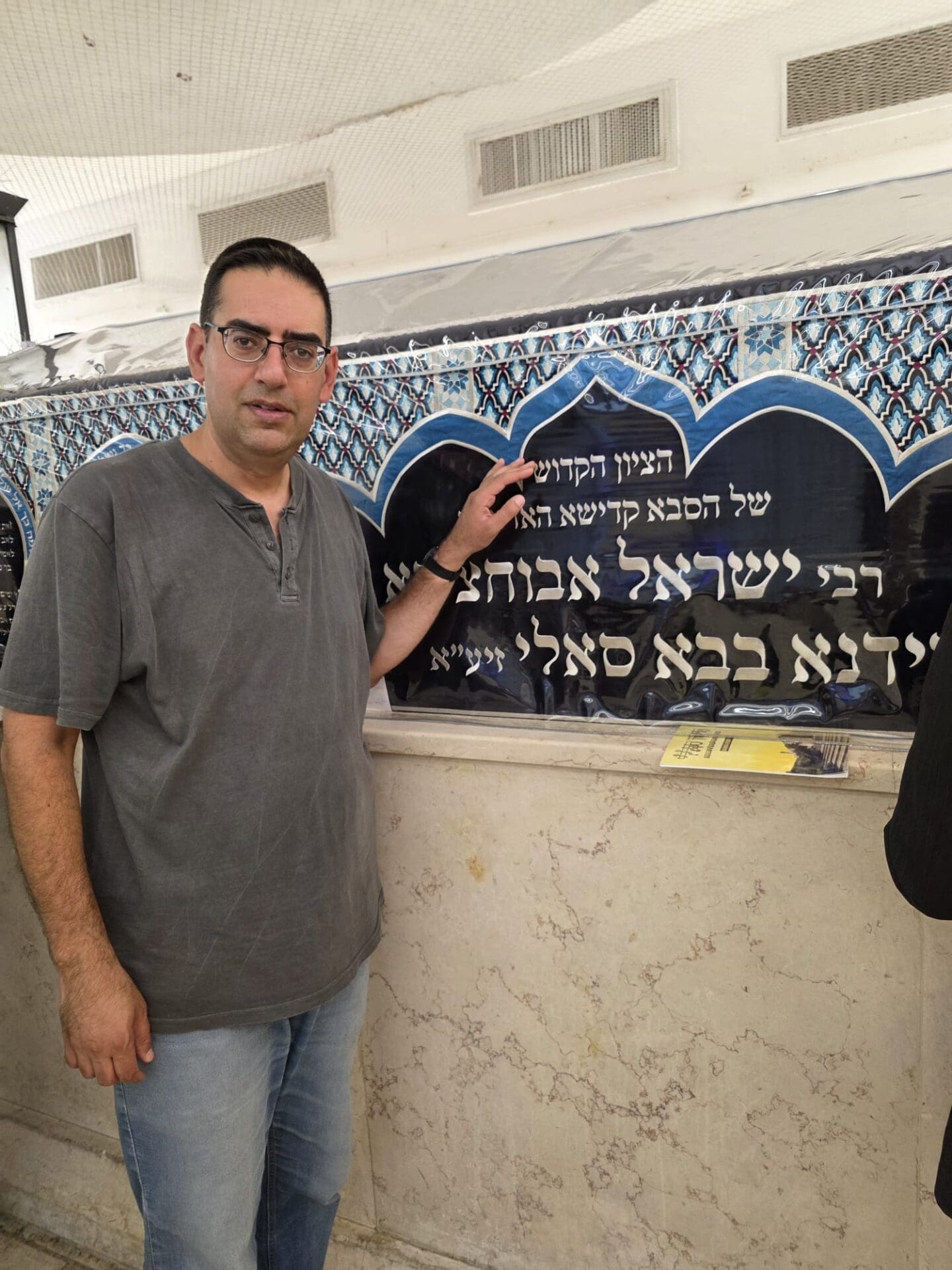
We concluded the tour in the city of Netivot with a visit to the tomb of Baba Sali, Rabbi Yisrael Abuhatzeira, with prayers and supplications for unity among the people of Israel and protection for IDF soldiers and security forces.
It was a difficult and moving tour, one that constricts the heart and leaves many questions open. But along with the distress and almost physical pain, we also felt something else, we felt the rebirth of the residents of the surrounding area, residents who continue to rebuild their lives and believe in life. The joint standing of the community members, shoulder to shoulder, hugging and supporting each other during the difficult moments of the tour, clarified the power of community and mutual responsibility. We understood once again the importance of being together, not only in Shabbat celebrations and prayers, but also in carrying the burden of national remembrance.
We have seen the destruction, but we have also seen the signs of revival, the farmers returning to the fields and the Israeli spirit that refuses to be broken. We carry these sights with us into the daily life of our community, out of a deep commitment to continue to remember, commemorate, and do everything to be worthy of the sacrifice of those who are not. And one more thing, the Nuba site and the settlements around Gaza are a must-see on your list of places you haven't visited yet. Don't miss it.
Israel Lives.
exciting?
Angry