


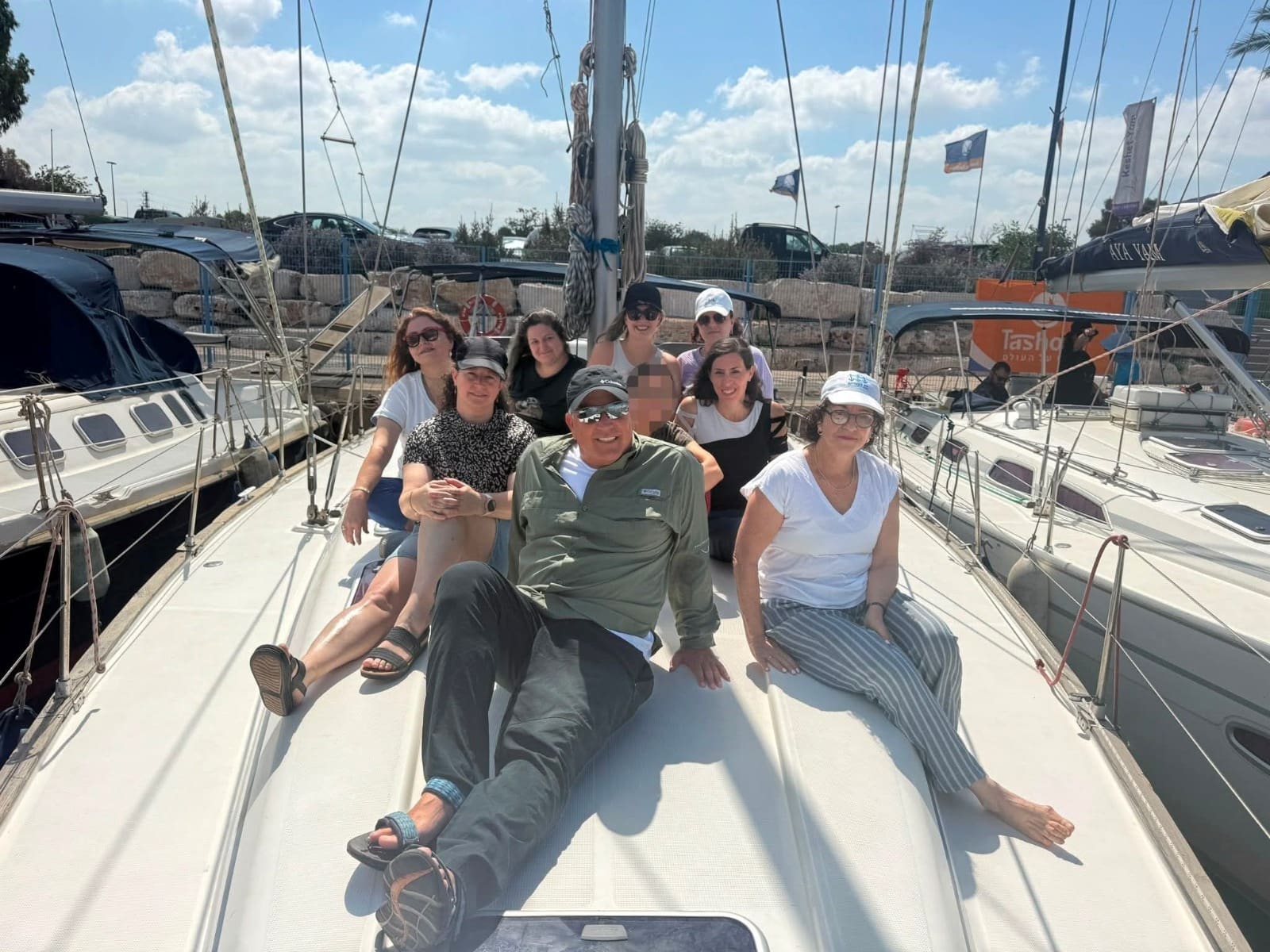
(haipo) After six months of emotional support, another cycle of building a pair of combat-related injuries in the "Choosing Life" program on the Empowerment at Sea cruise has ended. The program, which operates in collaboration with the Ministry of Defense and rehabilitation agencies, is based on the perception that post-traumatic stress disorder not only harms the soldier but changes the life of the entire family, and therefore the partner also needs support, reinforcement, and community.
A holistic program that integrates the family into the rehabilitation process
Program "Choosing life" Operates from a holistic perspective, according to which rehabilitation includes the stroke victim and his family. Alongside group therapy and marine activities for stroke victims, there is a support and guidance group for the couple's daughters, which provides them with tools, knowledge, reinforcement and community.
Behind many of the blows of battle are female partners who are also dealing with the consequences of post-trauma – maintaining the home, family and children, and sometimes postponing their own needs. With the understanding that they also need help and support, a group process was built for them as part of the rehabilitation program.
12 meetings that led to the sailing of empowerment at sea
During 12 sessions, led by Dr. Shlomit Bresler, the participants went through a personal and group process that included knowledge about post-trauma, coping tools, strengthening personal resilience, and connecting to a community of women who share a similar reality. The process was concluded by an empowerment cruise led by Erez Yanai, in which the participants experienced some of the tools and experiences that participants in the rehabilitation program at sea also go through: teamwork, trust, responsibility, coping, internal connection, and a sense of competence.
"The project was life-changing" – participants say
One participant concluded: "For us, the project was life-changing. The cruise restored a sense of meaning, increased our ability and self-sufficiency to perform tasks. The group of women who worked at the same time dispelled loneliness, proved that it is possible to learn new coping tools and see things from a different perspective."
Dr. Shlomit Bresler She added: "Many women live for years with a sense of loneliness and ongoing burnout. When they meet women who experience a similar reality, receive knowledge and tools, and realize that they are not alone, a significant process of personal and family strengthening begins."
"Rehabilitation is not just for the warrior" – the founder of the program
Erez Yanai, founder and leader of the "Choose Life" program, said: "As someone who deals with post-trauma myself, I know how important it is to receive hope and tools on the path to rehabilitation. I learned that rehabilitation is not just for the warrior, the partners are an integral part of the journey. They hold the family together in difficult moments, and therefore they need to receive space, support and reinforcement. I learned firsthand that post-trauma does not only belong to the warrior, it enters the home and affects all family members."
Since the beginning of the war, the number of people dealing with post-traumatic stress has increased significantly, and at the same time, many spouses are also dealing with mental strain, burnout, and loneliness, sometimes without any support framework. The "Choose Life" program has become a unique model in recent years for the rehabilitation of combat veterans through challenging sea voyages, group therapy, and family support. Alongside dozens of combat veterans who have already participated in the program, the spouses' groups have become an integral part of the rehabilitation process, with the understanding that true rehabilitation does not begin and end with the soldier, but with the entire family.