


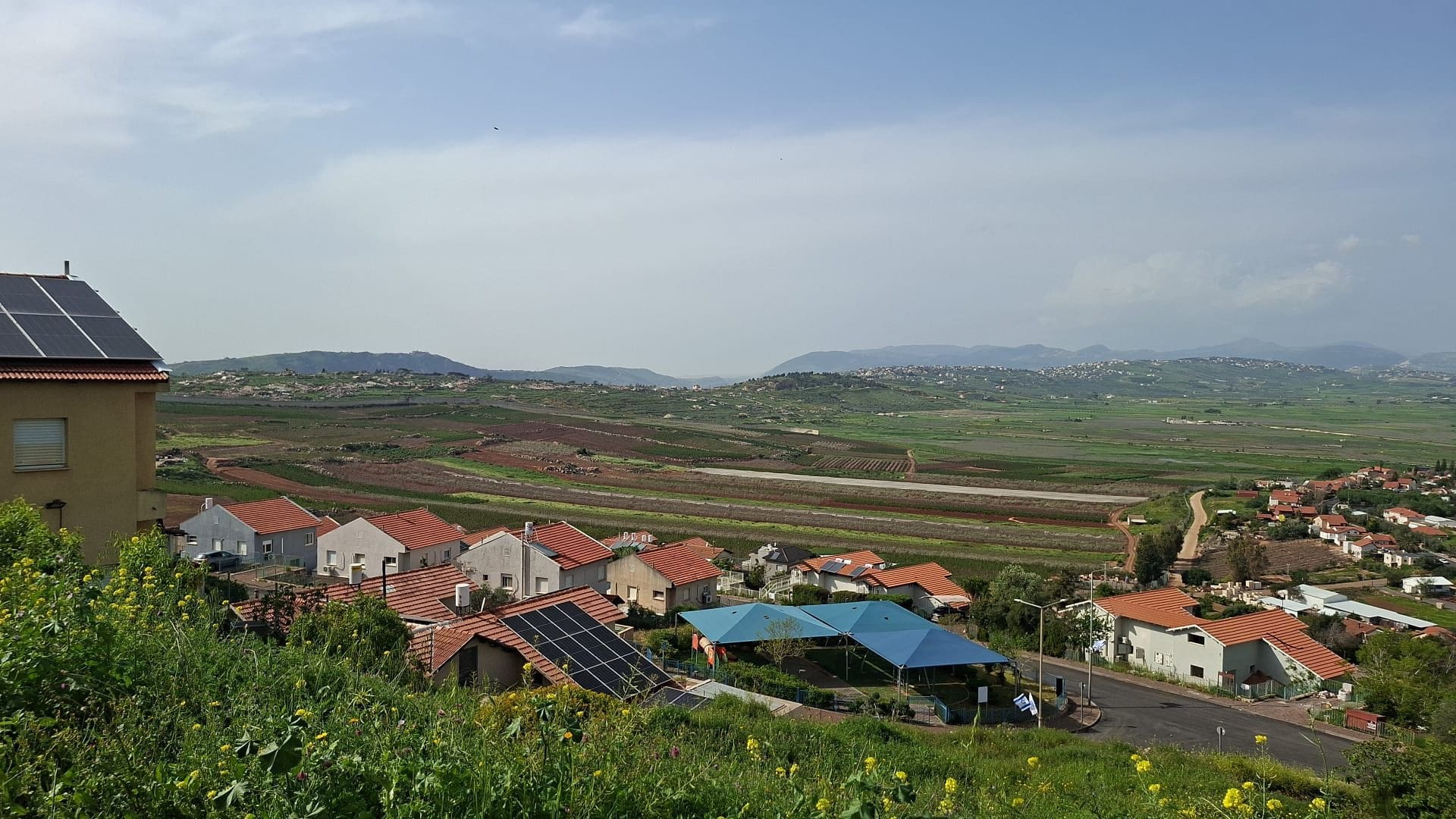
(haipo) – The complex reality of the northern communities was revealed on Friday morning, the first of the ceasefire. Residents of Kiryat Shmona and the nearby kibbutzim, who remained on the front line or returned to it, describe difficult feelings of abandonment alongside a strong desire for routine. From conversations I have had with residents in the city, a picture emerges of a strong public that is dealing with serious concerns about the future of the region and the younger generation.
Voices from the North Residents of Kiryat Shmona and the surrounding area – speak out ◄ Watch
Between temporary calm and fear for the future in Kiryat Shmona
Mickey Maman, a 55-year-old resident of Kiryat Shmona, expresses the mixed feelings that accompany the first days of tense silence. Maman emphasizes the strength of the people who remain in the city, but expresses disgust at the clichés about a "strong home front," which sometimes feel to him like stepping on the wounds of residents who have been suffering for a long time. He talks about the simple joy of being able to breathe air outside without immediate fear, but admits that concerns still exist and every motorcycle noise makes those sitting in cafes jump. For him, sitting together with friends he hasn't seen in a long time gives hope, but he doesn't delude himself that the conflict is over permanently, since the threats from Israel's enemies have remained the same for years.
Employment crisis and negative migration of the younger generation
The lack of job prospects in Kiryat Shmona is a major concern for Maman, who sees his children leaving the city for the center of the country and other cities. He talks about his son, who built his life in Afula, and his daughter, who is studying for an advanced degree in biotechnology at the Technion, and sadly states that they have no chance of finding a suitable job in their hometown. Maman notes that unlike neighboring kibbutzim that benefit from established factories, Kiryat Shmona has been left behind without growth engines that would attract young people. The feeling is that the city is becoming a place for adults only, while the middle class who can afford it is moving to live in nearby kibbutzim. His support for local businesses, such as cafes and bakeries, stems from the desire to preserve what little is left and provide a livelihood for his neighbors.
Personal burnout and lack of trust in political arrangements
A wise pearl, who arrived in Kiryat Shmona in 1951, expresses deep regret for having remained in the city over the years. In a poignant personal conversation, she describes how the security situation robbed her and her friends of the possibility of a normative life of leaving the house in safety. Pnina sees the ceasefire as a momentary opportunity to get out, but she is devoid of optimism about the future. According to her, on the other side stands Hezbollah, which she defines as "predatory animals" who are not partners for peace. She adds that the weakness of the Lebanese government and its inability to control the organization's operatives make any agreement devoid of a solid foundation on which to rely in the long term, leaving the residents without real security.
The coping of the Upper Galilee communities that were not evacuated
Sarah Sguier, from Kibbutz Neot Mordechai, reflects a different angle on the war as part of a group of kibbutzim that were not evacuated and remained to hold the Galilee under fire. Segyer describes a complex reality in which the residents of the kibbutzim felt like one big family left without basic services such as banks, health funds or restaurants, while Kiryat Shmona was completely evacuated. She casts great doubt on the ability of the ceasefire agreement to last beyond a few days and predicts that the residents will soon be forced to run to shelters again. However, Segyer believes that a real solution must come through dialogue and agreements that will benefit both sides, since in her view, military force alone is unable to create a stable and lasting peace.
Frustration and anger among residents of the northern confrontation line
Marwan, a journalist from the Al-Arabiya network who toured the area, testifies to high levels of anger and frustration among the residents of Kiryat Shmona. From his impressions on the ground, the residents feel betrayed, both by the political and military echelons, who they claim have left them alone in the campaign and have not kept the promises made to them throughout the months of fighting. The journalist notes that the people are looking for a quiet and peaceful life, but find themselves dragged from one round of fighting to another, without a clear decision or long-term solution. The uncertainty and the feeling that there is no real address for their plight exacerbate the difficult feeling among the community, which hopes for a solution that will put an end to the endless cycle of violence on the northern border.
Did the article interest you?
Is Pnina Hechmu still alive? How old is 100? What about her nephews Zehavi and Shaul Hechmu who fled to Bnei Brak to avoid being drafted?
The left in the kibbutzim supports the terrorists and hopes for the defeat of the State of Israel. They demonstrate at intersections against the occupation and defect to Hezbollah.
Even if Radwan's forces invade the kibbutzim like in Ok 23, their minds will not rest.
We all know that the Knesset members identified with the left are the ones crying, and in fact Mayor Avichai unintentionally marked the city as a target for Hezbollah. When he came to the Prime Minister with allegations through the media and could easily pick up the phone, similar to the head of the Asher council who enjoys relative peace in the settlements of the Ovda, the IDF seized posts deep in Lebanon and are eliminating every terrorist, not just those who appear in the forbidden area. Forget that the Prime Minister will hand over a gas reservoir and maritime territory in order to "buy" peace at the expense of the lives of the residents.
The residents feel betrayed, but that won't stop them from continuing to vote for those who betrayed them and told them face to face that they bore him.