The broken windows theory is a sociological-criminological concept introduced in the 1980s, according to which small environmental neglect, such as an unrepaired broken window, signals to people that there is no law and order in the area, which can lead to the spread of vandalism, crime, and a general deterioration in public order. According to this approach, quick and decisive treatment of minor offenses and small signs of neglect can prevent deterioration into more serious crime. The approach has influenced enforcement policy in many cities, especially in New York during the time of Mayor Giuliani, and continues to stimulate public debate about the relationship between the living environment and social behavior.
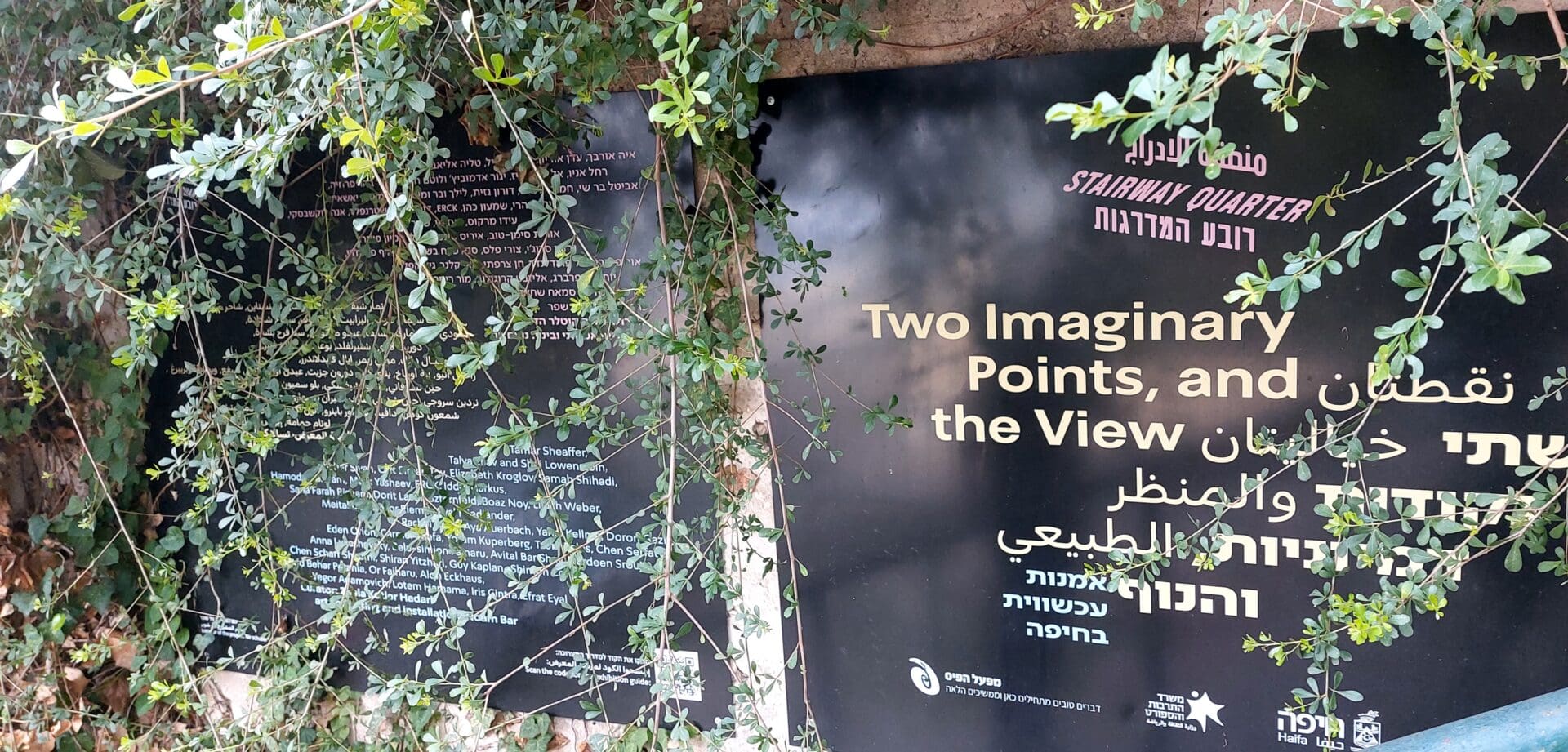
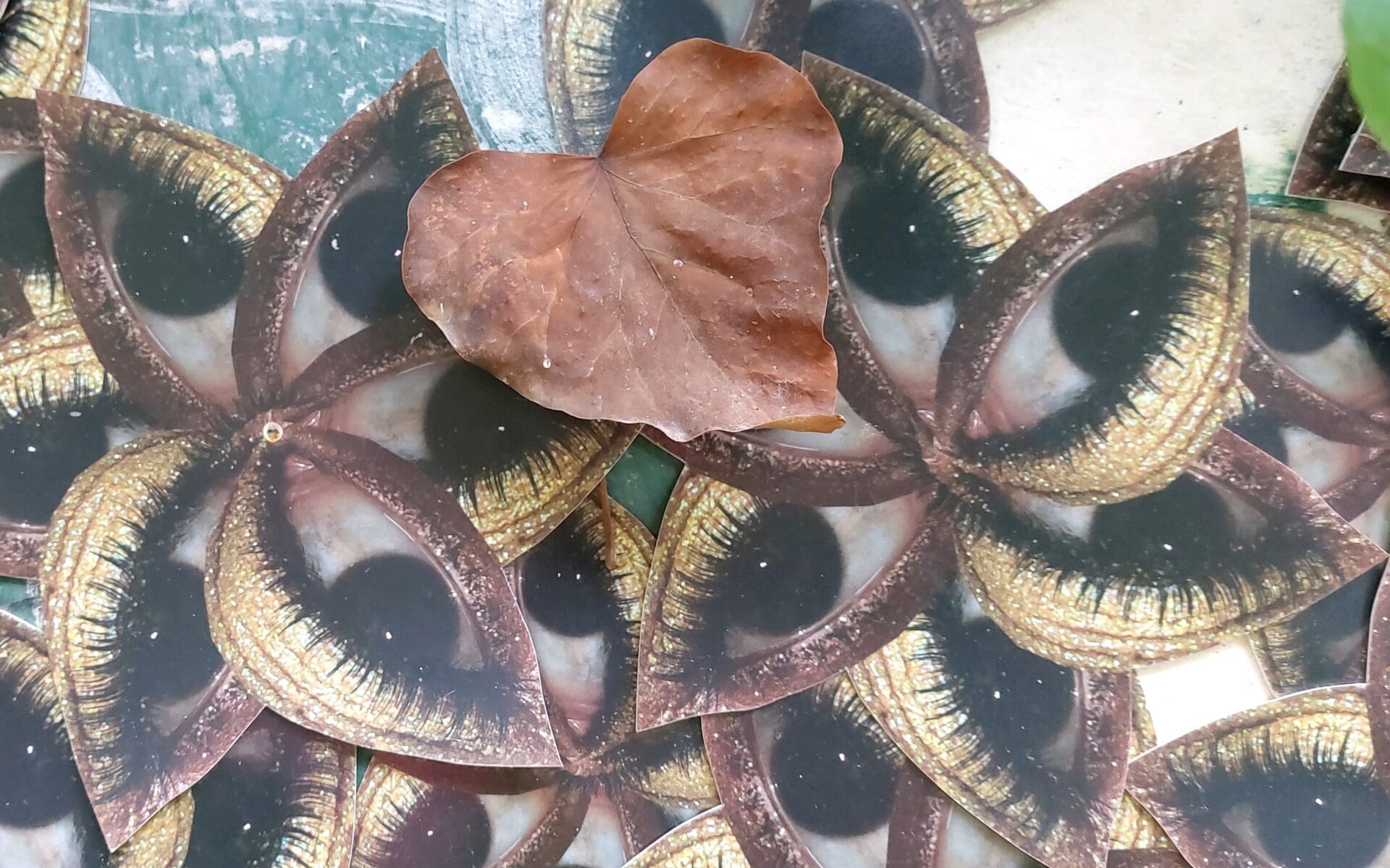
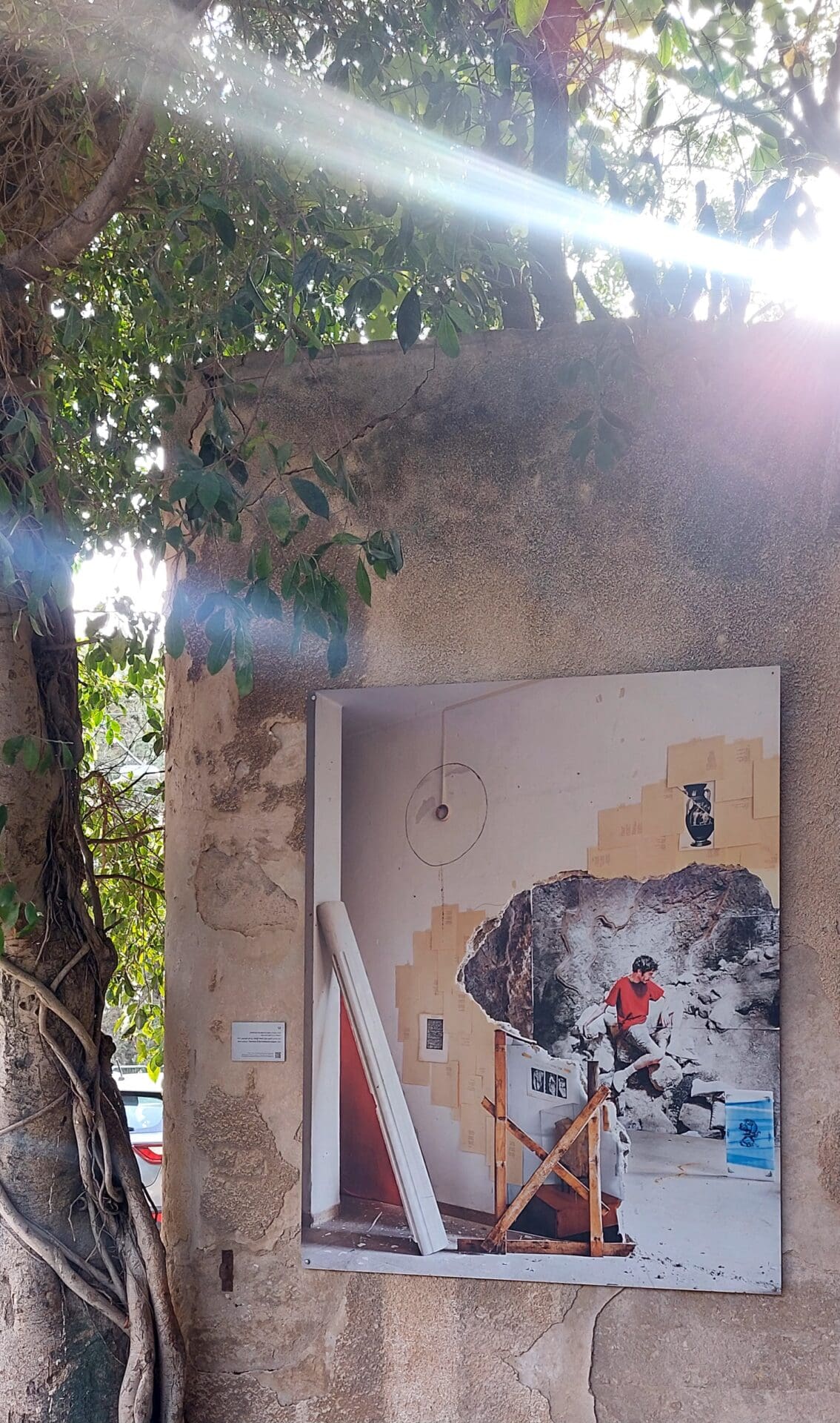
In April 2022, the exhibition "Two Imaginary Points, and the Landscape" opened in Haifa, curated by Tsala Kotler Hadari, and forty artists and artists addressed the question of the production of the iconic Haifa landscape and revealed the history behind its planning and what the eye-opening view, towards the Haifa Port and north, hides? The exhibition offers alternative perspectives and asks when a space becomes a landscape and how a city is seen. The exhibition also addresses the tension between planning and urban nature in an era of climate and environmental crisis. The exhibition also addresses the folklore of the staircase path known as the "Donkey Path" and illuminates the history of the place. The vast majority of the works in the exhibition are site-dependent works, referring to the characteristics of the area: urban nature, stone textures, railings, fences and street furniture, the changing landscape and open public spaces. The exhibition reveals and reveals "the steps behind the steps," historic steps that were built patchwork upon patchwork and testify to the development of the place. The exhibition also dealt with the role of art in the public space and how artists working in Haifa respond to the urban landscape in their work, the interface between public and private space, and how a place becomes a home.
The "Steps District," which is not a district but rather the name for the area that extends between Yaffe Nof Street and Golomb Street, mainly along the Gamla and Gedera Steps, still preserves a significant portion of the works, but neglect is evident in every corner.
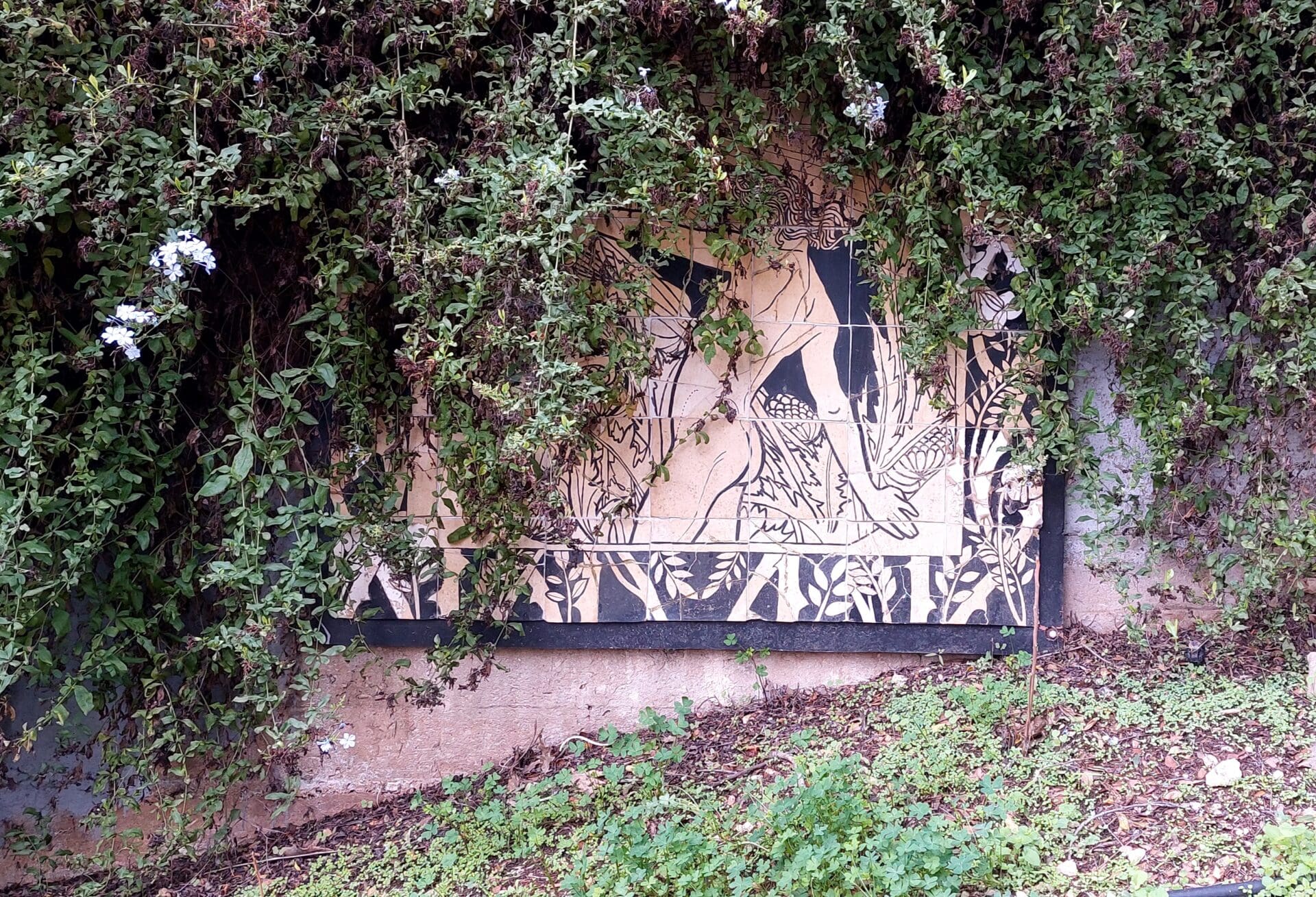
Some of the works are broken, some have been stolen, some, especially the murals, have faded, and some are hidden by invasive vegetation that is not being cared for. A huge investment of time, goodwill, knowledge, and money is being eroded by lack of care.
And if we recall for a moment the broken windows theory, we are in the midst of a negative and deteriorating process and it doesn't take much to prevent this: pruning vegetation, renewing the paint, replacing a loose screw, and goodwill.
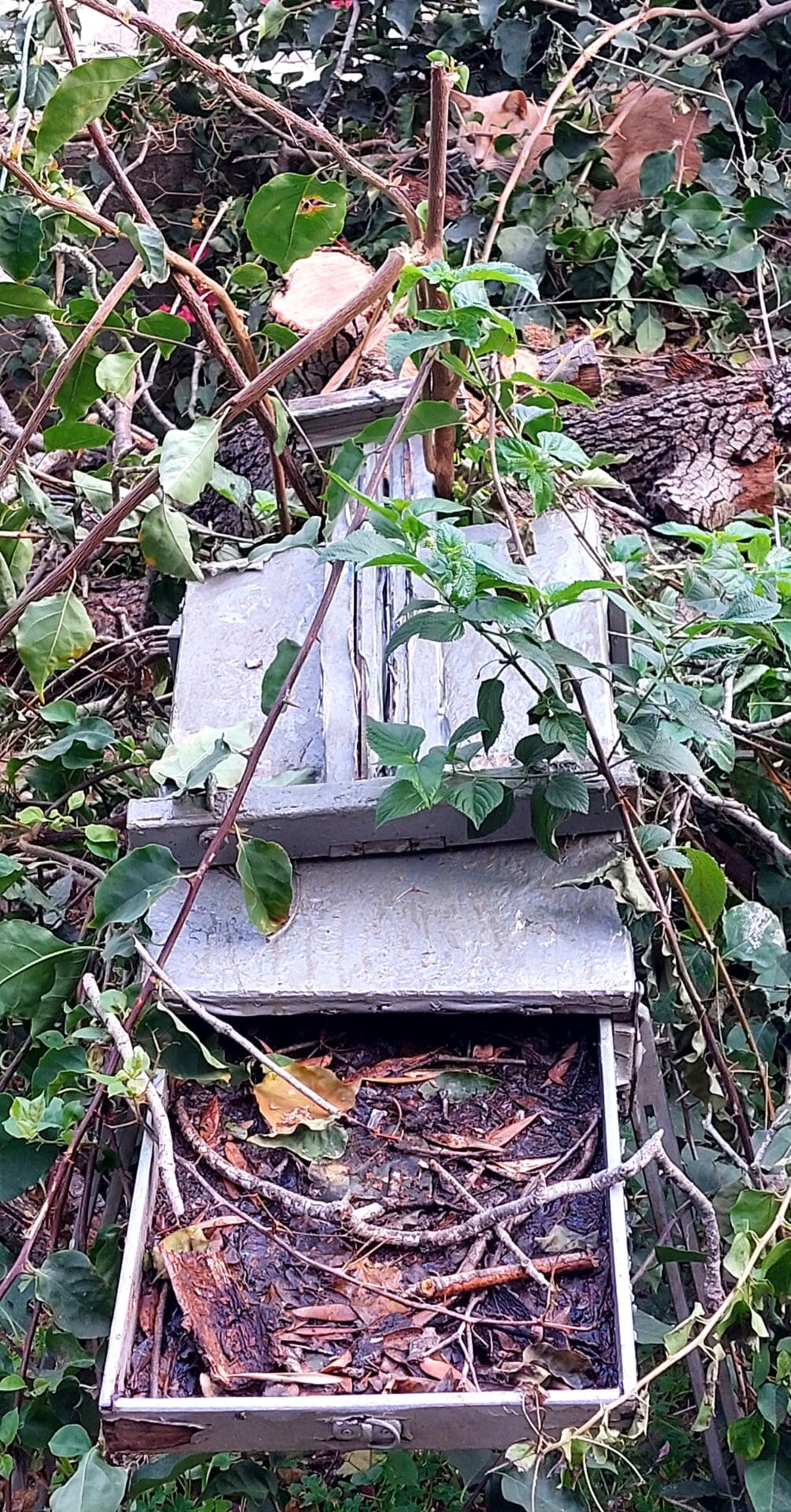
All of Haifa's staircases are public spaces and as such, they are the responsibility of the municipality, which unfortunately has no idea, according to a response I received from the city engineer's office, how many stairs there are in the city.
The works of art, which are in relatively good condition, have also undergone a "silencing" process, as the barcode that provides information about the works is inactive. Someone decided that it was not important for us to know what the work was that we were seeing.
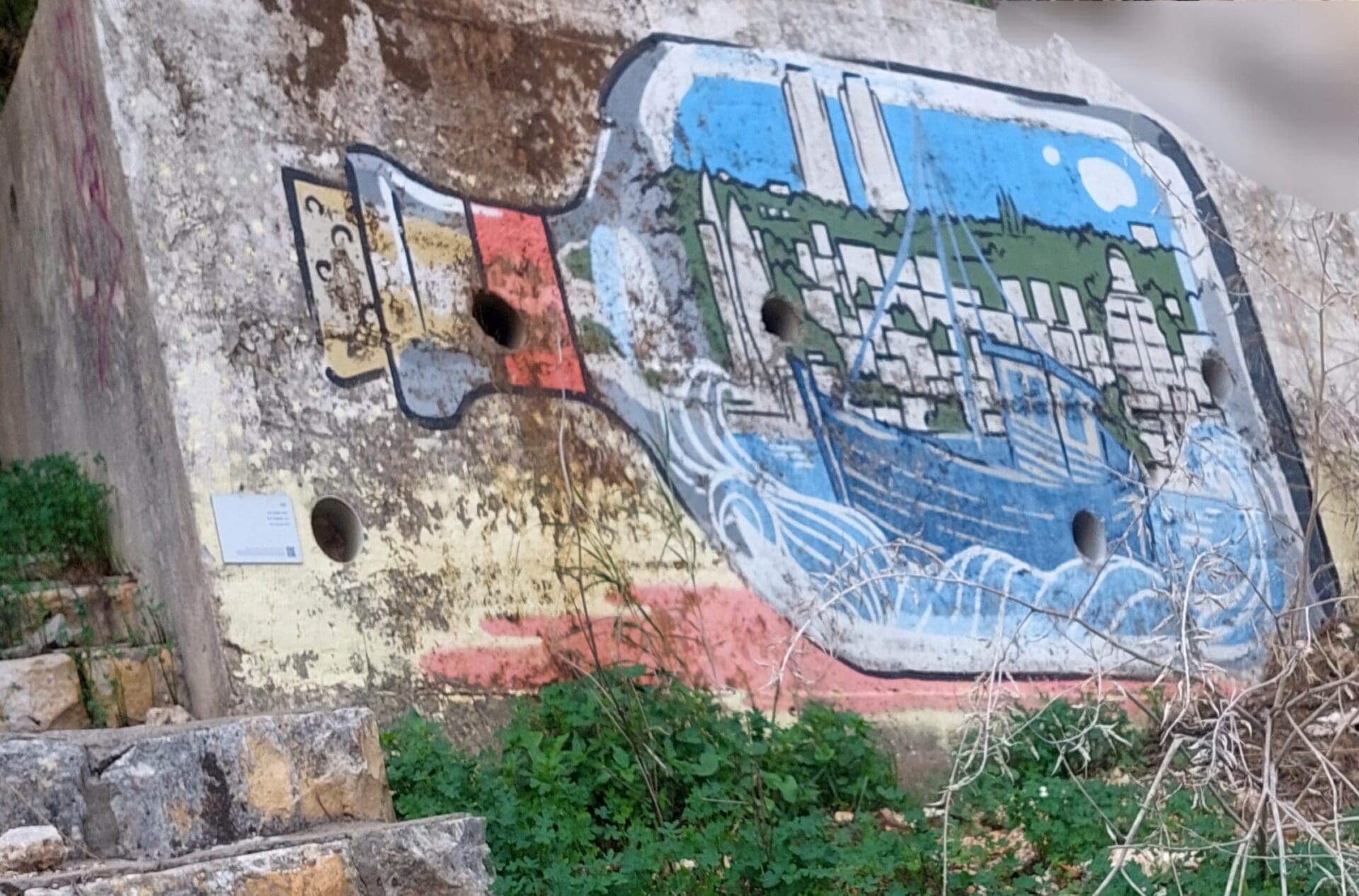
Full Disclosure: A post on the subject published on Facebook received a response from Deputy and Acting Mayor Avihu Han, who took it upon himself to address the issue. We will continue to follow up.