


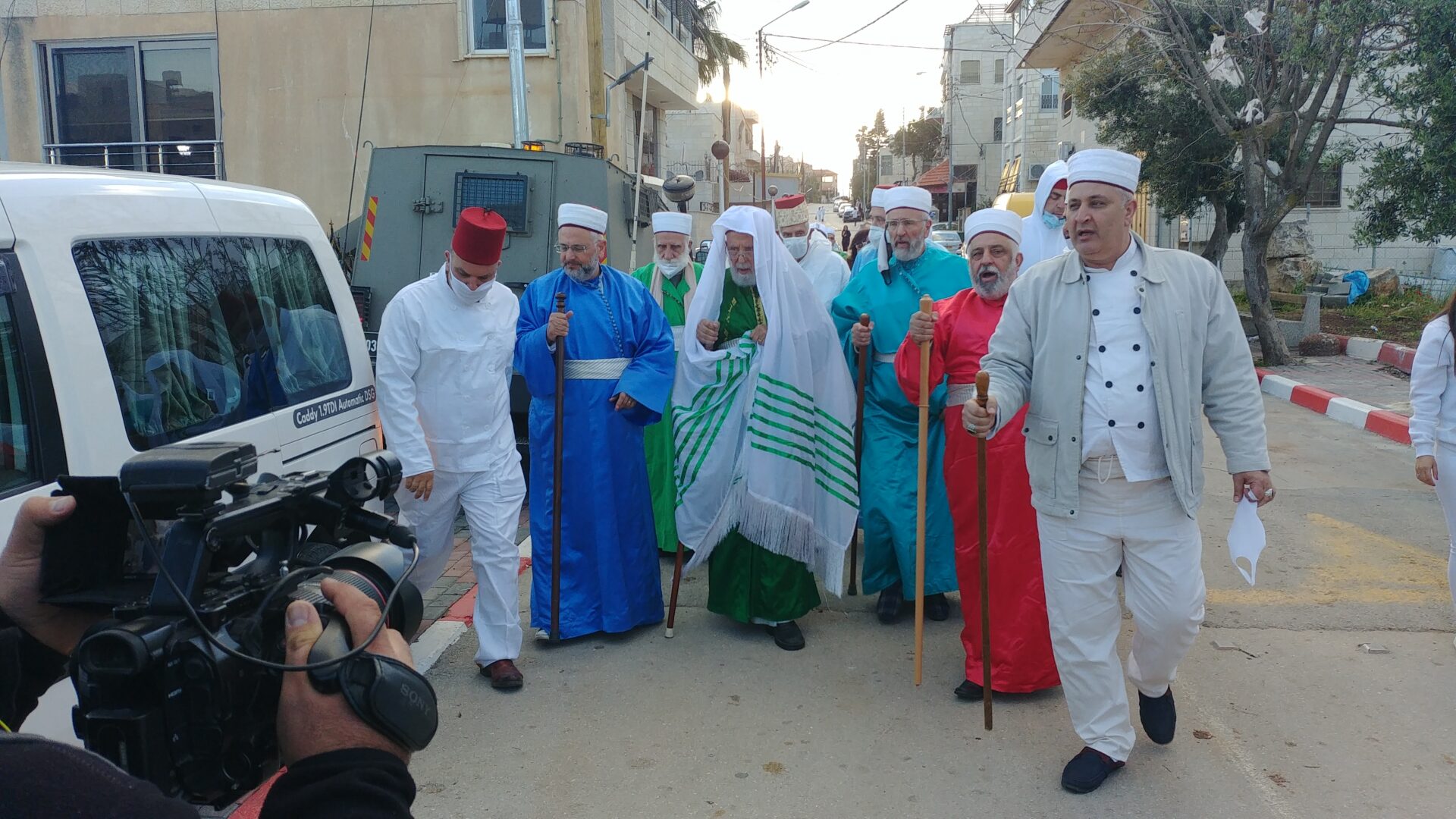
The documentary "The Samaritans" comes to Tikotin and offers a rare glimpse into a community that has lived among us for thousands of years.
Moshe Alfi brings to the screen the world of one of the mysterious and fascinating communities in Israel.
After a screening tour across the country and the world, the documentary "The Samaritans" is also coming to the North: On Friday, November 7, 2025, at 10:00, the film was screened at the Tikotin Museum of Japanese Art in Haifa.
This is an extraordinary cultural event, bringing together documentary film, living history, and questions of identity, faith, and the preservation of tradition.
The film, created by director Moshe Alfi, offers an intimate and profound look at the world of the Samaritan community, one of the oldest and most unique groups in the Land of Israel.
Despite their geographical and cultural proximity to the Jewish people, the Samaritans remained almost invisible in the public consciousness for many generations.
"The idea was born out of great curiosity," says Alfi. "This is a community that lives among us, on the same land, but remains almost hidden from the public eye. I felt that they needed to be given a voice, not as a chapter in history but as real life, here and now."
Between tradition and progress
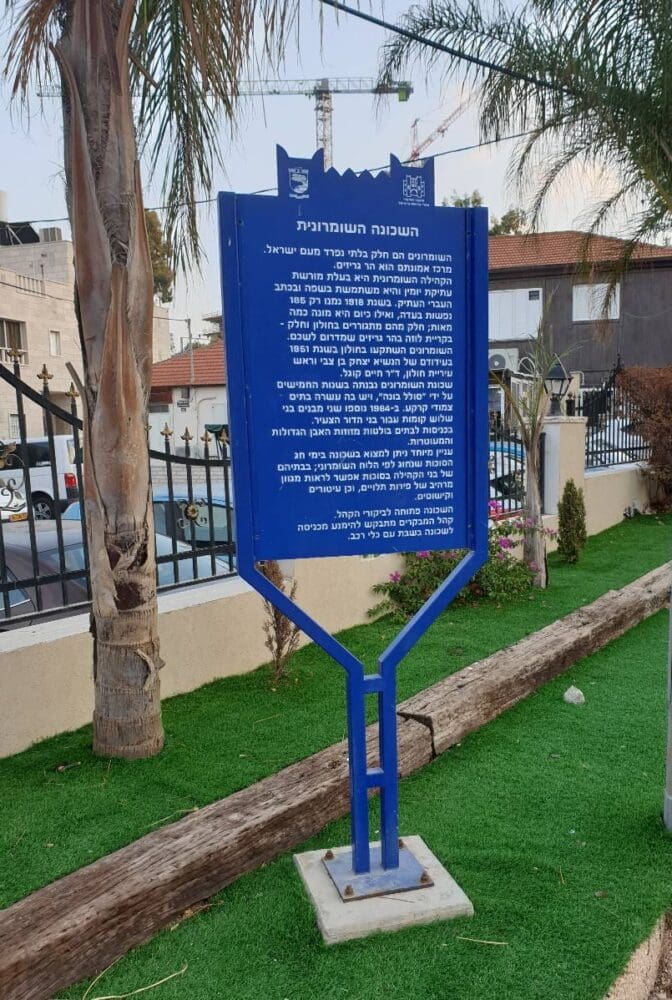
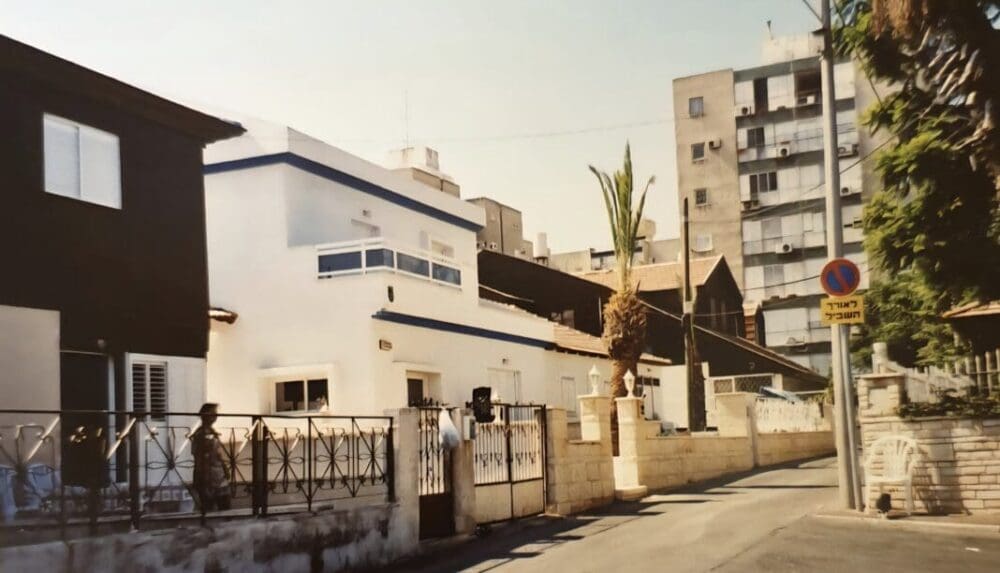
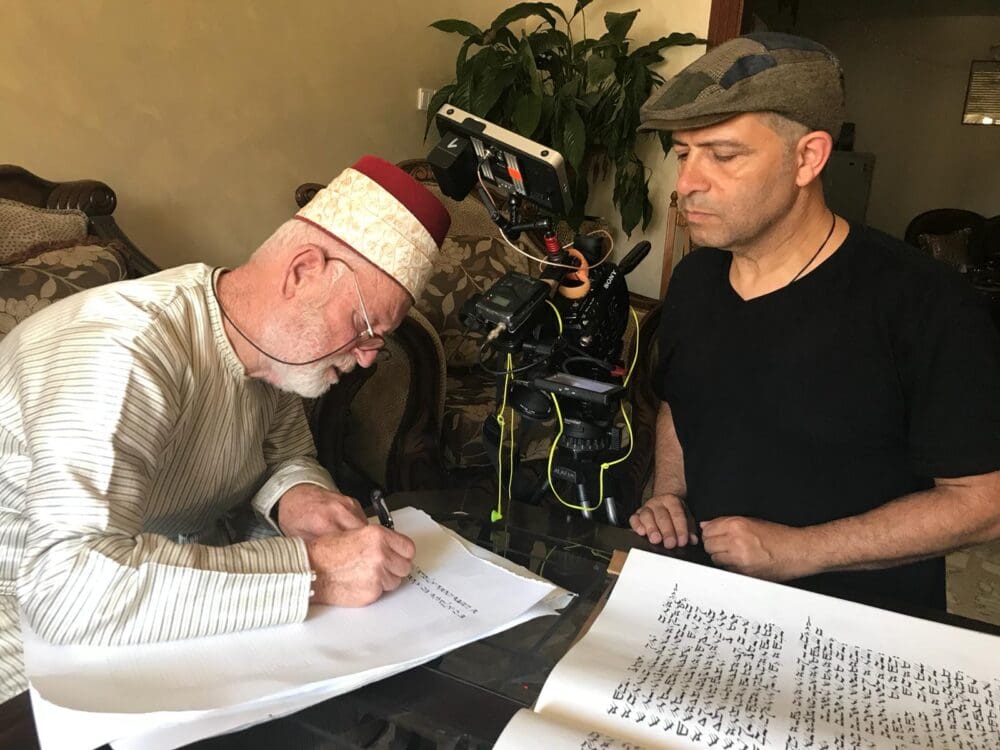
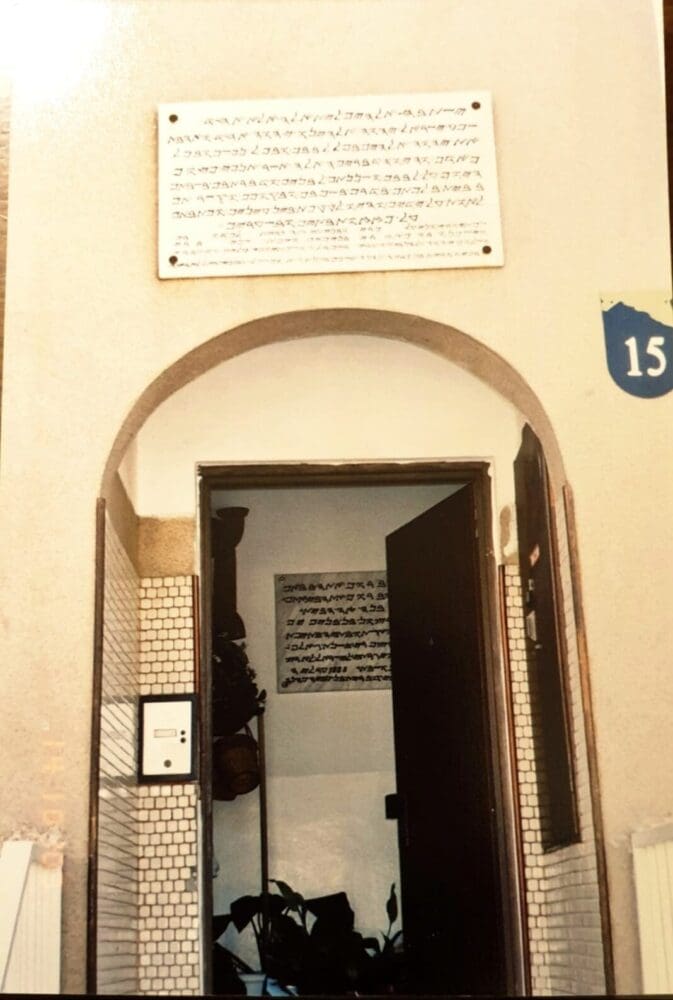
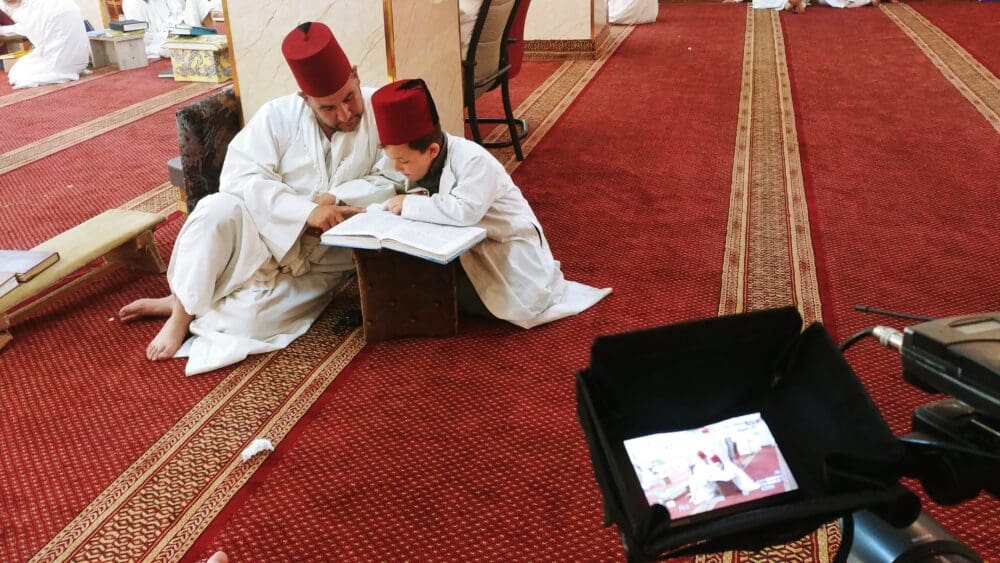
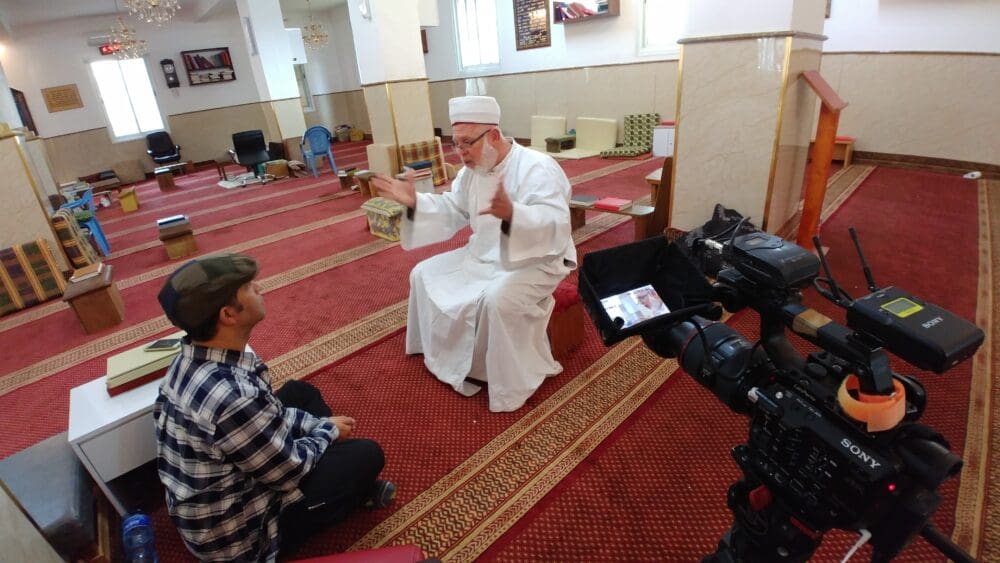
The filming took place both on Mount Gerizim and in Holon, the two main centers of the community in Israel. The work process, numbering in the thousands, required delicacy, trust, and patience.
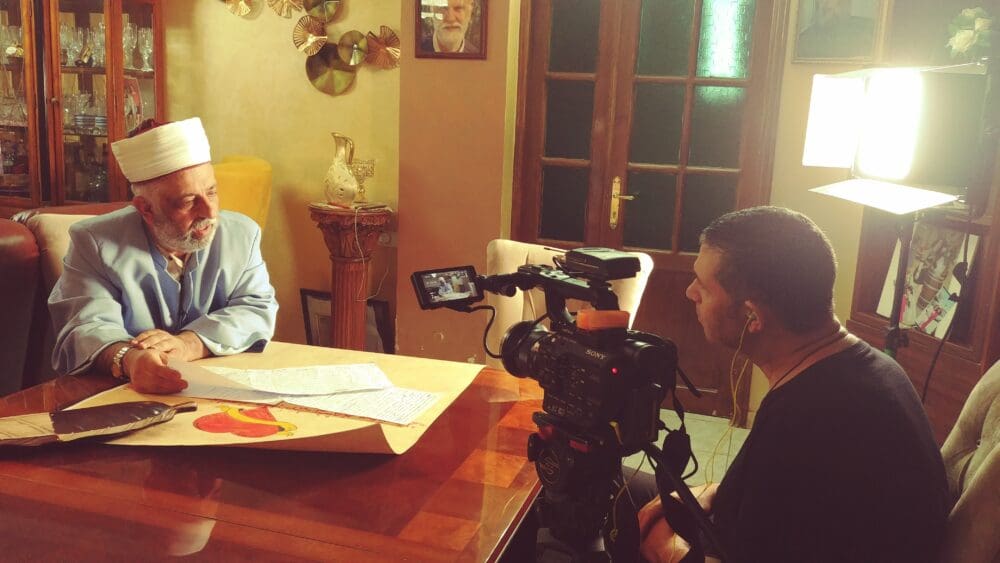
"A great deal of sensitivity was required. The filming required trust, and over time, a real connection was built with the community members. Only then did doors open for us that usually don't open easily."
Alfie's camera accompanies the community members through the cycle of the year, ancient rituals, and daily life, posing questions about identity in a modern era.
"There are moments when the camera simply fell silent," he says, "because what stood before me was sacred, almost undocumentable."
An international project with global resonance
"The Samaritans" was produced as part of the international project "The Samaritans - People of the Bible," initiated by Yeshiva University in New York. This collaboration, Alfi explains, gave the film a broader dimension.
"It was an exciting connection. The international perspective made it possible to see the Samaritan story as part of the history of the Jewish people and humanity in general."
The film was screened in various locations in Israel as well as at festivals and universities around the world and received many positive reviews.
"The foreign audience reacts with curiosity and excitement. For them, it's almost a biblical legend brought to life," says Alfi.
The film "The Samaritans" comes to Haifa
The screening of the film in Haifa is no coincidence. In the director's eyes, the city of Haifa is a symbol of the meeting of cultures and coexistence.
“There is something symbolic about the film being screened at Tikotin, which is a museum dedicated to a different and truly non-local culture and heritage. Haifa is also a city of connections and it feels like the right place to unveil this film.”
When I ask him what he hopes viewers will take away from the experience, Alfie pauses for a moment before replying: "That we remember that there are ancient voices within us that still speak, and we just need to stop and listen to them."
Everything art is supposed to do
At the end of the conversation with him, Alfie observes for a long moment before answering. The words seem to be carefully chosen, as if out of responsibility for the idea behind the film…
"The essence of the production," he says finally, "was to make the audience look with open and clear eyes at anyone who is different from them and see them, first and foremost, as a human being."
He smiles a small smile, one that contains both fatigue and hope, and says: "If after watching someone leaves the theater with a little more respect, a little more curiosity, and maybe even a desire to learn something from the other, then we've done our part."
And in that moment, when the movie screen turns off, there remains one single thought that resonates: Maybe this is really all that art is supposed to do? To remind us that we, for all our differences, still share the same human story!
I am very interested in teaching and touring and seeing the film about the Samaritans, how they do it. And who do I contact? I am from Ramat Gan.
To Miriam from Ramat Gan Shlomot,
It's wonderful to hear about your interest in studying, touring, and watching the film "The Samaritans."
The film was produced by director Moshe Alfi, so it is recommended to first check his official website for information on upcoming screenings or the possibility of digital viewing.
In addition, it is worth following the Holon Municipality website, where announcements are occasionally published about screenings, lectures, and cultural activities related to the Samaritan community living in the city.
Another option is to contact the official website or Facebook page of the Samaritan community, where initiatives for tours, meetings, and educational projects in the Samaritan neighborhood in Holon are updated from time to time.
I also invite you to read my article on the subject, which was published near the holiday of Sukkot.
(The link to this appears at the end of the article about the film).
Wishing you an enriching, fascinating and inspiring experience!
Wonderful
Are they also Palestinians?
They are an integral part of the people of Israel, so they are Israeli just like you.
All white
They can teach you the Torah.
Is it still possible to see the movie?
The subject of the Samaritans is very interesting to me.
where?
When?
I'd like to receive an answer.
To Rachel Bar Maoz.
I'm glad to know that the issue of the Samaritans interests you very much,
And so, thanks to this article and the article published here ahead of the holiday of Sukkot, you will be able to further consolidate this knowledge.
My recommendation is that you can find complete details about the Samaritans on the Holon Municipality website, as well as on the Samaritan Community website, and especially in the publications on the website of Moshe Alfi, director of the film "The Samaritans."
What's the idea of releasing a film that started in the morning in the afternoon?
To Avi Harel,
Your question is appropriate, but it seems that the answer is already hidden within it: this is not an advertising article, but an in-depth and thought-provoking article.
This is an article that seeks to touch on the image of the Samaritan community that lives among us and illuminate its spiritual and human meanings as seen in this documentary.