


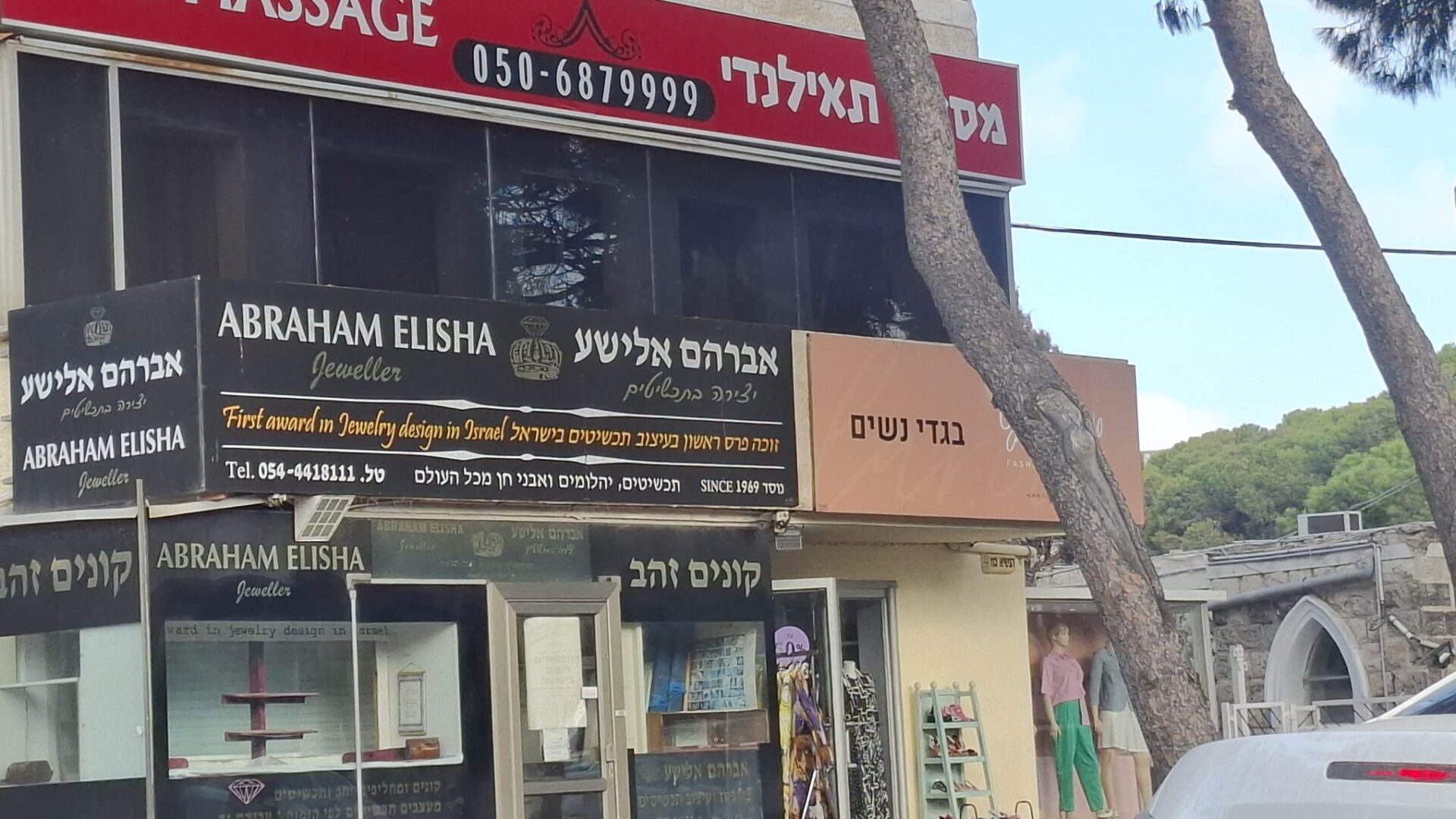
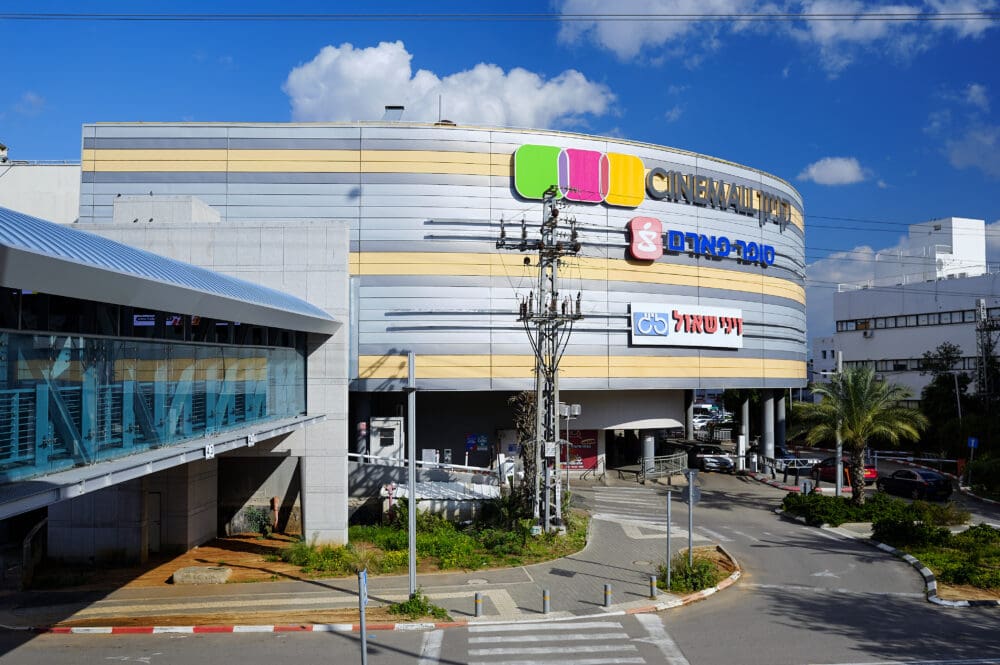
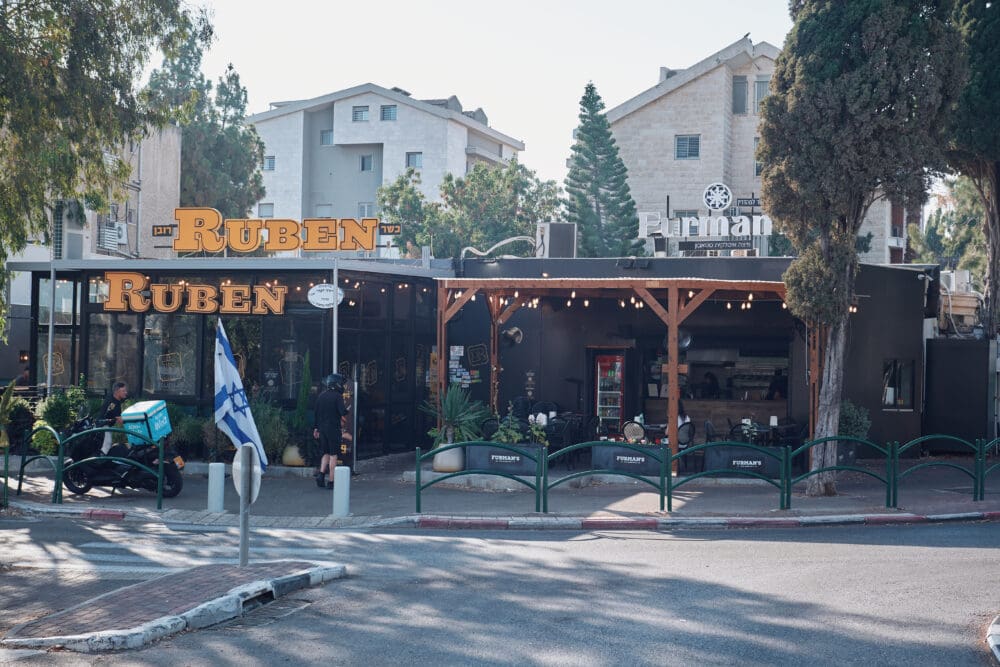
(haipo) The Haifa Municipality announced that it will tighten enforcement of the 1995 municipal bylaw, which requires the display of Hebrew text on every business sign in the city. According to the law, the sign must be in Hebrew or include Hebrew in an area of no less than half its size, in the case of using an additional language.
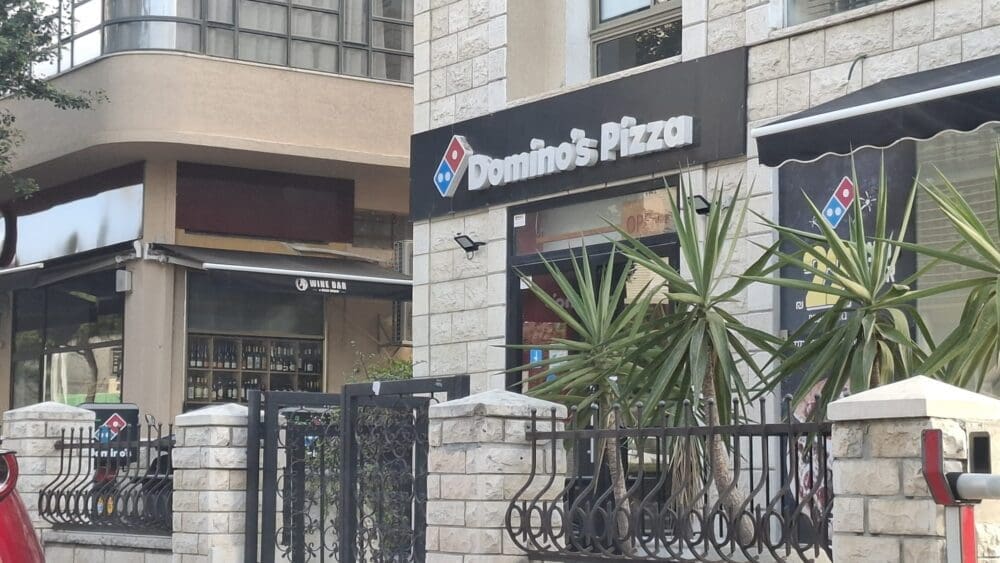
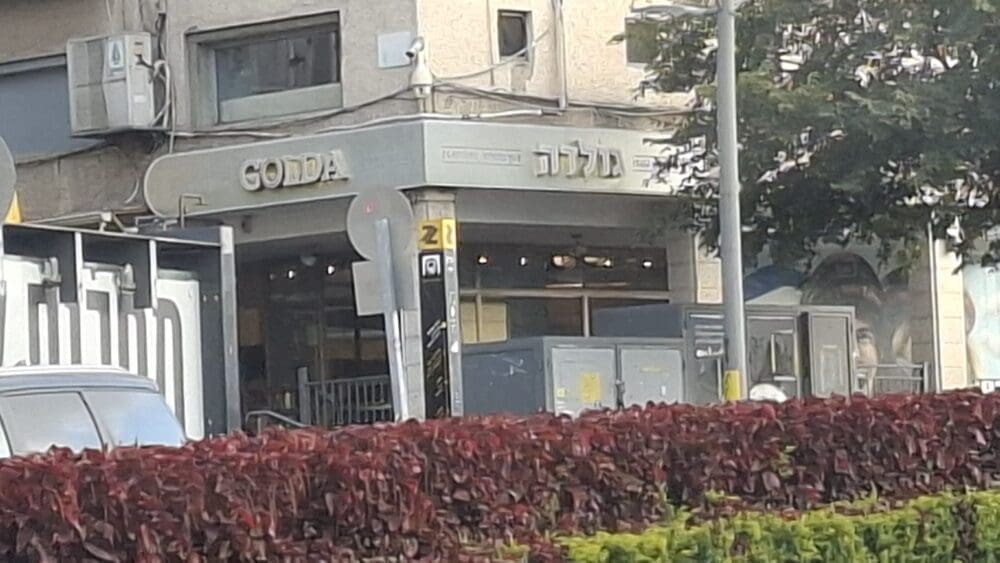
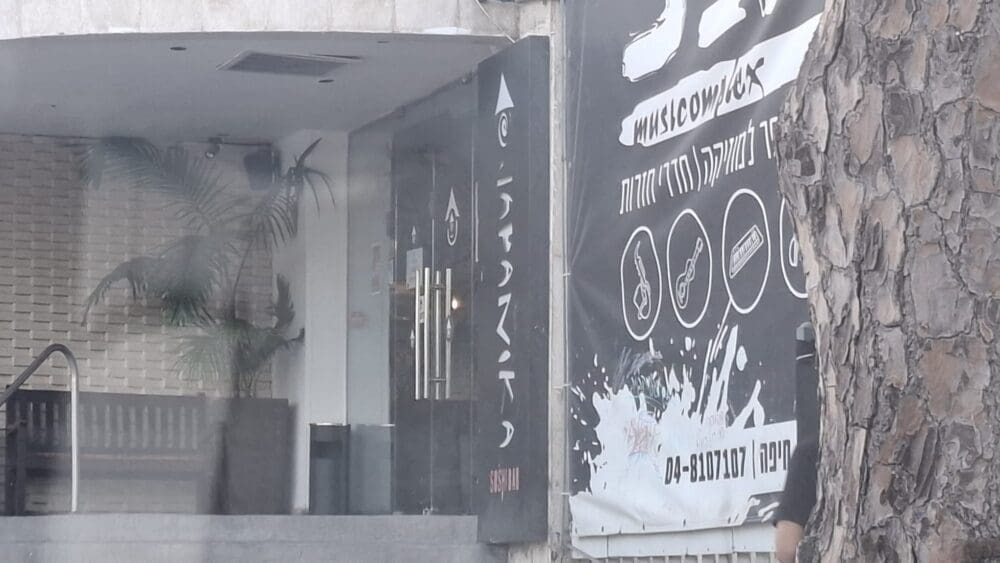
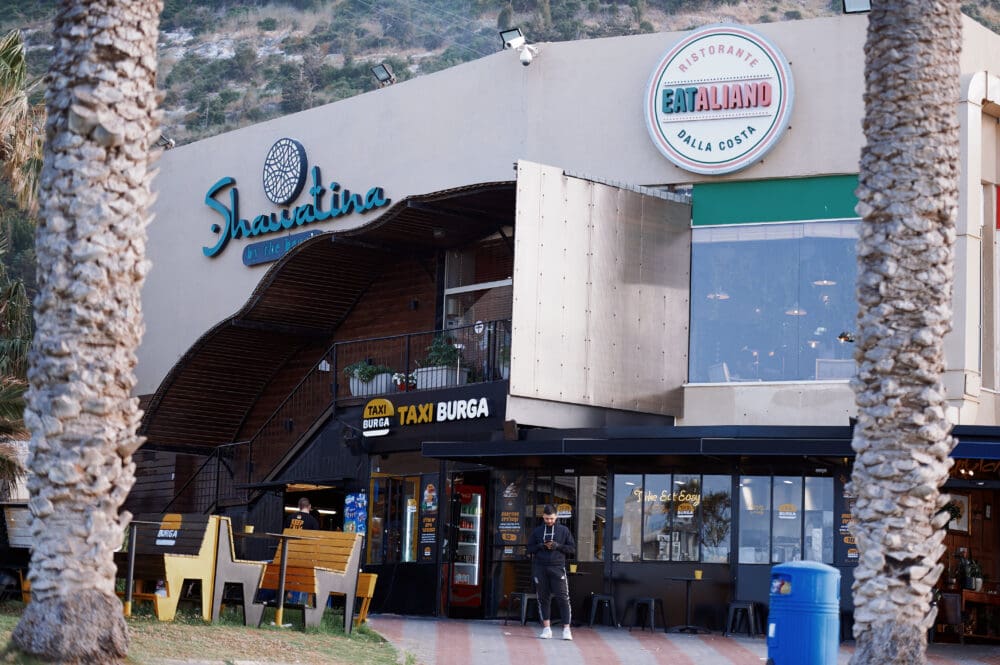
For many years, the law was not enforced in practice. Signs on many shops, restaurants, cafes, businesses, and shopping centers in the city were mostly written in English, and the average Haifa resident can notice that every time he turns around the city, he is exposed to signage in which English takes up the main part, alongside businesses that have chosen to use Hebrew only, another language, or have added Hebrew in small letters only. In a few cases, signage in Arabic or Russian has also appeared. Now the municipality intends to put an end to this: a comprehensive signage survey will be conducted throughout the city, and businesses that comply with the requirement to include the Hebrew language will be enforced as part of their licensing conditions.
The mayor, Yona Yahav, He stated: "There are too many signs that do not have a single Hebrew letter, and it is intolerable in my opinion that this should be the case in the State of Israel, and not just because it is against the municipal bylaw."
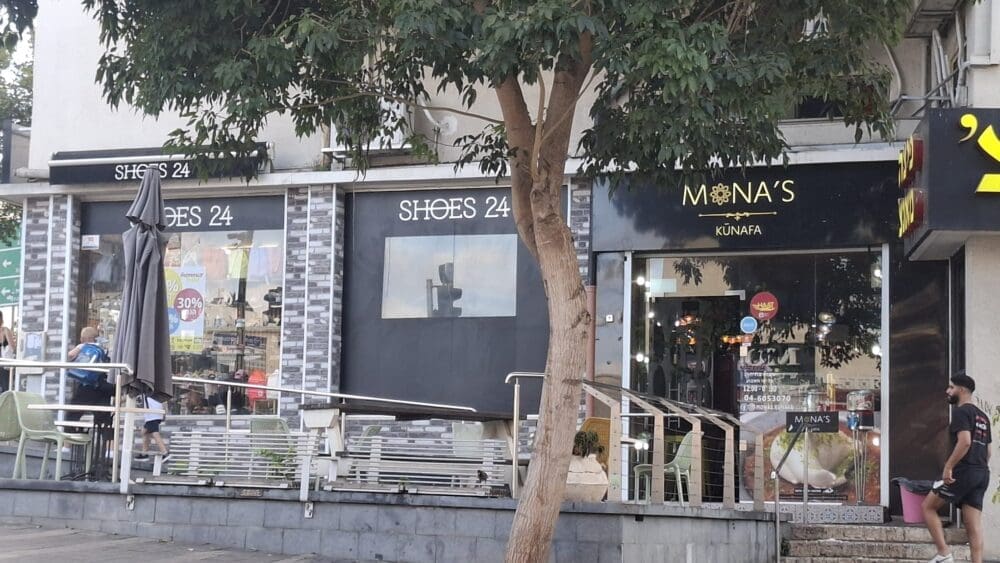
Haifa's team presented the Haifa Municipality with a number of questions, in order to understand the rationale behind this move and its timing. The questions specifically concern the fact that after two years of war and a difficult economic situation, in which many business owners are struggling to maintain their businesses, additional expenses for replacing signage are an additional and unnecessary burden:
- Why now? After a prolonged period of war, inflation, and an economic crisis that severely affected small business owners, the municipality chose to add another financial burden to them in the form of replacing signage.
- What is the importance of signage in Hebrew? Is anyone really offended when a business puts up a sign in English or Arabic or Russian, especially in a diverse city like Haifa?
- What is the added value? Will the return of Hebrew to signs in public spaces strengthen the city's identity, contribute to the experience of residents and visitors, or is this a purely symbolic move?
- Why not just from today onwards? Another fundamental question is why the municipality is also requiring old businesses to change their signs, and is not content with applying the requirement only to new businesses.
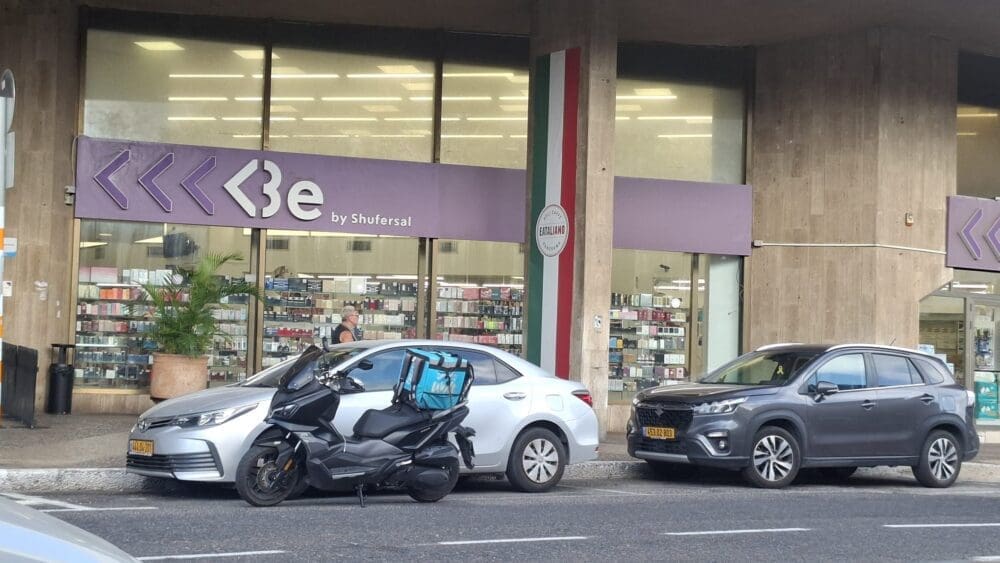
- And what about the malls? Will the large chains operating in shopping complexes also be required to change their signs, or is this a requirement that will fall mainly on the small businesses on the city streets?
Economic consequences
The move is expected to impose significant costs on business owners. Designing, manufacturing, and installing a new sign can cost thousands of shekels, an especially heavy expense for those already dealing with a decline in income. It is not yet clear how much time business owners will be given to adjust the signage, what the fines will be for those who refuse, and whether the impact of the move on the local economy has been examined.
The question of enforcement
And finally, the question arises: Why did it take so many years to enforce such a simple and clear law? If the requirement had been enforced from the beginning as a condition for obtaining a business license or a signage license, business owners would have complied with the law from day one, and the current move would not have aroused opposition or burdened them during their difficult time.
Between identity and control
There is no doubt that the Hebrew language plays a central role in local and national identity, and the municipality seeks to restore it to its rightful place in the public sphere. But the big question that remains open is at what cost and whether a more proportionate way could not be found that would uphold the law without placing an undue burden on business owners.
Haifa Municipality's response:
"The Haifa Municipality operates in accordance with the municipal bylaw, which requires, as is appropriate and should be the case in the State of Israel, the display of signage in Hebrew in every business, alongside any other language, no matter which one. This is about enforcing an existing law and not a new tightening."
City Council member Sally Abed from the City Majority Movement told the Times in response to the mayor's decision: "Yona Yahav is dealing with signs instead of Haifa's real problems: cleanliness, failing businesses, and dangerous pollution from the sewage system."
"This is not only a racist decision that harms the multicultural fabric of the city, it also economically harms Haifa business owners, especially those who speak Arabic, Russian, and Amharic. We in the majority of the city will fight this exclusion and demand that the mayor work for the residents, not for cheap politics."
Does the Israeli constitution obligate mayors to act in a false and deceitful manner, without considering the lives of the population?
The mayor needs to act instead of spineless people who don't shy away from businesses that lack Hebrew.
There is no such business without an alternative that respects our language, which we have preserved for thousands of years, sometimes at the risk of our lives.
Excellent. Right decision. We live in the State of Israel and the writing on the signs must be in Hebrew.
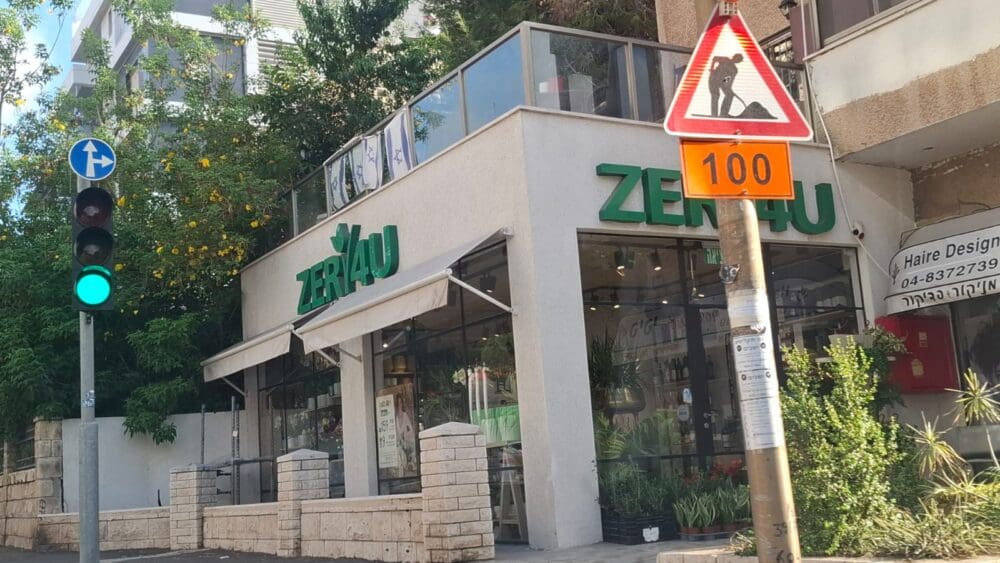
What an arbitrary and disproportionate decision… After all, there are a lot of businesses whose name in English is the whole essence of the name. What's the point, for example, of writing "Zar for You", or "Zar 4 You", or maybe it should be written "Zar for You"?
To me, this is a ridiculous demand.
Many businesses have chosen a name for themselves that would fit and look nice and attractive in English, so what does the mayor want now – for them to choose new names?
It's good that they don't force all residents to Hebrewize their first names like they did to many new immigrants during the Great Aliyah years. That's how Yolana became Ilana, Stephanie became Simona, and so on and so forth...
And maybe it's to make it easier for the pigs – maybe they don't get along with English and Russian, after all, they are Sabras who were born and raised here. And they continue….
Very good, including Hadar and Lower City, a German colony, everything in Hebrew, first of all, the rest is a bonus.
More importantly, require the removal of signs on businesses that are past their prime.
How long do people have to spend to learn that the survey has already moved to a new location?
The business owner should be required to prevent deception on his part.
Very good!!! We don't live in the United States or England. And enough with the desire to be someone else. The Hebrew sign is clear to everyone, and it's unique not to pretend as if we live in another point on the globe.
Well done to Yona Yahav!!!!! Even the little things are important.
Don't listen to negative comments when you're doing something good.
It is also mandatory to score. Some people need to be scored.
Very Good
If the norm of the beginning of the settlement cannot be enforced
Speak only Hebrew
We hear Russian, Belarusian, Ukrainian, Arabic, and all the languages of the Far East on the buses.
At least the signs will be in Hebrew so we'll think they brought us back to exile.
Ben-Gurion would have cried if he had heard the students speaking Russian during breaks at school.