


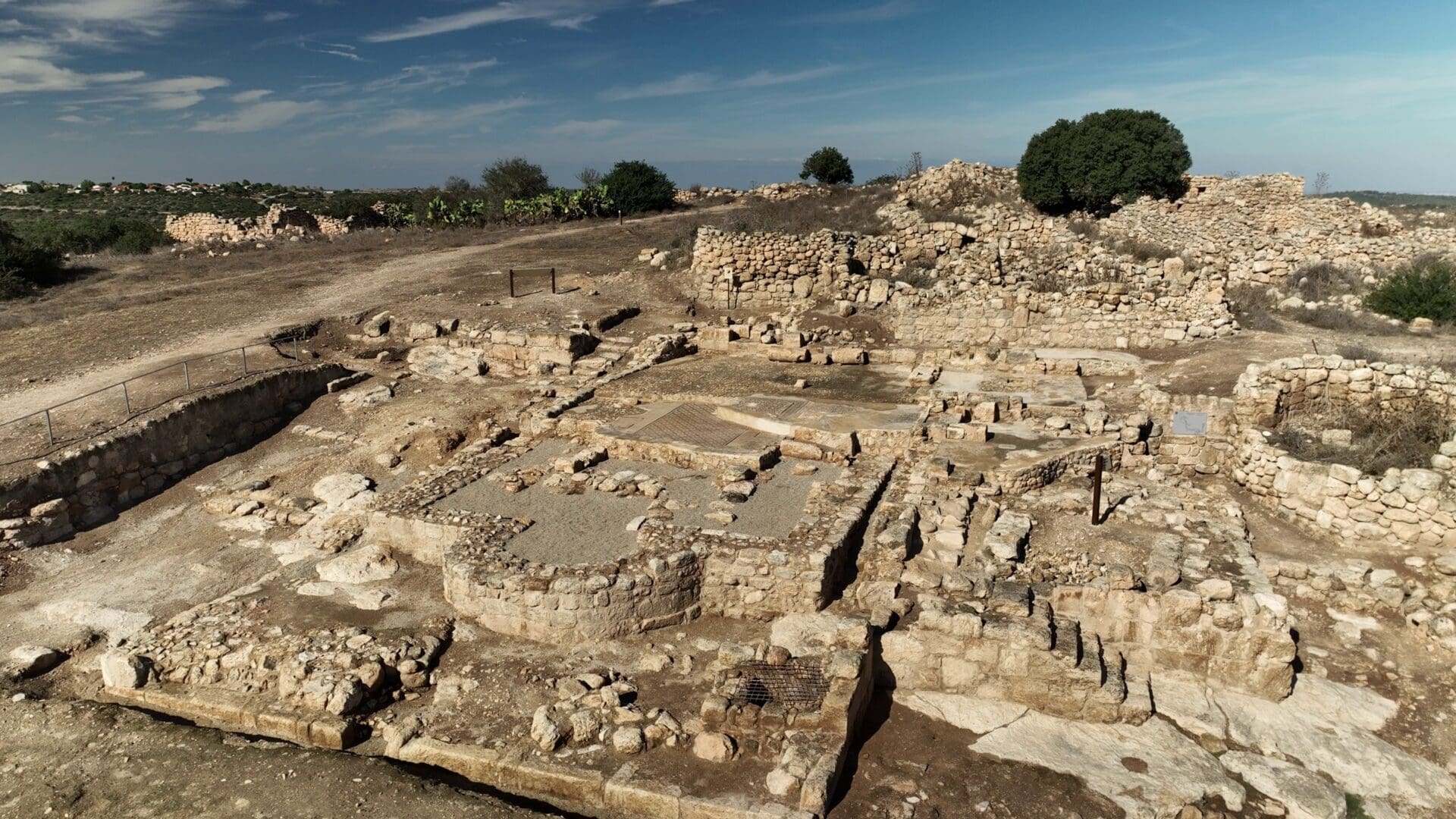
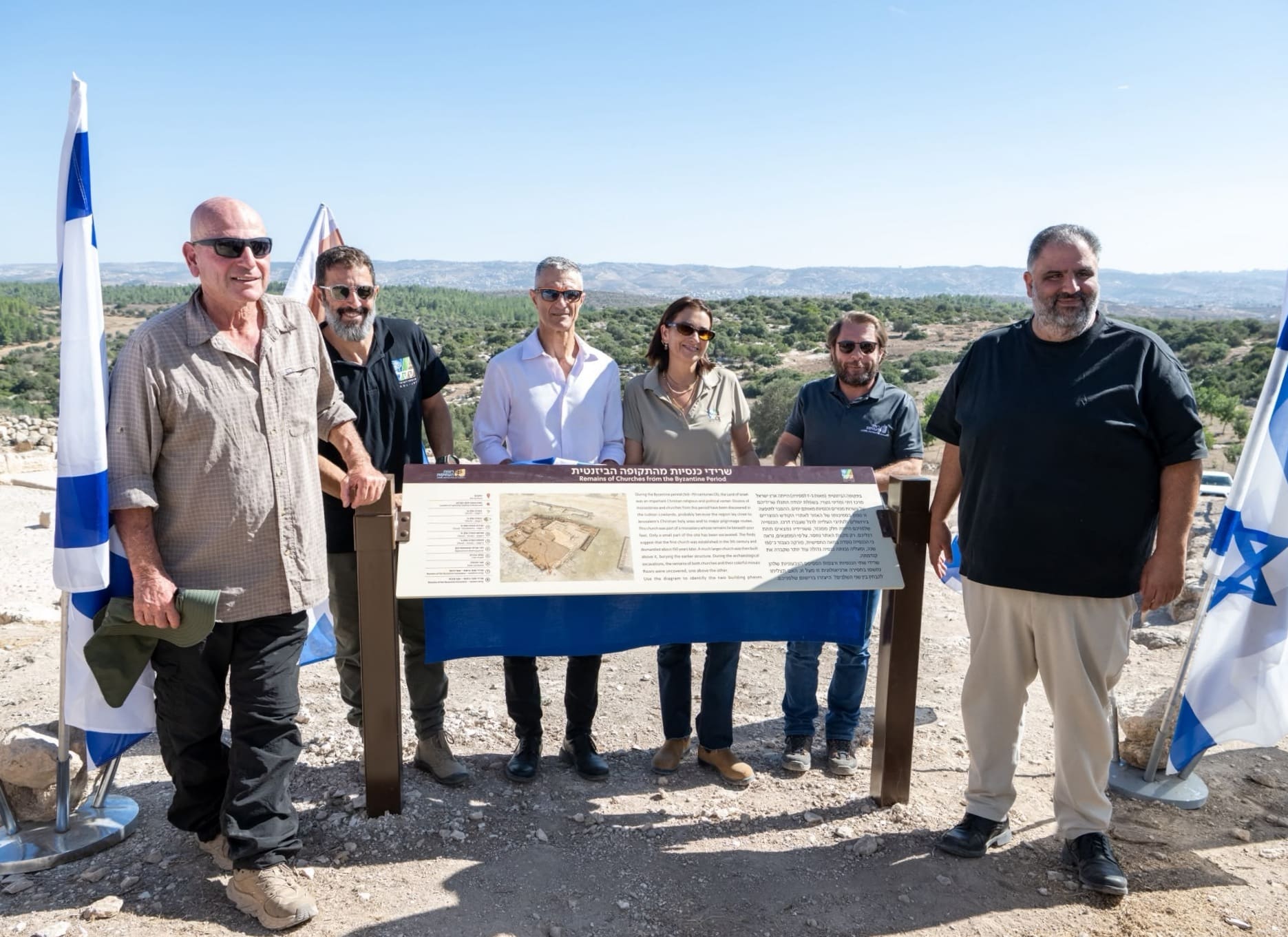
(Hai Fa – Haifa and the surrounding area news corporation) Thousands of years of history come to life at the Burgin Ruins in Adulam-France Park in the Judean Lowlands. An impressive archaeological complex, which includes underground hiding systems used by Jews during the revolt against the Romans and an ancient Byzantine church decorated with colorful mosaics, was recently inaugurated to the public, following excavation, conservation and development work. The project, carried out in collaboration with the Israel National Fund (KKL), the Israel Antiquities Authority and the Mateh Yehuda Regional Council, allows visitors to be exposed up close to fascinating episodes in the country's history.
An ancient settlement that existed for hundreds of years
Horbat Burgin is one of the most prominent archaeological sites in the area, and excavations conducted there over the years have uncovered remains that indicate continuous settlement, from the Second Temple period to the Ottoman period.
During the Second Temple period, a large village existed at the site, which scholars have suggested is identical to the village of Bish, mentioned in the writings of the historian Josephus. In the early Roman period, extensive systems of hiding places were carved into the rock, which were used by the residents of the settlement as a preparation for dealing with Roman rule.
The settlement was damaged and destroyed during the Bar Kochba Revolt. Later, a pagan population settled there, who erected new buildings above ground and carved magnificent burial systems beneath them.
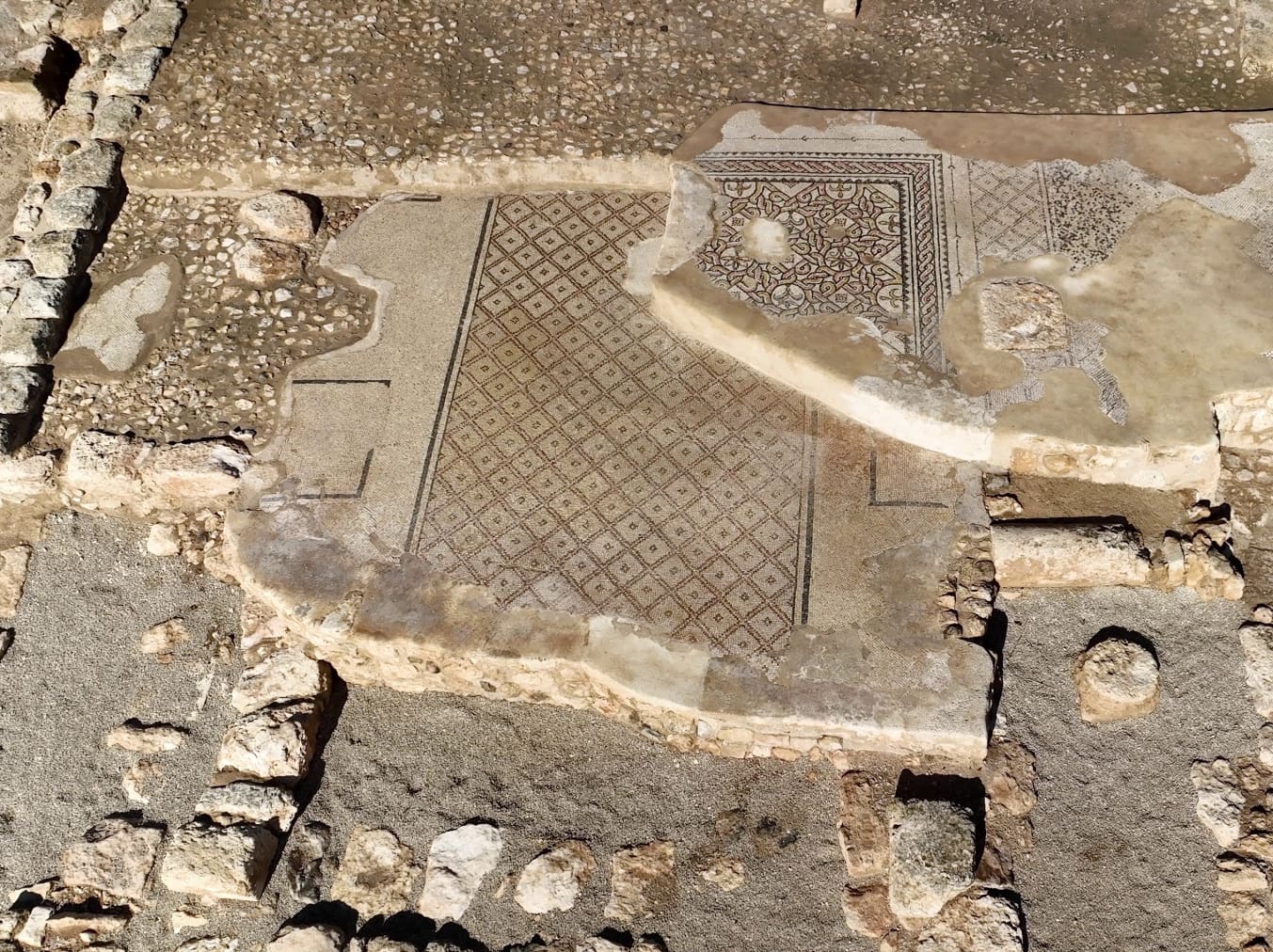
Byzantine church and colorful mosaics
Another chapter in the history of the place was recorded during the Byzantine period, when a magnificent church was built in Horbat Burgin, the floor of which was decorated with colorful mosaics. Next to the church, a monastery complex was built, testifying to the religious importance of the site at that time.
Additional findings discovered at and around the site include columbarium facilities, which were used for raising pigeons, and numerous winepresses used for wine production. The totality of the findings provides a glimpse into the lifestyles and sources of livelihood of the local residents, who were based, among other things, on agriculture and pigeon raising.
Excavations at the site were previously directed by Dr. Amir Ganor, Alon Klein, and Dr. Peter Gendelman of the Israel Antiquities Authority, revealing the archaeological wealth of the settlement and the historical layers that have accumulated in it over the generations.
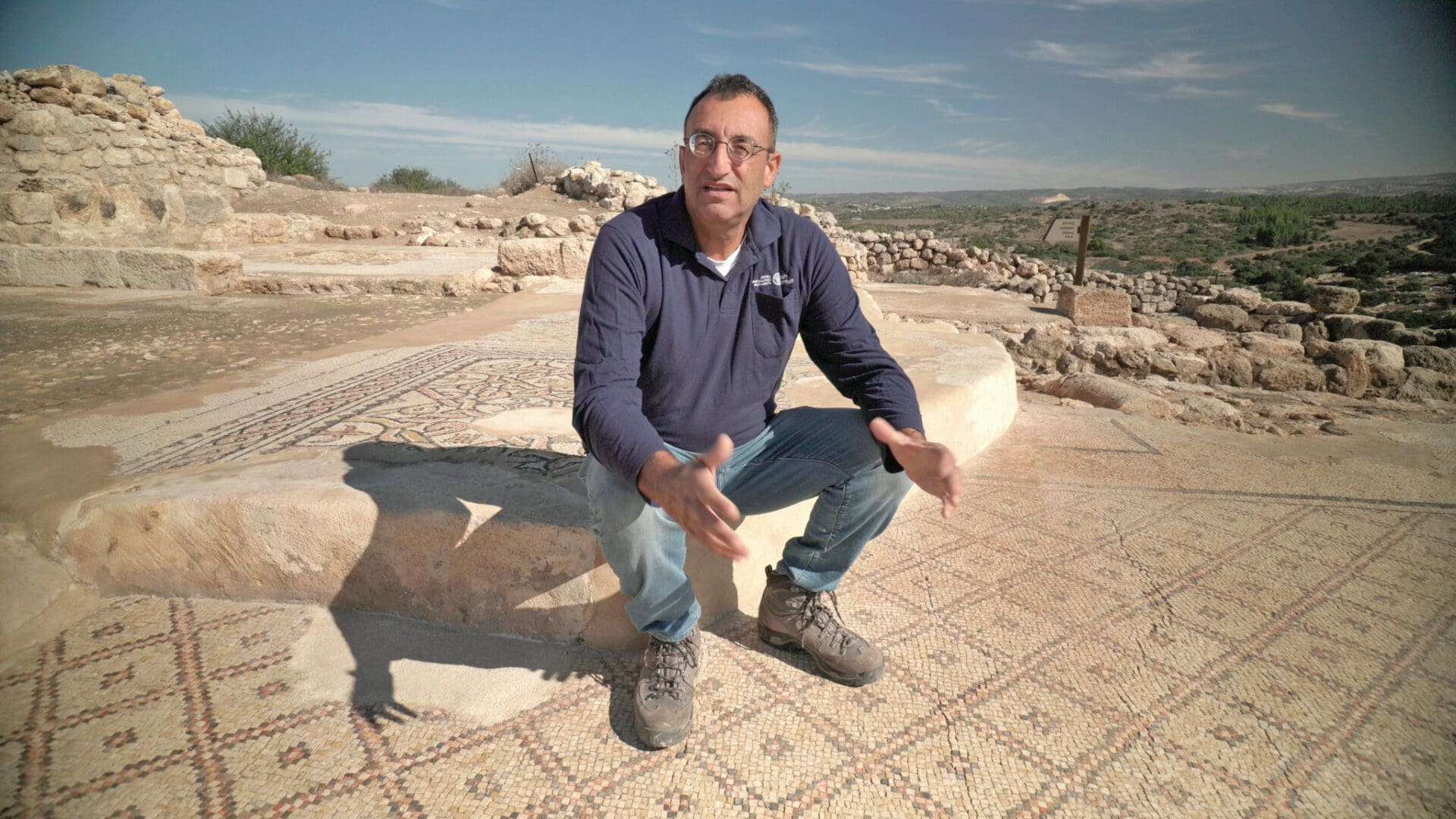
After years of antiquities robbery: the site has been restored and made accessible to the public
Alongside its historical and archaeological importance, Horbat Burgin has faced a serious phenomenon of antiquities theft for years. Robbers broke into the burial caves and underground hiding places, and also damaged the structures that remained above the surface.
According to Dr. Amir Ganor, site excavator and director of the Robbery Prevention Unit at the Israel Antiquities AuthorityThe joint activity of Israel Antiquities Authority inspectors and KKL-JNF personnel, which included enforcement operations and the capture of robber gangs, alongside the initiation of the establishment of the Adulam Caves Park, the excavations and development work, helped to stop the damage to the site.
Now, after the conservation and development work, the complex has been opened to public visits, with the aim of allowing the public to enjoy the findings and learn about the rich history of the area.
Connecting historical heritage and rural tourism
Chairman of the JNF, Eyal Ostrinsky, He referred to the importance of the project and said that the organization's responsibility is not limited to preserving nature and forests, but also includes protecting historical heritage and making it accessible to the public. He said that the cooperation with the Israel Antiquities Authority makes it possible to connect the past with the present and ensure the preservation of heritage sites for future generations.
Preserving history for future generations
Ami Shahar, Deputy Director of Built Heritage Conservation at the Israel Antiquities Authority, emphasized that the unveiling of the findings is only the beginning of the process, and that alongside the excavations, investment is required in preserving the remains and ensuring their existence over the years. According to him, the project is an example of cooperation that makes it possible to turn history into a tangible and accessible experience for families and travelers.
Also the Minister of Heritage, Rabbi Amichai Eliyahu, He referred to the historical importance of the findings and noted that the hiding places dug by the Jews during the period of the revolt against the Romans are tangible evidence of the roots of the Jewish people in the land and the struggle that took place there some two thousand years ago.
Opening Horbat Burgin to the public joins the effort to preserve heritage sites and make them part of the travel experience and getting to know the country. In a place where settlements existed throughout various historical periods, tangible evidence remains today of the lives of the residents, the struggles, the faith, and the culture that existed here throughout the generations.
Open to the public every day of the week and at any time?!