


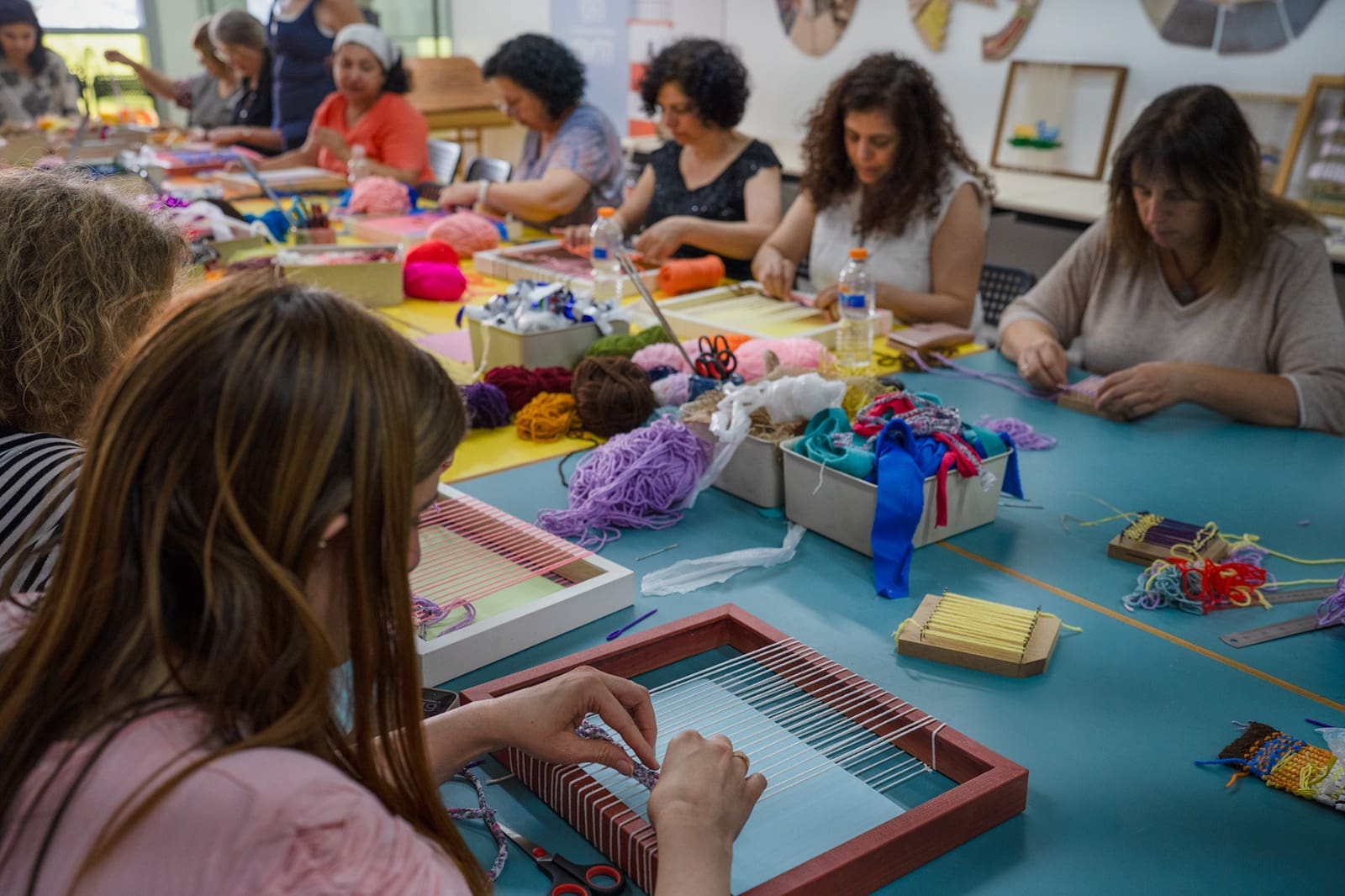
Haifa Museums is embarking on a large-scale program to strengthen ties with Arab society in the city and the region, as part of a new institutional policy aimed at deepening partnership, cultural accessibility, and equal opportunities. The initiative, inspired by a project "Arabic Desert Museum" of the Tel Aviv Museum of Art, including a series of educational, community and museum activities, some of which are taking place for the first time this year.
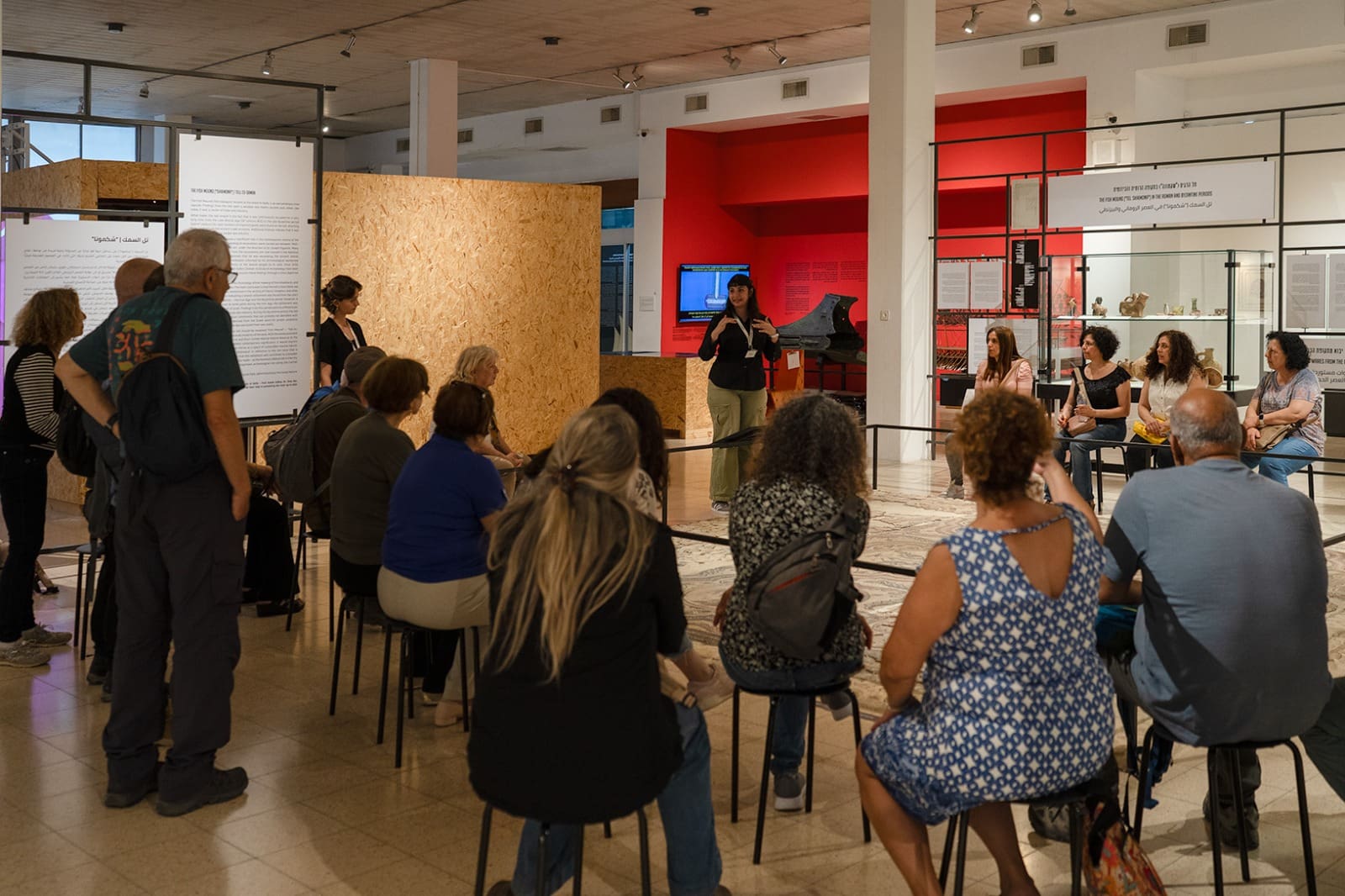
A museum revolution in Haifa: a broad and dedicated action plan
Haifa Museums notes that in recent years there have been activities specifically for Arab society, but this year the program has been significantly expanded. Among the key steps:
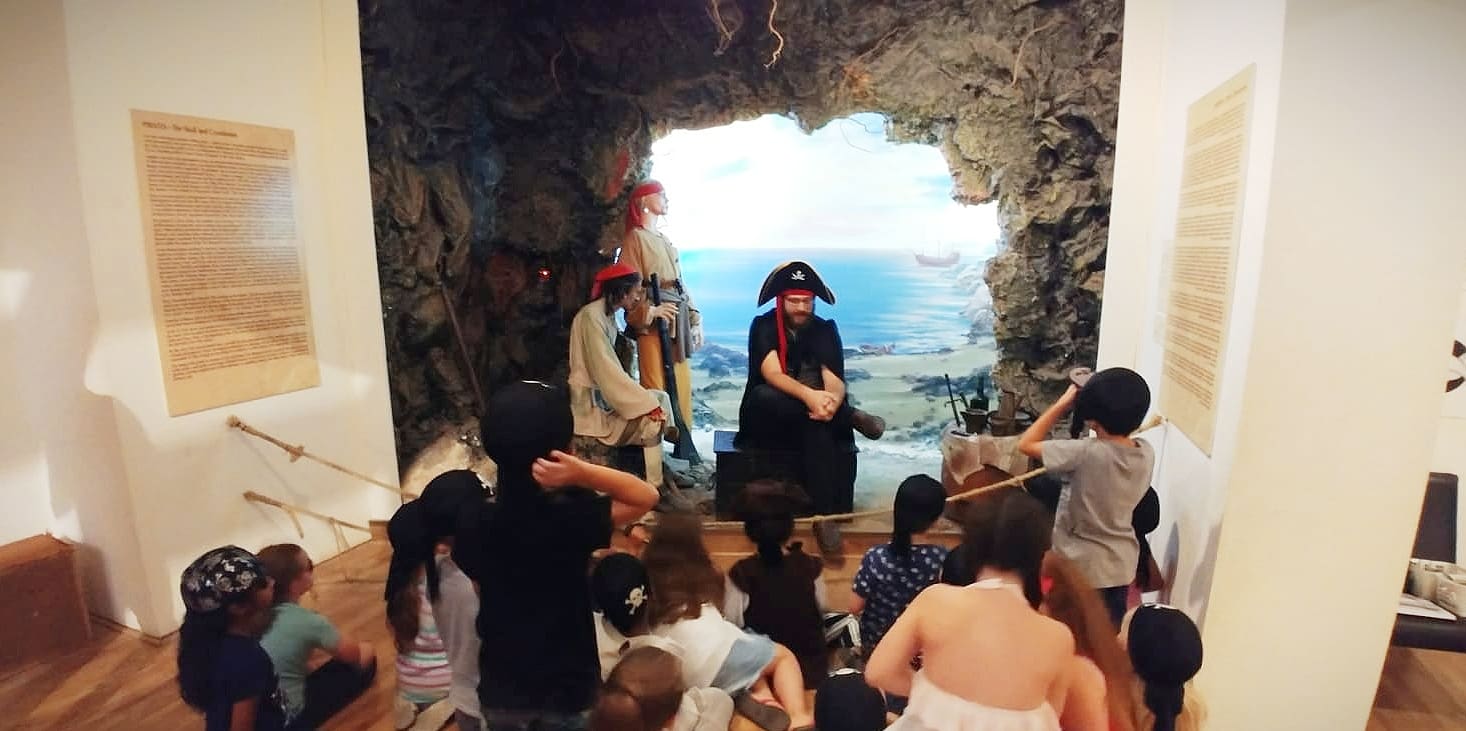
- Massive increase in student visits from Arab society
- Expanding the Arabic training team
- Extra-museum activities in community centers and community centers in Arab neighborhoods
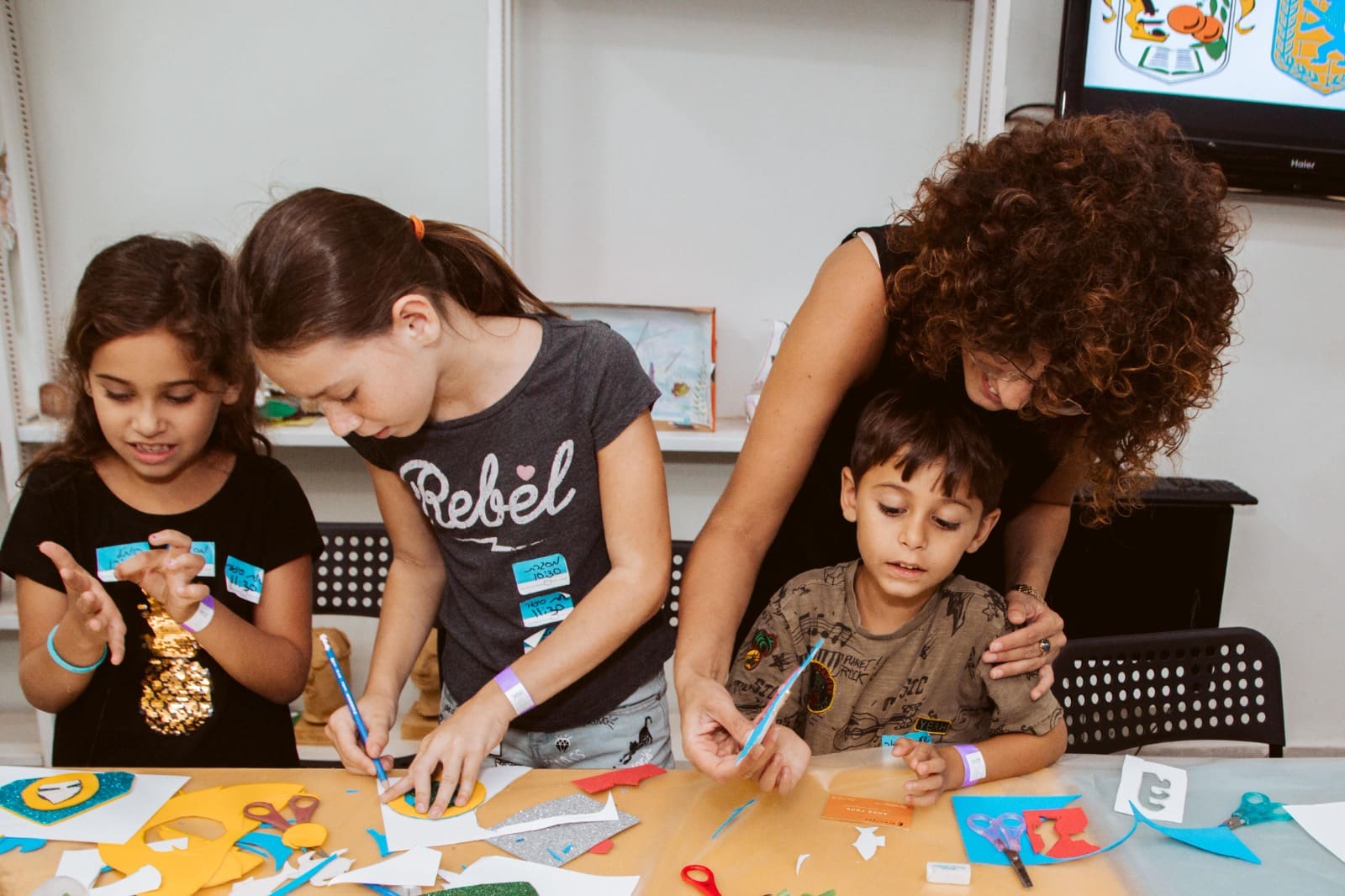
- Summer camps in Arabic, which are being held for the first time this year after a successful pilot
- Arabic training courses for education and community living teams
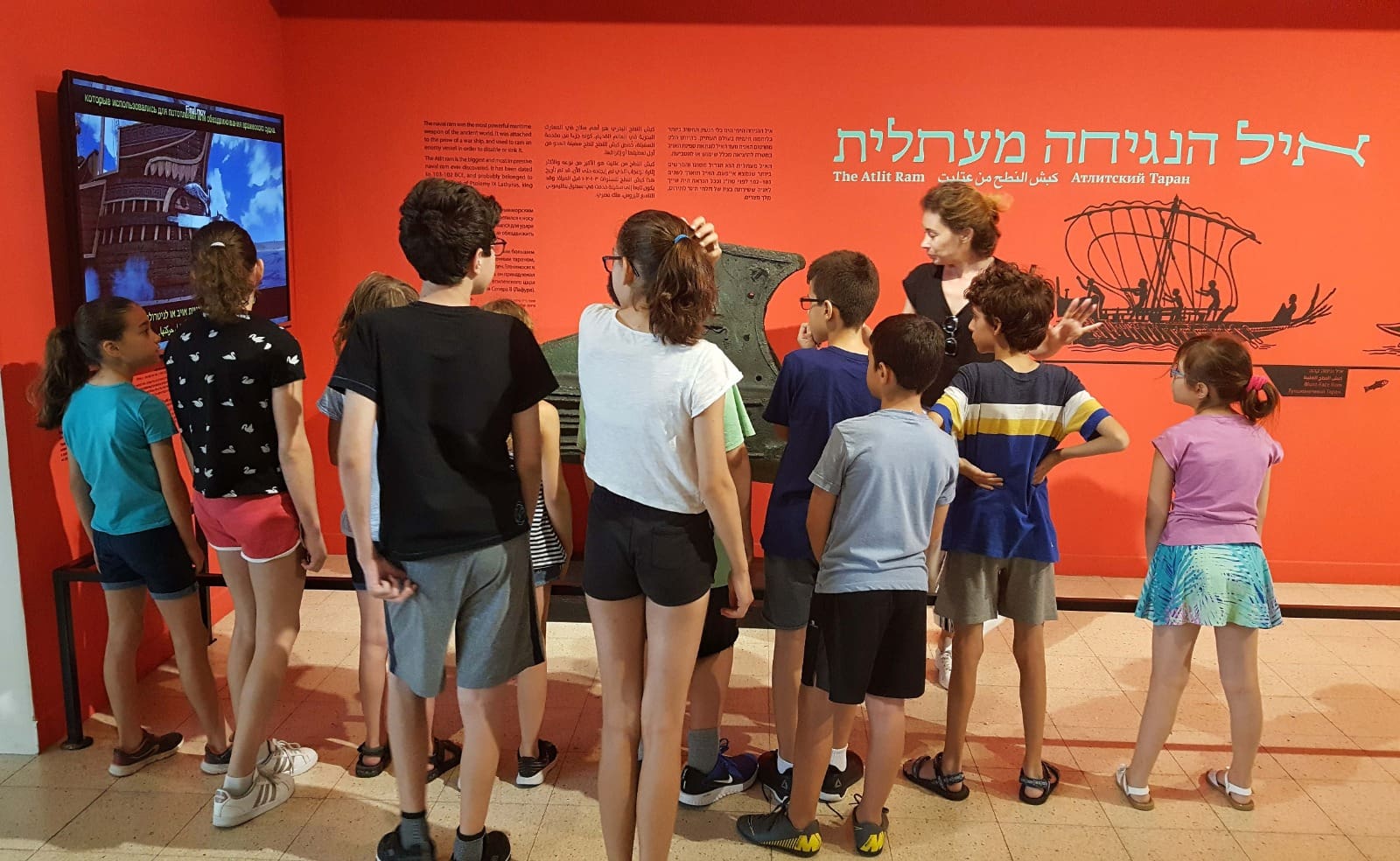
- Unique projects, including theater performances in Arabic, "living room at the museum" meetings, and making content games accessible in Arabic
In addition, emphasis is placed on Integrating Arab artists In exhibitions and the "Art Place Incubator" program, which operates within communities in Haifa and the north.
Inter-museum collaboration: Tel Aviv and Haifa
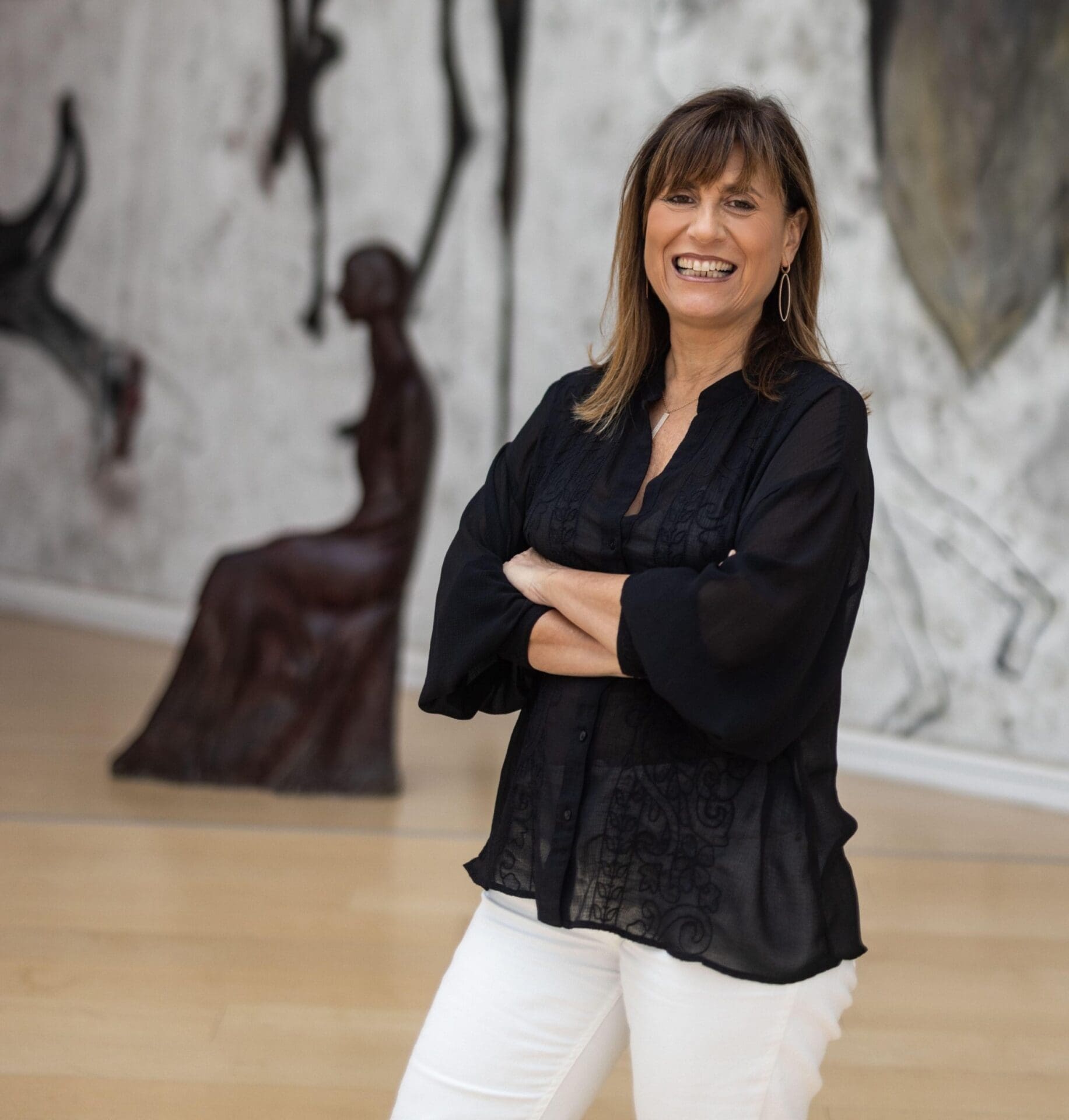
The move in Haifa is made possible thanks to the expansion of the Tel Aviv Museum of Art's "Arabic Desert Museum" project, initiated by Museum Director Tanya Cohen-Uzieli.
Cohen-Uzieli explains that the initiative in Tel Aviv has become a flagship project, and is now expanding to other museums: ""Especially in a time of war and social division, we believe that the role of a museum is not limited to preserving and presenting art, but also includes expanding access to art from a perspective of equality and cultural accessibility."

Haifa Museums: "It's simply right and important"
Director General of Haifa Museums, Yotam Yakir, emphasizes the public and ethical importance of the move: "Values of tolerance, pluralism, and a shared society have always been, and I hope always will be, cornerstones of life in Haifa. We are managing to develop the program dramatically, and the results are already evident on the ground."
Yakir notes that the expansion was carried out on several levels: museum, educational, and marketing, and that the demand and response from the field indicate the success of the move.
Philanthropic support
The project is made possible thanks to the support of Blessing Fund, which helps promote social and cultural projects throughout the country.
Summary
The new initiative by Haifa Museums positions the museums as a leading factor in strengthening shared life in the mixed city. Through educational programs, community activities, and inter-museum collaborations, they seek to make the museum an accessible, equitable, and shared space for all residents of the city.
This should have been done years ago, coexistence was coexistence. After the seventh, they will go to... the heels, it's all over.
The problem is that the Arab public does not learn Hebrew at a native language level when it is the native language of the country in which they live. As the only country in the world that speaks Hebrew, we must preserve the Hebrew language and give it primacy. Not out of politicization but out of the need to preserve the Hebrew language in the only country where it is the official language.
There are hundreds of students from the Arab sector at the University of Haifa who don't know Hebrew at all and entered with tutoring from the Lottery Agency. Is this the country we want?