


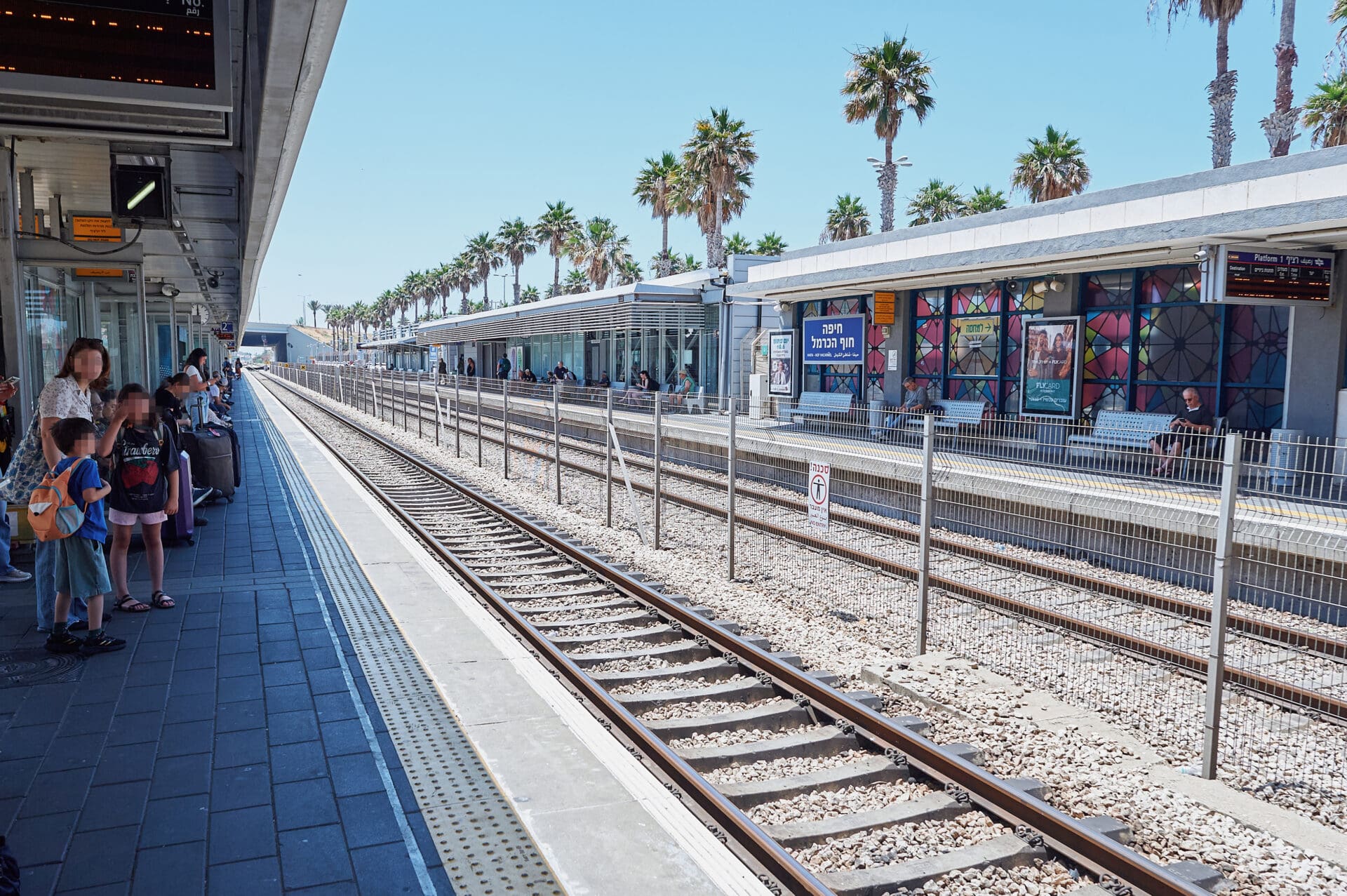
(haipo) The Ministry of Transportation and Road Safety has transferred a budget of 600 million shekels to Israel Railways to promote the doubling of the coastal tracks between Shefayim and the Carmel Coast. The project is moving into the implementation phase, and upon completion, the travel time from Haifa to Tel Aviv will be shortened to just 30 minutes. This is one of the largest infrastructure projects in Israel.
Upgrading existing tracks and adding new high-speed tracks
The Ministry of Transportation and Israel Railways are currently in advanced stages of planning and beginning the publication of construction tenders for doubling the coastal tracks between Haifa, the Carmel Beach, and Shafiyim, in accordance with the National Plan 65A. The plan includes upgrading the existing tracks to allow travel at a speed of 160 km/h, adding two new tracks planned for a speed of 250 km/h, and adding two suburban tracks between Netanya and Shafiyim. Upon completion of the project, two high-speed tracks will be added between Haifa and the Dan Bloc, which will allow direct travel without intermediate stops, while significantly shortening travel times between the north and the center.
Sharp increase in demand requires infrastructure expansion
The number of trips on Israel Railways is expected to increase significantly in the coming years, from approximately 70 million trips per year today to approximately 200 million in 2030 and approximately 300 million in 2040. Currently, only two tracks operate along the route, a situation that creates a significant operational limitation on the number of trains that can be operated. This limitation is reflected in congestion during peak hours, insufficient frequency of trips, and long travel times. Doubling the tracks, along with expanding the infrastructure in the Ayalon corridor, will make it possible to remove the main bottlenecks and significantly increase the capacity of the national railway network.
Part of a long-term development plan
The doubling of the coastal tracks is part of the long-term development plan of the Ministry of Transportation and Israel Railways, which includes expanding the track network, establishing new stations, developing residential, employment and commercial complexes near the train stations, as well as strengthening freight infrastructure and rail border crossings, as part of a comprehensive preparation for the transportation needs of the coming decades. The project constitutes a central pillar of Israel's public transportation vision, based on a high-speed, continuous and high-frequency train network that will connect the country's major metropolitan areas.
"A national move that will strengthen public transportation"
Minister of Transportation and Road Safety Brigadier General (Res.) Miri Regev She said, "The doubling of the coastal railways is one of the Ministry of Transportation's flagship projects on the way to creating an advanced, fast and reliable rail network. The investment that the ministry is promoting will make it possible to significantly increase the frequency of trains, shorten travel times and connect the north to the center in an unprecedented way. This is a national move that will strengthen public transportation, reduce congestion on the roads and contribute to the economic growth of the State of Israel."
Director General of the Ministry of Transportation, Moshe Ben ZakenHe added that "the budget transfer marks the transition from the planning stage to the implementation stage of one of the most important infrastructure projects in Israel. Doubling the coastal tracks will remove one of the main bottlenecks in the rail network and will allow the operation of more trains, with greater frequency and greater speed. This is a strategic investment that will change the face of public transportation and provide a response to the demands of the coming decades."
In the year 3000…
Hahaha today two tracks are still not fully electrified. They don't leave and arrive on time. This is a message to the media and the public. With the work of the railway workers, the expected completion in Israel is 2026 in 2040. At least.
And just a word about the implementation date. Is it that serious?