


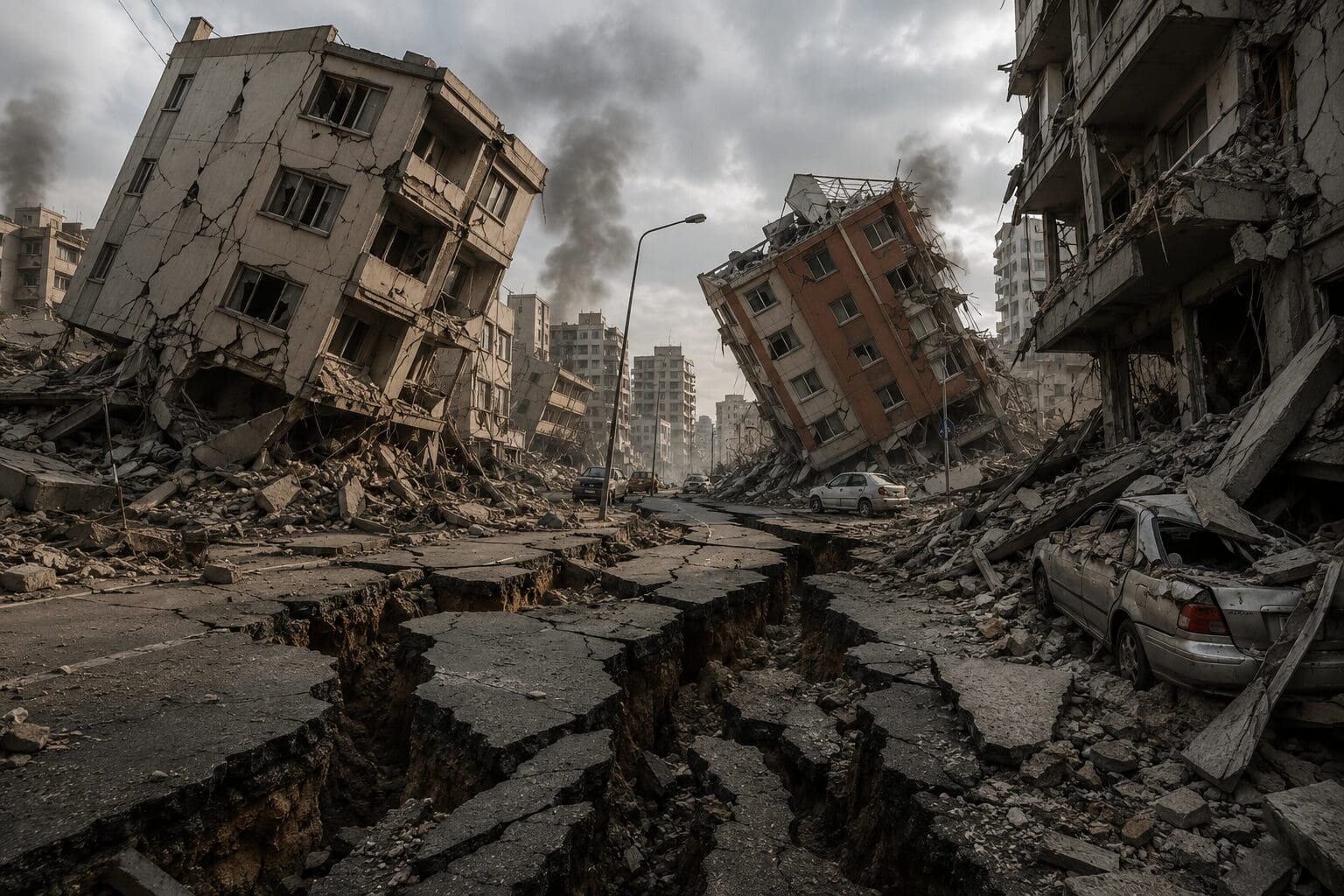
(haipo) More than 1,400 people have died, thousands have been injured, and tens of thousands are missing following the severe earthquakes in Venezuela, and the fear of a similar scenario has brought the question of preparedness for a significant earthquake back into public discourse in Israel. How does the national warning system work, what should be done in critical moments, and what do experts say about the risk in our region?
The deadly earthquakes that struck northern Venezuela on June 24, 2026, measuring 7.2 and 7.5 on the moment magnitude scale, left behind enormous destruction. The seismic activity reportedly lasted for about three minutes, with the main tremor lasting about a minute, a seemingly short time, but enough to cause the collapse of many buildings in the capital, Caracas, and the province of La Guaira.
As of June 28, approximately 1,430 deaths have been reported, more than 3,360 injured, and over 50 people are still listed as missing. The harrowing images from the scene have also raised many questions in Israel: Is the country prepared for a significant earthquake? Will we receive timely warning? And what should we do in the moment of truth?
The seconds that could save a life ◄ Watch
The Home Front Command explains that while it is not possible to predict an earthquake in advance, its occurrence can be identified in its early stages through the national warning system "Taroea", developed in collaboration with the National Emergency Authority and the Geological Survey. The system is based on a network of seismic sensors deployed throughout the country, which detect a significant earthquake and transmit a warning within seconds via the Home Front Command app, warning sirens, the national emergency portal, as well as via radio stations, television channels and some news websites.
The warning is activated when an earthquake with a magnitude of 4.5 or higher is detected, which has the potential to cause damage and endanger human life. The duration of the warning varies depending on the distance from the epicenter and can range from a few seconds to tens of seconds - a short time, but one that may allow citizens to reach a safe place and save lives.
How do you detect an earthquake?
Even without receiving an official warning, there are signs that indicate the beginning of an earthquake. Among the most prominent signs: shaking of the floor, rattling of windows and glass, difficulty standing still, swaying of lamps hanging from the ceiling, and movement or fall of furniture and objects. The Home Front Command emphasizes that in any case where an earthquake is felt, one should not wait for a warning from the "Taroa" system, but should act immediately and move to a safe place in accordance with the instructions, as every second may be critical in saving lives.
This is what to do during an earthquake ► Watch
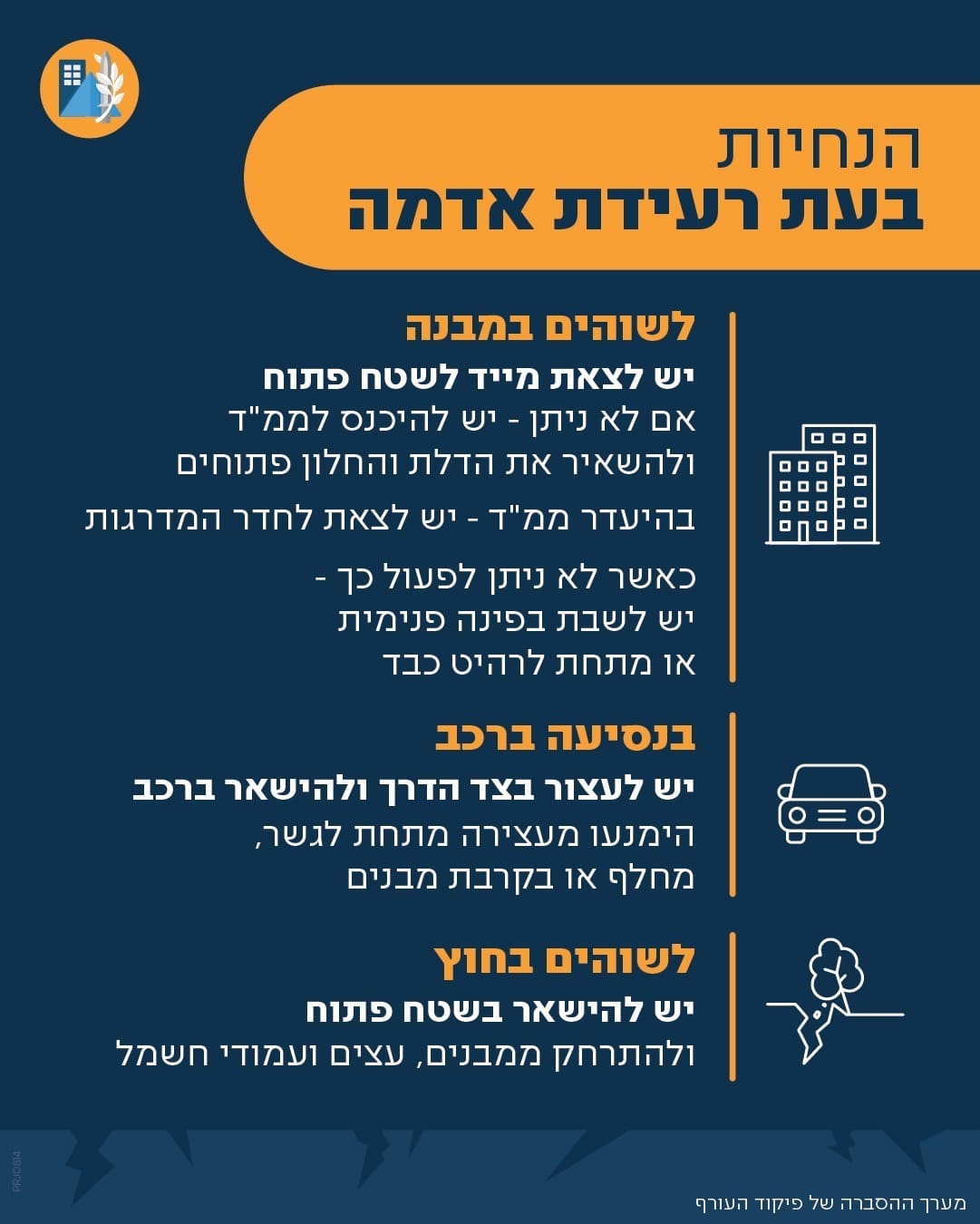
If you are inside a building: During an earthquake, if you are inside a building, you must act quickly and calmly. If you can exit the building within a few seconds, immediately go to an open area, away from buildings, trees, and power poles. If you cannot exit in time, enter the emergency room and leave the door and window open. In the absence of an emergency room, go to the stairwell and begin to descend carefully toward the exit, without using the elevator.
Only if none of these options are possible, sit in an inner corner of the room or hide under a heavy piece of furniture, and protect your head with your hands until the shaking stops.
If you are outside the building: Stay away from buildings, trees, power poles, and anything that could collapse.
If you are in a car: Stop in a safe place, away from bridges, buildings, and slopes, and stay inside the vehicle until the shaking stops.
If you are near the beach: Move at least one kilometer away from the coastline due to tsunami risk. If it is not possible to move away, go to the fourth floor or higher of a nearby building.
"One extra moment can save a life"
The Home Front Command explains that during an earthquake, most people go through three stages:
- A moment of confusion – what's going on?
- A moment of understanding – this is an earthquake.
- A moment of action – to get to a safe place.
The warning system is designed to shorten the confusion phase and allow immediate action. Even if it's only a few seconds, it can save lives.

Prof. Zvi Ben Avraham: "It is impossible to predict an earthquake"
In a previous interview he gave to "Hai Fa", he explained Professor of Geophysics Zvi Ben Avraham Because Israel is in a seismically active region, it is impossible to know when the next earthquake will occur.
"The most significant earthquake in the last century was the Jericho earthquake in 1927, with a magnitude of about 6 on the Richter scale. Before that was the great Safed earthquake in 1837. Because of the gap of about 90 years, the feeling was created that a major earthquake occurs every hundred years, but this is not a scientific prediction. It is important to understand that it is very difficult to predict earthquakes, and in fact impossible."
According to him, Israel sits on the Syrian-African fault system, which extends for about 1,000 kilometers from the Sharm el-Sheikh area to Turkey.
"Haifa is safer because it sits on a rock"
Ben Avraham also referred to the Haifa area and explained that one of the splits of the central fault is the Carmel Fault, also known as the Yagur Fault, which passes through the Jezreel Valley area, Yagur, and continues to the Mediterranean Sea.
"We are constantly investigating the activity of the Carmel Rift. The big concern is that if a significant event occurs there, the industries in the Gulf could be affected and the damage to the economy would be very great. On the other hand, there is also an encouraging point: Haifa itself sits mostly on bedrock, and is therefore considered more stable geologically compared to areas built on soft ground."
A tsunami is also a possible scenario.
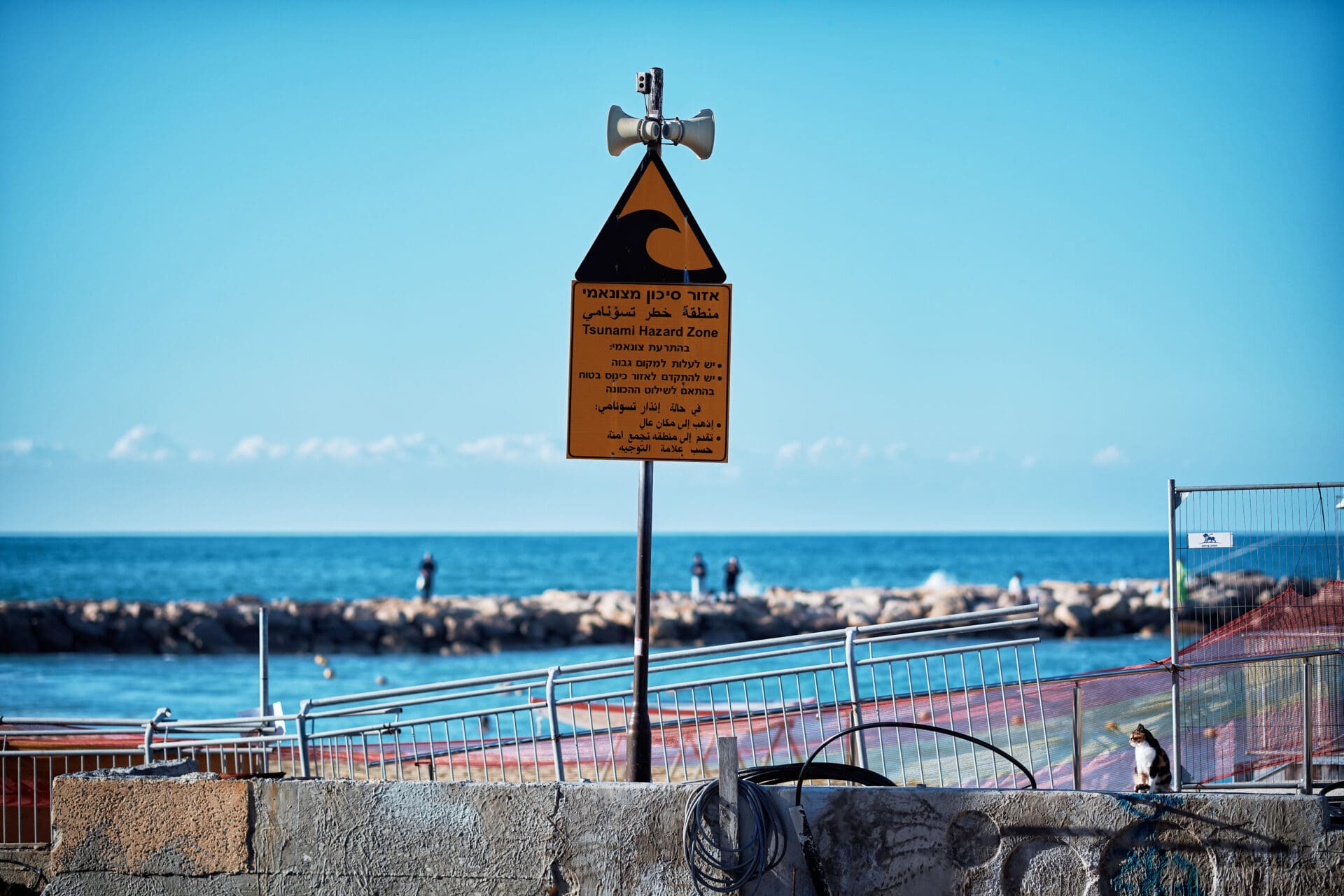
According to Ben Avraham, the risk in Israel is not limited to earthquakes. "Our region has already experienced tsunamis in the past. Hundreds of years ago, a tsunami occurred in the Acre area. Before the wave arrived, the sea receded, people went down to see the exposed land, and then a big wave came and swept them away. This is exactly why signs were placed along the coast of Israel warning of the danger of tsunamis."
As for aftershocks, he explains that science still cannot determine whether they reduce the risk of a major earthquake or actually precede it.
"It is possible that the small tremors release pressure and prevent a strong tremor, and it is possible that they herald a more significant event. What is certain is that when a major earthquake occurs, it will occur without the ability to predict its arrival."
The difficult events in Venezuela remind us of how earthquakes can turn into major disasters in minutes. In Israel, they emphasize that while it is impossible to prevent an earthquake, early preparation, familiarity with the guidelines, and installing the Home Front Command app may provide the precious seconds that save lives.
Haifa is not prepared for earthquakes in the right places, such as Jezreeliya, the Neve Sha'anan slopes, and more. Worse still, in the entire country, in places prone to earthquake disaster such as Safed, Beit She'an, Tiberias, and Afula, TAMA 38 was not implemented at all. TAMA 38 was only implemented in profitable places, such as on the Carmel in low-rise 2-3-story houses far from the housing crisis, where it is unnecessary, or in buildings in the center of the country. The local committees were not able to channel the opportunity created by TAMA 38 to the right places and created urban planning distortion in the city centers.
We know that all of Jezreeliya and Neve Sha'anan, as well as the Haifa Bay, were not inhabited because there were landslides there in historical earthquakes.
It is said that everything we see in Israel, all the towers on the mountainside, will simply collapse and slide down.
The situation is worse for the villages around the Kishon.