


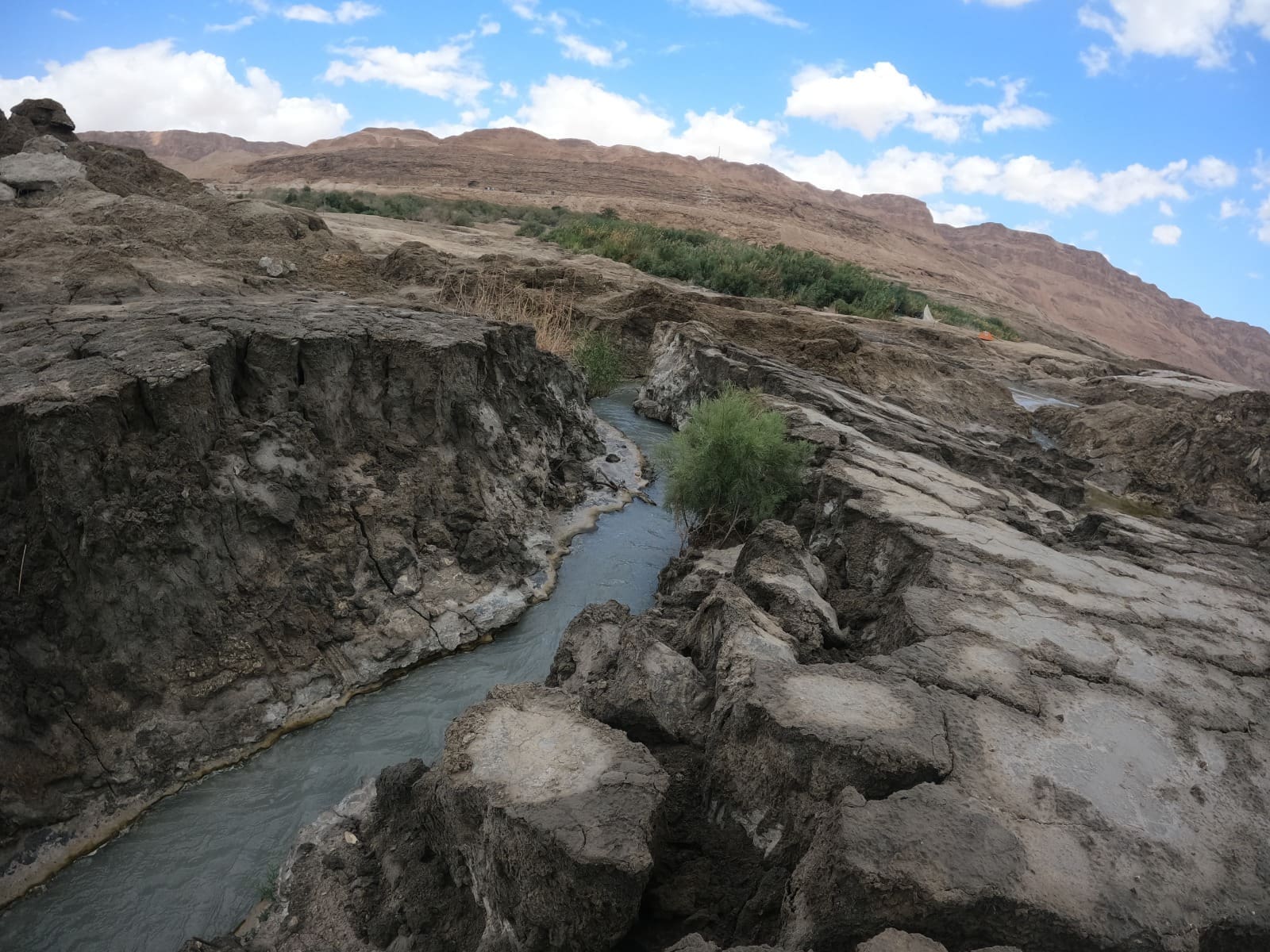
In recent weeks, the weather in Israel has seemed to have lost all common sense. Within a few days, snow and frost were recorded on Mount Hermon, temperatures of 36 degrees in the Dead Sea region, and powerful floods washed out roads, tore apart infrastructure, and exposed once again the vulnerability of one of the most geologically sensitive areas in the country. I returned to the sites of destruction along Highway 90 and the Nahal Himer area to understand up close what happens when extreme climate meets already fragile ground, and I discovered a reality much more disturbing than the initial reports showed.
“The genie is out of the bottle”
Climate change has been talked about for years, but on the ground the feeling is that the phenomena are becoming more extreme at a faster rate than expected. Sharp fluctuations in the weather, extreme rainfall events, and powerful floods are causing enormous damage to infrastructure and the natural landscape, and sometimes it seems that nature itself is changing the rules of the game.
About two weeks ago, Highway 90 was closed following one of the unusual flooding events seen in the area in recent years. This is a major transportation artery that runs the length of Israel, and landslides and heavy damage were recorded in several locations along it.
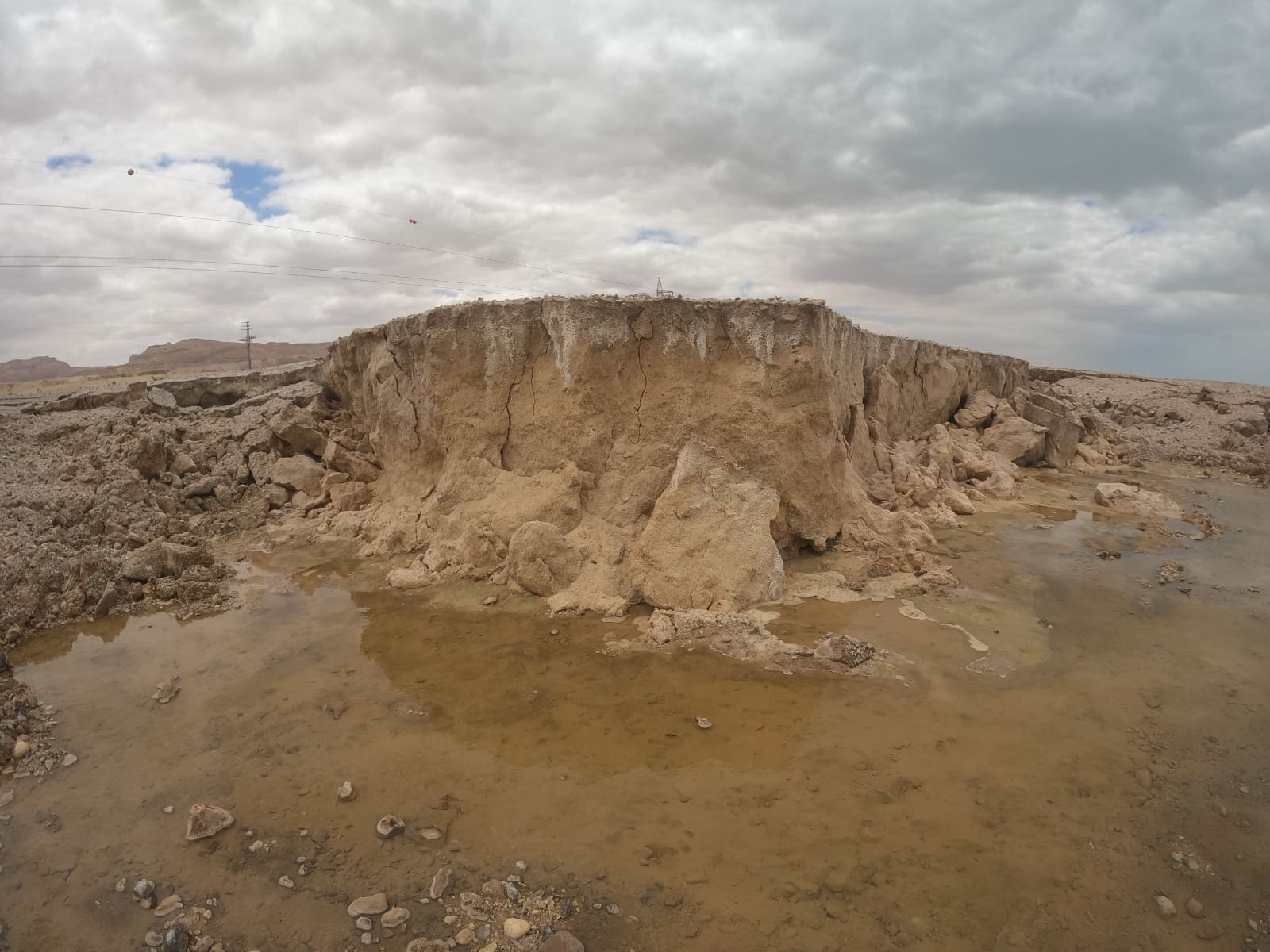
When I arrived at the Nahal Dragot checkpoint area, I spoke with representatives of Netivei Israel and the police. They described an extraordinary situation: roads that had collapsed, the ground that had opened up, and infrastructure that had been damaged to a degree they had never seen before. It was only when I returned to the scene in the evening with a drone and camera equipment that I realized how serious the situation was.
New sinkholes and ground collapsing into itself
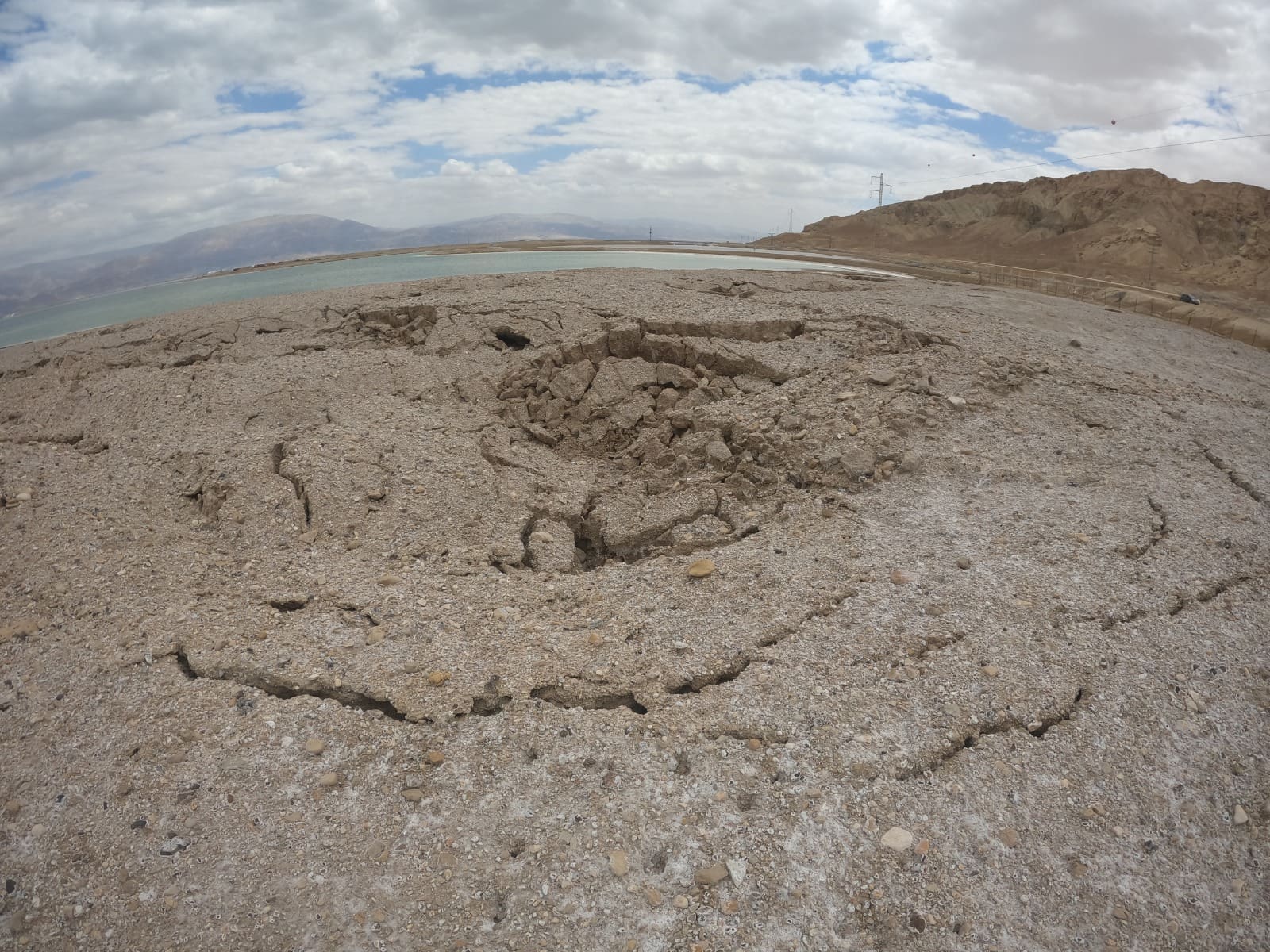
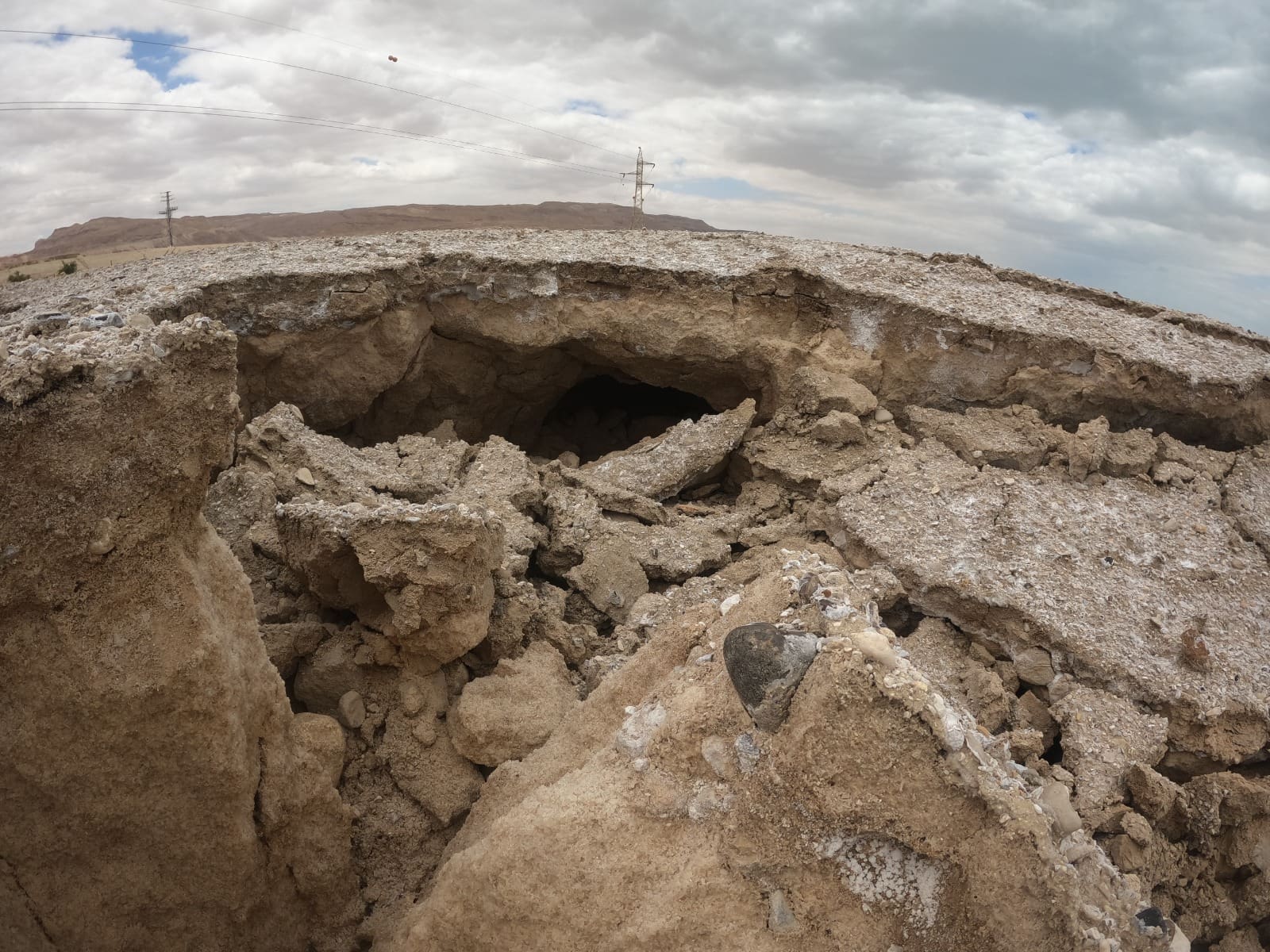
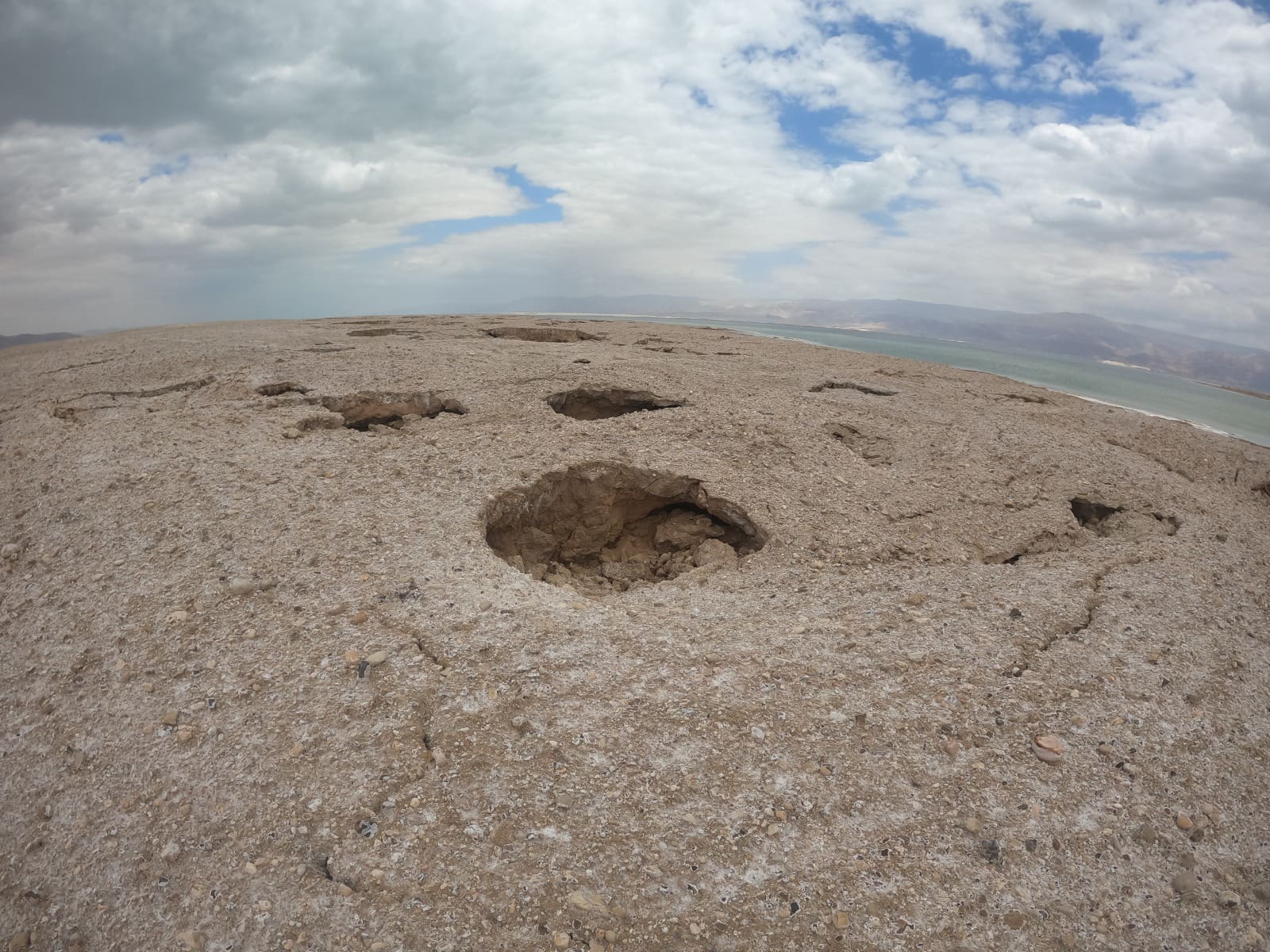
Before our eyes, sights appeared that were difficult to remain indifferent to: entire areas that collapsed in one day, fresh sinkholes that opened up near the road, and new water basins created by the floods.
Drone footage documented the rise in water levels in the Nahal Himer reservoir area, which burst under the road and caused parts of the ground to collapse. In the Dead Sea region, this is a double threat, both extreme weather events and sensitive ground to begin with.
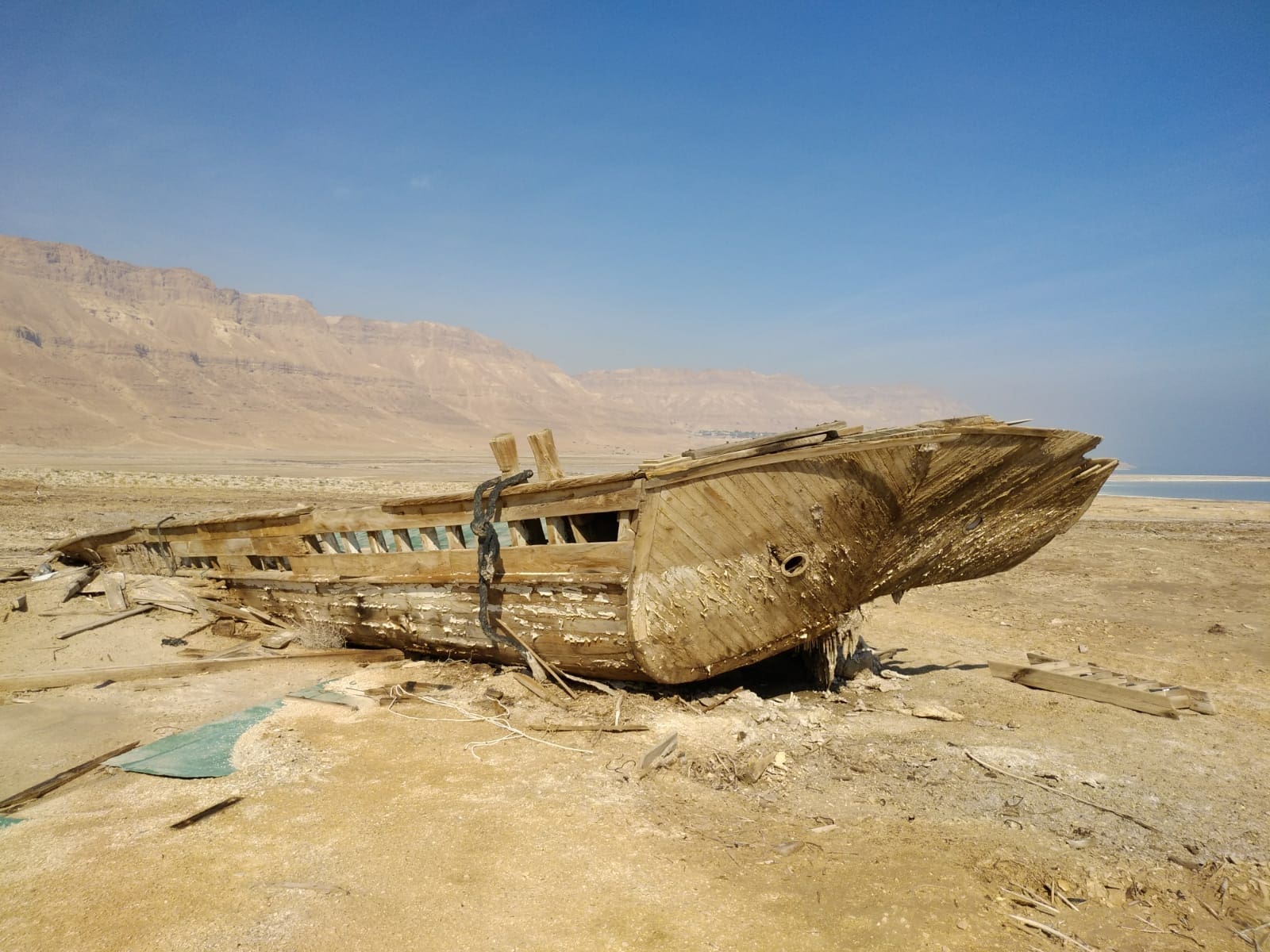
The entire area sits on an active tectonic system, and for years has suffered from the lowering of the Dead Sea level. The combination of natural geological processes and climate change is accelerating land collapses and the formation of sinkholes.
Professionals now admit that some of the solutions on the ground are only temporary, a "Band-Aid method," as one of the workers on site defined it, simply because there is still no real way to stop the process.
Could Haifa also face a similar scenario?
This question comes up again and again, especially in light of the recent unusual rainfall events. The answer, according to experts and field personnel, is complex.
Haifa is not the Dead Sea, but it also has areas of high geological sensitivity, mainly cliffs and steep areas adjacent to active channels. Areas such as Nahal Sheach, the Wadis in Nesher, Kiryat Eliezer, and Ein Hayam could be particularly vulnerable in the event of an unusually powerful flood event.
At this stage, this is not an immediate danger on the scale seen in the Dead Sea region, but extreme conditions are becoming more common, and the fear is that events that were previously considered rare will become part of reality in the future.

The danger on Highway 90: Even when it's sunny
One of the most common mistakes made by travelers and vacationers is the assumption that fine weather in the Dead Sea region indicates that there is no risk of flooding. In fact, the area is defined as a “rain shadow,” and floods sometimes come from remote areas, such as Jerusalem, the Judean Desert, and the central mountains.
This means that even on a perfectly sunny day, a huge flow of water may suddenly reach streams and roads. Therefore, during flood warnings, it is recommended to prefer Highway 6 over Highway 90, especially on the way to Eilat and the Dead Sea hotels.
The sea itself is also becoming more dangerous.
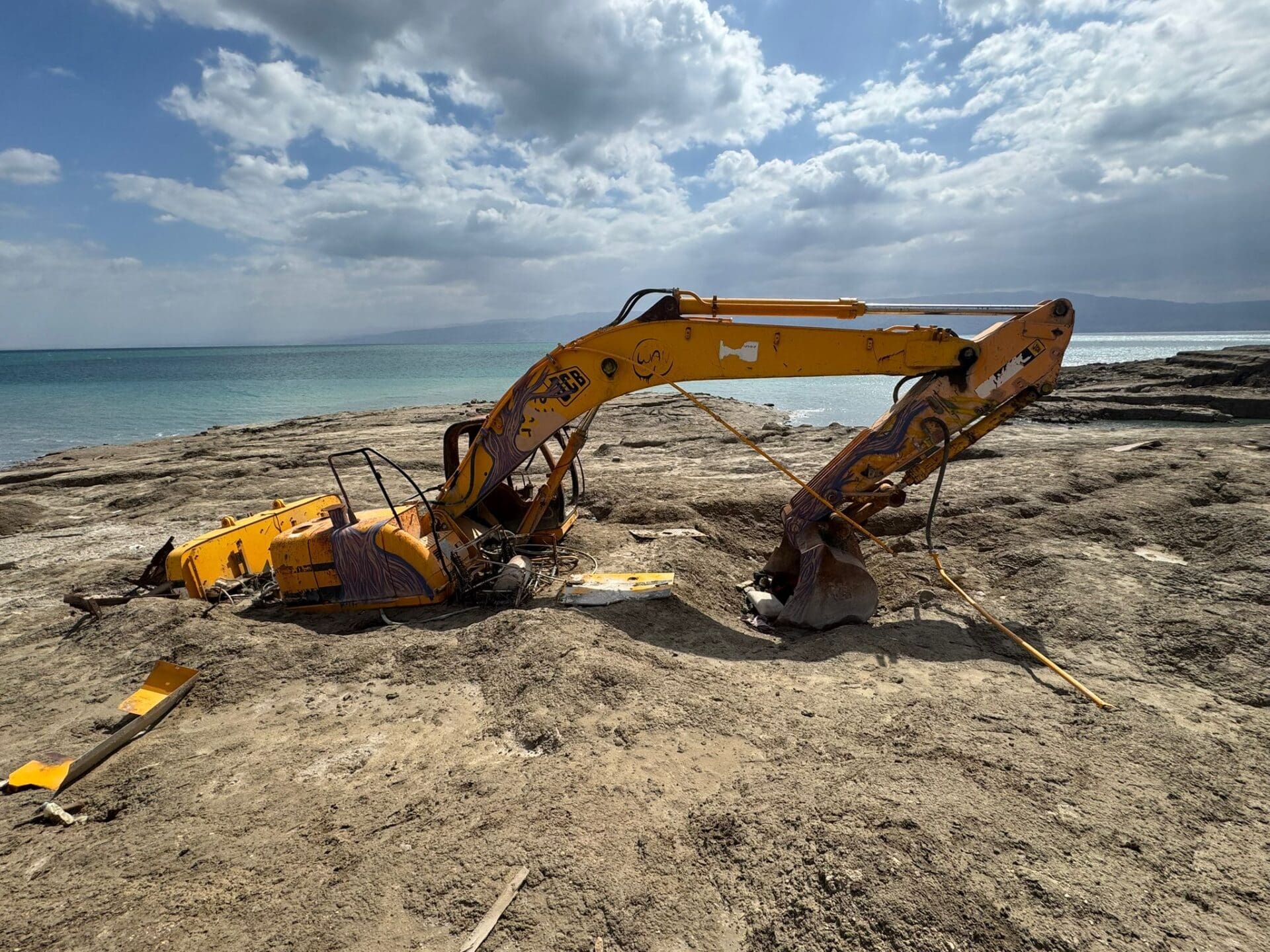
It's not just the roads and land that are affected by climate extremes. The Dead Sea itself has been experiencing strong and variable winds in recent years, creating heavier-than-usual waves.
Due to the high salt concentration, the waves in the Dead Sea are heavier and more powerful, and bathers may find themselves quickly swept away. Salt spray in the eyes during strong winds can also cause blurred vision and pose a real risk.
Between a warning and a new reality
What I saw on the ground is not just a one-off event. It may be a glimpse into a new era of more extreme, more unpredictable, and more dangerous weather.
The question is no longer whether we will see such events again, but rather how often, and especially whether Israel is prepared to deal with the changing reality.
Meanwhile, nature continues to remind us of its power and, at times, our fragility in the face of it.
I mean one hundred thousand.
An article with 1000 views is simply a pleasure…