


(haipo) – The past month and a half have shaken Israeli society. Anxiety, uncertainty, and a broken routine have all led many to seek solace in the most accessible place: food. But behind the weight gain during the war lies a deeper truth.
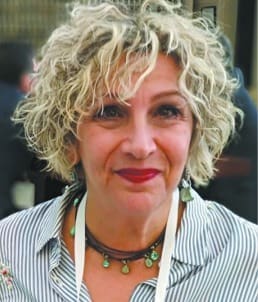
Dr. Batya Karnboim, Family Medicine Specialist Personal treatment and prevention of obesity The Israeli Society for the Study and Treatment of Obesity seeks to change the discourse, no more guilt and extreme diets but understanding, compassion and proper treatment of a biological disease.
“It’s not a lack of willpower – it’s a biological disease”
More than 60% of Israelis are overweight and obese, of which about 27% are defined as obese. These figures are not new, but the war has exacerbated the situation. According to Dr. Kernbaum, obesity is not the result of laziness or lack of discipline; obesity is a biological disease. The disruption is in the hormonal mechanisms, there are too many hunger hormones and too few satiety hormones. The person is hungrier and more eager to eat. It is not a matter of willpower.
She adds that this is why more than 90% of people who lose weight return to their previous weight, sometimes even more: “The body fights them and tries to return the situation to normal.”
Food as a refuge in time of war
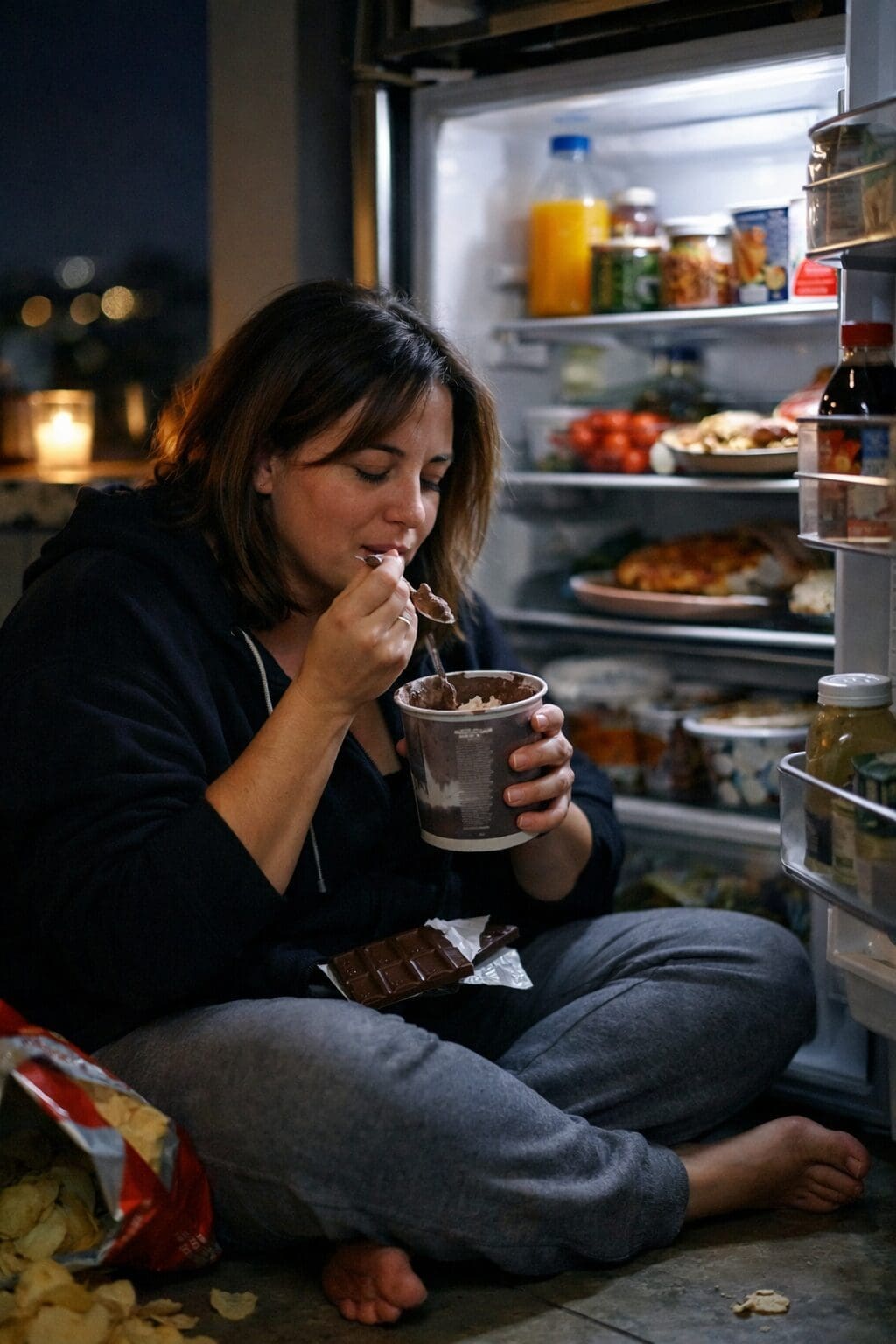
Against the backdrop of the harsh security reality, many found themselves eating more than usual. “We were all traumatized,” explains Dr. Karnboim. “Food is comforting. Snacking in the middle of the night because of alarms, eating in shelters is natural, normal and human.”
According to her, two weeks after the fighting began, patients came to her full of guilt: "People who were in the process of losing weight, with organized treatment and even weight loss injections, lost control and gained weight. They came with severe self-flagellation. And I tell them, so what? It was a difficult time. This is what helped you survive."
The real problem – guilt and self-anger
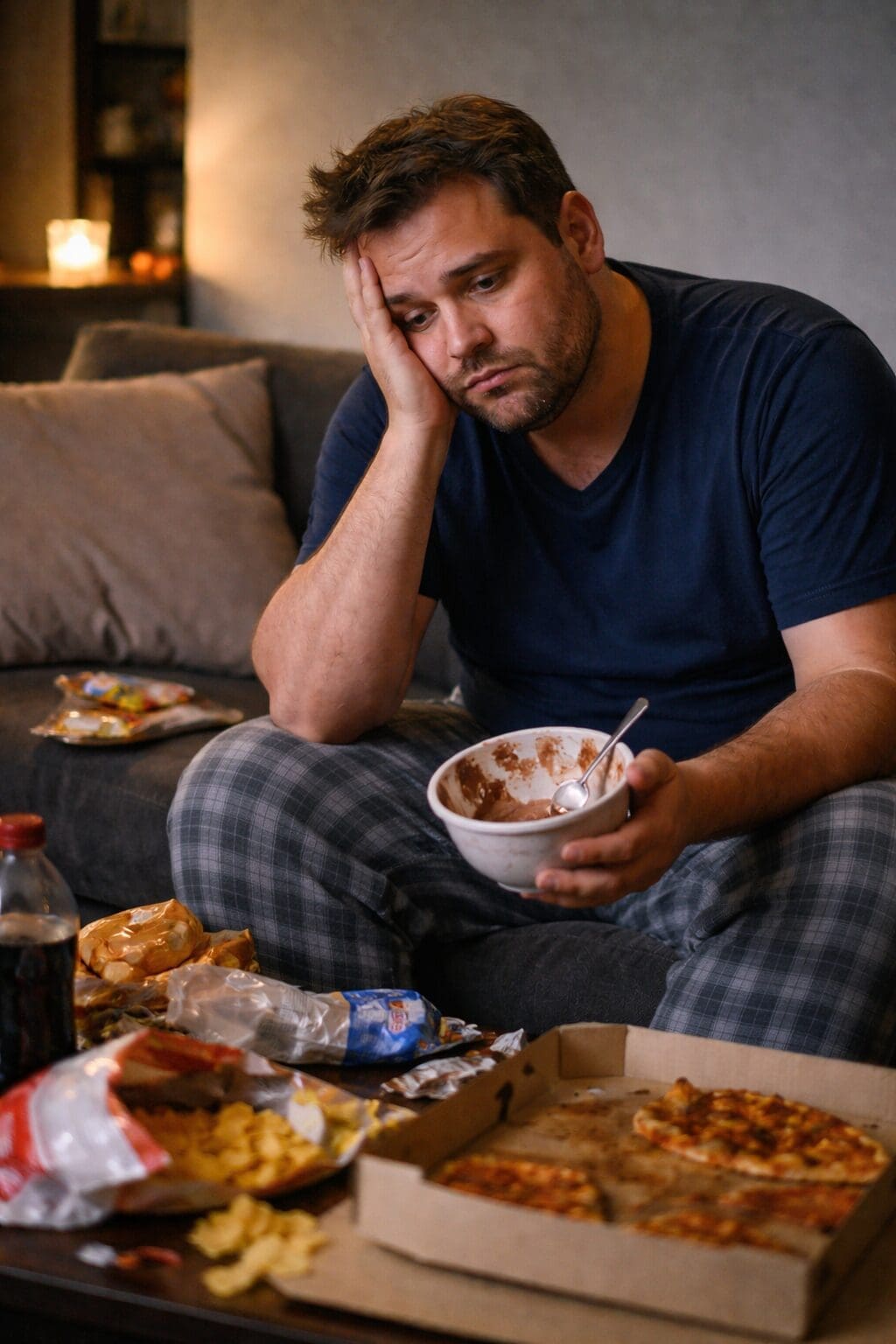
According to Dr. Kernbaum, feelings of guilt are actually the biggest enemy. Anger, frustration, and self-punishment are a significant trigger for further eating. They destroy any process. They have no place.
Instead, she emphasizes the importance of self-compassion: “We need to be compassionate towards ourselves. Understand the situation, stop blaming, and only then can we return to balance.”
Emotional Eating and Stress: What Happens in the Body?
During periods of ongoing stress, the body goes into survival mode. Stress hormones like cortisol rise, which increases hunger and the need for high-calorie foods. “When there is no certainty and no routine, the body seeks stability and comfort,” explains Dr. Kernbaum. “Food becomes an emotional compensation, and it is a completely natural mechanism.”
Not a diet – but a holistic treatment
Dr. Kernbaum wants to break another myth: diets are not the solution. “It’s not a matter of more or less slices. You need to manage your diet correctly, understand how to put together meals, and address both the emotional and biological aspects.”
Treatment, she says, includes a combination of nutritional support, emotional therapy, and sometimes medications or injections according to clear medical criteria (such as a BMI over 30, or over 27.5 with comorbidities). “Anyone who does not meet the criteria should not receive medication. It is important to do it correctly and under medical supervision.”
How do you get back on track in an unstable reality?
Even when there is no routine, you can start with small steps:
- Tell yourself: It's not my fault, but I take responsibility for my health.
- If there was a fall, we immediately return to the plan. Not tomorrow, not on Sunday at the next meal.
- Don't look back in anger. Look forward in compassion.
According to her, building a routine doesn't have to be perfect: "A basic mealtime routine, planning ahead, and listening to your body are enough."
A message of hope
In conclusion, Dr. Kernboim wants to convey a clear message: “Today there is much more knowledge and understanding about obesity and how to treat it. You are not alone, go get professional help.”
And perhaps the most important message at this time:
“Be ambassadors of compassion for yourself and those around you. We are human, and in difficult times we do what we need to survive. Now we can also begin to heal.”