



(haipo) The Ministry of Health and the Ministry of Environmental Protection announced this week the capture of mosquitoes infected with the West Nile fever virus in the green basins within the Emek Hefer Regional Council. This is the third capture this year, after previous reports of carrier mosquitoes captured in Eilat and the Eilot region. At the same time, the Ministry of Health updated that the first patient for 2025 with the disease in the central region, a person belonging to a risk group, was diagnosed.
Following the developments, the Ministry of Environmental Protection has instructed the relevant local authorities to expand monitoring, pest control and public awareness activities. Dr. Shai Reicher, Director of the Pest and Pest Control Division at the Ministry of Environmental Protection, explained that the activity is being carried out as part of an ongoing monitoring system that is carried out throughout the year, but emphasized that the summer season, in areas where standing water is common and the weather is hot and humid, significantly increases the risk of mosquito breeding.
At the same time, Dr. Oren Shetach Katvi, director of the Zoonotic Diseases Department at the Ministry of Health, explained that West Nile fever is transmitted to humans through the bite of mosquitoes that have fed on infected birds. According to him, in most cases it is a mild, flu-like illness, but in rare cases serious neurological complications may occur, such as encephalitis or meningitis.
As a reminder, in 2024, Israel experienced one of the largest outbreaks of West Nile fever since 2000. Between May 29 and July 29, approximately 543 cases were recorded, including high mortality rates, mainly among patients aged 60 and over. These trends are likely due to a combination of the stormy winter and the warmer-than-usual summer, which created pools of standing water to which mosquitoes are attracted and lay their eggs. Under these conditions, the reproduction process is rapid.
According to the Ministry of Health report, between June and October 2024, approximately 930 cases were reported, of which approximately 73 cases resulted in death from the disease.
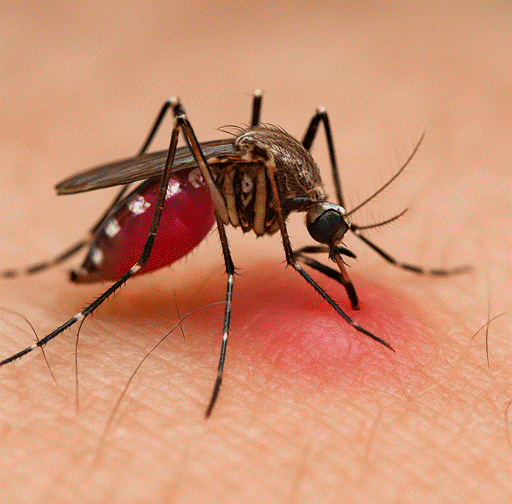
What is West Nile fever and how is it transmitted?
West Nile fever is a viral disease that originates in nature mainly in birds, which serve as the main host for the virus. Mosquitoes, especially of the genus Colchicum, feed on the blood of infected birds, and at a later stage can transmit the virus to humans through a bite. It is important to emphasize that the disease is not contagious between humans. However, rare cases of infection as a result of organ transplantation or blood donation have been described.
The appearance of an infected mosquito is no different from that of a normal mosquito, and there is no visible difference between a bite caused by a carrier mosquito and a “normal” bite. Because of this, there is no external way to tell if a person has been bitten by a mosquito carrying the virus.
Symptoms and complications – who is at risk?
In most cases (about 80%), the infection is not accompanied by any symptoms at all. About 20%-25% of patients will develop a mild fever-like illness similar to the flu, which includes fatigue, headache, joint pain, and sometimes a mild rash on the body and limbs, which disappears within about a week.
However, in about 1% of those infected, especially those aged 60 and over and those with weakened immune systems, the disease can develop into a severe form and cause serious neurological damage. In these cases, symptoms may include high fever, confusion, slowness of reaction, flaccid paralysis of the limbs, tremors, memory problems, and in severe cases, loss of consciousness. These damage can persist even after the disease subsides and in some cases cause irreversible damage and even death.
How is it diagnosed and what is the treatment?
In most cases, mild cases are not diagnosed and the disease resolves on its own. However, when there are severe symptoms and especially when there is suspicion of brain damage, medical evaluation is necessary, including a lumbar puncture (a test of spinal fluid) to detect antibodies to the virus, as well as PCR blood or urine tests to directly detect the virus.
Currently, there is no specific treatment for West Nile fever. In severe cases, medical support is provided, including administering fluids, maintaining an open airway, and treating symptoms. Clinical trials of various drugs are underway in Israel, but there is still no proven cure for the disease.
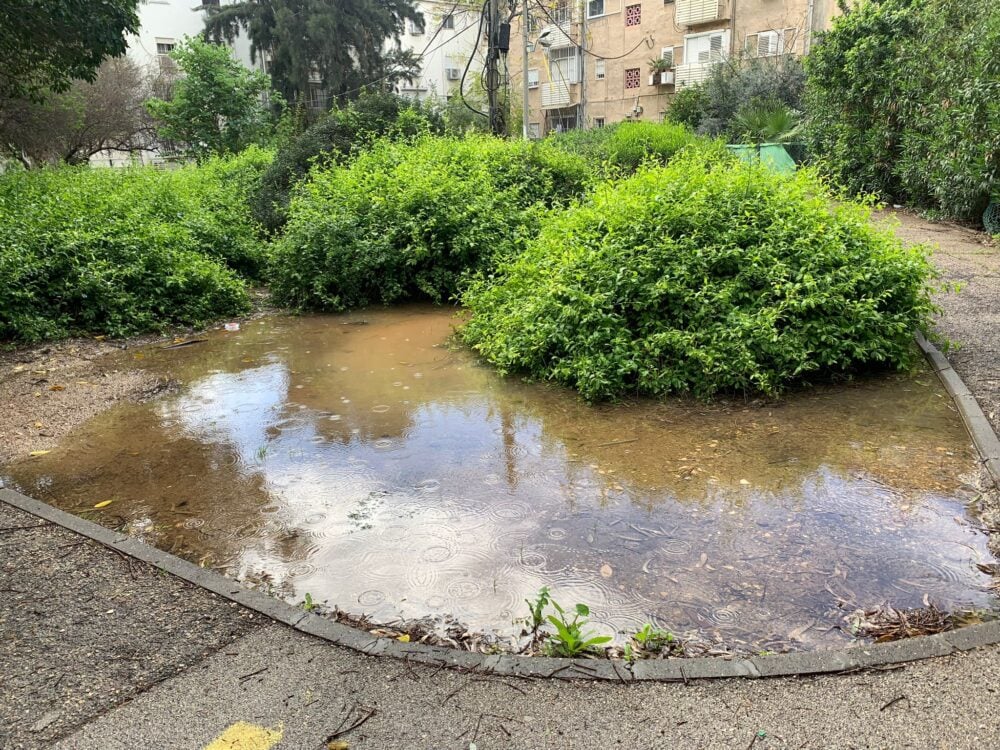
How can infection be avoided?
The main way to reduce the risk of infection is prevention – reducing exposure to mosquitoes:
- Drying and draining standing water sources in yards, flower pots, gutters, barrels and ponds.
- Using mosquito repellents, wearing long, light-colored clothing.
- Installing screens on windows and doors.
- By turning on fans in the house and on balconies, mosquitoes have difficulty flying in the wind.
- Report to the local authority's 106 hotline about standing water hazards or mosquito infestations.
It is important to note that in the summer and early fall between June and November, there is an increase in the detection of infected mosquitoes and human illness every year. In 2024, an unusual incidence of illness was recorded in Israel, and this year, 2025, this is the third capture since the beginning of the season. These data require vigilance on the part of both the authorities and the general public.
While West Nile fever is usually a mild disease, it can be dangerous in some cases. The additional capture of infected mosquitoes in Israel and the diagnosis of the first patient in 2025 require preventive measures to be taken now. Cooperation between the authorities and the public can significantly reduce the risk and save lives.