



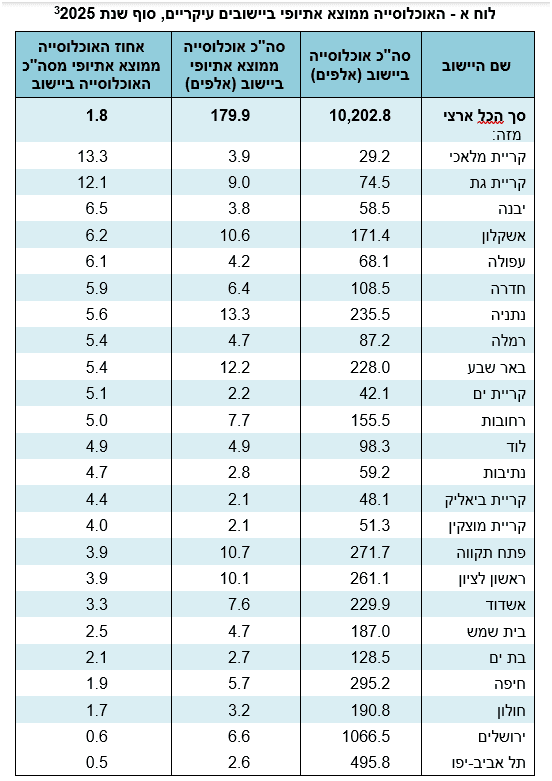
On Monday, November 9 2026The Ethiopian community in Israel will celebrate The holiday of the mosque – A holiday of spiritual renewal, reconciliation and love of humanity, expressing the longing for Jerusalem and the deep connection of Ethiopian Jews to Jewish tradition. Haifa is currently home to about 5,700 residents of Ethiopian origin, constituting about 1.9% of the city's population. The Haifa community is active in the fields of education, culture and society, preserving tradition while fully integrating into the life of the city.
General background – from the Great Aliyah to integration in Israel
The Ethiopian population in Israel currently numbers Approximately 179,900 residents, of which 93,100 Ethiopian-born and-86,700 native-born Israelis whose ancestors were born in Ethiopia. The two historic immigration operations – Operation Moshe (1984) andOperation Solomon (1991) – brought tens of thousands of Ethiopian Jews to Israel, crossing the deserts of Sudan under difficult conditions to fulfill their dream of immigrating to Jerusalem. Since then, the Ethiopian community has become an integral part of Israeli society, while maintaining its unique identity.
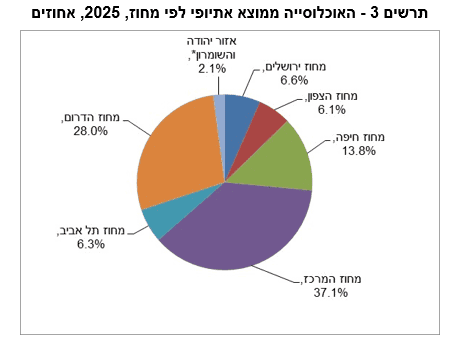
According to CBS data for 2025, 65% of the community members live in the central and southern districts, with the cities of Netanya, Ashkelon and Beer Sheva leading in the number of residents of Ethiopian origin. In Haifa, the community is relatively small, but is considered cohesive and has made a significant contribution to the city's cultural and social life.
Sigid Holiday Customs – A Day of Prayer, Fasting, and Renewal
The Sigid holiday is celebrated 50 days after Yom Kippurand is based on a verse from the Book of Nehemiah that describes the people gathering in Jerusalem for the reading of the Torah. In Ethiopian Jewish communities, the holiday includes Fasting, prayers, reading the Torah scrolls and giving thanks to God, next to Forgiveness and reconciliation ceremonies Among the community. In Israel, the holiday is now celebrated throughout the country with public ceremonies, festive prayers, cultural performances and lectures on the heritage of Ethiopian Jews. In Haifa, municipal events are held annually in collaboration with the Haifa Municipality, the Ministry of Culture and community centers, in which residents who are not members of the community also participate – an expression of the connection between cultures and mutual respect.
The Ethiopian Community in Israel – Notable Data
- Births: In 2025, born 3,902 babies For women of Ethiopian descent.
- Education: In the academic year 2015, they studied 35,000 students of Ethiopian origin, which is about 2.2% of all students in Hebrew education.
- Higher education: In 2015 they received 1,126 Ethiopians with an academic degree, an increase of 6.8% from the previous year.
- sport: 2,443 active athletes of Ethiopian origin are registered in Israel.
- Well-being: Approximately 26,200 Ethiopian-born people are registered with the Ministry of Social Affairs, alongside 21,000 native-born people whose ancestors were born in Ethiopia.
This data reflects a developing, educated, and integrated community that preserves its cultural identity while actively participating in all aspects of life in Israel.

Injera – the home flavor of Ethiopia
One of the most prominent symbols of the Sigd holiday is The injera, the traditional bread of Ethiopian Jews. It is a soft, flat bread with a spongy texture and a slightly sour taste, which serves as the basis of every Ethiopian meal. It is made from teff flour – an ancient grain rich in iron, calcium and protein.
Homemade recipe for injira:
Ingredients:
- 2 cups teff flour
- 2 cups of water
- Pinch of salt
- A little oil for frying
Preparation:
- Mix the flour and water until you get a thin batter.
- Leave the mixture covered at room temperature for 24 hours for natural fermentation.
- Heat a non-stick pan, pour a ladle of the batter and cook on one side only until the top dries and small holes appear.
- Serve hot with lentil dishes, vegetables, or traditional spicy sauce.
Injera is much more than food, it is a symbol of community, of sharing, and of connection between generations. Like the Sigd holiday itself, it expresses the values of unity, faith, and hope for a better future.
In Haifa, the Sigd holiday is not just a community holiday – it is a holiday that connects cultures and reminds us of the power of light even on rainy days.