


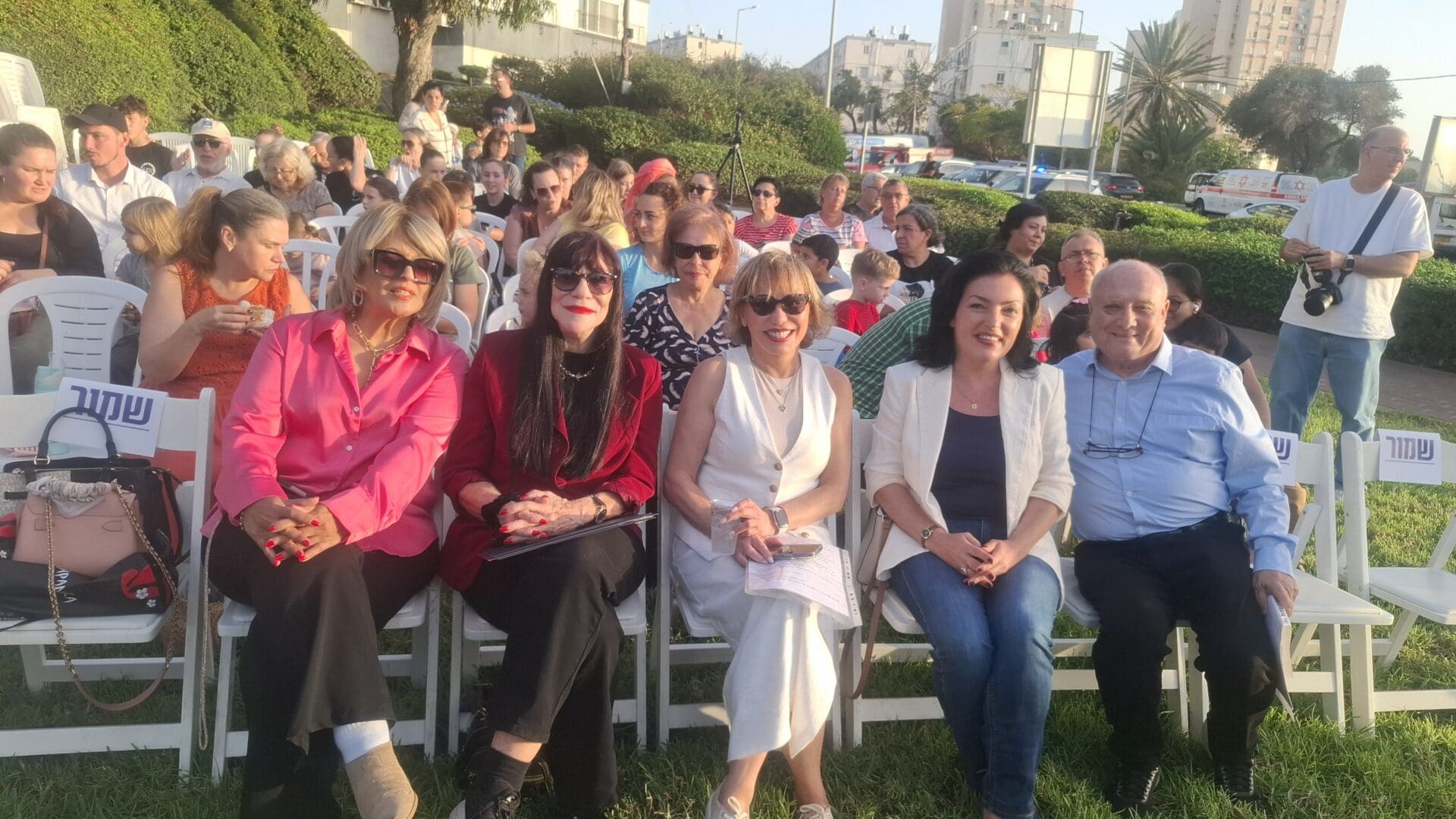
(haipo) A ceremony to commemorate the 25th anniversary of the Twin Towers disaster in the United States was held last Thursday, 10/15/26, at the Alex Barginsky Garden on Hagana Boulevard in Haifa. Alongside the remembrance of the victims, the event focused on the message of choosing life, growth from pain, and faith in a better future.
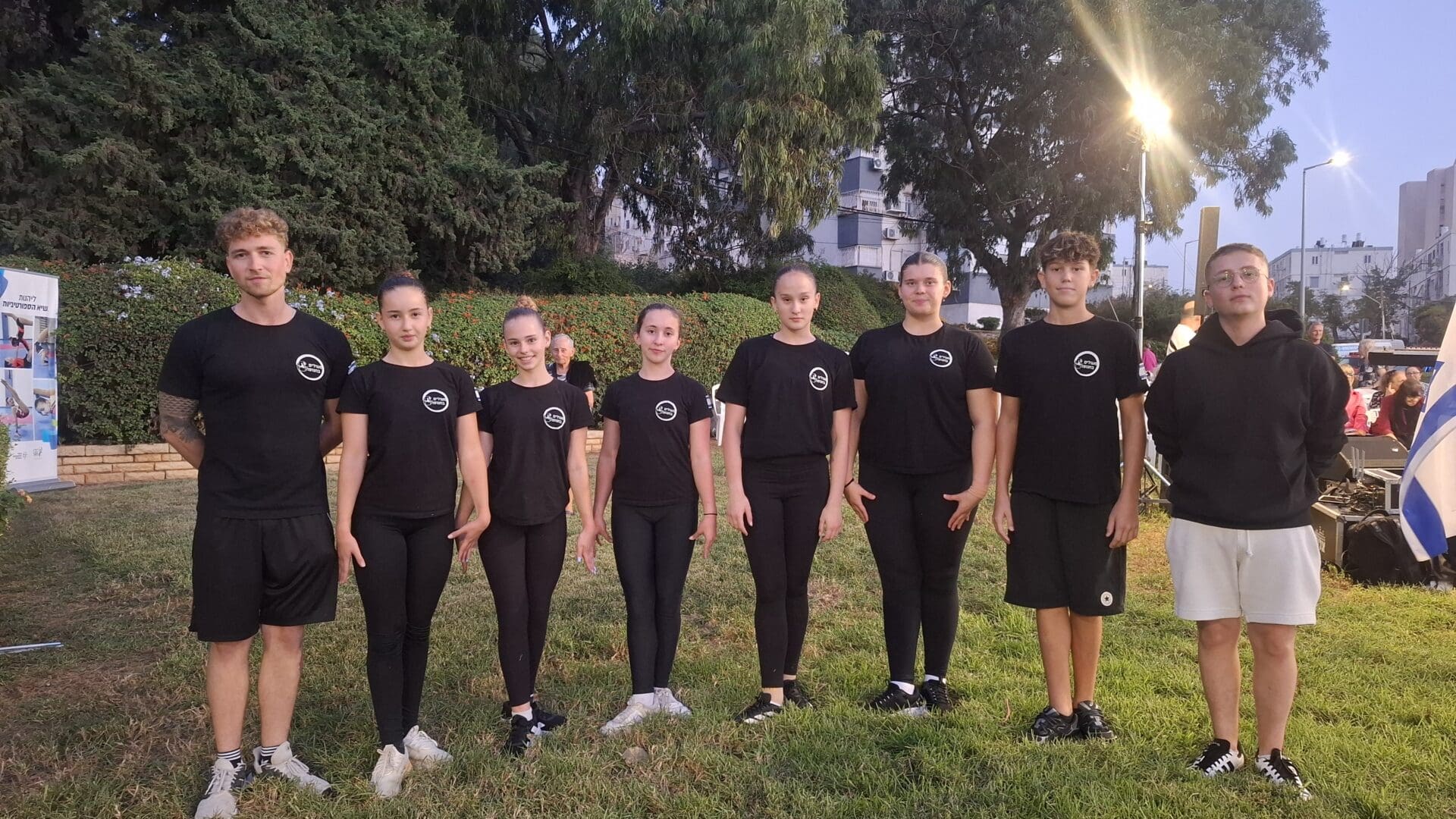
Children, families and residents took part in an exciting event that combined commemoration and hope, and included spectacular sports performances by gymnasts from the "Meoli Be Tnufa" sports club, alongside games, inflatables and refreshment stands for children and adults. Thus, the ceremony became a community gathering of remembrance, joy and continuity, which illustrated that even in the midst of loss and pain, one can choose life and look forward with hope.
Alex Barginsky Garden, located on HaHagana Boulevard, at the corner of France Road in Haifa, became a meeting place of memory, community and hope last Thursday (10/15/26). At a ceremony marking the 25th anniversary of the terrorist disaster of September 11, 2001, residents, children, fire and police representatives and other guests gathered to remember the victims and honor their legacy, but also to remind them that life goes on and that from loss, meaning, joy and hope can grow.
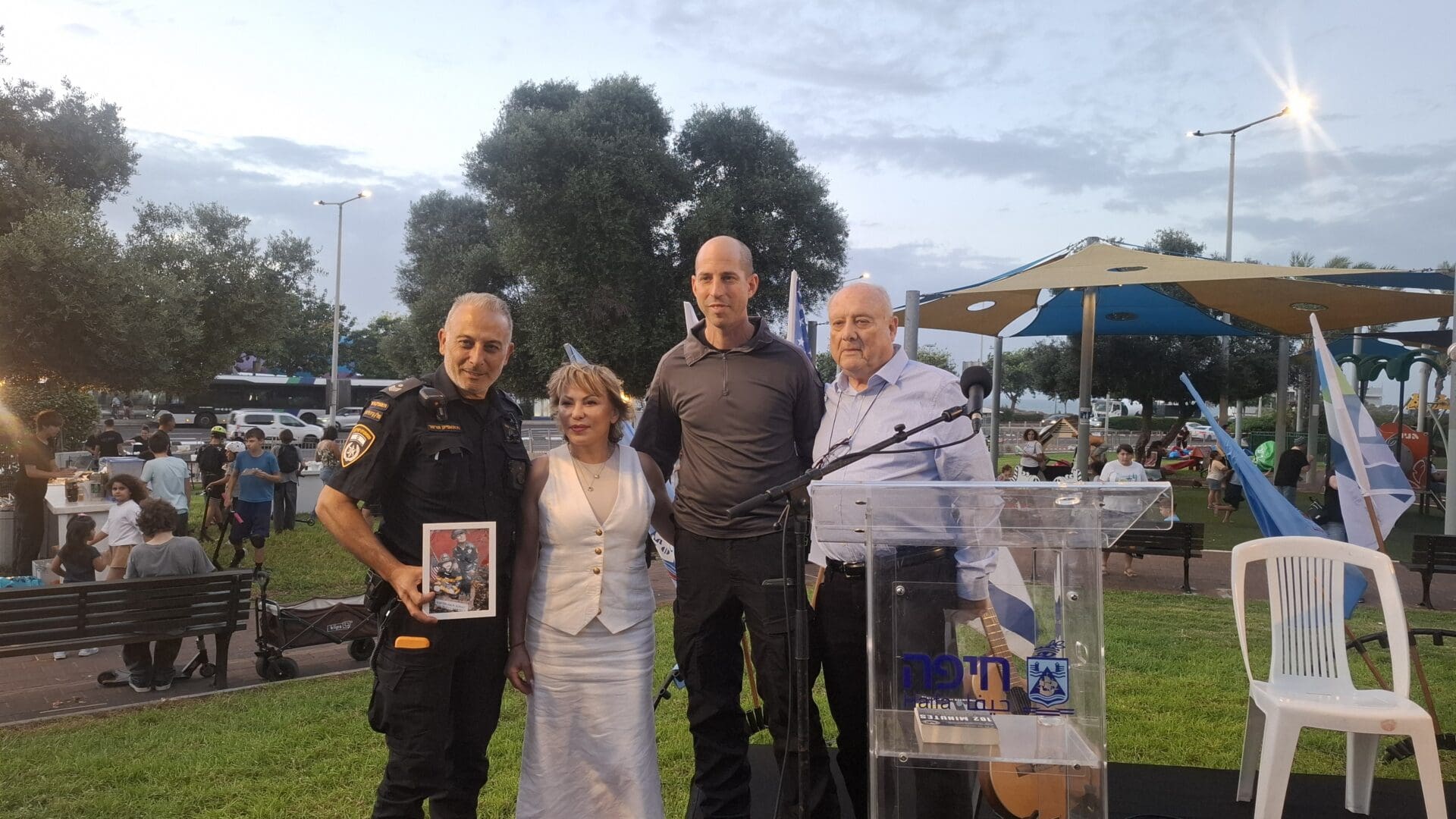
The ceremony was organized by Dina Leader, who continued a tradition of commemoration and community activity out of deep personal commitment. The event was attended, among others, by Danny Neuman, former CEO of the Haifa Foundation, Bracha Sela, Tatiana John and community representatives. Alongside the words of remembrance and congratulations, gymnasts from the "Meoli Bet Tnufa" sports club performed, guided by coaches Malka Mirin and Dan Shor, and presented spectacular performances that added a spirit of energy, vitality and joy of life to the event.
A life story that became a legacy
Behind the well-kept garden, which now serves as a meeting place for residents, families and children, stands the story of Alex Barginsky, a young man born in Odessa in the former Soviet Union, who emigrated to the United States and built his professional life there. He worked in New York as a product manager and systems engineer at Reuters and perished at the age of 38 in the Twin Towers disaster on September 11, 2001, while working in the North Tower.
His mother, the late Nili Barginsky, chose to commemorate his memory in a way that would give life and meaning to the place where he will be remembered. About 22 years ago, she contributed to the establishment of the garden in Haifa, in cooperation with the municipality, and made her son's memory an inseparable part of the city's public space. The garden is intended to be not only a memorial site, but also a place for relaxation, play and meeting, overlooking the sea and serving the residents of the area every day.
Danny Neumann, who served as CEO of the Haifa Foundation During the disaster and being a partner in establishing the garden, he spoke about the background to its establishment: "We established this beautiful garden in memory of one of the victims of September 11, a young man named Alex Barginsky." According to him, the idea of establishing a garden that would combine commemoration with life and joy was part of the vision that accompanied the place. The choice of a public garden, where children play and families meet, gives the memory daily meaning and allows Alex's story to continue to live on among future generations.
"This ceremony reminds us of life after sadness and pain"
For Dina Leader, the ceremony organizer, The event is much more than a memorial service. Lider, a Ukrainian-born immigrant to the United States, and her late husband have spent their lives over the years connecting with the families of the victims of the disaster, both Russian and Ukrainian. They have accompanied families, hosted them for holiday meals, organized memorial gatherings, and helped with dealing with bureaucratic difficulties. Thus, the commemoration has transformed from a one-time act into an ongoing human commitment.
After the passing of Nili Barginsky, Lider wanted to continue her path and preserve the tradition started by Alex's mother. The ceremony in Haifa was intended to mark a quarter of a century since the disaster, but also to convey a message to the younger generation: one can remember the pain without giving up the joy, and one can continue to live, create, and build a future even after a difficult tragedy.
"This ceremony doesn't remind us of sadness, it reminds us of life after sadness and pain," said Leader. "It represents life and the ability to continue even after 25 years. Life and continuity are all the beauty that can be extracted and produced from sadness."
Lider also explained why the ceremony was held in October and not in September, near the date of the disaster. She said that the Tishrei holidays and the ceremonies held in early October in memory of the victims of October 7 affected the timing of the event, and it was necessary to find a suitable time that would allow the public to participate.
Neumann added that the Tishrei holidays did not allow for the ceremony to be held at an earlier date, and that the date chosen was the most appropriate in terms of the possibility of holding the event. He emphasized that the decision to combine remembrance with joy also stemmed from the request of Lider, who was the driving force behind the initiative.
"The idea was to blend memory with joy," Neumann explained. "This place is meant to be a place of joy and a future, for the children and the next generation to enjoy. Despite the sadness and tragedy, we move forward and always hope for a brighter future."
A garden that is part of community life
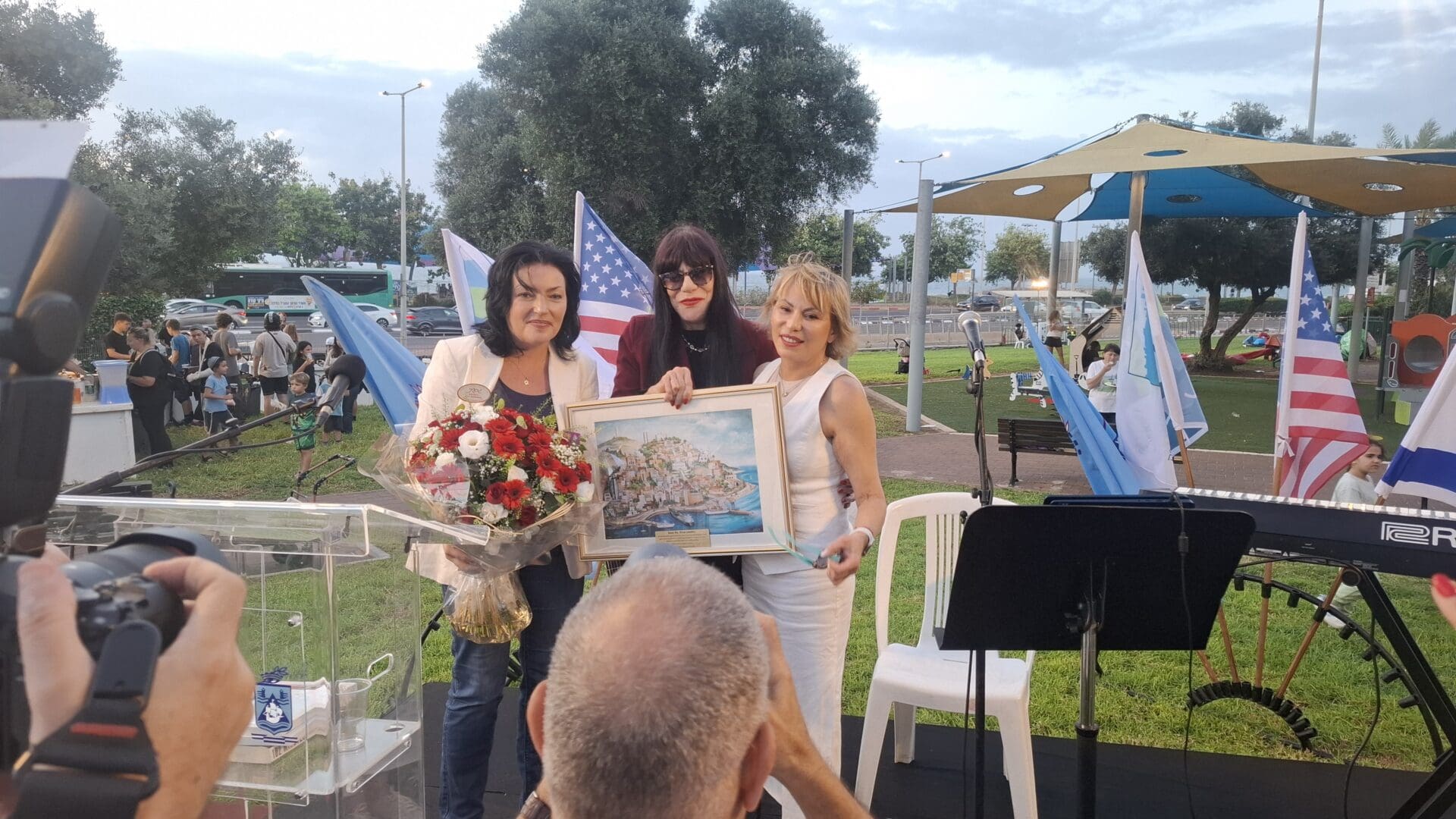
Bracha Sela, Senior Assistant to the Municipality's CEO and responsible for diplomatic relations and external and internal relations, addressed the importance of the garden and its place in the story of Alex Barginsky's commemoration. According to her, the connection between Odessa and Haifa, two twin cities, was part of the life story of Alex, who visited Haifa and later traveled to the United States, where he died in a disaster.
Sela noted that Alex's mother chose to commemorate him in Haifa, by establishing a garden that would become a living, breathing place. Today, the garden serves as a relaxation area, a play area for children, and a meeting place for residents. Families visit it every day, children play there, and community events are held there, thus fulfilling the wish that memory be a part of life itself.
According to her, the choice to mark 25 years of the disaster under the title "Choosing Life" expresses the spirit of the place: a space where, alongside the memory of a person who lost his life, life continues in full force.
Eti Sabag, Director of the Fannie Kaplan Community Center, She emphasized the importance of community cooperation that made the event possible. The center provides neighborhood residents with a solution in the areas of culture, events, activities and meetings, and was prepared to host the ceremony in the event of rainy weather.
"We all came here because we chose life, just like the family chose," said Sabag. She added that the garden is of special importance to the community because it serves as a significant meeting place, where birthdays are celebrated, residents meet and children enjoy the open space. Its location at a central intersection makes it an integral part of neighborhood life.
"It is important to remember and remind"
Tatiana John, Haifa City Council Member She thanked the donors for their important contribution to Haifa and emphasized the importance of holding the ceremony in the Sprinzak neighborhood. In her remarks, she emphasized the need to continue to remember and commemorate the victims of the disaster, and the bond between Israel and the United States, which, she said, grows stronger both in difficult times and in moments of joy.
"It is important to remember and remind," said John, adding that precisely in the face of those who seek to harm and destroy, memory and partnership strengthen the bonds between peoples. She concluded her remarks with a message of hope and solidarity: "May the memory of those who perished be blessed. May God bless the United States and the people of Israel live."
From pain to hope, the memory that lives on
The ceremony at Alex Barginsky Park was more than a memorial to mark the 25th anniversary of one of the most difficult events in American history. It was a meeting between past and present, between loss and hope, and between personal memory and a broader community story. In the place where a garden was established in memory of a young man whose life was cut short by the disaster, children continue to play, families to meet, and residents to connect.
The performances by "excellent in motion" gymnasts, the words of the participants, and the community gathering illustrated the message that the organizers of the ceremony wanted to convey: memory does not have to remain just a place of pain. It can become a force that connects people, gives meaning to life, and encourages future generations to look forward.
25 years after the twin disasters, the garden in Haifa continues to fulfill its mission of commemorating those who are no longer with us, while at the same time providing a place for life that continues. Because even in the midst of the greatest pain, the choice of life is the legacy that remains.