


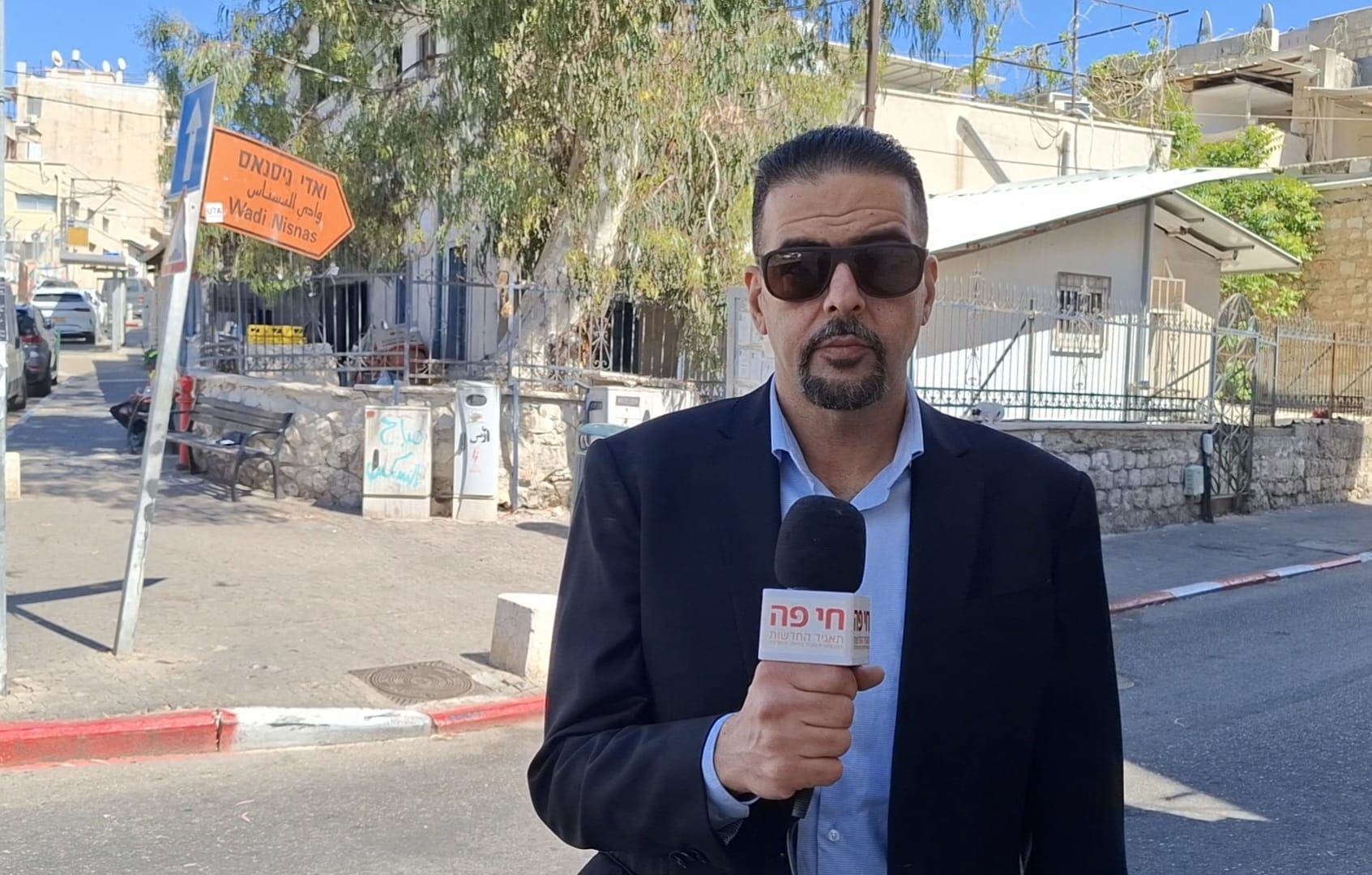
(haipo) In preparation for the upcoming national elections, the "Hai Fe" team is examining what the Knesset parties have done for the residents of Haifa and the surrounding area in order to know whether to vote for them in the next term.
The third article in the series is dedicated to examining the contribution of the Hadash party in the Knesset to Haifa. We spoke with their local representative, Raja Zaatara, chairman of the faction in Haifa and a member of the city council.
Haifa City Council member and Hadash faction chairman, Raja Zaatara, Reviews the faction's achievements in the city during the term
Za'atar Emphasizes the actions taken to promote equality for the Arab population in the fields of education, culture, infrastructure and construction, and the connection between the local faction and the national party as a lever for obtaining resources and budgets for the benefit of Haifa residents.
Director of Equality and Camps in Arab Schools
One of the key achievements that Zaatara points to is the establishment of "Director of Equality" A project that the faction demanded for at least three terms and was implemented in the current term. Through this project, the faction succeeded in bringing subsidized summer camps to all Arab schools in Haifa for the first time, including recognized, unofficial schools such as church schools.
According to Zaatra, until this change, parents had to pay about 2,000 to 2,500 shekels for camp per child, and the achievement saved hundreds of families hundreds of thousands and perhaps millions of shekels each summer. Zaatra describes this as a fundamental step towards reducing gaps and assisting young couples in Arab society.
Infrastructure development, sports and construction planning in Arab neighborhoods
The Hadash faction worked to promote development and infrastructure projects throughout the Arab and mixed neighborhoods in Haifa. Among the achievements was the renovation of a sorority school, the paving of roads, the construction of synthetic sports fields in Wadi Nisnas and other neighborhoods, and the improvement of sports facilities.
In the field of planning and construction, an area that Za'atara defines as one of the most important for the Arab population, outline plans for Wadi Nisnas, for the Abbas neighborhood through the Ministry of Housing, and a plan for the Halisa neighborhood that includes solutions for transportation and accessibility have been promoted. Za'atara emphasizes that these are plans that must reach final approval in the institutions and the plenum, and that they constitute a response to the historical needs of Arab residents in a mixed city.
Culture, representation and strengthening of Arab society
In the field of culture, Za'atara emphasizes that Hadash worked to increase budgets for theater, Arab cultural associations, and to continue cultural and sports activities even during the war, including the Holiday Festival. The faction manages the Beit HaGefen Authority and is represented in various corporations and committees, including the management of Athos.
Zaatra also notes the struggle to protect freedom of expression, as expressed in the refusal to pressure to cancel a performance by Hanoch Levin at Beit HaGefen, and the intervention on behalf of the "Woman to Woman" association when they wanted to take away its property. The faction also pushed for increased support for women's organizations and gender equality and for the integration of cultural activities in schools.
The connection to the national party and the upcoming elections
Zaatara explains that the local faction benefits from the connection to the national party on a practical level as well. For example, the MK from the Joint List helped promote the renovation of the minaret of the Al Jarina Mosque in Haifa with the Ministry of Interior. In addition, the connection to the Hadash faction in the Histadrut helps with issues of workers' rights.
Regarding the upcoming elections, Zaatara expresses his expectation of a high voter turnout of over 60% among the Arab public, and hopes for a joint list or at least two lists linked by a surplus agreement to maximize the electoral potential. He emphasizes that the path to obtaining rights and budgets is through an honorable struggle, noting, for example, that Plan 922 for the development of Arab society was achieved during the Joint List period without the Arab parties being part of the coalition.
Did the article interest you?
You are welcome to leave. We won't be sorry.
In the past two years, the municipality has transformed HaHorsha Street into a recycling area, and a smoking area for the elderly and disabled.
The municipality did nothing in Haifa!!! Except for thoroughly destroying Dafna Street, Horsha Street, and all of President Boulevard from 70-27 by approving the opening of hostels and housing for shelters from all kinds of associations.
I live in Kiryat Shmuel. I'm thinking of voting on the Hadash list, hopefully for mayor.
It seems that the blindness among the general public stems from the fact that in the past they voted with mediocre percentages for the Knesset.
If their voter turnout was 100% and everyone was for the Joint, they would probably be the largest party with about 25 seats (21% of the population), and then the discussion would be who they would include in their government.
Sounds like an illogical scenario, but it's the reality and the numbers.