


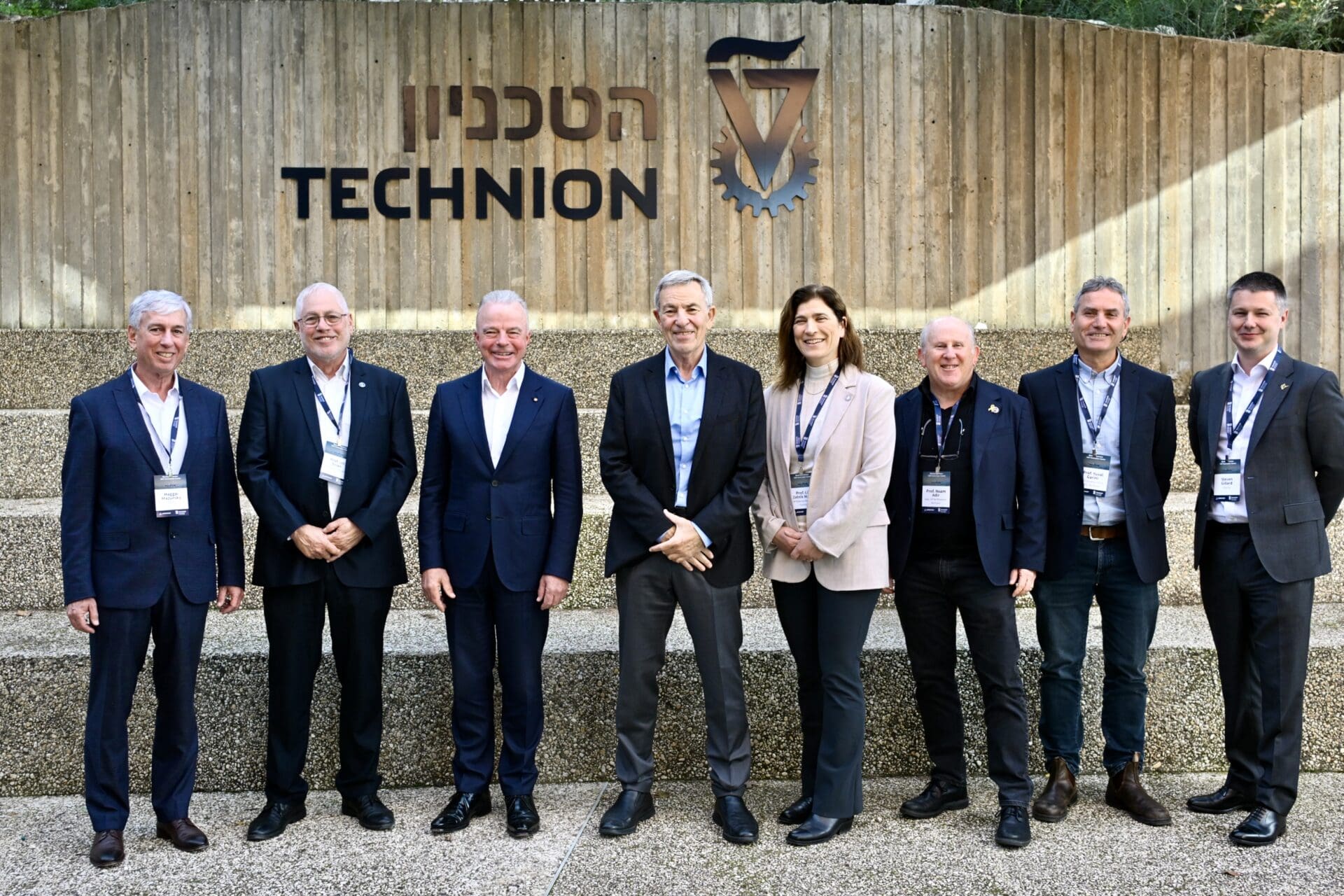
(haipo) – A strategic collaboration between aviation giant Boeing and the Technion reaches a significant milestone: After completing the feasibility study phase, the parties announced a move to the applied development phase of Sustainable Jet Fuel (SAF). The move is expected to strengthen Israeli innovation, energy security, and the future of civil aviation, in Israel and around the world.
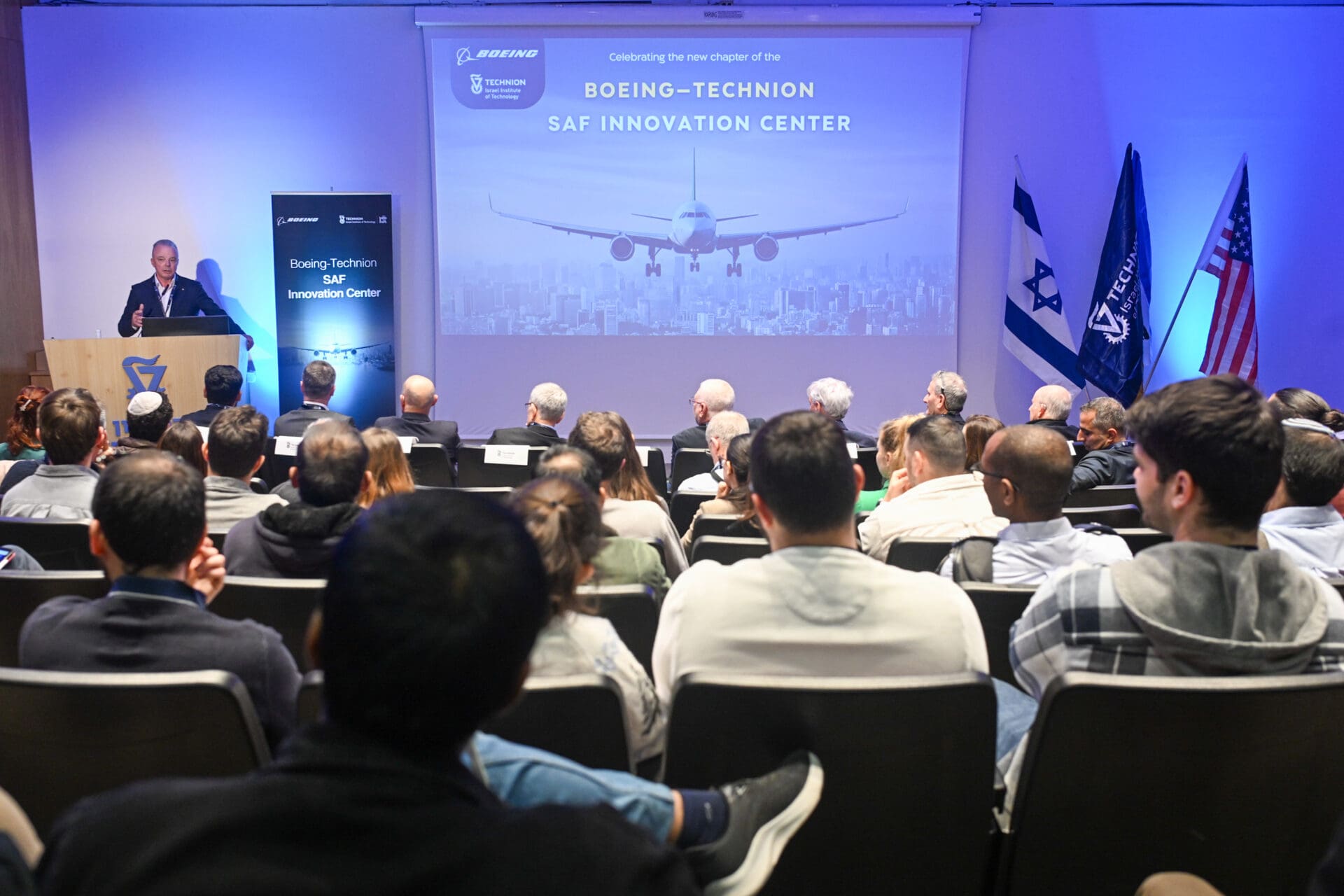
Boeing Global President's Visit to the Technion: Announcement of the Development Phase
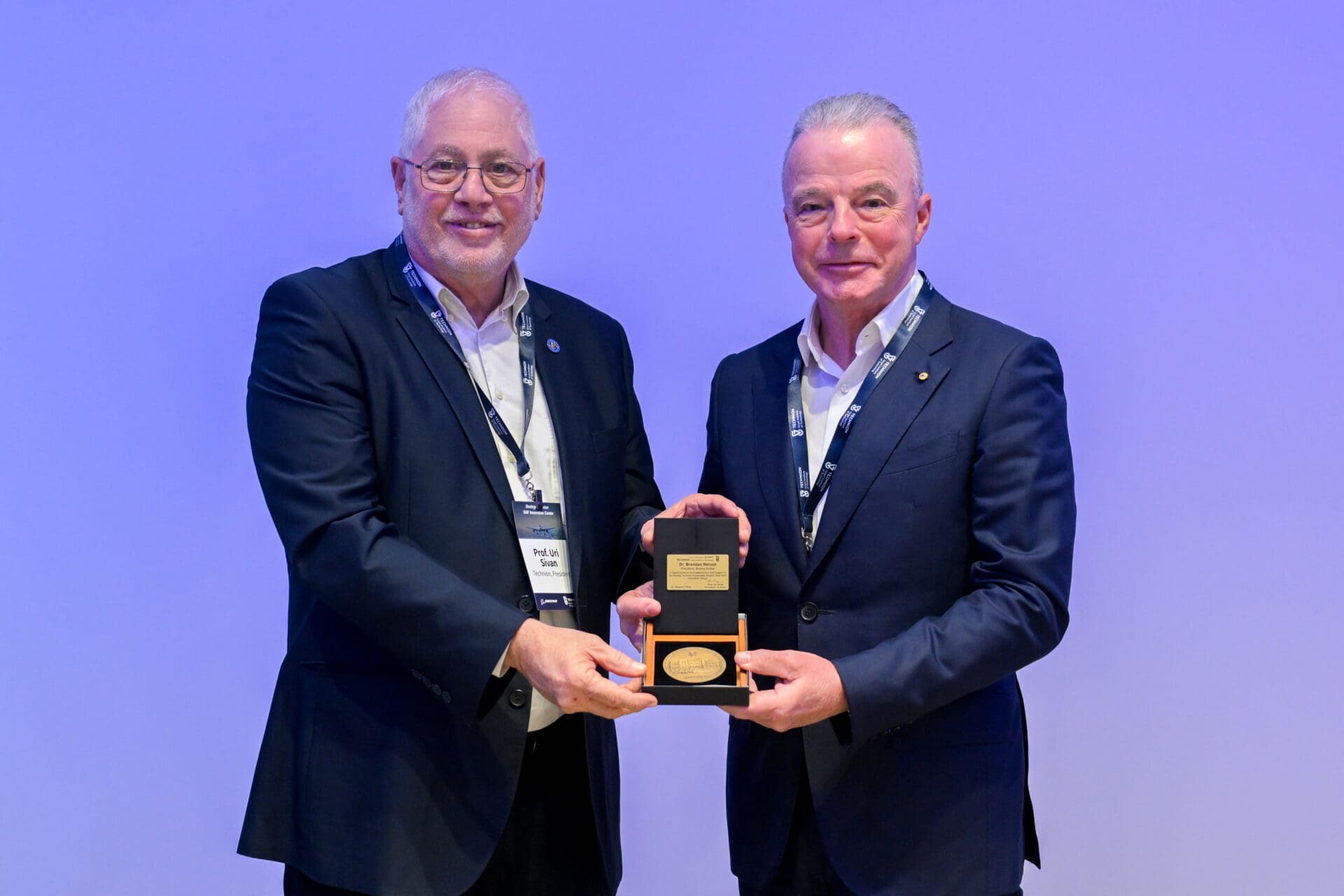
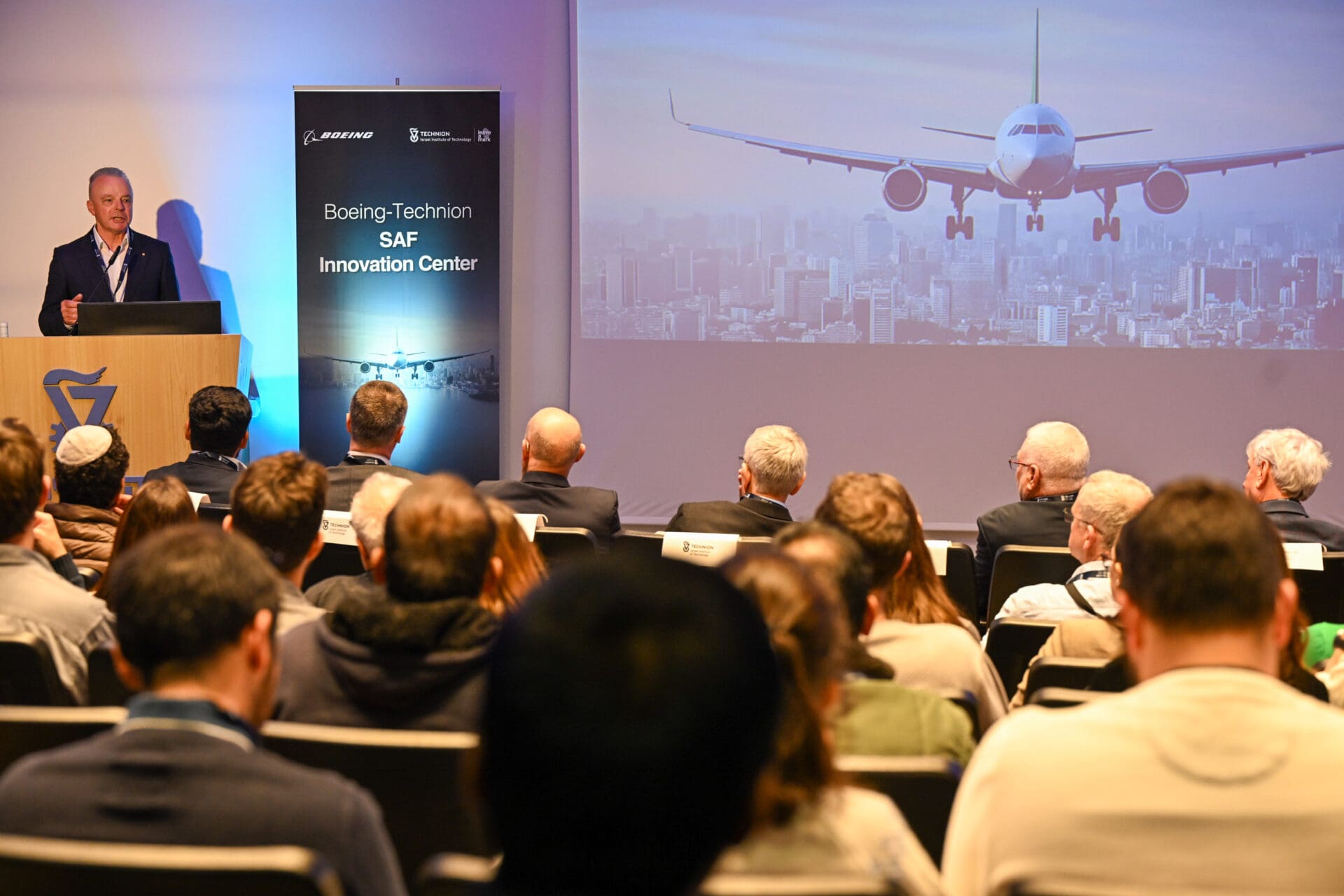
On January 27, 2026, Dr. Brandon Nelson, President of Boeing Global, visited the Technion to launch the next phase of the activity. The Boeing-Technion SAF Innovation Center – The joint Boeing-Technion innovation center for the development of sustainable jet fuel. The visit marked the transition from the research and feasibility phase to the practical phase: applied development of SAF and preparation of the process for competitive commercial production.
From a research center to an industrial solution
The partnership between Boeing and the Technion was launched in 2023 with the goal of developing a sustainable jet fuel based on green hydrogen and carbon dioxide. According to the partners, the long-term growth of the global aviation industry is conditional on a transition to clean fuels that will enable a significant reduction in emissions, while maintaining economic viability. Now, with the completion of the proof-of-concept phase, the development of the process has begun at a scale that will enable commercial production.
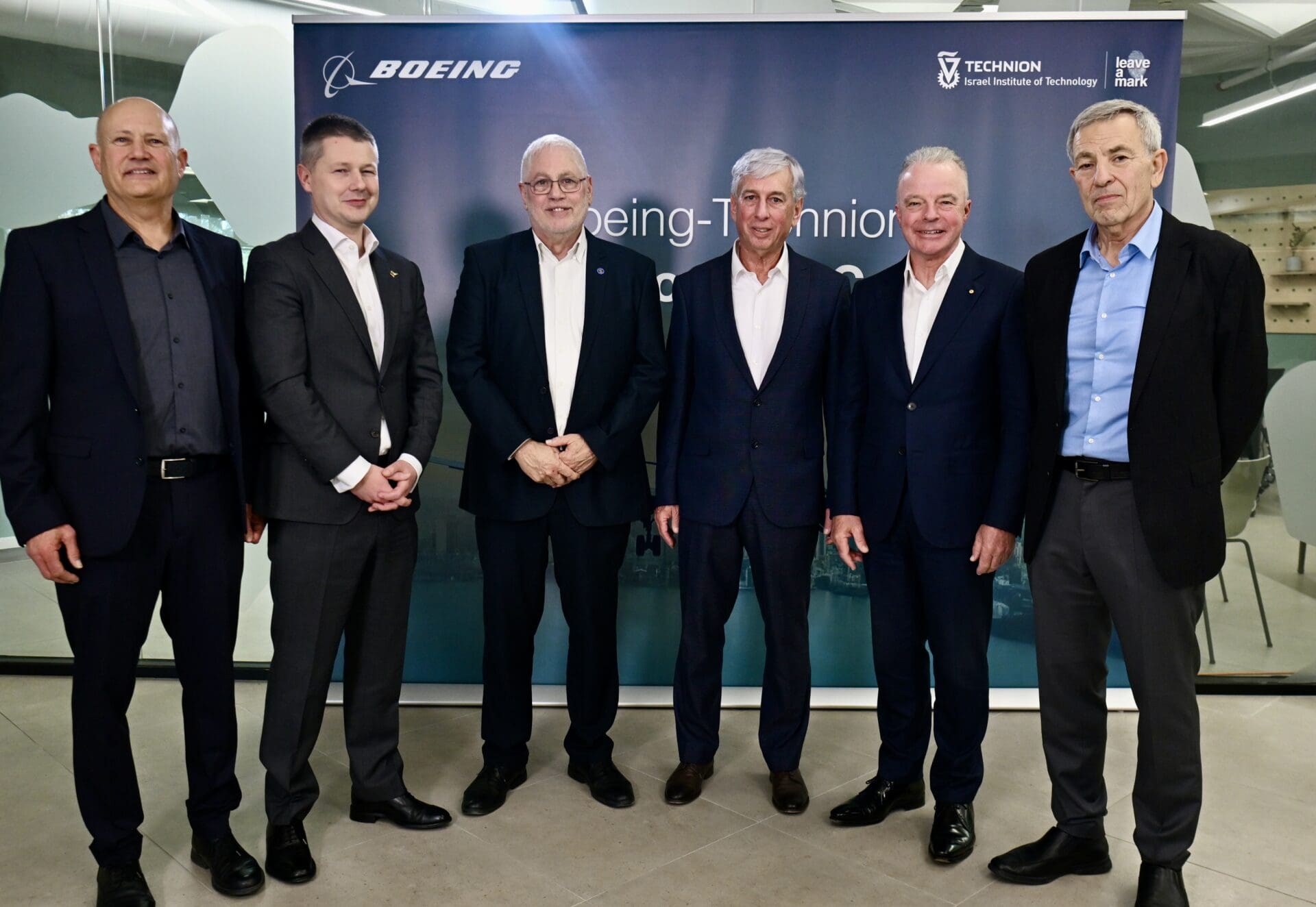
A senior delegation from Boeing meets with the Technion management
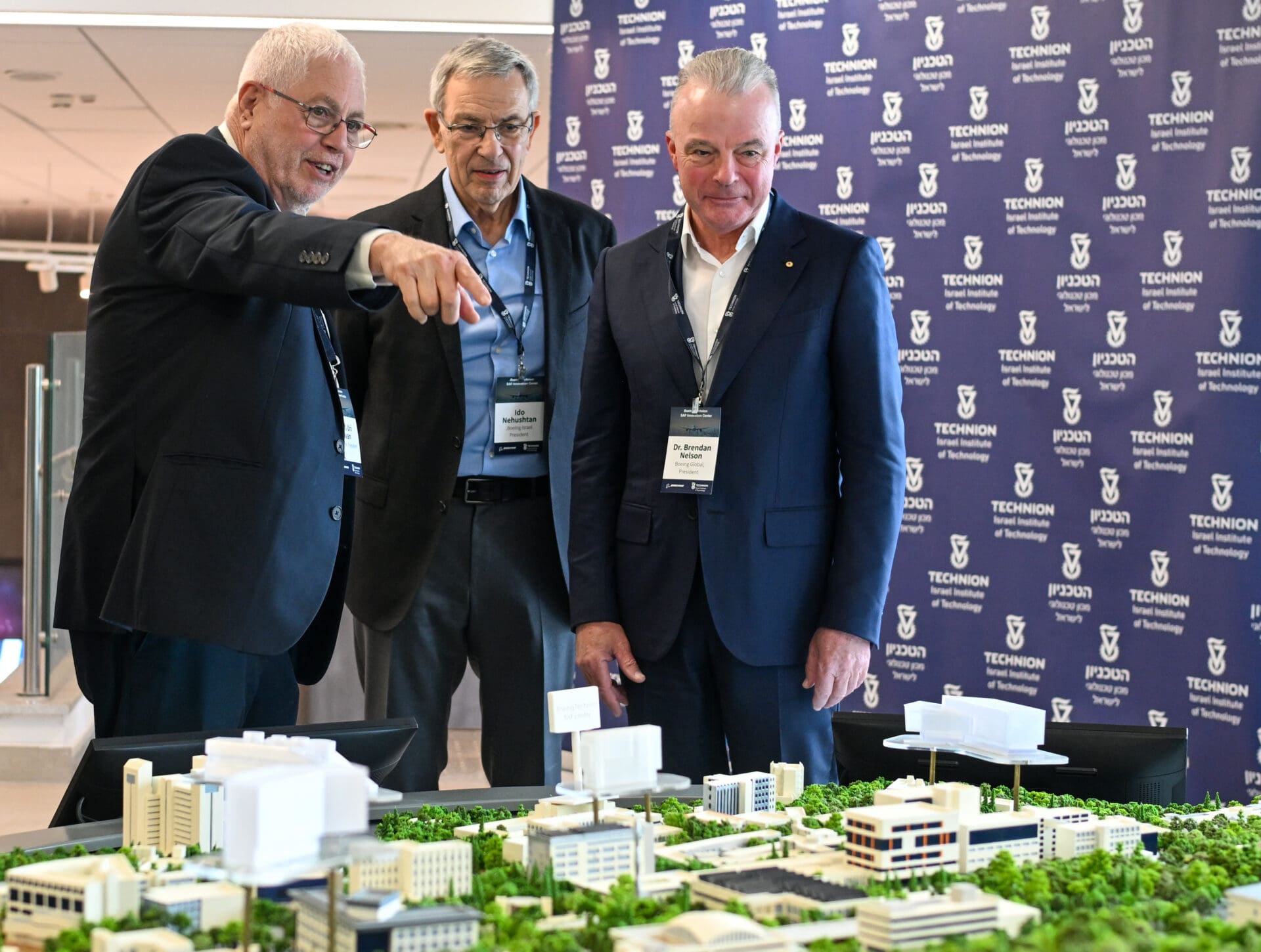
The visit was also attended by Boeing Israel President, Maj. Gen. (Res.) Ido Nehushtan, and Boeing SAF Project Manager, Hagai Mazursky. The Boeing delegation was received by Technion President Prof. Uri Sivan, Vice President for Research Prof. Noam Adir, Vice President for Innovation and Industrial Relations Prof. Yuval Graini, and Center Head Prof. Gidi Gerder from the Wolfson Faculty of Chemical Engineering.
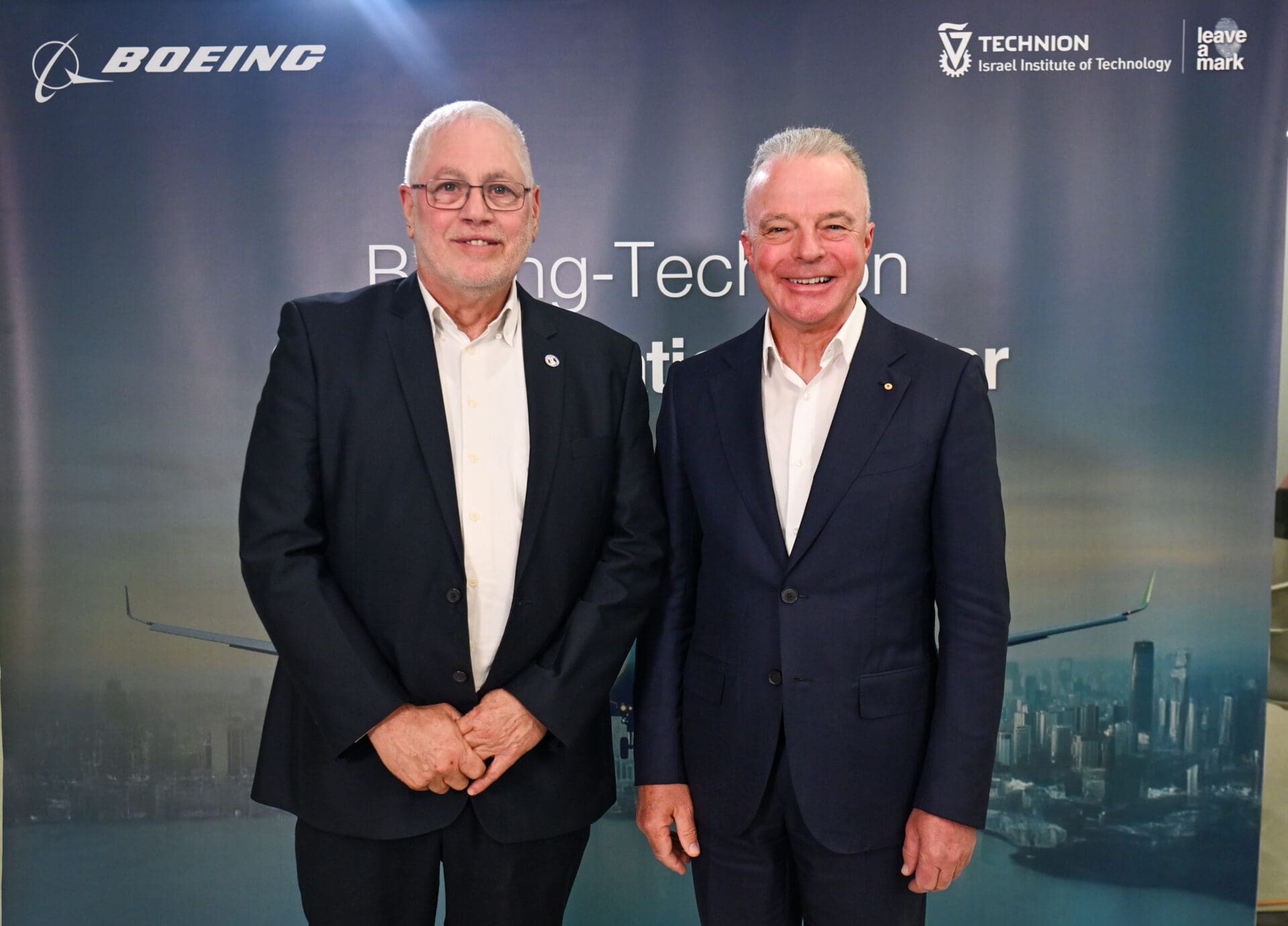
Boeing: Energy Security and Economic Growth
Dr. Nelson, who previously served as a member of the Australian Parliament and Minister for Defence, Education and Science, During his visit, he emphasized Boeing’s commitment to sustainability: “Beyond delivering high-quality, fuel-efficient airplanes, Boeing is working to strengthen energy security, support the growth of civil aviation, and create new economic opportunities through sustainable jet fuel. We are pleased to collaborate with the Technion and our partners in Israel and together advance the future of aviation and space.”
The Technion: Collaboration of National Importance
The president of the Technion, Prof. Uri Sion, He defined the move as a national milestone: “This is a historic collaboration of importance to the State of Israel. The partnership with Boeing is an expression of trust in the Technion, its researchers, and its capabilities. We are committed to the mission of developing technologies for the production of clean, sustainable fuels – for the benefit of the aviation world, human health, and the environment.”
Long-standing ties between Boeing and Israel
President of Boeing Israel, Maj. Gen. (Res.) Ido Nehushtan, mentioned the depth of the connection between Boeing and Israel: “Boeing was active in Israel even before the establishment of the state, and is a major supplier to El Al and the Air Force. Israeli industries are currently integrated into Boeing products around the world. The collaboration with the Technion will pave the way for the integration of advanced Israeli technologies into future generations of aerospace systems.”
A National Ecosystem for Sustainable Fuels
The initiative was launched by Boeing and combines partners from academia, industry and government. The Israeli government has allocated financial support to accelerate the SAF industry, including through the iSAF research consortium of the Ministry of Innovation, Science and Technology and the SAF-IL program of the Innovation Authority for Israeli startups in the field.
Multidisciplinary research and unique experimental infrastructure
The Innovation Center, led by Prof. Gidi Gerder, is staffed by 11 faculty members and dozens of research students from five different faculties at the Technion. The research deals with the production of aviation fuels, catalytic processes, safety, the full product life cycle, and the establishment of an experimental facility for testing fuels, which will be the second of its kind in the world.
Innovation even in the shadow of crisis
The partnership announcement was planned for October 2023, but despite the events of October 7 and the war that followed, it was decided to continue the work. Dr. Nelson summed it up this way: “This is a project of resilience and innovation. I have said before, and if there is any country that can lead a solution to the challenge of civil aviation emissions, it is Israel, led by the Technion.”
Did the article interest you?