


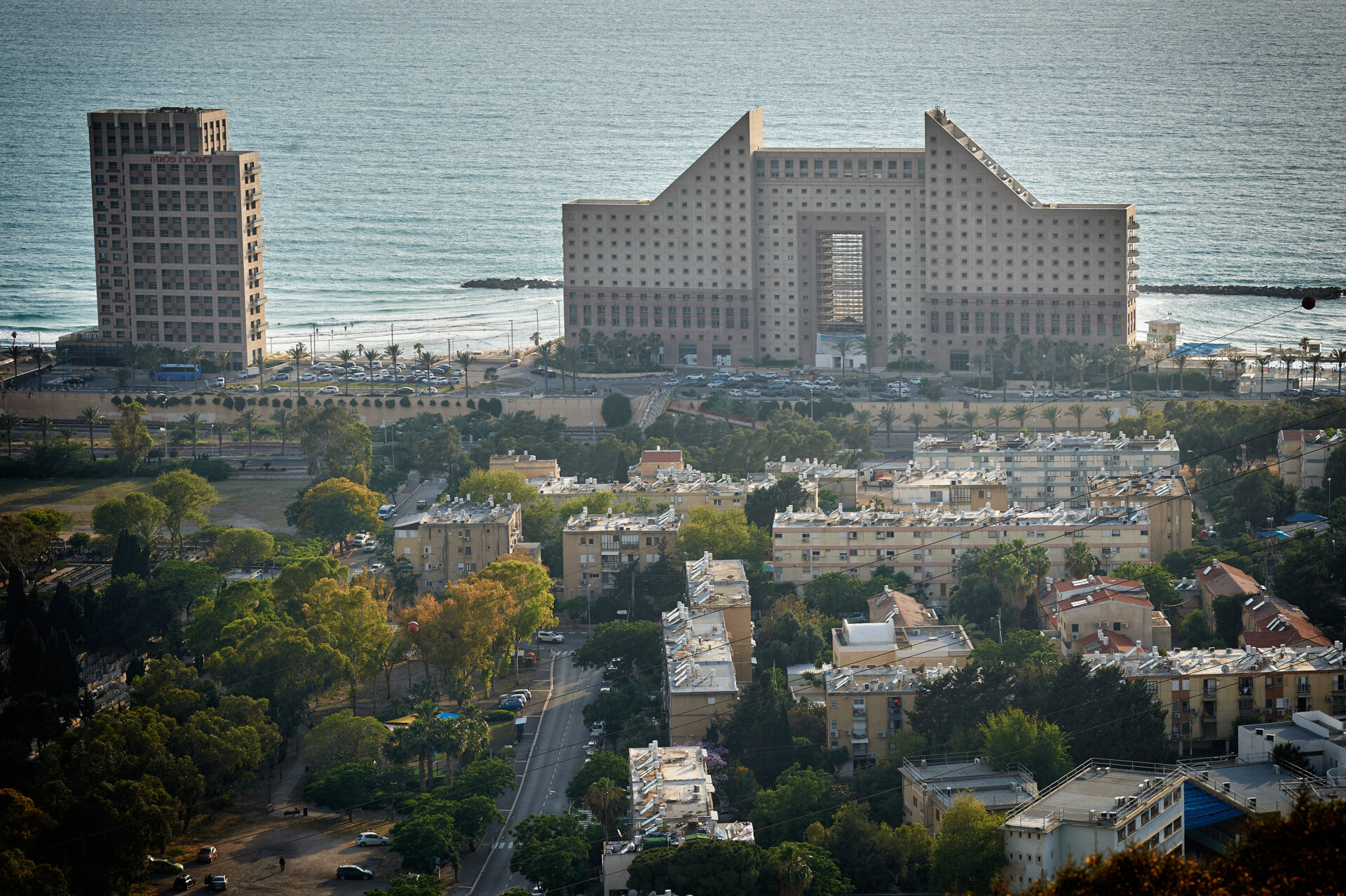
(haipo) The year 2025 continues to shake up the hotel industry in Haifa. Against the backdrop of the repercussions of the "Iron Swords" War, the evacuation of the population from the north, and sharp fluctuations in demand from Israelis and tourists, the city's hotels are experiencing a significant decrease in occupancy compared to last year. Data from the Central Bureau of Statistics published yesterday (Monday, 11/25/26) paint a complex picture. Haifa is recording a large decrease, but compared to the other northern districts, the city still stands out for its relative stability.
Between January and October 2025, 17.8 million hotel nights were recorded in Israel, a significantly lower number than the corresponding period in 2024, when the figure was 19.4 million nights. This decline continues the trend that has been created since the outbreak of the "Iron Swords" war in October 2023, which led to dramatic changes in the hotel industry. Of the total nights this year, 15.3 million were by Israelis, constituting 86% of the total nights, another 2.5 million nights were recorded by tourists, which is only 14%, but compared to last year, still indicates a certain increase.
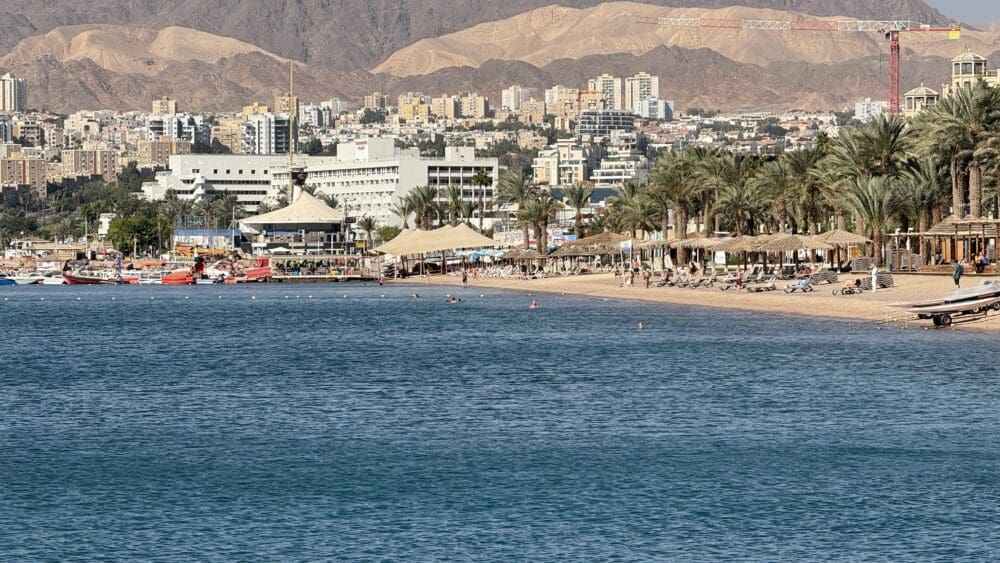
Large gaps between districts
The national average occupancy rate in hotels in the period January-October 2025 was 53%, a significant decrease compared to 62% the previous year. When examining the data by district, clear gaps emerge: the Southern District leads with an impressive occupancy rate of 69%, while the Central District stabilizes at 56.5%. On the other hand, Jerusalem is at the bottom of the list with only 38.8%. Haifa, which enjoyed an exceptionally high occupancy rate last year, recorded occupancy rates of 53.3% this year, close to the national average but significantly lower than the 2024 figures.

Haifa in 2025: Dramatic decline compared to last year
The prolonged accommodation of evacuees in hotels, mainly in the north and south, as part of the government plan, directly affected the overnight stay figures of Israelis, which gradually increased in some months, but did not reflect regular holiday tourism. Amid this complex reality, Haifa is showing a notable decline compared to the previous year: According to CBS data, hotel occupancy in the city stood at 53.3% between January and October 2025, compared to 71.2% in the corresponding period in 2024, a significant drop that illustrates the damage to the industry.
Despite the decline, Haifa is still above the national average and above the data for the Northern District, but far from leading destinations such as Eilat and the South, which managed to maintain high occupancy. Examining the monthly data, the low points in March and June 2025, which were directly affected by the closure of airspace during Operation "With a Dog," stand out in particular. In March, for example, occupancy in the city dropped to only 40.1%, and only as the summer progressed was there a relative recovery.
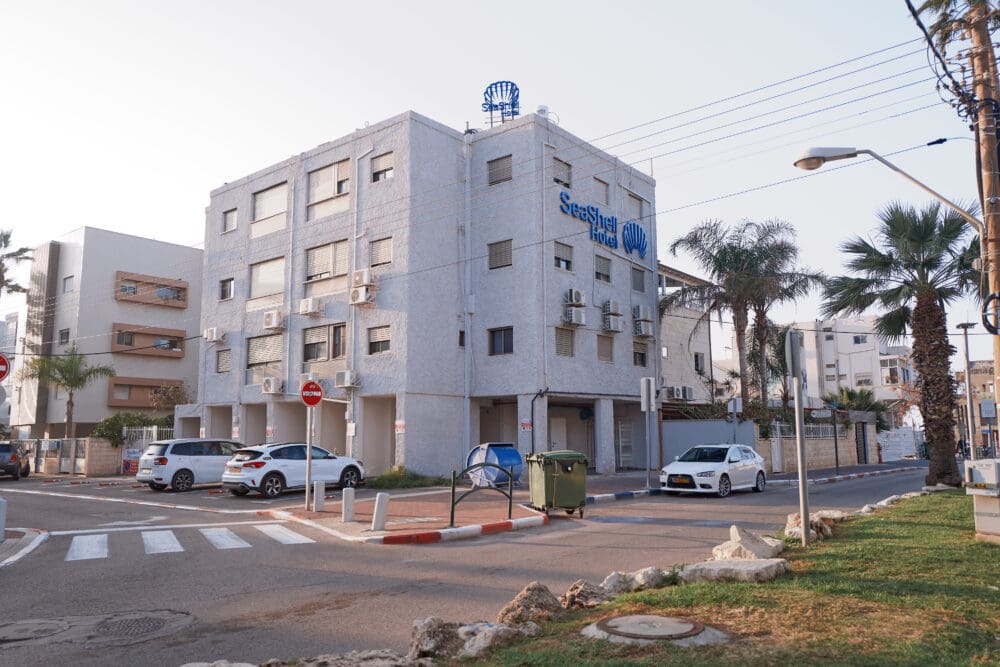
Tourist overnight stays versus Israeli overnight stays: Who really fills the hotels?
National data clearly shows that in 2025, Israelis accounted for the majority of hotel overnight stays, partly due to the absorption of evacuees and the sharp decline in incoming tourism following the war. In contrast, in 2024, there was a significant increase in tourist overnight stays – from 1.6 million to 2.5 million overnight stays, a figure indicating the beginning of a recovery, albeit a moderate and cautious one.
In Haifa, the trend is similar to that nationwide, with tourists gradually returning to the city, but their numbers are still relatively low. The majority of visitors to the city are Israelis, some of whom were evacuees who stayed in Haifa at various times during the year. The gap between Haifa and prominent vacation destinations such as Eilat or the Dead Sea is particularly pronounced, as Haifa is not perceived as a classic vacation city and hotel occupancy there relies more on business, family, and urban traffic, which is directly affected by emergency situations and security challenges.
First signs of recovery
The hotel industry in Haifa continues to deal with the direct consequences of the war, which affect all levels of activity: a decline in business traffic to the city, cancellations of vacations by Israelis, and inbound tourism that is still far from the volumes that characterized Haifa in previous years. Despite this, a cautiously positive trend has emerged in recent months, reflected in the gradual return of tourists from abroad and a certain recovery after the skies reopened.
Even during this challenging period, Haifa maintains its position as a central hub in the north, and manages to demonstrate relative stability compared to other cities in the district. The road to full recovery is still long. However, the continued increase in tourist overnight stays may indicate that in the coming months we will see a more significant change and perhaps the first signs of a return to normal in the city's hotel industry.
If you're already taking a press release and publishing it and calling it an article, why not make another phone call or two to the hotel association and ask about accommodation prices? It doesn't seem like the hotels tried to lower prices to convince guests and tourists to book a few nights.
We would love to see a little more comprehensive content and not just copy and paste.
Best regards
It's hard to sleep in Haifa.
Who wants to sleep in a city where there are car and motorcycle races with exhausts that make explosions and gunshots, a lot of hooligan behavior by drunks on the roads, in the center of the Carmel, on Meridian Promenade and Louis Promenade? When will both the municipality and the Haifa police realize that it's time to deal with this thing that bothers everyone, is scary, and also harms tourism in the city?