


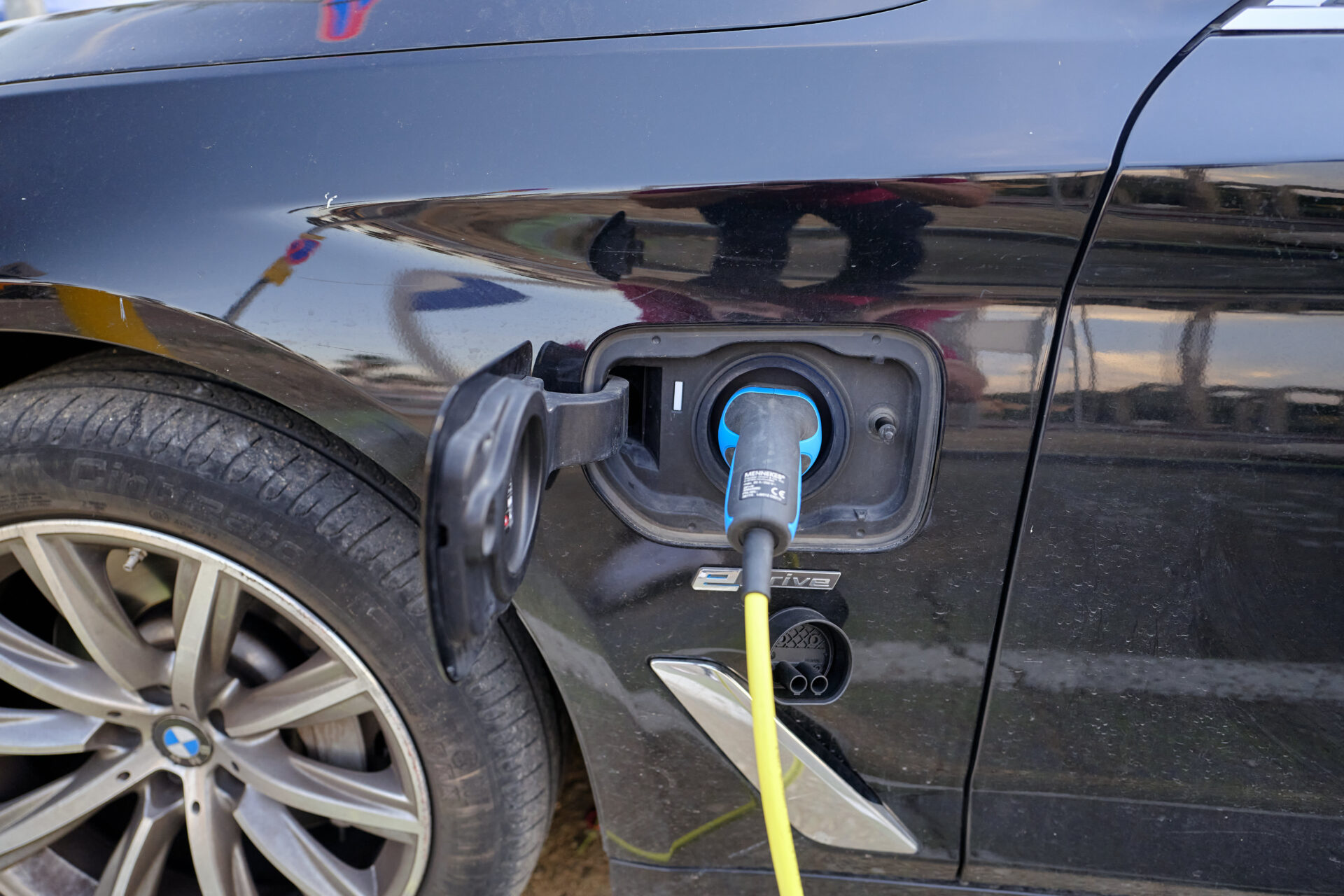
(haipo) – The Tax Authority has published for public comment a series of new orders that are expected to affect the Israeli automotive market. Among the proposals: increasing the purchase tax on electric vehicles to 52% in 2026, making the luxury tax a fixed tax, and extending the benefits in the value of use for electric, hybrid, and plug-in vehicles until the end of 2028. The move is intended to strike a balance between encouraging green transportation and maintaining state revenue.
Purchase tax on electric vehicles
According to the published orders, the purchase tax on electric vehicles will be 52% in 2026 with a benefit ceiling of NIS 30,000, compared to 45% and a benefit ceiling of NIS 35,000 in 2025. This is a significant change that may affect the feasibility of purchasing electric vehicles in the coming year.
The luxury tax: permanent and not temporary
The order proposes to make the luxury tax, currently applicable to vehicles with a retail price exceeding NIS 300,000, a permanent tax. The current tax is expected to expire on January 1, 2026, and the proposal is intended to ensure its continued collection beyond that date.
Value of use of an attached vehicle: the benefits will remain
The reductions in the value of use for vehicles with advanced propulsion: electric, hybrid and plug-in, will remain unchanged until the end of 2028. The reduction amounts, which have been updated according to the index, stand at NIS 560 for a hybrid vehicle, NIS 1,130 for a plug-in and NIS 1,350 for an electric vehicle in 2025. The extension of the benefits is expected to cost the state coffers approximately NIS 260 million per year, and the order states that a balancing act must be found to cover the cost.
The public is invited to comment.
The orders were published for public comment, as part of a process of transparency and participation in economic decisions. The Tax Authority calls on the public, professional bodies and environmental organizations to express their positions before final decisions are made.