


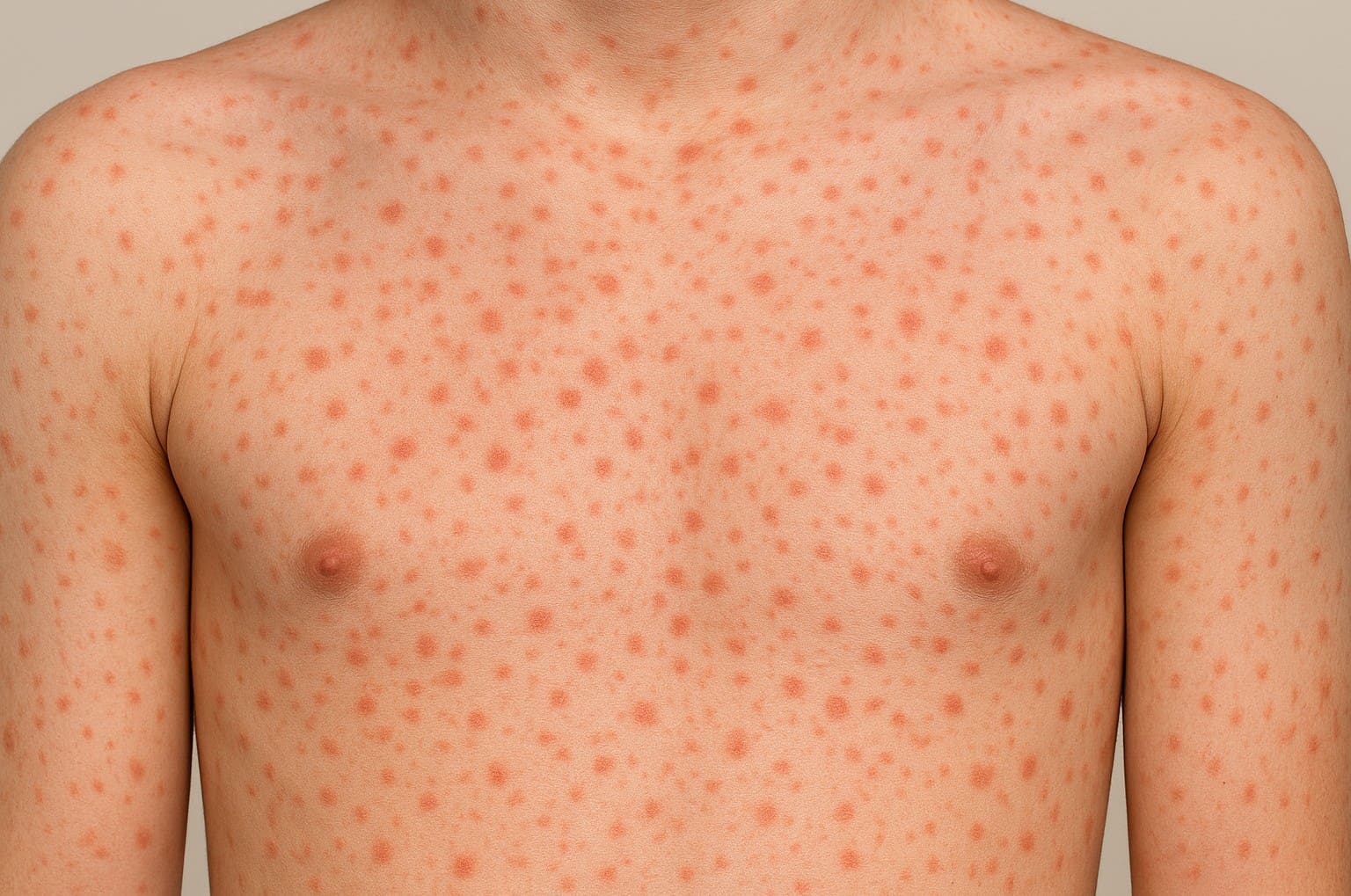
(haipo) In light of the alarming increase in measles cases in Israel, which has led to the ninth death since the beginning of the latest outbreak, it is important to understand the differences between two well-known childhood diseases: measles and chickenpox. Both are viral and highly contagious, but differ in appearance, symptoms, duration of illness, and associated health risks.
Different viruses – different symptoms
Measles is caused by a Paramyxovirus, while chickenpox is caused by the Varicella-Zoster Virus. Both diseases are spread very easily, mainly through droplets of saliva when coughing or sneezing, or by direct contact with a sick person. However, while the measles vaccine usually provides complete protection, the chickenpox vaccine does not guarantee complete immunity, although it does significantly reduce the severity of the disease if infection occurs.
Measles, a potentially dangerous disease
Symptoms of measles usually appear 10–12 days after infection and include high fever, cough, runny nose, red, watery eyes, and small white spots inside the mouth (Koplik spots). This is followed by a widespread red rash that starts behind the ears and gradually spreads to the entire body. People with measles often feel very ill with a prolonged fever, weakness, body aches, and sometimes pneumonia or neurological complications.
It is a potentially dangerous disease, especially in young children, pregnant women, and people with weakened immune systems. Worldwide, measles still causes deaths every year, mainly among unvaccinated populations.
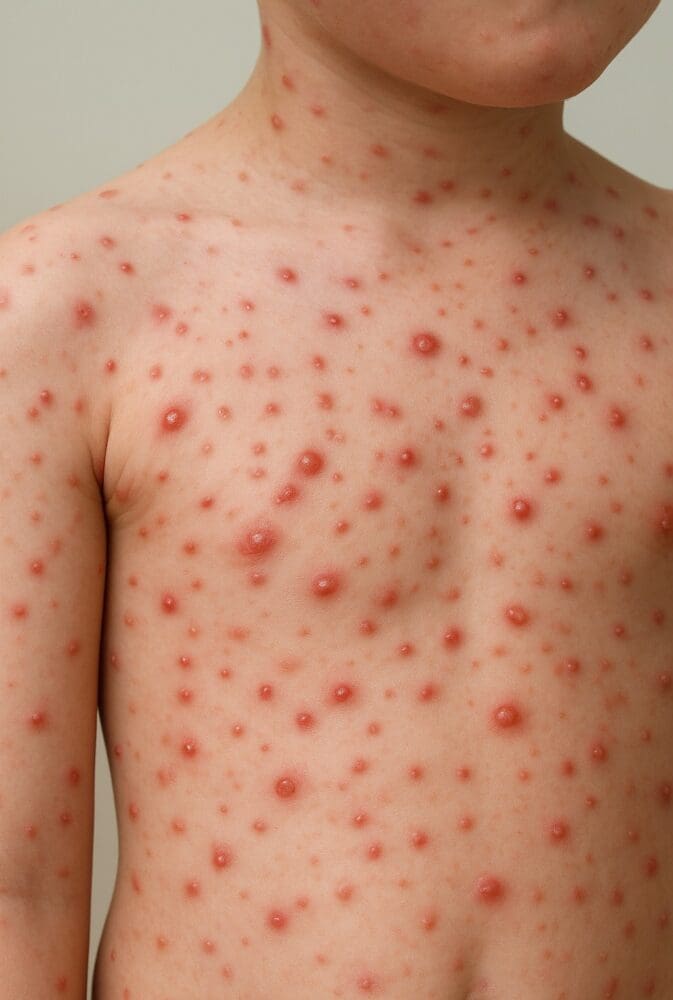
Chickenpox is less dangerous, but not without complications.
Chickenpox is considered a relatively mild childhood illness, but it can also cause complications. The most prominent symptom is an itchy rash that begins on the scalp, spreads to the face and body, and consists of flat, red lesions that turn into fluid-filled blisters that eventually dry out and fall off. The entire process usually lasts about a week.
Associated symptoms include fever, weakness, loss of appetite, and sometimes headache or irritation of the mouth and eyes. Vaccinated children who get chickenpox sometimes develop a mild, unusual rash.
The disease is highly contagious, and sometimes a "mini-epidemic" appears in kindergartens or schools because the patient is contagious two days before the rash appears. Although the disease usually resolves without special treatment, in some cases secondary skin infections, pneumonia, inflammation of the joints or brain, and even death, although rare, may develop. The risk of complications is particularly high in people with weakened immune systems, pregnant women, and infants.
Duration of illness and treatment
Measles usually lasts about two weeks, while chickenpox lasts about a week. Treatment for both diseases is only supportive, meaning it does not cure the virus but rather alleviates the symptoms:
- Plenty of rest and drinking plenty of water and fluids
- A light diet rich in vitamins
- Avoiding scratching the skin to prevent infections
- For chickenpox, soothing creams and lukewarm baths can be used to reduce itching.
- In measles, it is recommended to include foods rich in vitamin A in the diet, which helps strengthen the immune system.
How can it be avoided?
The most effective prevention for both diseases is vaccination. The MMR (measles-mumps-rubella) vaccine is given in two doses at the age of one year and in first grade and provides very high protection. The chickenpox vaccine (Varilrix or Varivax) is also given in two doses, the first at the age of one year and the second in first grade. Maintaining basic hygiene rules, such as washing hands and avoiding contact with sick people, also helps reduce the risk of infection.
Measles and chickenpox may resemble each other in terms of infection and rash, but they are two very different diseases in origin and severity. Measles can be dangerous and even fatal, while chickenpox is often perceived as mild but can cause complications, especially in susceptible populations.
Therefore, the most important way to protect ourselves and our children is to be vigilant about vaccinations, be aware of symptoms, and consult a doctor when they appear.