


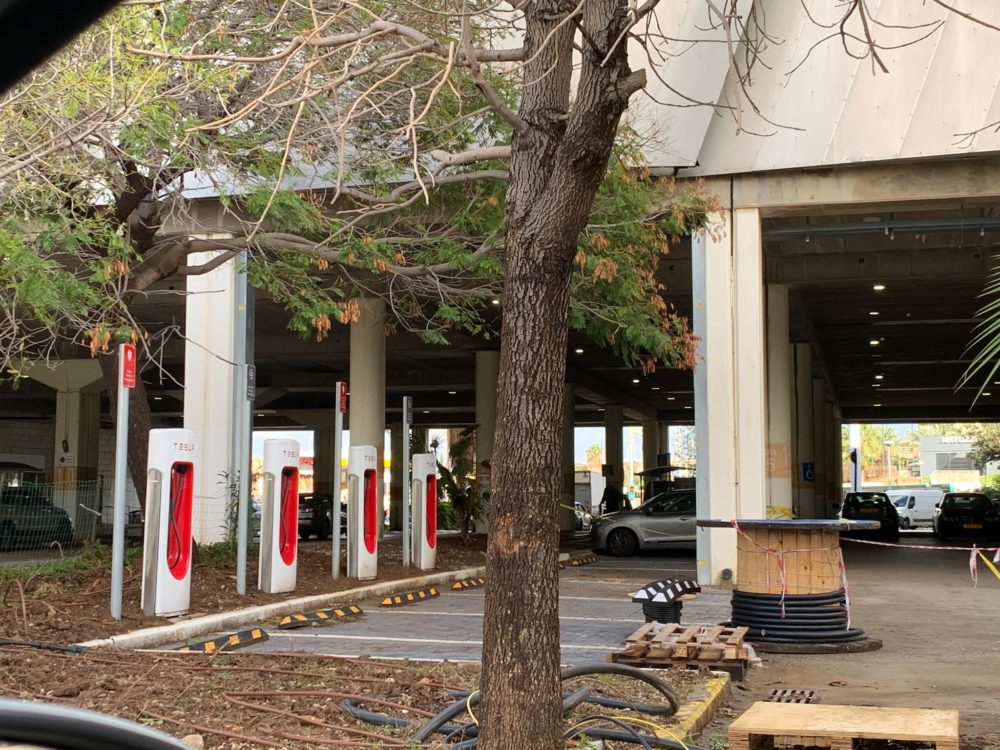
(haipo) – A new report by the Knesset Research and Information Center reveals a disturbing picture of the electric vehicle charging market in Israel: public charging prices are significantly higher than home charging, the availability of stations is low, and the lack of fast stations makes the usage experience challenging for hundreds of thousands of electric drivers.
The document presents current data for 2025–2026 and outlines one of the main barriers to the continued penetration of electric vehicles in Israel.
Public charging is up to four times more expensive than charging at home
According to the report, the price of home charging in 2025 was 0.64 NIS per kWh Only. On the other hand:
- Public AC charging (slow): 1.52 NIS per kWh
- Public DC charging (fast): 2.24 NIS per kWh
- Most companies offer fast charging in2 NIS and up, sometimes even close to2.5 NIS per kWh
That is, a driver who charges at public fast charging stations pays 3 to 4 times From the cost at home.
This gap is especially significant for drivers who do not have private parking, especially in large cities and are forced to rely on expensive public infrastructure.
Waiting in line for electricity: About half of users cannot find an available position
The report presents worrying data on the availability of public express stations:
- 51 % Some users reported that the position was OK, but occupied.
- only 39.4 % Find a good, free position.
- 9.6 % They reached a dead end.
In other words: Every second driver who arrives at a fast stop must wait..
The situation in the slow positions is slightly better, but even there About 40% Some of the positions are occupied at the time of arrival.
Severe shortage of speeding tickets – almost two-thirds of drivers feel this
Data from the CBS survey indicate a widespread sense of deprivation:
- 64.5 % Users report a shortage of fast charging stations.
- 28.4 % Shortages are reported both quickly and slowly.
- only 2.9 % They claim there is no shortage at all.
the meaning: Demand for fast positions is growing much faster than supply, and the drivers feel it well.
Fragmented charging market: 25 providers – without full connection between them
As of April 2025, workers in Israel 25 charging providers, but no app allows charging on all networks. Users are required to pre-register with each provider separately, and most stations do not allow occasional charging with a credit card, a situation that the new Esdra is trying to change.
The state subsidizes – but at a slow pace
The Ministry of Energy invested between 2019 and 2025 approximately94 million NIS with authorizations to commit to establishing charging stations, but in practice only 15 million NIS Until 2024. In 2025, 8.7 million NIS more
The gap between the need and the actual pace of construction is particularly noticeable against the backdrop of the rapid increase in the number of electric vehicles.
Meaning: A major barrier to further penetration of the electric vehicle
The report concludes that high prices, the lack of fast charging stations, and the lack of complete and reliable information about the distribution of stations all together create a significant barrier to the public's transition to electric vehicles.
In a situation where About 37% of new vehicles in Israel are electric or plug-in, and the state expects that by 2035, approximately 60% of all vehicles will be electric, charging infrastructure is becoming one of the critical challenges of the economy.
The Bottom Line
The Knesset report presents a clear picture: Public accusation in Israel Expensive, busy, and sometimes not up to standardThe shortage of fast charging stations is felt throughout the country, and the gap between home and public charging creates inequality among drivers.
If the country wants to meet its energy and transportation goals, the charging infrastructure must take a leap forward.