


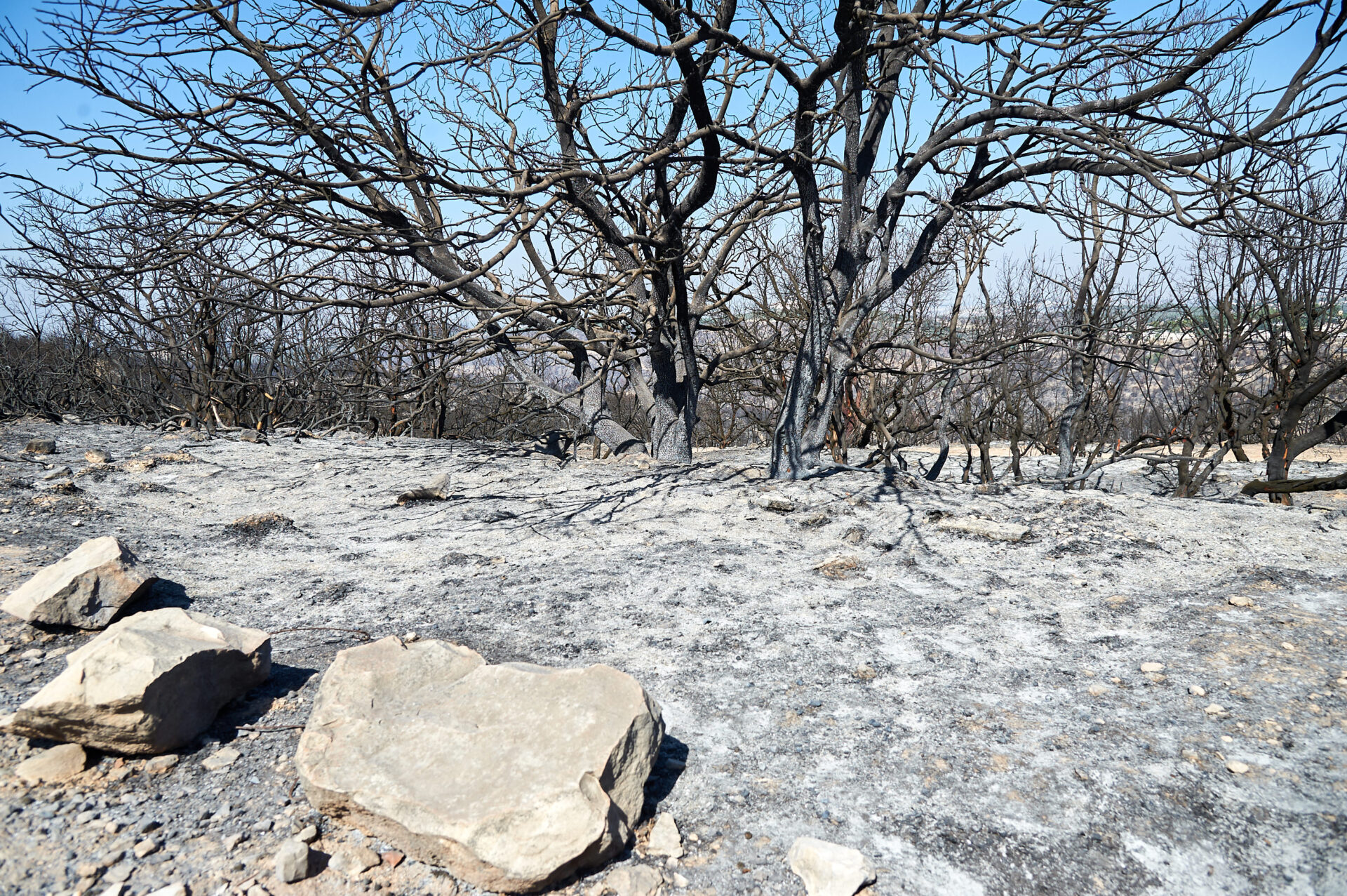
The State Comptroller's new monitoring report presents a worrying picture of the government's preparedness for climate change. Despite repeated warnings in previous reports, and despite the worsening climate risks, Israel still lacks a national plan, a binding legislative framework, a comprehensive body with powers and resources, and budgetary control mechanisms. The Comptroller states that “The Israeli government’s handling of the climate crisis is not in line with the risks posed by climate change to the state, society, and individuals.” .
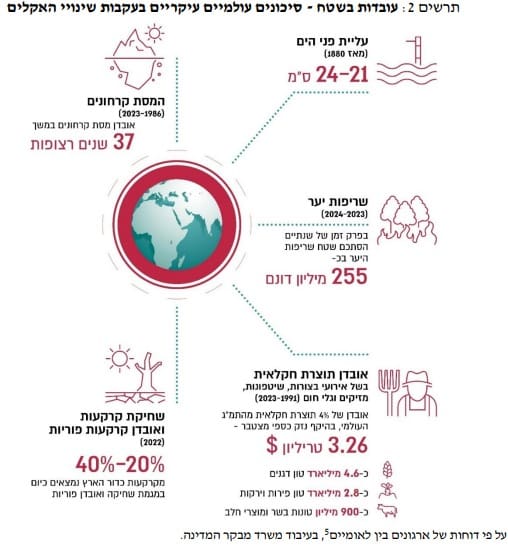
Macroeconomic assessment: Still in the initial stages
Despite the critical need to understand the long-term economic impacts of climate change, no government body has undertaken a full national assessment. The National Economic Council and the Chief Economist's Office have begun building a knowledge infrastructure, but as of August 2025 they “These are only in the initial stages, and the necessary resources to conduct a macroeconomic assessment have not yet been allocated.” .
Preparedness plans: Most offices do not meet requirements
Israel still does not have a national climate change preparedness plan. The Preparedness Administration in the Ministry of Environmental Protection has mapped out tasks and begun developing a methodological tool for prioritization, but the ministries' progress is slow:
- only 53 % The ministries submitted preparedness plans.
- 72 % Some of them without a budget estimate.
- 61 % Without schedules and performance indicators.
The auditor states that “Preparation plans without a budgetary anchor or detailed timetable are merely declarative” And that 89 % None of the relevant bodies submitted an actionable plan.
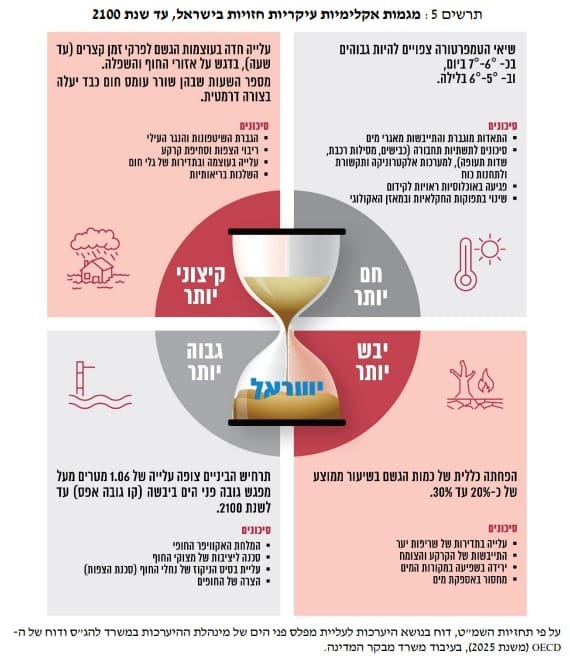
The Administration for Preparedness: Without Authority and Without Resources
Despite the government's 2018 decision, the Climate Change Preparedness Administration still operates without formal authority and without adequate standards and budgets. The Comptroller notes that:
- Only one standard was approved — and even that was frozen.
- The annual budget is only hundreds of thousands of shekels.
- There is no mechanism requiring reporting by government ministries.
The auditor concludes that there is “A retreat in the administration’s ability to fulfill its functions” Due to the lack of resources and the lack of regulation of its powers.
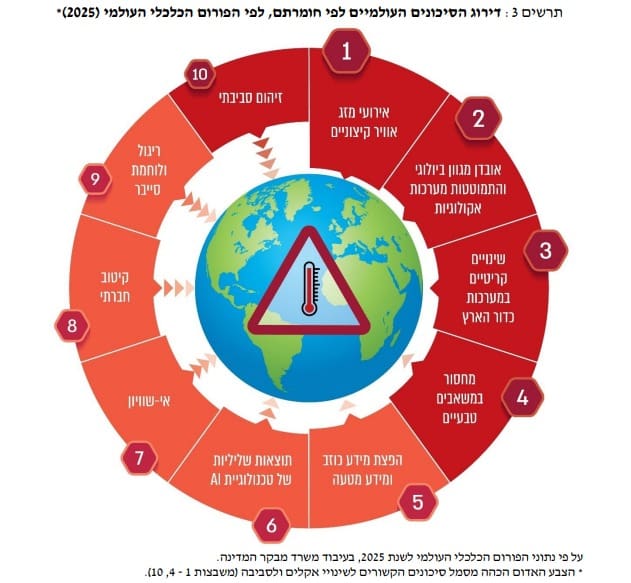
Emissions reduction: Israel is not meeting targets
Despite a commitment to reduce greenhouse gas emissions by 27% by 2030, the current pace of implementation is expected to result in a reduction of Only 19%Meaning: Emissions of 65.2 million tons instead of 59 million tons As required. In addition, Israel did not submit its updated 2035 commitment to the UN, despite a clear international demand.
Renewable energies: some improvement, but far from the target
The 2030 target of generating 30% of electricity from renewable energy sources will not be achieved. According to the report:
- Israel is expected to reachOnly 25.2% (84% of target).
- In 2025, production was 16.7 % Instead of 20%.
- The target for 2050 has not yet been set, with a delay of three years from the date set in the government decision.
Carbon tax: Implemented — but complementary mechanisms are still in their infancy
The carbon tax began to be implemented in January 2025 in a phased manner, and is expected to yield 7.35 billion NIS by 2030. Support mechanisms were agreed alongside it:
- 1 billion NIS For industry.
- 700 million NIS For the strata deserving of promotion.
However, the agreements are only in the initial stages of implementation.
Legislative Framework: Climate Law Stuck
Despite government commitments and OECD recommendations, the climate law has not been advanced. The report notes that “The stalemate in the legislative process since December 2024 constitutes a retreat from the strategic national commitment” .
Organizational framework: No overarching factor
The Ministerial Committee on Climate Affairs, established in 2023, Didn't meet even onceThe Ministry of Environmental Protection continues to lead the issue without authority and without appropriate resources, a situation that leads to segmentation, barriers and conflicts between ministries.
Climate budgets: no tracking and no control
Despite dozens of government decisions and allocations of billions of shekels, there is no body in Israel that carries out comprehensive budget monitoring. The report notes that between 2023 and 2025, 27 additional decisions To the extent of 1.37 billion NIS, without a central control mechanism.
State Comptroller: The government must act — now
Comptroller Matanyahu Engelman calls on the government to fulfill its responsibility and establish effective climate governance: “The government must work to establish climate governance… to enable an appropriate response to risks that are systemic and multidimensional”.
Did the article interest you?