


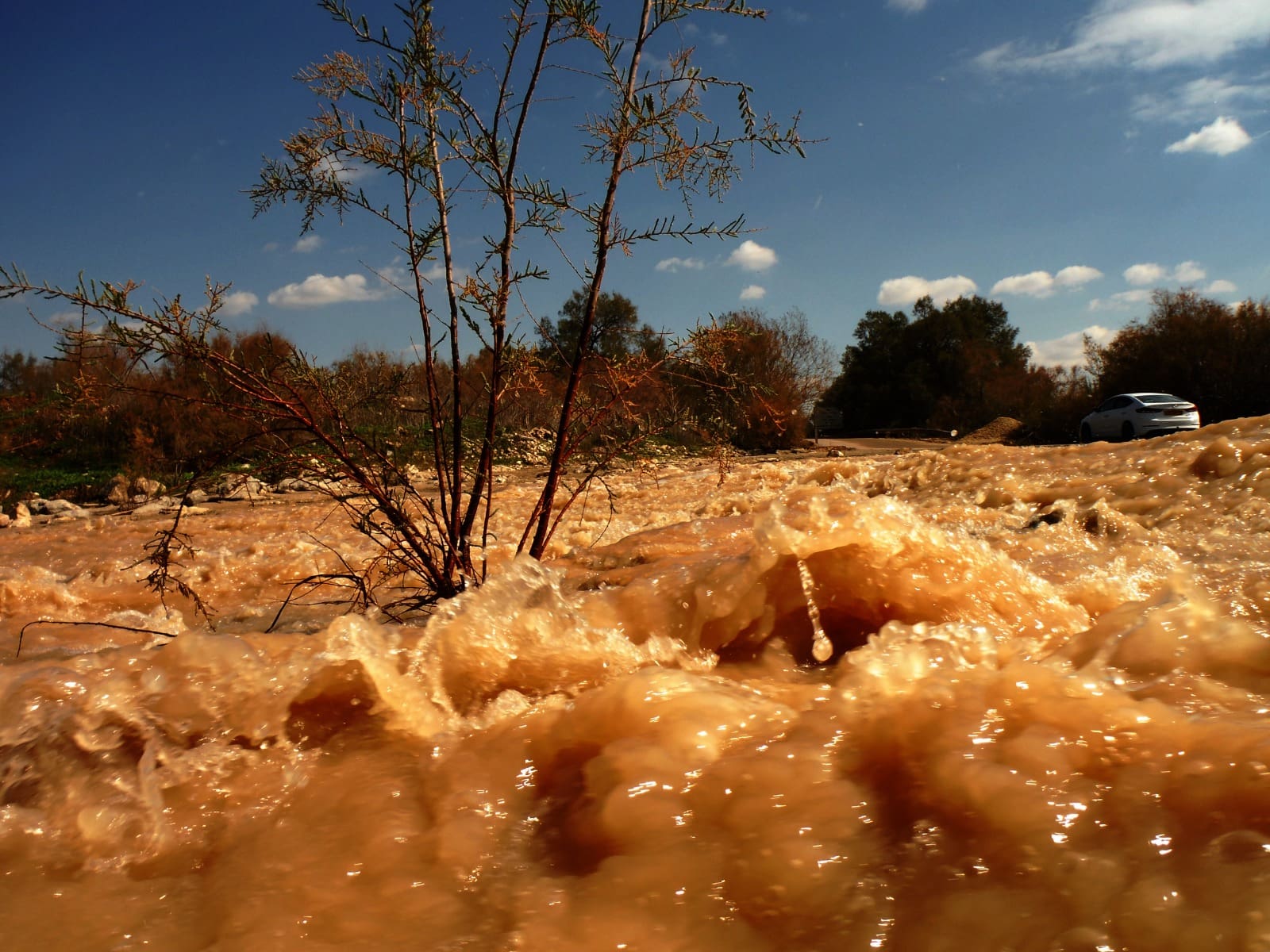
The current winter in Israel is characterized by unusual extremes: particularly stormy days alongside very warm days, sharp temperature differences and rapid fluctuations in the weather. Alongside the familiar flooding and reports of rescued submerged vehicles, there are additional, much more dangerous damages that are not publicly disclosed. Field documentation and monitoring of the floods in the south and north indicate enormous natural forces that could have ended in disaster if humans had encountered them.
Flood in Nahal Hatzun ► View
The South: Flash floods without warning
The south of the country is known for its powerful floods, but this year the phenomenon is particularly prominent. Heavy rains falling over Highway 90, Jerusalem, Hebron and the entire region, are sending huge amounts of water towards the Dead Sea and the Beit Shean Valley.
The clay soil and the marl of the tongue do not allow water to seep through, and the result: powerful flows that turn into life-threatening floods.
Authorities are working to block roads and issue warnings, but it is not always possible to prepare in advance; a weak flow can become monstrous within minutes.
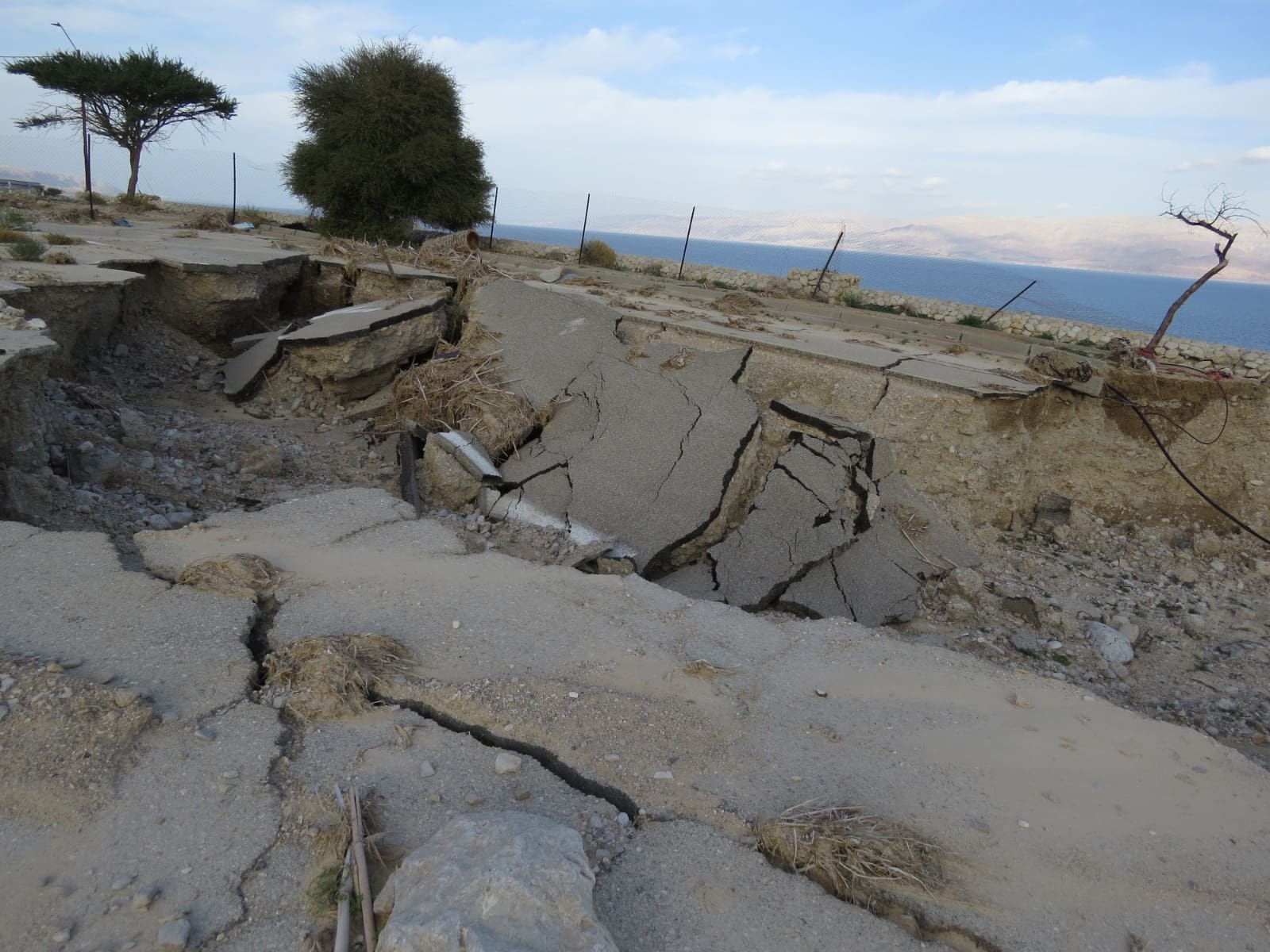
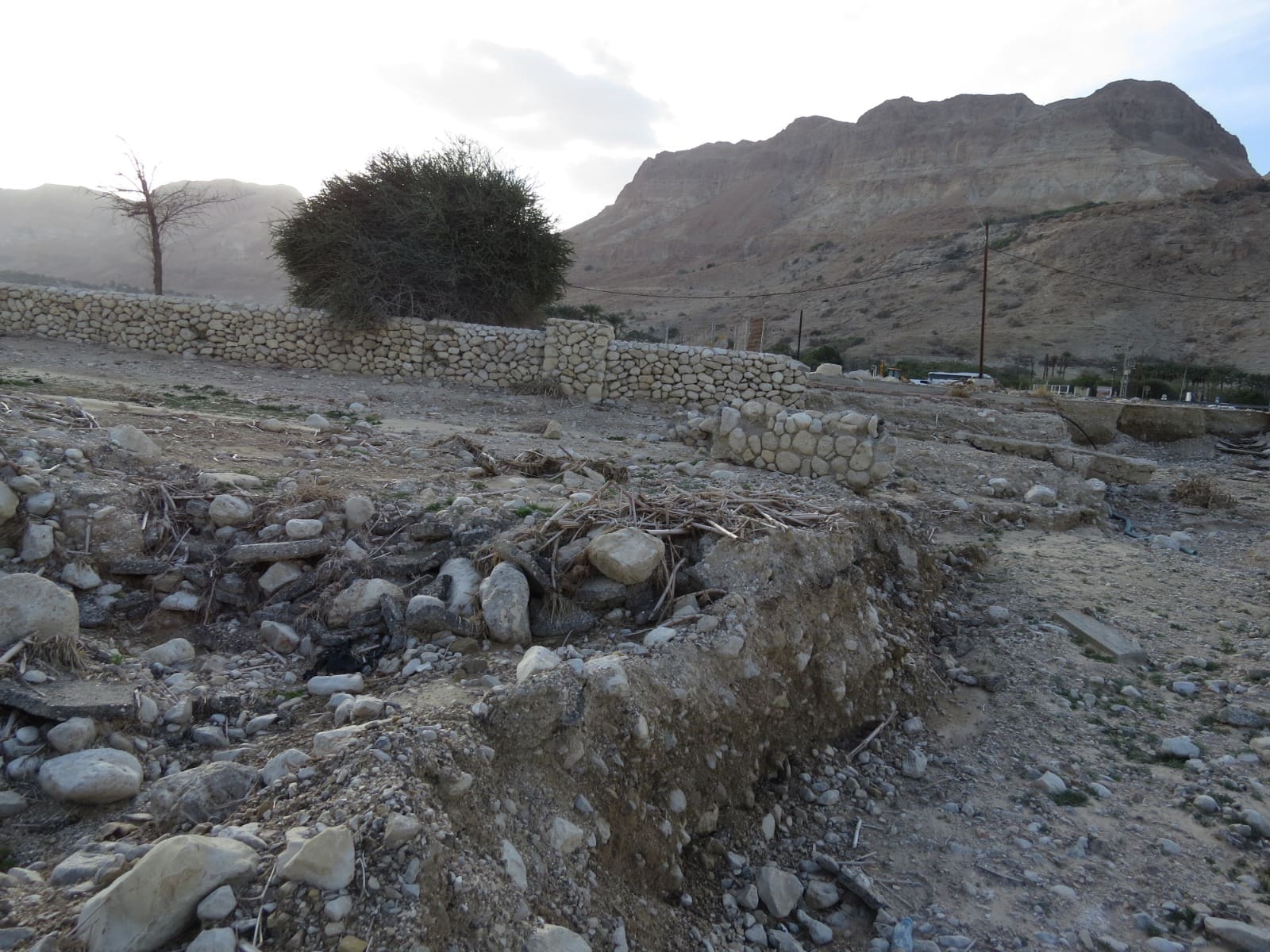
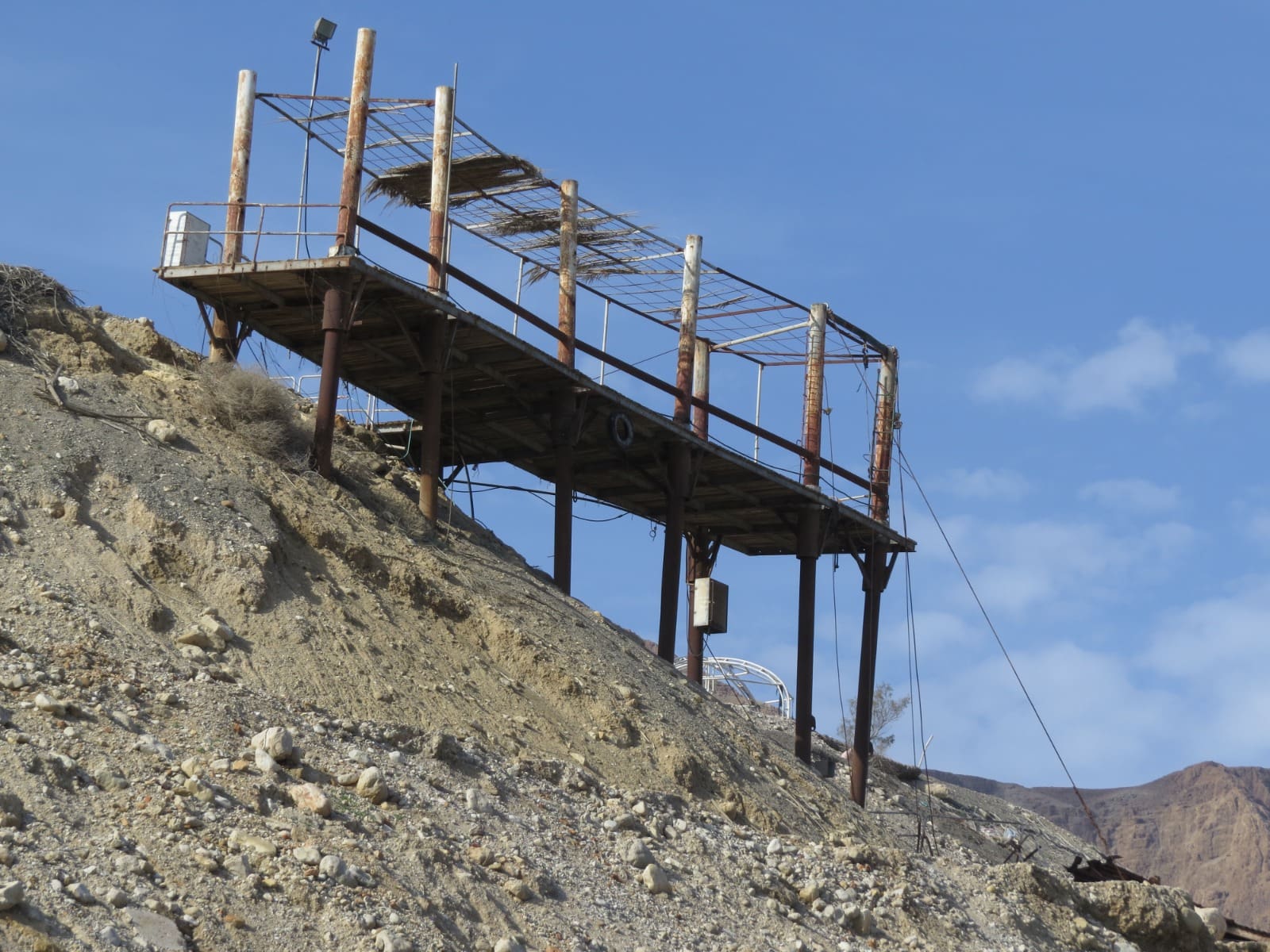
The hidden damage: roads are uprooted, buildings are washed away
The flow forces in the south not only harm travelers and drivers, they cause severe damage to infrastructure:
- Displacement of road sections
- Tearing down fences and signs
- Damage to prefabricated structures
- Removal of large quantities of rocks and dirt
In many cases, the damage occurs in areas that are not reported in the media, such as small intercity roads, remote communities, and the outskirts of cities.
The Dead Sea – a dangerous combination of floods, sinkholes and easterly winds
The floods in the south flow through sinkholes, areas to which entry is prohibited, where they melt the ground and deepen the danger.
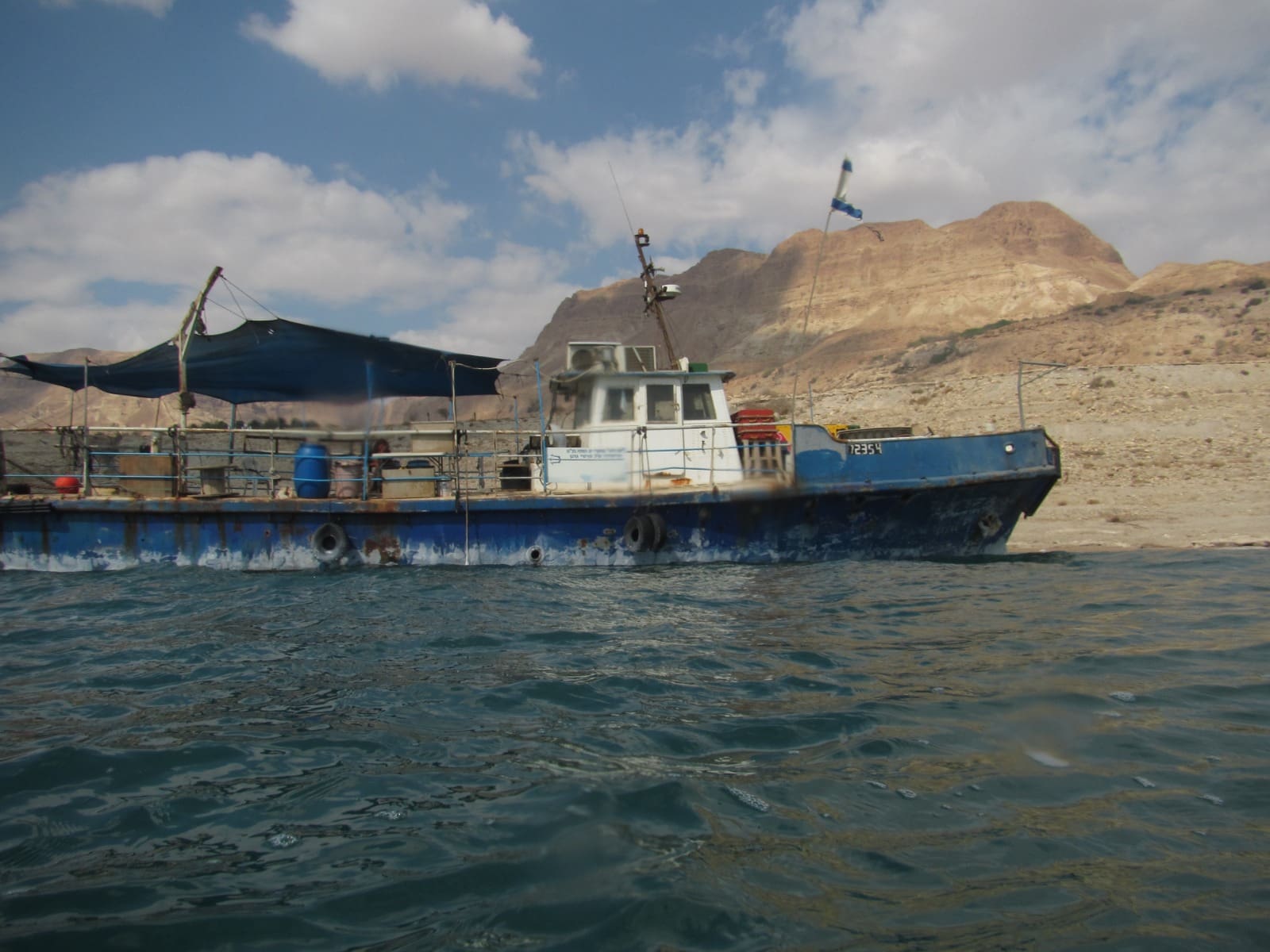
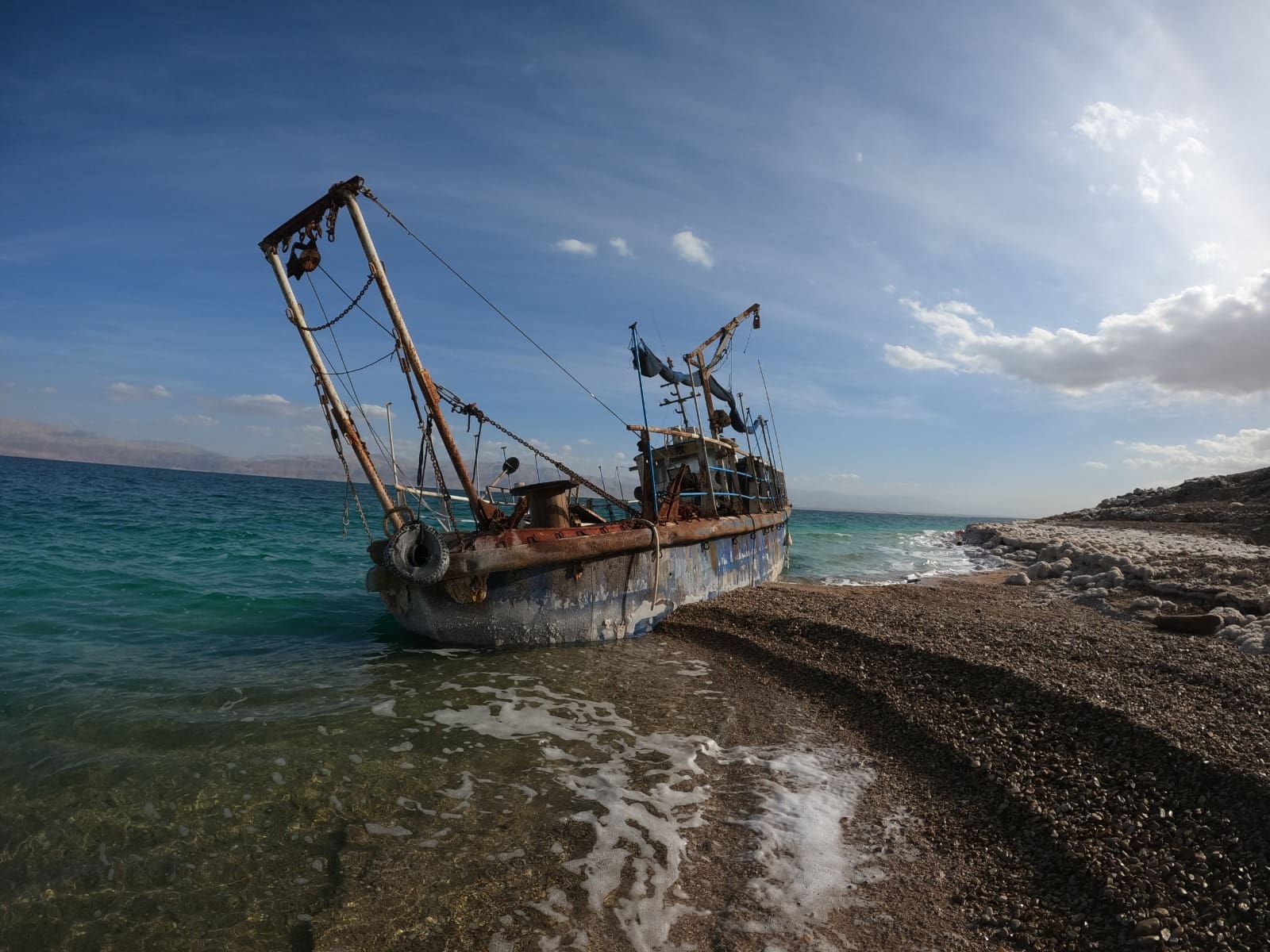
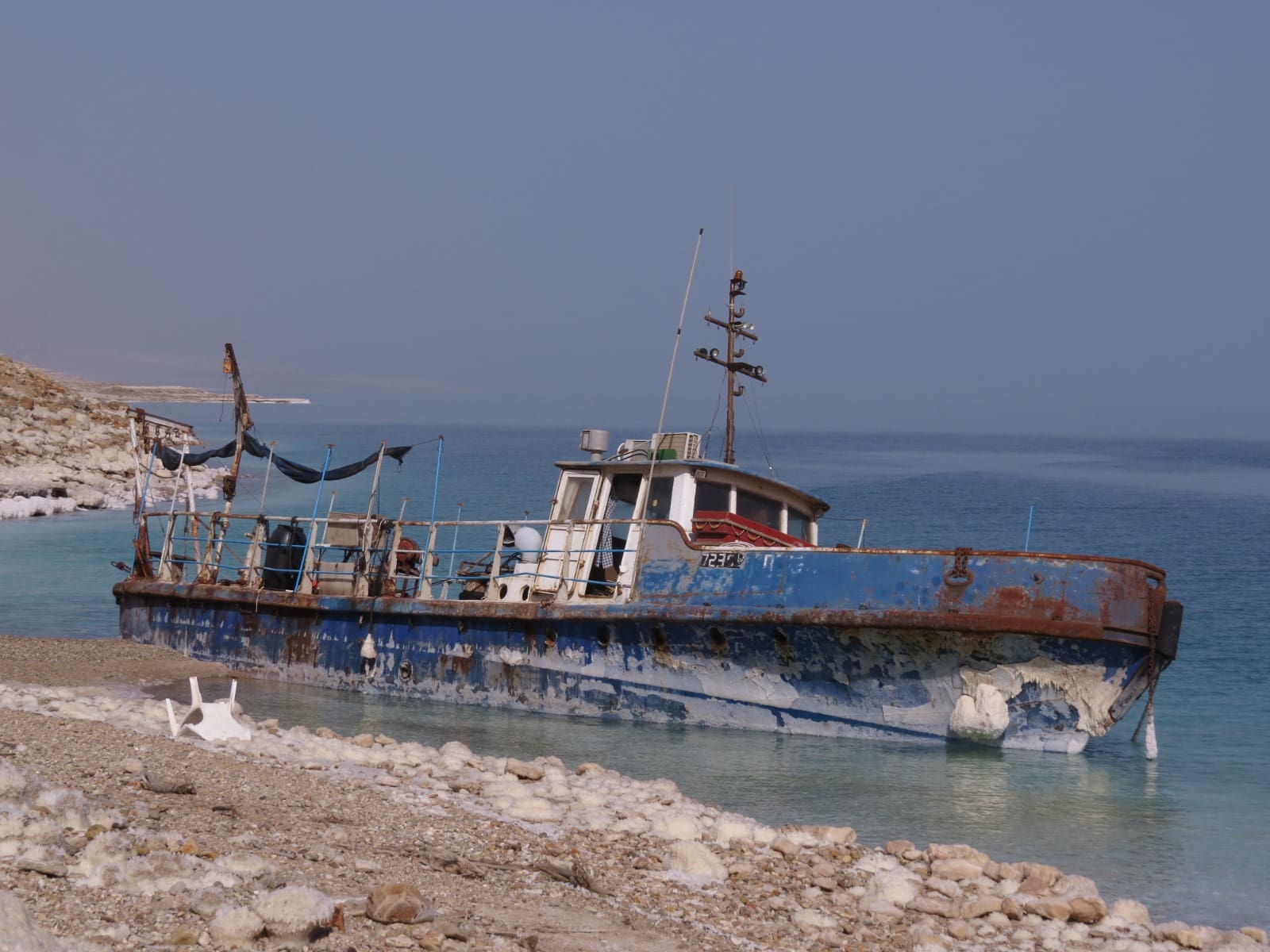
The floods are joined by the strong easterly winds ("sharqiya"), which also hit the Dead Sea region. According to field documentation, these winds even tore the research ship in the area from its place, apparently due to a sudden change in wind direction and strength, a familiar phenomenon in the region.
The incident once again highlights the danger of entering undeclared bathing areas and the absolute prohibition on descending into sinkhole areas.
The Dead Sea Research Ship Then… and Today ◄ Watch
In the North: Dangerous floods in urban streams
At the same time, dangerous flooding events are also being recorded in the north of the country:
- In Nahal Sheach (Ein Mashuttim) in Haifa, strong currents during rain make the place scary and dangerous.
- In the Nesher area, under the railroad tracks, a strong stream of water returns every year and even displaced part of a house near the checkpoint in the past.
Documentation from recent years indicates that the events are recurring with increasing intensity.
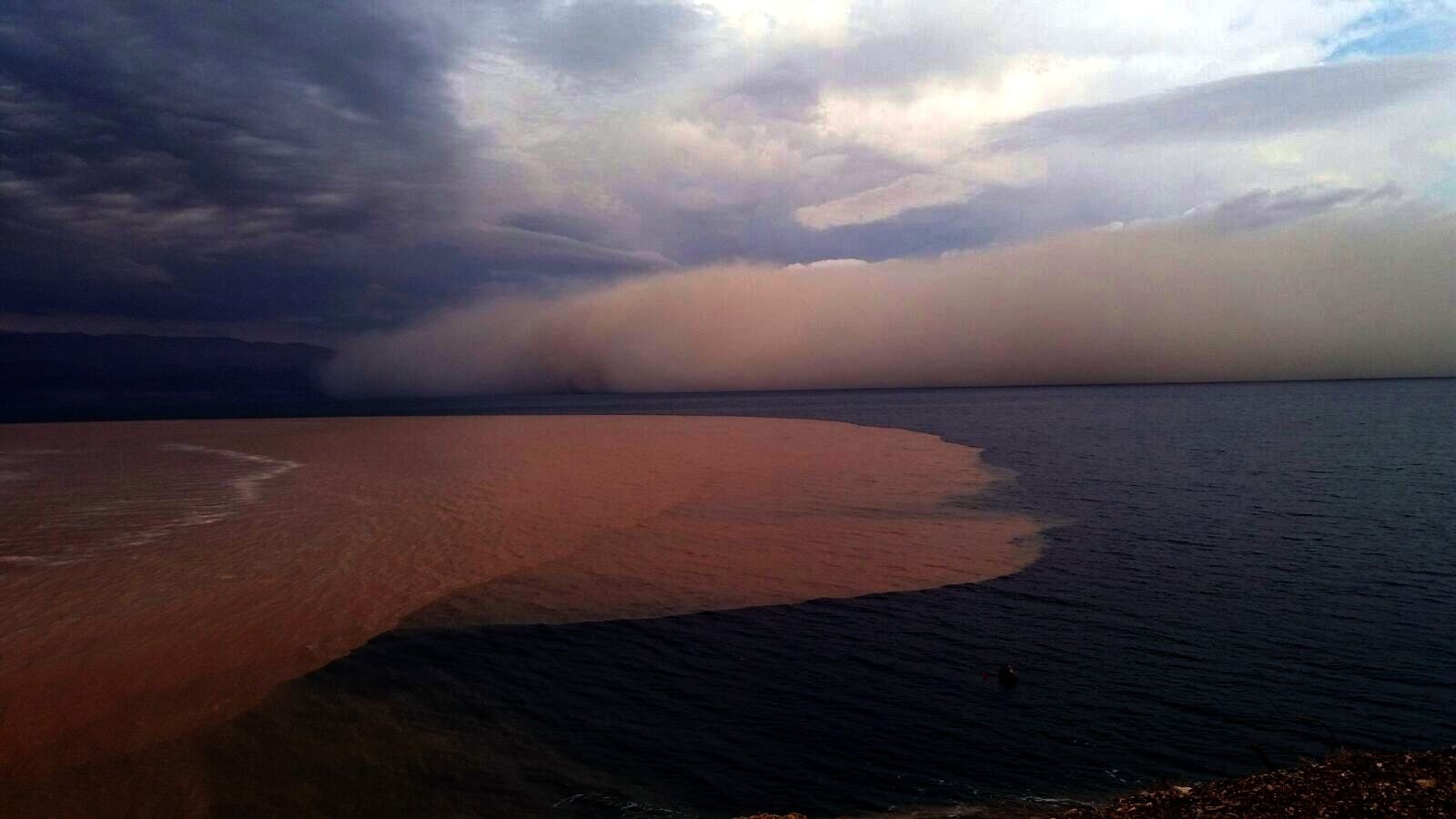
The camera doesn't always tell everything.
Despite repeated warnings in the media, those who document the floods up close tell of a harrowing experience:
The flows are fast, unpredictable, and sometimes change within seconds. Even those who know the terrain well are required to exercise careful judgment.
The message to the public: Do not risk or attempt to cross roads in flooded areas, anywhere in the country.
Recommendations for travelers across the country:
- Do not cross water currents—even if they appear weak.
- Do not travel through streams and wadis on rainy days.
- Do not enter the Dead Sea in undeclared places.
- Do not go down into sinkholes, even if the area appears "dry."
Winter is not over yet, and the dangers are still here.
Every article is a gem…