


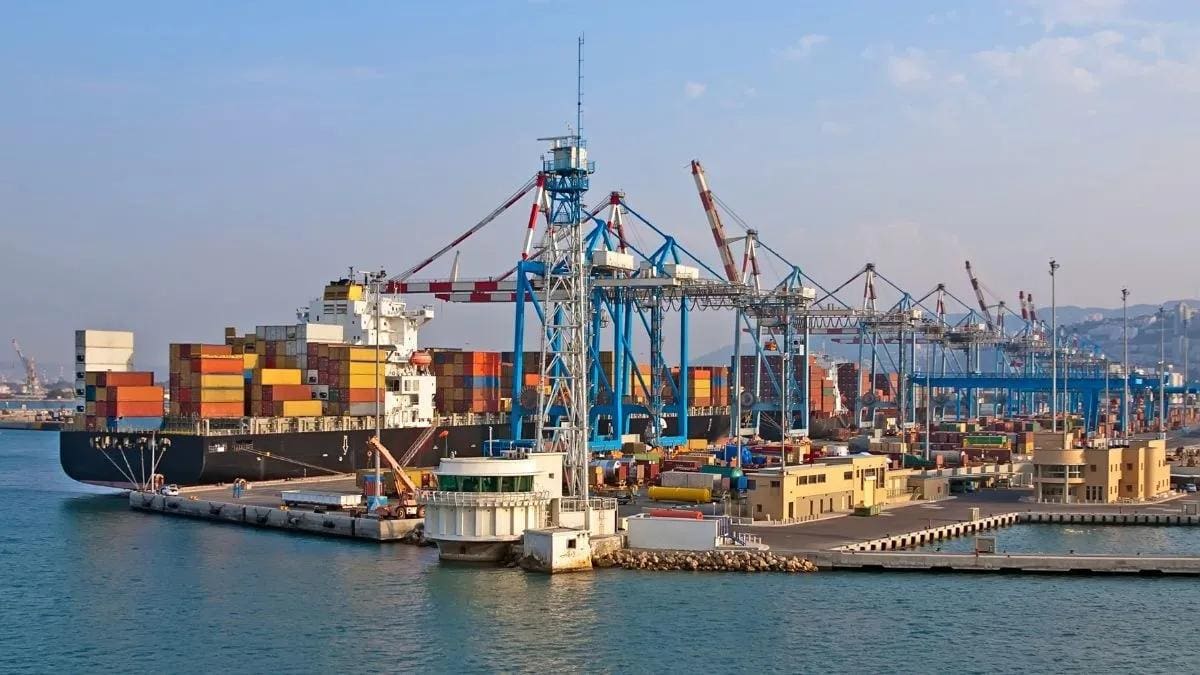
(haipo) – The National Committee for National Infrastructures (NCNI) has finally approved the NCC 118 plan, the comprehensive plan for regulating the operating areas in the east of Haifa Port. The decision was made on Monday (April 13, 2026), and it will now be submitted to the government for approval. This is another significant step in a series of measures promoted by the Israel Ports Company (IPC) to upgrade, adapt and develop the port area in accordance with current environmental and operational standards.
A new planning framework to replace plans from the Mandate period
Old plans, some dating back to the days of the British Mandate, are currently in effect in the port areas, which do not match today's operational reality and environmental requirements. For the first time, TAT 118 creates a modern, unified and flexible planning framework, which allows for both the regulation of existing uses and preparation for future needs of the economy.
What does the program include?
The program encompasses a wide range of port complexes and activities, including:
- The new distillate terminal – which will be built adjacent to the Gulf Port and will replace the old fuel port near the downtown area, whose operations are expected to cease.
- Chemical terminals – the arrangement and expansion of existing terminals.
- Cargo terminals in East and West Kishon – adaptation and development for future needs.
- Israel Shipyards Complex and Gadot Darom Complex – Arrangement and Upgrade.
- Part of the Carmel B terminal and additional areas – designated for advanced port activity.
The plan also includes establishing provisions for issuing permits and implementing strict environmental guidelines, as part of a comprehensive transition to modern, safe, and efficient port management.
Environmental and economic news: Evacuation of the old fuel port and preparation for the future
Deputy Chairman of the Military Tribunal, Attorney Benny Arbiv, noted that this is a move of dual importance: on the one hand - the evacuation of the old fuel port and tank farm, alongside the implementation of strict environmental standards; and on the other hand - the creation of a planning infrastructure that will enable the continued development and growth of the Port of Haifa, for the benefit of the entire economy.
The planner of the National Defense Force, Nava Alinsky-Radaei, She added that the plan creates, for the first time, an up-to-date and flexible planning framework that combines operational efficiency and compliance with advanced environmental standards.
“A significant step towards a new era of innovation and sustainability”
Director General of the National Defense Agency, Pinchas Tzruya, welcomed the approval of the plan and noted that the regulation of the port areas will enable the continued development of advanced infrastructure, while meeting current environmental standards. According to him, this is about strengthening the status of Haifa Port as a vital economic center for the Israeli economy and leading the ports into a new era of innovation and sustainability.
Next step: Government approval
After approval by the National Defense Ministry, the plan will be submitted for government approval, a formal but significant step on the way to its actual implementation. Upon completion of the process, the Haifa Port will be able to continue to develop in accordance with the changing needs of the Israeli economy, while preserving environmental quality and improving the quality of life in the Gulf region.
Did the article interest you?